
Sleeping comfortably in a tropical climate requires a mattress that manages elevated temperatures and high relative humidity. In the Philippines, where nights can remain warm and muggy, mattress construction directly influences sleep quality. An innerspring mattress generally offers the most effective baseline airflow due to its open coil design, which allows heat to escape through the sides and bottom of the bed. This open structure makes coil-based systems highly suitable for hot sleepers who do not use air conditioning continuously.
Latex mattresses present a highly responsive, breathable alternative, particularly when manufactured with an aerated pinhole structure. This design features vertical channels that allow warm air to escape as you move.
In contrast, standard polyurethane foam mattresses, including many basic models of a uratex foam single bed, tend to retain more body heat because of their dense cellular structure. However, this heat retention can be mitigated if the foam is engineered with open-cell technology, cooling gel infusions, or paired with a highly breathable cover. Ultimately, the best choice depends on your specific comfort preferences, your budget, and whether your bedroom relies on a ceiling fan or consistent air conditioning.
Products mentioned in this guide

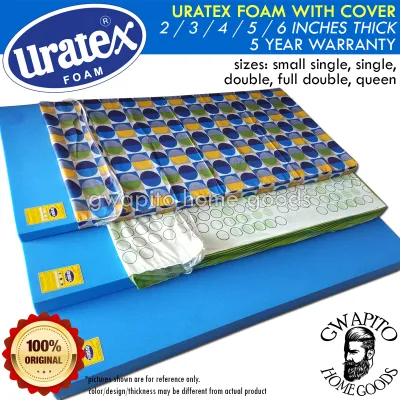
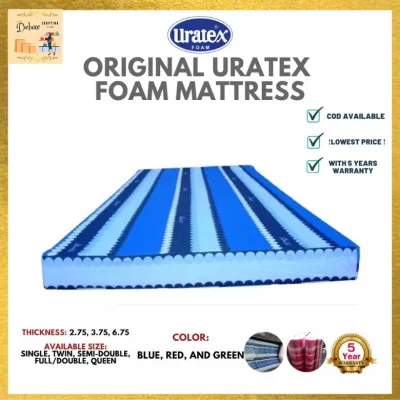
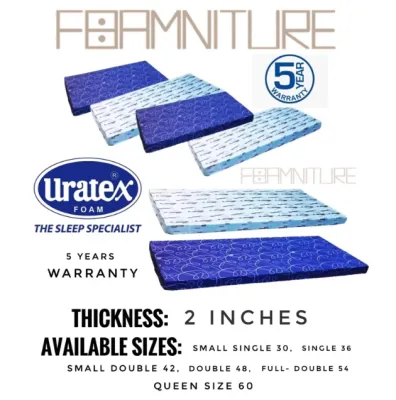
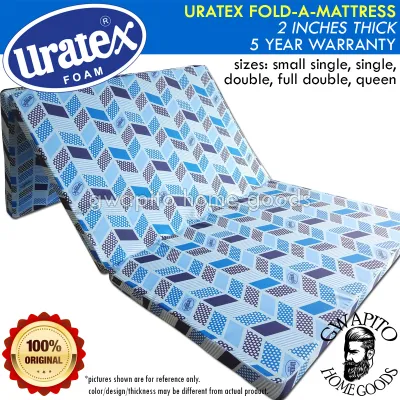
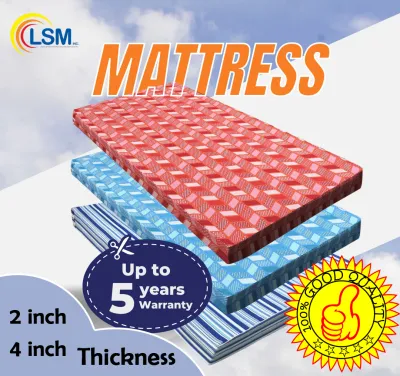

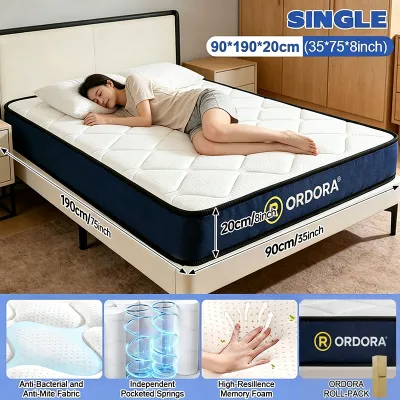
Prices are valid at publication and may change. Please refer to the product page for the latest price.
Material Breakdown: Uratex Foam, Latex, and Innerspring Structures
Understanding the physical architecture of these three mattress types is the first step toward making an informed purchase. Each material behaves differently when subjected to body heat, weight, and environmental moisture.
Uratex Foam and Standard Polyurethane/Memory Foam
Polyurethane foam is a synthetic material created through a chemical reaction that produces a dense, cellular structure. Standard foam consists of millions of microscopic pockets of air. When you lie down, your body weight compresses these cells, and your body heat warms the trapped air inside them. Because standard foam has limited paths for air to circulate, this heat tends to build up directly beneath your body, creating a warm sleeping surface.
In the Philippines, Uratex is a household name synonymous with foam mattresses. However, the cooling performance of a uratex foam single bed is not uniform across all models. While basic blue or yellow foam mattresses are highly dense and prone to heat retention, premium models incorporate advanced features. These include open-cell formulations that allow air to pass through the foam more freely, or gel infusions designed to absorb and dissipate initial body heat. When shopping, it is vital to read the product specifications and labels to identify these cooling technologies rather than assuming all foam models perform identically.
Latex (Natural and Synthetic)
Latex mattresses are made from the sap of rubber trees (natural latex) or synthetic polymers (synthetic latex), processed using either the Dunlop or Talalay method. This material is highly valued for its buoyant, springy feel, which keeps the sleeper positioned on top of the mattress rather than sinking deep into it. This ‘on-the-bed’ sensation naturally reduces the amount of material wrapping around your body, which helps keep you cooler.
During the manufacturing process, latex is baked in molds that utilize metal pins to distribute heat evenly. This creates a permanent, aerated pinhole structure throughout the mattress core. These vertical channels allow air to circulate dynamically as you shift positions during the night. However, natural latex is not a magic cooling solution. If the mattress is wrapped in a thick, synthetic polyester cover, or if the bedroom lacks proper ventilation, even an aerated latex block can feel warm over time.
Innerspring and Pocketed Coil Systems
Innerspring mattresses rely on a network of steel coils to provide support. Traditional Bonnell spring systems use interconnected hourglass-shaped coils, while modern pocketed coil systems feature individual springs wrapped in fabric sleeves. Because the core of an innerspring mattress is mostly empty space, it inherently provides the highest level of ventilation of any mattress type. Air can flow freely through the sides, top, and bottom of the mattress, carrying away body heat.
Despite this superior baseline airflow, the actual temperature you feel at the surface is heavily influenced by the comfort layers stitched onto the top of the coils. Many modern innerspring mattresses feature thick pillow tops or Euro tops made of polyurethane foam or memory foam. If these comfort layers are dense and lack cooling technologies, they can trap heat right against your skin, effectively neutralizing the breathability of the steel coils below. Buyers should look closely at the materials used in the top two inches of any coil mattress to ensure they support, rather than hinder, airflow.
Comparing Performance in a Tropical Climate
To choose the right mattress for a home in the Philippines, you must evaluate how these materials perform under real-world tropical conditions, where high temperatures and humidity are constant factors.

Airflow, Breathability, and Heat Retention
When ranking these mattresses purely by their structural potential for airflow, the order is clear: innerspring systems offer the most ventilation, followed by aerated latex, with standard polyurethane foam requiring the most assistance to stay cool. In a typical Philippine bedroom without air conditioning, an innerspring mattress allows ambient air to circulate through the coil network, preventing the buildup of a stagnant heat pocket beneath your body.
Latex occupies a middle ground, offering moderate to high breathability depending on the density of its pinhole structure and the quality of its cover. Standard foam mattresses, including basic uratex foam single bed options, rely entirely on conduction to transfer heat away from your body. Because polyurethane is a natural insulator, it struggles to dissipate this heat quickly in warm rooms. To verify the breathability of any mattress before buying, check the fabric of the cover—materials like cotton, bamboo-derived rayon, or specialized cooling knits are far superior to tightly woven synthetic polyester.
Moisture Management and Mold Risk
The Philippine climate is characterized by high relative humidity, which often exceeds 80% during the rainy season. During sleep, the human body naturally releases moisture through sweat. If this moisture cannot evaporate, it penetrates the mattress layers. No mattress material is completely immune to mold or mildew if environmental conditions are poor, but their structures handle moisture differently.
Dense polyurethane foam and latex can act like sponges, absorbing moisture and holding onto it if there is no airflow to dry them out. Innerspring mattresses, with their hollow cores, allow moisture to evaporate much faster. To prevent mold growth, never place any mattress directly on the floor or on a solid plywood base, as this traps moisture at the bottom of the bed. Using a slatted bed frame is essential for all three mattress types, as it ensures air can circulate underneath the mattress to keep the materials dry and hygienic.
Long-Term Durability and Sagging in High Humidity
The combination of body weight, heat, and high humidity can accelerate the physical breakdown of mattress materials over time. Low-density polyurethane foams are particularly susceptible to this environmental stress; the moisture and warmth soften the cell walls, leading to premature sagging and body indentations. High-density polyurethane foams, such as those used in heavy-duty Uratex models, and high-quality natural latex resist this degradation much better, maintaining their supportive qualities for years.
For innerspring mattresses, durability depends on the gauge (thickness) of the steel wire and the quality of the edge support. In highly humid or coastal areas of the Philippines, there is a minor risk of coil rust over several years, though modern high-carbon steel coils are typically treated to resist corrosion. When evaluating durability, do not rely on the material name alone. Ask for the foam density (measured in kg/m³, where higher is more durable) or the coil gauge (where a lower number, like 13-gauge, indicates thicker and more durable steel than 15-gauge) and review the manufacturer’s warranty terms regarding what depth of sagging constitutes a defect.
Evaluating Cost and Value for a Uratex Foam Single Bed and Alternatives
Budget is a major deciding factor for most households in the Philippines, and the three mattress categories represent distinct price tiers. Standard polyurethane foam is generally the most budget-friendly option. A basic uratex foam single bed is highly accessible, making it a popular choice for boarding houses, studio apartments, and children’s rooms. However, a lower initial price tag often correlates with lower foam density, meaning the mattress may need to be replaced within two to three years if it begins to sag and lose support.
Innerspring and pocketed coil mattresses represent the mid-to-high price range. While they require a larger upfront investment, their superior airflow and structural support often translate to a longer lifespan, typically lasting five to eight years with proper care. Natural latex mattresses sit at the premium end of the market. The labor-intensive process of harvesting rubber sap and manufacturing latex makes these beds a significant investment, but they are exceptionally durable and can easily last over ten years without sagging.
When selecting a single bed, also consider practical logistics such as the finished dimensions of the mattress and frame, available floor space in your bedroom, and doorway or lift access during delivery. A standard single bed (typically 36 by 75 inches in the Philippines) is highly maneuverable, but verifying these dimensions beforehand prevents installation headaches. When calculating the true value of your purchase, consider the total cost of ownership. A cheap mattress that needs frequent replacement can end up costing more over a decade than a single, high-quality mattress. Additionally, factor in the cost of necessary accessories, such as a sturdy slatted bed frame to prevent mold, a breathable mattress protector, and shipping fees. To find accurate, up-to-date pricing, always consult the official brand websites or authorized local furniture retailers rather than relying on third-party estimates.
Decision Framework: Which Mattress Should You Buy?
To simplify your decision, match your sleeping habits, bedroom setup, and budget to the mattress type that best addresses your needs.
- Choose an Innerspring Mattress if: You sleep exceptionally hot, live in a room that relies primarily on electric fans rather than air conditioning, and prefer a traditional, responsive bounce. The open coil structure will provide the maximum possible airflow to keep your body temperature regulated throughout the night.
- Choose a Latex Mattress if: You have a flexible budget, prefer natural and eco-friendly materials, and want a supportive, buoyant feel that keeps you positioned on top of the bed. Latex offers excellent durability and moderate cooling, making it a great long-term investment for humid climates.
- Choose a Uratex Foam Single Bed (or similar foam) if: You are working with a strict budget, prefer a contouring 'hug' feel that cradles your joints, and sleep in an air-conditioned room. The air conditioning will lower the ambient temperature, preventing the dense foam from trapping excessive body heat and ensuring a comfortable night's sleep.
- Verify First if: You are purchasing your mattress online through an ecommerce platform. Before checking out, verify the exact thickness of the comfort layers, the material used for the outer cover, and the seller's return or trial policy. These details can drastically alter how warm or cool the mattress feels, regardless of its core material.
Essential Maintenance for Mattresses in Humid Environments
Proper maintenance is crucial to extending the lifespan of any mattress in the Philippines, where humidity can quickly degrade materials and encourage mold growth. These practical, low-risk steps will help keep your bed clean and supportive.
First, always use a breathable, waterproof mattress protector. Look for a protector with a polyurethane backing rather than cheap PVC, as polyurethane allows microscopic air molecules to pass through while blocking sweat, spills, and moisture from entering the mattress core. This prevents the buildup of mold and odors without creating a hot, plastic-like sleeping surface.
Second, rotate your mattress 180 degrees (head-to-foot) every three to six months. This ensures that your body weight is distributed evenly across the surface over time, preventing localized sagging in the areas where your hips and shoulders rest. Note that most modern mattresses are designed with a specific top-to-bottom layout and should not be flipped upside down unless the manufacturer explicitly states it is a double-sided model.
Third, take advantage of dry, sunny days to air out your mattress. Strip off all bed linens, open your bedroom windows to let fresh air circulate, or run a dehumidifier in the room for a few hours. This helps draw out any accumulated moisture from the foam or fabric layers. Finally, always check the care label attached to your mattress for specific cleaning instructions, as using harsh chemicals or exposing certain materials like natural latex to direct sunlight can permanently damage the structure and void your warranty.
Frequently Asked Questions (FAQ)
Can I use a standard foam mattress if I sleep hot?
Yes, you can comfortably use a standard foam mattress even if you are a hot sleeper, provided you make a few environmental adjustments. Operating an air conditioner in your bedroom will lower the ambient temperature, preventing the dense foam of a uratex foam single bed from absorbing and trapping excessive body heat. Alternatively, you can look for specialized foam models that feature open-cell structures, cooling gel infusions, or breathable covers made of bamboo or Tencel, which actively work to dissipate heat and manage moisture.
How often should I rotate my mattress in a humid climate?
You should rotate your mattress 180 degrees from head to foot every three to six months. In the humid climate of the Philippines, sweat and body oils can accumulate more rapidly in the areas where you sleep most heavily. Regularly rotating the mattress, along with washing your bed sheets and protector weekly, helps distribute this moisture and physical wear evenly across the surface, preventing premature sagging and reducing the risk of localized mold development.

Community discussion
Share your experience or ask a question. Comments are reviewed before publication.