
Quick Answer: Which Mattress Type Suits Tropical Weather Best?
Choosing the right mattress in the Philippines requires balancing personal comfort with the realities of high humidity and year-round warmth. If your bedroom lacks consistent air conditioning or you naturally sleep hot, an innerspring mattress offers the highest level of airflow due to its open internal structure. For those seeking a balance of natural breathability, resilient support, and durability, a latex mattress is highly effective at preventing heat retention.
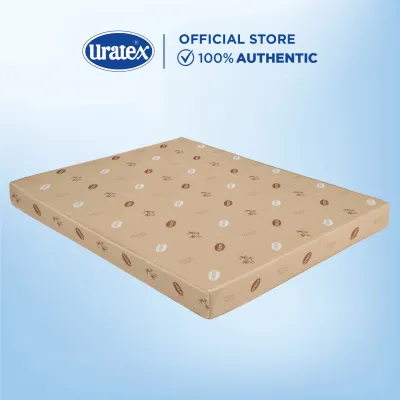
Standard polyurethane foam mattresses, such as entry-level Uratex foam models, provide excellent pressure relief and contouring but tend to trap body heat; they are best suited for well-ventilated or air-conditioned rooms. Ultimately, your room’s ventilation, air conditioning habits, and personal temperature sensitivity dictate which option will keep you cool and comfortable.
Comparing Uratex Foam, Latex, and Spring Mattresses for Heat and Humidity
The tropical climate presents unique challenges for bedding materials, as high temperatures and ambient humidity directly influence how a mattress regulates temperature. Airflow is the primary mechanism for heat dissipation in any mattress. Innerspring mattresses consist of steel coils surrounded by open space, allowing air to circulate freely with every movement you make during the night. This open-coil structure prevents heat from becoming trapped beneath your body, making it an excellent choice for non-air-conditioned spaces.
Products mentioned in this guide
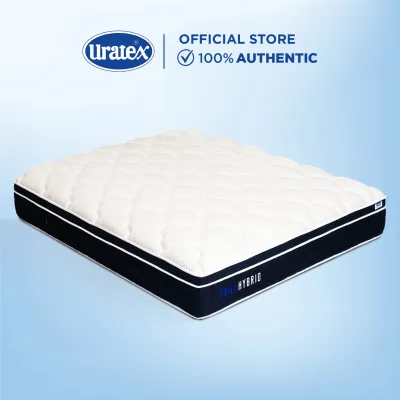
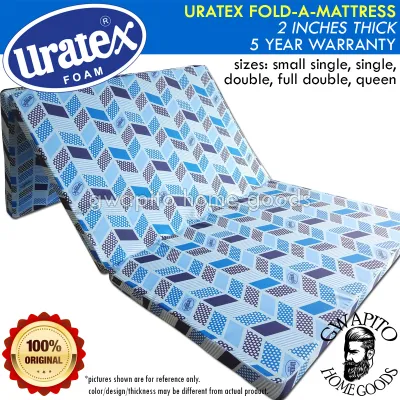
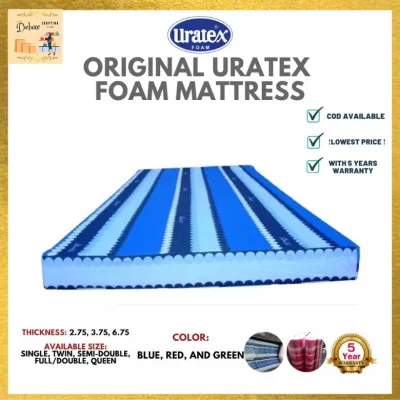
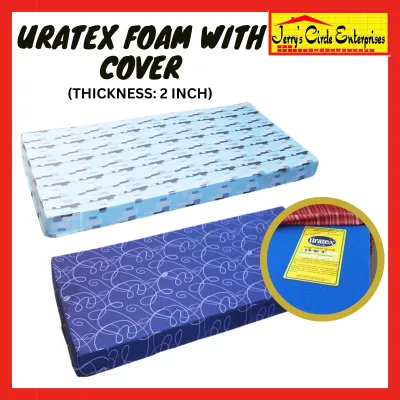

Prices are valid at publication and may change. Please refer to the product page for the latest price.

Latex mattresses, particularly those made from natural rubber sap, feature an open-cell molecular structure that does not retain heat the way synthetic materials do. Many latex manufacturers also incorporate pin core holes during the molding process, which further enhances ventilation by creating dedicated pathways for air to escape. In contrast, standard polyurethane foam mattresses, including basic Uratex models, have a denser, closed-cell structure. This density can restrict airflow, causing the material to absorb and retain body heat. However, advanced foam formulations may incorporate open-cell technology, convoluted designs, or cooling gel infusions to help mitigate heat retention.
Moisture management is another critical factor in humid environments. When you sleep, your body naturally releases moisture, which can accumulate in the mattress fibers and core if the humidity is high. This trapped moisture creates a breeding ground for mold, mildew, and dust mites. When evaluating mattresses, check the manufacturer’s specifications for moisture-wicking covers. Materials like bamboo-derived rayon, Tencel, or specialized performance knits are designed to pull moisture away from the body and dry quickly, helping to maintain a hygienic sleeping surface.
The combination of heat and humidity can also affect the structural integrity of mattress materials over time. High humidity can cause polyurethane foam to soften prematurely, leading to localized sagging and a loss of support. For spring mattresses, persistent moisture poses a risk of internal coil rust if the steel is not properly treated. To ensure long-term durability, inspect product labels for rust-resistant coil coatings and high-density foam ratings, which indicate a material’s ability to withstand tropical degradation.
Comfort and Support: Matching Mattress Types to Your Sleep Style
Beyond temperature regulation, your mattress must provide the correct balance of comfort, support, and pressure relief to ensure restful sleep. Foam mattresses, particularly memory foam and high-density polyurethane foam, excel at pressure relief. They conform closely to the shape of your body, distributing weight evenly and reducing pressure on sensitive areas like the shoulders, hips, and lower back. This contouring effect is highly beneficial for side sleepers, though the deep sinkage can sometimes make it feel more difficult to move or turn over.
Latex mattresses offer a distinctively different feel, characterized by responsiveness and buoyancy. Instead of sinking into the mattress, you sleep on top of it. This buoyant support keeps your spine aligned while allowing you to change sleeping positions effortlessly. Because you do not sink deeply into the material, less of your body surface is enveloped by the mattress, which naturally helps keep you cooler throughout the night.
Innerspring mattresses provide robust edge support and a traditional bouncy feel. The steel coil system dynamically distributes body weight, preventing the mattress from sagging when you sit or sleep near the edge. This structural stability is particularly helpful for individuals with mobility issues or those who prefer a solid, stable perimeter. However, traditional open-coil spring systems can transfer motion across the bed, which may disturb couples sharing a sleeping space.
For couples, motion isolation is a key consideration. Foam mattresses are highly effective at absorbing movement, ensuring that one partner’s tossing and turning does not wake the other. Latex also provides good motion isolation while retaining a touch of responsive bounce. If you prefer a spring mattress but want to minimize motion transfer, look for pocketed coil systems, where each spring is individually wrapped in fabric to compress independently.
Evaluating Price, Value, and Longevity
When shopping for a mattress, it is important to weigh the initial purchase price against the expected lifespan of the materials. Standard polyurethane foam mattresses, such as entry-level Uratex models, represent the most budget-friendly tier. They offer an accessible option for guest rooms, rental properties, or temporary living setups, though they may require more frequent replacement if subjected to heavy daily use in humid conditions.
Innerspring mattresses generally occupy a mid-to-high price range, depending on the complexity of the coil system. Pocketed coil models and hybrid designs that combine springs with foam comfort layers represent a significant investment but offer a balanced combination of airflow and support. Latex mattresses typically sit at the premium end of the market due to the intensive manufacturing process of natural rubber. However, high-quality latex is exceptionally durable and resistant to sagging, often outlasting synthetic foam alternatives and providing better long-term value.
To assess longevity before buying, examine the product specifications on the label. For foam mattresses, look for the density rating; higher density indicates more material and less air, which translates to better resistance against premature softening. For spring mattresses, check the coil gauge—lower numbers indicate thicker, stronger wire—and the total coil count. Additionally, verify the warranty terms and return policies. Ensure the warranty covers sagging below a specific depth and clarify whether moisture-related damage or mold voids the coverage, as these issues are common in tropical climates.
How to Maintain Your Mattress in a Hot and Humid Climate
Proper maintenance is essential to extend the life of your mattress and prevent the growth of mold, mildew, and unpleasant odors in a humid environment. Establish a routine of ventilating your mattress regularly. Every week, strip all sheets and bedding and allow the mattress to air out for several hours. Running a fan or opening windows to create cross-ventilation helps evaporate any moisture that has accumulated within the comfort layers.
Rotating your mattress 180 degrees every three to six months is also crucial. This practice ensures that body weight is distributed evenly over time, preventing localized sagging in the areas where you sleep most frequently. If your mattress is double-sided, consult the manufacturer’s instructions to determine if it should also be flipped periodically.
Protecting your investment requires a high-quality mattress protector. Select a protector that features a breathable, waterproof membrane, such as polyurethane, which blocks sweat and spills without trapping body heat. Avoid cheap, non-breathable plastic or PVC covers, as they will create a hot, noisy sleeping surface. Look for protectors with cotton, bamboo, or Tencel sleeping surfaces to maximize airflow.
While regular vacuuming can keep the surface free of dust and allergens, avoid saturating the mattress with water or liquid cleaners during spot-cleaning. Deep moisture is incredibly difficult to dry in humid weather and can lead to internal mold growth. If your mattress suffers from a major liquid spill, persistent musty odors, or structural sagging, stop DIY cleaning attempts and consult the manufacturer’s care guide or contact a professional mattress cleaning service.
Frequently Asked Questions (FAQ)
Does a cooling mattress topper help with a foam mattress in hot weather?
A cooling mattress topper can provide temporary relief by creating a more breathable barrier between your body and the dense foam underneath. Toppers infused with gel, graphite, or made from open-cell latex can help dissipate surface heat. However, if the underlying foam mattress lacks proper ventilation, heat may still accumulate over time. Always check the manufacturer’s specifications to ensure the topper is compatible with your mattress type and does not interfere with its supportive properties.
How can I tell if my mattress has mold or moisture damage?
Moisture damage often manifests as small, dark spots on the underside, seams, or fabric cover of the mattress. A persistent musty or earthy odor is another strong indicator of mold growth, even if no spots are visible. You may also notice that the foam feels unusually damp or has lost its structural resilience in certain areas. If you suspect mold, perform a visual inspection of the bottom of the mattress. If mold has penetrated deep into the core, discard the mattress immediately, as sleeping on it can pose respiratory risks.
Is a firm mattress better for airflow than a soft one?
Generally, yes. A firmer mattress prevents your body from sinking deeply into the comfort layers. When you sleep on top of the mattress rather than sinking into it, more of your body surface area remains exposed to the surrounding air, facilitating natural cooling. Soft mattresses wrap around your body, trapping heat in the immediate microclimate of your bed. However, you must balance this airflow benefit with your personal comfort and joint support needs, as an excessively firm mattress may cause pressure points for side sleepers.

Community discussion
Share your experience or ask a question. Comments are reviewed before publication.