
Sleeping comfortably in a tropical climate requires a mattress that actively manages heat and humidity. In the Philippines, where warm nights and high relative humidity are the norm, the material beneath you determines whether you wake up refreshed or drenched in sweat. While natural latex generally offers the highest inherent breathability among the three, standard polyurethane foam and memory foam can also provide comfortable sleep if you select the right specifications and setup.
Understanding how these materials interact with your body heat and the surrounding air is the first step toward a cooler night. By evaluating the physical structure of each material, checking key product specifications, and optimizing your bed frame, you can create a sleep environment that keeps you cool even without continuous air conditioning.
How Mattress Materials Trap or Release Heat
The thermal performance of any mattress depends heavily on its internal cellular structure. Polyurethane foam and memory foam are manufactured through chemical processes that create millions of tiny air cells. In closed-cell foam structures, these cells remain sealed, trapping air inside and preventing it from moving. When your body heat warms the mattress surface, this trapped air acts as an insulator, reflecting heat back to your body. Open-cell foams, by contrast, feature interconnected pathways that allow air to flow through the material, helping to dissipate heat when you move.
Products mentioned in this guide
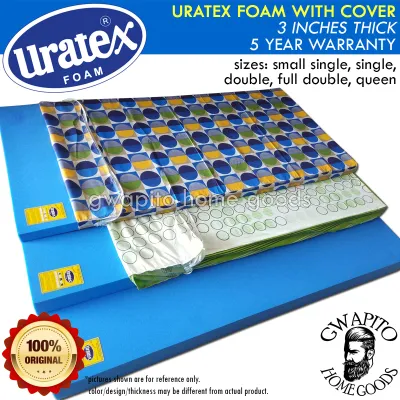
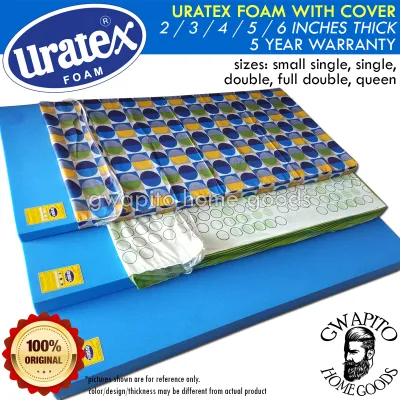
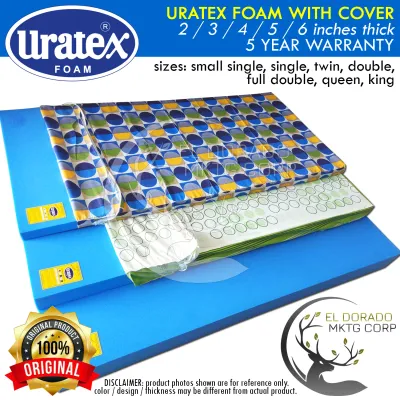
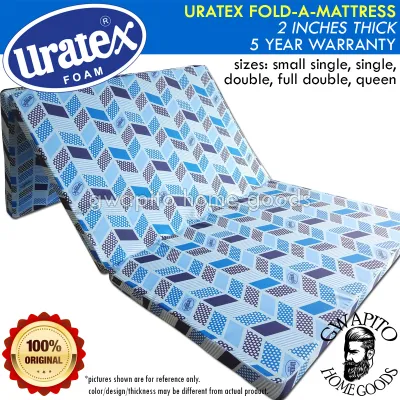
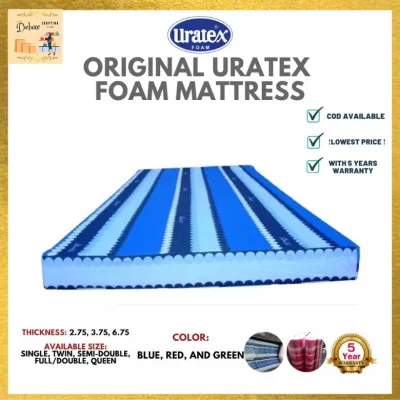

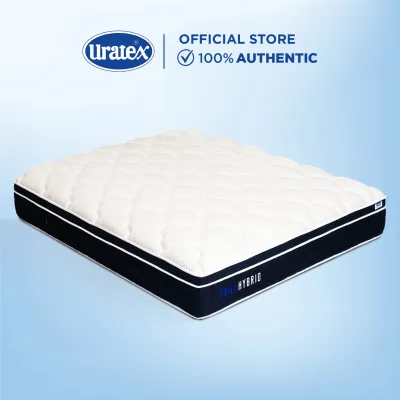
Prices are valid at publication and may change. Please refer to the product page for the latest price.
Material density also plays a critical role in temperature regulation. High-density foams contain more physical material per cubic foot, which provides excellent contouring and long-term support. However, this dense structure leaves less physical space for air to circulate, making high-density memory foam highly prone to heat retention. Low-density foams allow easier air passage because they are less compact, but they may soften or degrade more quickly when exposed to body sweat and high tropical humidity.
The mattress cover and quilting layers serve as the primary interface between your body and the support core. Even if a mattress has a highly breathable core, a tightly woven synthetic cover made of polyester can trap heat and moisture right against your skin. A breathable, moisture-wicking cover is essential to allow your body heat to reach the deeper, air-circulating layers of the mattress.
Uratex Foam vs Memory Foam vs Latex: Cooling Potential Compared
Evaluating the cooling potential of these three common mattress materials requires looking past marketing claims and focusing on their physical characteristics and how they perform in warm environments.

Standard polyurethane foam, widely recognized in the local market through classic Uratex models, offers a practical and highly accessible option. Because standard polyurethane foam is typically manufactured to be firm, it prevents your body from sinking deeply into the mattress. This “sleeping on top” position minimizes the surface area of your body in direct contact with the bed, allowing ambient air to circulate around you. While basic polyurethane foam does not possess active cooling properties, its firmness helps prevent the deep heat-trapping pockets associated with softer beds.
Memory foam, or viscoelastic foam, is engineered to soften in response to body heat and pressure, contouring closely to your shape. While this provides exceptional pressure relief for joints, it also creates a cradle that wraps around your body, trapping heat in the immediate sleeping area. Traditional memory foam is highly prone to running hot in tropical climates. To address this, manufacturers often introduce gel infusions, copper, or graphite to help conduct heat away from the body. When choosing memory foam, it is essential to verify these cooling specifications on the product label, as standard memory foam without these modifications can become uncomfortably warm.
Latex mattresses, whether made from natural rubber sap or synthetic blends, offer a highly resilient and naturally cool sleeping surface. Natural latex features an inherent open-cell structure that does not retain heat the way synthetic foams do. Additionally, during the manufacturing process, latex cores are molded using metal pins that leave a grid of vertical pinholes throughout the mattress. These pinholes act as natural ventilation channels, pumping warm air out and drawing cooler air in every time you shift positions. This makes latex the most naturally breathable option, though it typically requires a larger budget and is significantly heavier to move.
Essential Cooling Specifications to Check Before Buying
To ensure your mattress keeps you cool, you must look beyond the main material and verify several critical construction details before making a purchase.
First, examine the cover fabric specifications. Look for covers made from natural, breathable fibers such as organic cotton or bamboo-derived rayon, which excel at wicking away moisture in humid weather. Some mattresses feature specialized cool-touch covers woven with phase-change materials or cooling yarns. These fabrics can help lower the initial surface temperature, though their long-term cooling effect is most noticeable when paired with an air-conditioned room.
Second, evaluate the support core design and overall mattress dimensions. A hybrid mattress, which combines a top layer of foam or latex with a pocket spring support core, offers significantly better airflow than an all-foam mattress. The open spaces between the steel coils allow air to circulate freely, preventing heat from building up in the center of the bed. Additionally, consider the finished dimensions and weight of the mattress. Heavy latex or high-density foam mattresses require a stable, robust bed frame and can be difficult to maneuver through tight doorways, stairwells, or condominiums during delivery.
Third, verify your bed frame compatibility. Placing a breathable mattress on a solid plywood platform or a concrete base blocks air from escaping through the bottom, leading to heat and moisture buildup. To maximize the cooling potential of your mattress, pair it with a sturdy slatted bed frame. Check the manufacturer’s guidelines for recommended slat spacing—typically between two to three inches—to ensure the frame provides adequate support and stability without sagging, while still allowing continuous airflow underneath.
Which Mattress Material Fits Your Sleep Environment?
Selecting the ideal mattress material requires balancing your personal comfort preferences, budget, and the specific climate control of your bedroom.
Choose a natural latex mattress if you prefer a responsive, bouncy feel, prioritize eco-friendly materials, and have a flexible budget. Latex is highly durable and naturally resists the softening effects of tropical humidity. Its built-in pinhole ventilation system makes it an excellent choice for bedrooms that rely on natural ventilation or ceiling fans rather than continuous air conditioning.
Choose a modified memory foam mattress if you require deep pressure relief for joint pain or prefer a contouring, hugged sensation. If you select memory foam, you must verify that the product specifications include active cooling features like gel infusions or open-cell structures. Because memory foam relies on ambient air to dissipate the heat it absorbs, it is best suited for bedrooms equipped with air conditioning.
Choose standard polyurethane foam, such as classic firm Uratex models, if you are looking for a highly supportive, budget-friendly option. Opting for a firmer model will keep you resting on top of the mattress surface, reducing heat buildup. To enhance this setup, pair the mattress with high-quality, breathable cotton sheets and a slatted bed frame to encourage airflow.
Before finalizing your purchase, always assess your bedroom’s ambient temperature and ventilation. If your room lacks cross-ventilation or air conditioning, the air temperature will eventually warm any mattress surface. Optimizing your room’s airflow with fans and using moisture-wicking bedding are essential steps that work hand-in-hand with your mattress choice to ensure a cool night’s sleep.
Frequently Asked Questions (FAQ)
Does a mattress protector make a cooling mattress feel hotter?
Yes, a standard mattress protector can significantly reduce the cooling performance of your mattress. Many traditional waterproof protectors use a solid thermoplastic polyurethane (TPU) backing to block liquids. While highly effective at preventing stains, this solid plastic layer also completely blocks airflow, trapping your body heat and sweat directly beneath your sheets.
To maintain your mattress’s breathability, look for protectors specifically labeled as breathable or those made with moisture-wicking fabrics like bamboo-derived rayon or cotton terry. Some modern protectors use advanced microporous membranes that allow air molecules to pass through while still blocking larger liquid molecules, helping you protect your investment without sacrificing cooling comfort.
How can I improve the cooling of my existing foam mattress?
If you are not ready to replace your current mattress, you can make several practical adjustments to improve its temperature regulation. Start by replacing synthetic polyester bedsheets with 100% cotton, linen, or bamboo sheets, which allow heat and moisture to escape. You can also add a breathable mattress topper, such as a convoluted (egg-crate) foam topper or a thin natural latex topper, to create an insulating air gap between your body and the dense mattress core.
Additionally, ensure your mattress is elevated on a slatted bed frame rather than a solid platform to allow heat to escape from the bottom. Positioning a floor fan or ceiling fan to promote continuous air circulation across the bed surface will also help carry away trapped heat, significantly improving your sleeping comfort.

Community discussion
Share your experience or ask a question. Comments are reviewed before publication.