
Selecting the ideal mattress in a tropical country requires balancing physical support with temperature control. In the Philippines, where high ambient heat and heavy humidity persist throughout the year, your choice of mattress material directly impacts how cool and dry you sleep overnight. Generally, latex and innerspring mattresses stand out as the most effective options for dispersing heat and facilitating continuous airflow. Memory foam can still be a viable candidate, but its success largely depends on whether the specific model incorporates advanced cooling elements and if your bedroom is equipped with active air conditioning. When browsing the uratex official store ph or visiting local distributors, identifying the physical properties of these materials will help you make a comfortable, long-term investment for your bedroom.
Every mattress material interacts differently with body heat and moisture. While one material might offer excellent contouring support, it may trap heat and cause discomfort during warm nights. Conversely, a highly breathable material might lack the specific pressure relief you require for joint comfort. By evaluating how latex, innersprings, and memory foam perform under tropical conditions, you can select a mattress that aligns with your personal sleep preferences and your home’s ventilation setup.
Why the Philippine Climate Demands Specific Mattress Features
Sleeping comfortably in the Philippines requires a mattress that can handle both elevated temperatures and high relative humidity. During the summer months, nighttime temperatures often remain high, while the rainy season brings heavy moisture that can linger indoors. When the air is saturated with humidity, the body’s natural cooling mechanism—the evaporation of sweat—becomes less efficient. If your mattress surface traps heat and moisture against your skin, your core body temperature remains elevated, leading to shallow, restless sleep and frequent nighttime awakenings.
Products mentioned in this guide
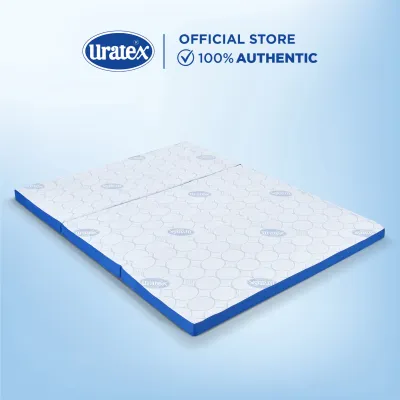
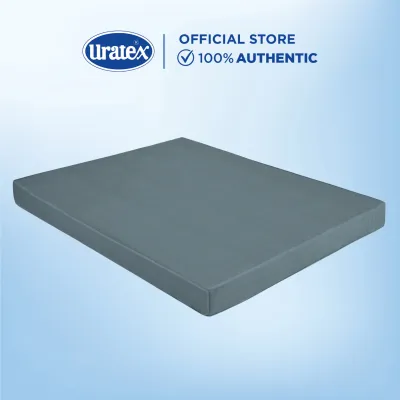
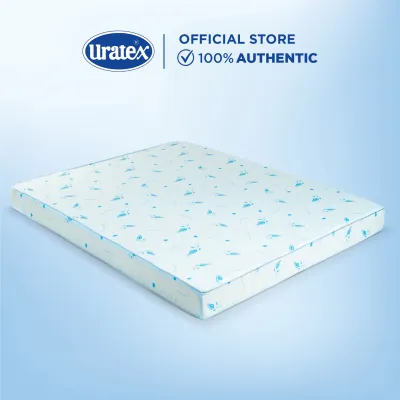
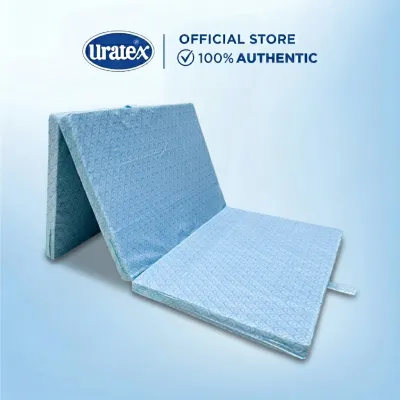
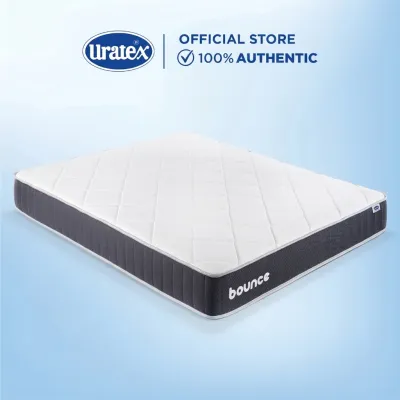
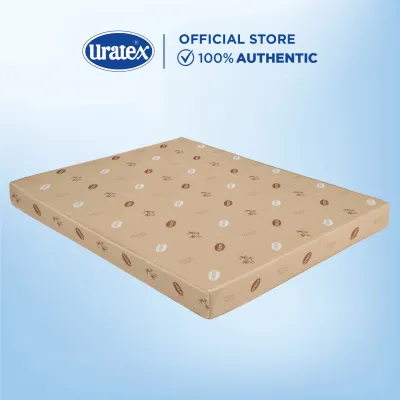
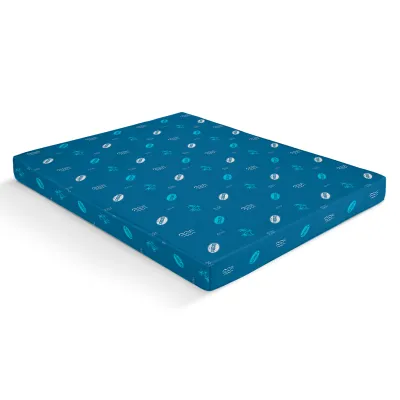
Prices are valid at publication and may change. Please refer to the product page for the latest price.
Beyond immediate sleep comfort, persistent humidity poses a significant threat to the structural integrity and hygiene of your bedding. Moisture from sweat and ambient air can easily seep into mattress layers, creating an ideal breeding ground for mold, mildew, and dust mites. These allergens thrive in warm, damp environments, potentially causing respiratory issues or skin irritation over time. A mattress that lacks adequate ventilation will retain this moisture, leading to unpleasant odors and premature softening of the support layers.
To counter these environmental challenges, a tropical-friendly mattress must prioritize specific performance criteria. Breathability is the most critical factor, as it allows warm air to escape rather than pooling beneath your body. Moisture-wicking capabilities in the cover fabric help draw sweat away from the skin, accelerating evaporation. Structural airflow within the core support system ensures that heat is dissipated continuously throughout the night. Finally, ease of maintenance is essential, as mattresses in humid climates require regular airing out and cleaning to remain hygienic.
Uratex Latex Mattresses: Natural Breathability and Humidity Resistance
Latex mattresses are highly regarded for their natural resilience and open-cell structure, making them an excellent match for tropical climates. Unlike synthetic foams that consist of closed, heat-trapping pockets, latex foam contains millions of tiny, interconnected passages. During the manufacturing process, latex is typically molded with a pinhole design—a pattern of vertical channels running through the core. This structural design acts as a built-in ventilation system, allowing air to circulate freely every time you move or shift positions on the bed.

This continuous air circulation prevents heat from accumulating in the core of the mattress, helping to maintain a neutral surface temperature. For sleepers who do not use air conditioning overnight, a latex mattress offers a noticeably cooler surface compared to traditional polyurethane foams. The rapid heat dissipation ensures that even when ambient room temperatures are warm, the mattress does not actively radiate heat back toward your body, allowing for more consistent sleep cycles.
In addition to temperature regulation, latex possesses inherent properties that resist the common hazards of humid climates. It is naturally hypoallergenic and highly resistant to dust mites, mold, and mildew. Because these organisms require stagnant moisture to grow, the combination of latex’s dry microclimate and its natural composition makes it difficult for allergens to establish a foothold. This makes latex an exceptionally hygienic choice for homes located in coastal areas or regions prone to heavy rainfall and high humidity.
However, latex mattresses do have specific physical characteristics that you should consider before purchasing. They are significantly heavier and denser than standard foam or innerspring models, which can make setup, rotation, and regular cleaning more physically demanding. When planning your purchase, it is important to verify the exact composition of the mattress. You should check the product label or consult the manufacturer to determine whether the model uses natural, synthetic, or blended latex, as natural latex generally offers superior breathability and durability compared to fully synthetic alternatives.
Uratex Innerspring Mattresses: Maximum Airflow and Traditional Support
Innerspring mattresses utilize a support core constructed from steel coils, a design that inherently provides the highest level of airflow among all mattress types. Because the core of an innerspring mattress is mostly empty space, there are no solid barriers to block air movement. As you move during sleep, the bellows effect naturally pushes warm air out of the sides of the mattress and draws cooler ambient air in, keeping the internal temperature of the bed remarkably low.
This open structure makes innerspring models highly effective at managing both heat and humidity. Any moisture that penetrates the outer cover can quickly evaporate due to the constant internal air movement, reducing the risk of internal mold growth. For hot sleepers who reside in naturally ventilated rooms, the high rate of heat dissipation provided by a coil system offers a reliable way to stay dry and comfortable without relying heavily on electric fans or air conditioning units.
Despite the cooling benefits of the steel coils, the overall thermal performance of an innerspring mattress is heavily influenced by its comfort layers. The comfort layer—which may consist of a pillow top, Euro top, or quilted fabric cover—sits directly beneath your body. If this layer is made of thick, dense, unventilated foam, it can trap heat right at the surface, effectively neutralizing the airflow benefits of the coils below. When evaluating innerspring models, it is crucial to look for comfort layers that feature breathable knit fabrics, moisture-wicking fibers, or aerated foam layers designed to facilitate heat transfer.
Another significant advantage of innerspring systems is their robust edge support. Many models feature reinforced steel borders or high-density foam encasements around the perimeter. This structural stability prevents the edges from sagging when you sit or sleep near the side of the bed. By maintaining a flat, stable sleeping surface right to the very edge, you can utilize the entire width of the mattress. This extra space allows couples to sleep further apart, reducing shared body heat and helping both individuals stay cooler throughout the night.
Uratex Memory Foam Mattresses: Contouring Comfort vs. Heat Retention
Memory foam, or viscoelastic foam, is celebrated for its ability to contour closely to the body, providing exceptional pressure relief for the shoulders, hips, and lower back. However, the physical mechanism that allows memory foam to perform this contouring action is also the source of its primary challenge in tropical climates. Memory foam relies on body heat to soften and conform to your shape. As it absorbs your warmth, the foam molds around you, creating a deep cradle that can restrict air movement around your skin.
In a warm and humid environment, this close contouring can lead to a sensation of “sleeping hot.” Because the foam hugs your body closely, there is less exposed skin surface area available for natural convective cooling. Traditional memory foam also features a dense, closed-cell structure that tends to trap heat and moisture within the material. Without sufficient airflow, the heat accumulated from your body remains trapped in the comfort layer, gradually warming the mattress surface as the night progresses.
To address these heat-retention issues, modern memory foam designs incorporate various cooling technologies. Many manufacturers introduce gel infusions, copper infusions, or open-cell formulations into the foam mixture. Gel-infused memory foam, for example, utilizes microscopic gel beads designed to absorb initial heat and conduct it away from your body. Open-cell memory foam features a more porous structure that allows air to pass through more easily than traditional dense formulations, helping to mitigate the warming effect.
While these cooling technologies provide a noticeable improvement over traditional memory foam, they are not a substitute for active room ventilation. Infused gels eventually reach thermal equilibrium with your body heat, meaning their cooling effect is temporary. Therefore, memory foam mattresses are highly recommended for bedrooms that are consistently cooled with active air conditioning. In a temperature-controlled room, the ambient air keeps the memory foam cool, allowing you to enjoy its pressure-relieving benefits without experiencing uncomfortable heat buildup.
Side-by-Side Comparison: Latex vs. Innerspring vs. Memory Foam
To help you visualize how these three materials compare under tropical conditions, the table below evaluates each option across key environmental and practical performance dimensions. These evaluations represent general material characteristics and structural designs.
| Performance Dimension | Latex Mattresses | Innerspring Mattresses | Memory Foam Mattresses |
|---|---|---|---|
| Airflow & Breathability | High (due to open-cell and pinhole design) | Excellent (due to open coil core structure) | Low to Moderate (depending on cooling infusions) |
| Moisture & Mold Resistance | High (naturally resistant to dust mites and mold) | Moderate to High (excellent internal evaporation) | Low to Moderate (requires protective barrier) |
| Heat Retention Risk | Low (dissipates heat quickly) | Low (minimal heat trapping in the core) | High (softens and traps heat around the body) |
| Maintenance Effort | Moderate to High (heavy material to rotate) | Moderate (requires regular rotation) | Low to Moderate (lighter weight, easy to handle) |
| Best Suited For | Hot sleepers wanting resilient, natural support | Sleepers seeking maximum airflow and bounce | Side sleepers in air-conditioned bedrooms |
Note: Actual mattress performance will vary based on the specific model’s construction, the quality of the raw materials, the thickness of the comfort layers, and the manufacturer’s exact specifications. Always check the product details provided by the manufacturer before finalizing your purchase.
Decision Framework: Choosing the Right Uratex Mattress for Your Home
When selecting a mattress from the uratex official store ph, matching the material characteristics to your specific home environment and physical needs will ensure long-term satisfaction. Use the following structured guidelines to determine which option fits your lifestyle:
- Choose Latex if: You want a highly responsive, buoyant sleeping surface that does not sink excessively. This material is ideal if you sleep in a naturally ventilated room with a ceiling fan, appreciate natural resistance to common allergens like dust mites, and prefer a durable, eco-friendly material that maintains a neutral temperature without relying on active air conditioning.
- Choose Innerspring if: You prioritize maximum airflow, traditional bounce, and robust edge support. This option is highly suitable for hot sleepers who want to minimize heat retention at an affordable to mid-range price point. It is also an excellent choice for couples who want to maximize their usable sleeping space and minimize the transfer of shared body heat.
- Choose Memory Foam if: You require deep pressure relief for joint pain, prefer a contouring hug that cradles your body, and sleep in a bedroom that is consistently cooled with an air conditioning unit. Ensure you select a model that explicitly features cooling technologies, such as gel infusions or open-cell structures, to help manage initial heat retention.
Before making your final decision, take the time to verify the physical logistics of your purchase. Measure your bed frame, room dimensions, and doorways to ensure the mattress can be delivered and installed without difficulty, particularly if you are choosing a heavy latex model. Check the manufacturer’s warranty terms and trial periods to understand your coverage. When possible, visit an authorized physical showroom to test the firmness levels and material response in person, ensuring the model you choose matches your comfort expectations.
Frequently Asked Questions (FAQ)
Do I need a specific bed frame to prevent mold in a humid climate?
Yes, using a slatted bed frame is highly recommended in humid climates to prevent moisture accumulation. Slatted foundations feature open gaps that allow air to circulate freely beneath the mattress, helping to dry out any moisture that filters down from the surface. Avoid placing your mattress directly on the floor or on a solid, unventilated platform. In a tropical climate, solid surfaces trap sweat and humidity inside the bottom layers of the mattress, creating a damp environment that significantly increases the risk of mold and mildew growth.
How should I maintain my mattress to manage humidity and sweat?
To manage humidity and sweat, rotate your mattress head-to-foot every three to six months to ensure even wear and allow different areas of the surface to air out. Use a breathable, waterproof mattress protector to shield the internal layers from sweat and moisture without trapping body heat. On dry, sunny days, strip the bedding and allow the mattress to air out near an open window with good ventilation. Always refer to the manufacturer’s care label for specific cleaning instructions, and avoid using harsh chemical cleaners or saturating the foam with water, as excess moisture can degrade the internal materials.

Community discussion
Share your experience or ask a question. Comments are reviewed before publication.