
Sleeping comfortably during hot, humid tropical nights requires a mattress that actively manages heat and moisture. While innerspring mattresses generally offer the most inherent airflow due to the open space between their metal coils, the actual cooling performance of any mattress—including the Uratex Siesta—depends on specific manufacturer specifications like foam density, cover materials, and integrated cooling technologies. Before making a purchase, it is essential to verify these details to ensure the mattress matches your local sleeping environment and personal comfort preferences.
In the Philippines, where high humidity and warm temperatures persist year-round, choosing the right mattress construction can make a significant difference in sleep quality. Traditional polyurethane foam, natural or synthetic latex, and innerspring systems all interact with body heat in distinct ways. Understanding these differences allows you to make an informed decision that balances support, comfort, and temperature regulation.
How Foam, Latex, and Innerspring Mattresses Handle Heat
The physical construction of a mattress dictates how effectively it can dissipate the heat your body radiates throughout the night. Innerspring mattresses are structurally designed with a network of metal coils, creating a largely hollow core. This open design allows air to circulate freely with every movement you make, helping to prevent heat from becoming trapped beneath the comfort layers. Because air can flow horizontally and vertically through the coil system, innerspring models naturally excel at maintaining a neutral temperature.
Products mentioned in this guide
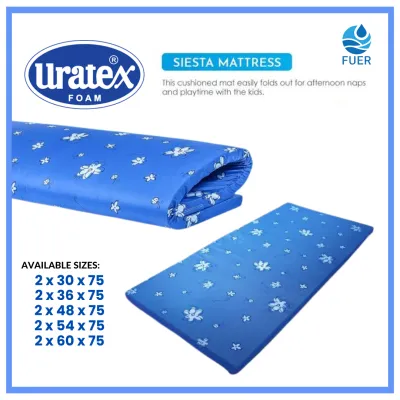

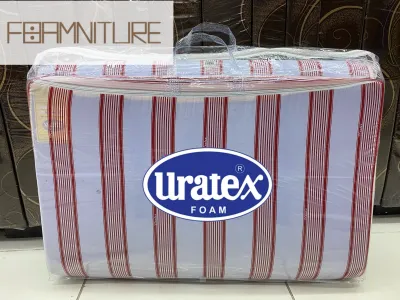
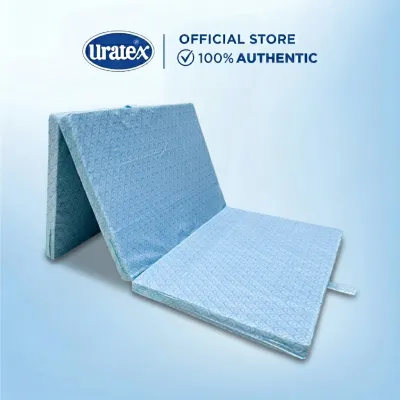
Prices are valid at publication and may change. Please refer to the product page for the latest price.
Latex mattresses handle heat through a different physical mechanism, relying on material breathability rather than open space. Natural latex is derived from rubber tree sap and is manufactured with a series of small, vertical pinholes created during the molding process. These pinholes allow air to pass through the core of the mattress, while the cellular structure of the latex itself does not retain heat as intensely as synthetic alternatives. Synthetic latex, while still utilizing pinholes, may have slightly lower breathability depending on the specific polymer blend used by the manufacturer.
Traditional polyurethane foam, which is the primary material in many standard foam mattresses, has a dense, closed-cell structure that naturally tends to retain heat. When you lie on standard foam, your body heat is absorbed by the material, which can cause the mattress to warm up and conform closely to your shape. The density of the foam plays a critical role here; higher-density foams offer excellent support and durability but contain more material mass to absorb and hold heat. Lower-density foams may allow slightly more airflow but can degrade faster under the combined effects of body weight, heat, and tropical humidity.
Assessing the Uratex Siesta for Tropical Nights
To evaluate how the Uratex Siesta model performs during warm tropical nights, you must look closely at its specific manufacturing details and material composition. The Uratex Siesta is a popular foam mattress option, often chosen for its portability, space-saving design, and affordability. Because it is primarily a polyurethane foam construction, assessing its cooling potential requires checking the official product specifications for any integrated cooling features. Look for indicators such as open-cell foam technology, which allows more air to pass through the foam matrix compared to traditional closed-cell designs.

The cover material of the Uratex Siesta is another critical factor in determining how cool the mattress feels against your skin. A breathable, lightweight fabric cover helps draw moisture away from your body and allows air to reach the underlying foam. When inspecting the mattress or reading its product label, check if the cover is made from breathable cotton blends, specialized cooling yarns, or thin synthetic knits that promote ventilation. Thick, tightly woven polyester covers can act as a barrier, trapping heat and moisture directly against your body.
Additionally, the thickness and firmness level of the Siesta model influence how much heat you will experience. A softer, thicker foam mattress allows your body to sink deeper into the material, wrapping the foam around your sides and trapping heat along a larger surface area. A firmer, thinner profile keeps your body positioned on top of the mattress surface, maximizing the skin area exposed to room airflow. When selecting a Uratex Siesta, consider how your body weight interacts with the firmness level to ensure you do not sink so deeply that heat dissipation is compromised.
Evaluating Latex and Innerspring Alternatives
When comparing foam mattresses to latex and innerspring alternatives, understanding the manufacturing variations within those categories helps clarify their cooling potential. For instance, latex mattresses are generally produced using either the Dunlop or Talalay process. Dunlop latex is denser and settles more at the bottom, making it highly supportive but slightly less breathable than Talalay latex. Talalay latex undergoes a vacuum and flash-freezing process that creates a highly consistent, open-cell structure, resulting in superior airflow and a lighter, springier feel that is highly effective at dissipating heat.
Innerspring mattresses also vary significantly in their cooling efficiency based on coil design and structural components. Pocketed coils, which are individually wrapped in fabric sleeves, offer excellent motion isolation but have slightly less open space than traditional open-coil (Bonnell) systems. However, both types far outperform solid foam in terms of ventilation. The gauge of the steel coils and the overall coil count determine the support and airflow, while the foam used for edge support can sometimes restrict lateral airflow if it is too thick and solid.
A common pitfall with both latex and innerspring mattresses is the presence of thick, dense comfort layers on top of the supportive core. Many high-end innerspring mattresses feature thick pillow-tops or euro-tops filled with dense memory foam or synthetic fibers. Even if the underlying coil system has excellent airflow, a thick, non-breathable comfort layer can trap heat right next to your body, neutralizing the cooling benefits of the springs. When evaluating alternatives, always check the material composition of the top comfort layers to ensure they match the breathability of the core.
External Factors That Influence Sleep Temperature
While the mattress material is highly important, several external factors in your bedroom environment play an equally significant role in how hot or cool you sleep. The design of your bed base is a primary variable that is often overlooked. Placing a foam or latex mattress on a solid wooden platform or a concrete slab blocks all downward airflow, trapping heat and moisture within the bottom layers of the mattress. Using a slatted bed frame with adequate spacing between the slats allows air to circulate underneath the mattress, helping to cool the entire system and prevent moisture buildup.
The ambient conditions of your bedroom also dictate how well your mattress can dissipate heat. In a room with active air conditioning, the ambient temperature is lowered, allowing even traditional foam mattresses to remain relatively cool to the touch. However, if you rely primarily on ceiling fans or wall-mounted fans, the mattress must rely on passive ventilation. High humidity levels in the Philippines can make the air feel heavy and reduce the rate of sweat evaporation, making highly breathable mattress materials like latex or innersprings much more comfortable than dense foam in non-air-conditioned rooms.
Finally, the accessories you place on top of your mattress can completely alter its thermal performance. Using a thick, waterproof mattress protector made from non-breathable polyurethane laminate can create a hot, sweaty sleeping surface, regardless of how cool the mattress underneath is designed to be. Similarly, high-thread-count sheets made from synthetic polyester or microfiber tend to trap heat and moisture. Opting for breathable, natural fiber sheets such as cotton, linen, or bamboo, and choosing water-resistant protectors with breathable membranes, will help maintain the cooling properties of your mattress.
Decision Guide: Choosing the Right Mattress for Your Sleep Style
To choose the right mattress for your home, you must weigh your personal comfort preferences against the thermal properties of each material. If you prefer the contouring, pressure-relieving feel of foam and are looking for a budget-friendly or space-saving option, the Uratex Siesta can be an excellent choice. To ensure it stays cool, verify that you select a model with a breathable cover, or plan to pair it with high-quality cotton sheets and a well-ventilated slatted bed frame. This combination helps mitigate the natural heat-retention tendencies of polyurethane foam.
If you want a highly responsive, durable, and naturally breathable mattress, latex is an excellent alternative. Latex provides a buoyant feel that keeps you lifted on top of the bed rather than sinking into it, which naturally keeps you cooler. It is highly suitable for sleepers who want a balance of pressure relief and temperature regulation without the synthetic feel of traditional foam. Ensure you check whether the latex is natural or synthetic, as natural latex generally offers better long-term breathability and resilience in tropical climates.
For those whose primary concern is maximum airflow and heat dissipation, an innerspring mattress remains the traditional standard. The open coil structure provides unmatched ventilation, making it highly effective for rooms without air conditioning or for individuals who naturally sleep very hot. When choosing an innerspring, look for models with minimal or highly breathable comfort layers on top to avoid trapping heat. Before purchasing, always verify that your current bed frame can support the weight of an innerspring mattress and that your bedroom layout allows for proper air circulation.
Frequently Asked Questions (FAQ)
Does a cooling mattress topper help a foam mattress sleep cooler?
A cooling mattress topper can provide temporary surface relief, but its effectiveness is limited by the underlying mattress. If you place a thin cooling topper on a thick, dense foam mattress that traps heat, the topper may eventually absorb your body heat and warm up as well. To get the most benefit, look for toppers made from highly breathable materials like open-cell latex, wool, or specialized phase-change fabrics, and ensure your bed base allows for adequate overall ventilation.
How often should I rotate my mattress to maintain airflow and shape?
Rotating your mattress regularly helps distribute wear evenly, preventing deep body indentations that can trap heat over time. For most foam, latex, and innerspring mattresses, rotating the bed 180 degrees every three to six months is a standard recommendation. Always check the manufacturer’s specific care instructions, as some specialized mattresses with zoned support systems or one-sided designs may have unique rotation requirements.
Are cooling gel mattresses effective in humid tropical climates?
Cooling gel-infused foams work by absorbing heat from your body when you first lie down, providing a cool sensation initially. However, in high-humidity tropical climates, the gel can eventually reach thermal equilibrium with your body temperature if there is no active airflow to carry the heat away. To make a gel mattress effective throughout the night, it should be paired with a highly breathable cover, a slatted bed frame, and active room cooling like a fan or air conditioner.

Community discussion
Share your experience or ask a question. Comments are reviewed before publication.