
Sleeping comfortably in the tropical climate of the Philippines requires careful consideration of your bedding materials. High humidity and elevated nighttime temperatures can turn a standard foam mattress into a heat trap, disrupting your sleep cycle and leaving you feeling fatigued. When selecting a single foam bed from Uratex, the key to staying cool lies in understanding how different foam structures, densities, and cover fabrics interact with body heat and ambient moisture. By focusing on open-cell configurations, breathable textiles, and appropriate thickness levels, you can find a single mattress that provides both supportive comfort and excellent ventilation throughout the night.
Quick Selection Criteria for Hot Sleepers
To quickly identify a cooling single foam mattress, you must look past basic marketing terms and focus on specific material specifications. The primary goal for a hot sleeper is to maximize airflow and minimize the surface area of the body that sinks deeply into the foam, as deep sinking traps heat around your limbs.
When browsing options, prioritize the following key product indicators:
Products mentioned in this guide
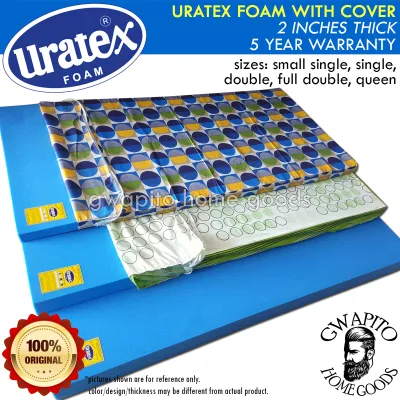
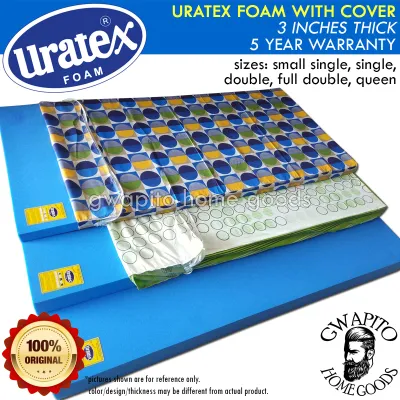
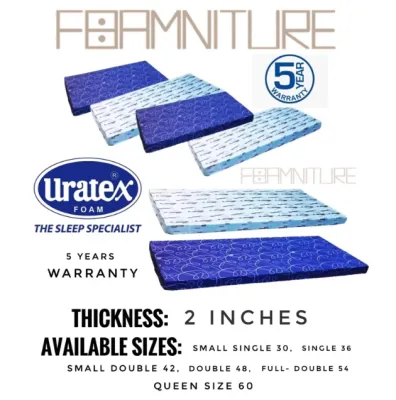
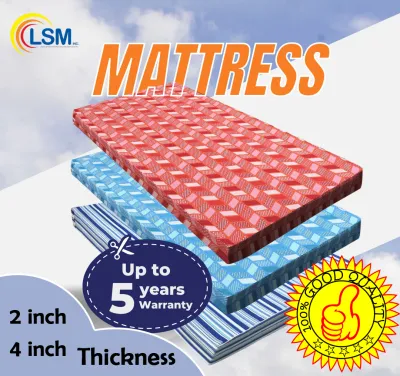
Prices are valid at publication and may change. Please refer to the product page for the latest price.
- Open-Cell Foam Structure: Unlike closed-cell foams which lock air inside tiny pockets, open-cell foams feature interconnected pathways that allow air to escape when compressed by your body weight.
- Gel-Infused Layers: Look for foam formulations that incorporate cooling gel beads or swirls. These elements help absorb initial body heat and distribute it away from the sleeping surface.
- Breathable Cover Fabrics: The mattress cover is your first point of contact. Select models featuring covers made from natural fibers like cotton or bamboo-derived rayon, or specialized knit fabrics designed for moisture-wicking.
- Firmness Level: A medium-firm to firm mattress is generally better for hot sleepers. It keeps your body positioned on top of the mattress rather than letting you sink in, which maintains optimal air circulation around your skin.
Avoid mattresses that feature thick, unventilated layers of traditional memory foam or heavy synthetic polyester covers without airflow channels. These materials act as thermal insulators, reflecting your own body heat back to you and causing discomfort during warm, humid nights.
Comparing Foam Materials for Breathability
Understanding the physical properties of different foam types allows you to make an informed decision based on how they manage heat and moisture. Manufacturers use various chemical formulations and processing methods to create distinct foam categories, each with unique performance characteristics.

Standard polyurethane foam, often referred to as polyfoam, is the most common material found in entry-level single mattresses. It is highly versatile and lightweight. High-quality polyfoam can be manufactured with a highly porous, open-cell structure that offers decent breathability. However, low-density polyfoam tends to soften and sag quickly under regular use, which eventually leads to deeper body contouring and increased heat retention over time.
Memory foam, or viscoelastic foam, is highly regarded for its pressure-relieving capabilities as it contours closely to the shape of your body. However, traditional memory foam is notorious for trapping heat because its dense structure restricts airflow, and it relies on body heat to soften. To address this issue in tropical climates, manufacturers offer advanced variations such as gel-infused memory foam or open-cell memory foam. These modifications help mitigate heat buildup, but they still require a highly breathable outer cover to function effectively.
Latex foam, whether natural, synthetic, or a blend, is inherently more breathable than polyurethane and memory foams. It features a natural open-cell structure and is typically manufactured with pincore ventilation holes that run vertically through the mattress. Latex is also highly responsive, providing an “on-top” sleeping sensation that prevents you from sinking and trapping heat. While latex and latex-alternative options generally carry a higher price point, their superior ventilation and durability make them highly suitable for humid environments.
To verify these cooling claims, always inspect the product’s law tag, specification sheet, or official manufacturer documentation. Look for explicit mentions of “open-cell technology,” “ventilated design,” or certified breathable materials rather than relying solely on generic product names.
Choosing the Right Thickness and Density
Selecting the appropriate thickness and density for your single foam mattress is a balancing act between physical support, durability, and temperature regulation. A mattress that is too thick or dense can restrict airflow, while one that is too thin may fail to support your body properly, leading to discomfort.
Thicker mattresses, such as those measuring 8 inches or more, contain a larger volume of foam material. In a warm room, this larger mass can absorb and retain a significant amount of body heat over several hours, making the bed feel progressively warmer as the night goes on. For a standard single bed, which typically measures 36 inches by 75 inches, a thickness of 4 to 6 inches is often the sweet spot. This range provides sufficient cushioning and support for individual sleepers without accumulating excessive thermal mass.
Foam density, measured in pounds per cubic foot or kilograms per cubic meter, directly correlates with durability and support. High-density foam is highly resistant to sagging and maintains its structural integrity for years. However, because high-density foam contains more material and fewer air pockets per unit of volume, it can naturally restrict airflow more than low-density foam.
To resolve this conflict, look for high-density mattresses that utilize smart structural designs:
- Convoluted Foam: Often called egg-crate foam, this design features a wavy surface that creates built-in air channels. These channels allow air to flow freely beneath the sleeper, even under compression.
- Multi-Layered Construction: Some mattresses combine a supportive, high-density base foam with a thinner, highly breathable comfort layer on top. This configuration provides the durability of high-density foam while keeping the sleeping surface cool.
Your body weight and preferred sleeping position should guide your final choice. Side sleepers generally require a slightly softer comfort layer to relieve pressure on the shoulders and hips, while back and stomach sleepers benefit from a firmer surface that keeps the spine aligned and prevents deep sinking.
Building Your Shortlist and Verifying Specifications
Before making a purchase, it is essential to establish a systematic verification process to ensure the mattress fits your bed frame, supports your weight, and meets your cooling expectations. Do not rely on generalized recommendations; instead, verify the physical specifications of each model on your shortlist.
Start by measuring your existing bed frame or base. In the Philippines, a standard single mattress measures 36 inches wide by 75 inches long (approximately 91 cm by 190 cm). Ensure your frame matches these dimensions precisely. An ill-fitting mattress that overhangs the frame or is squeezed into a tight space can suffer from structural damage, compressed edges, and restricted airflow along the sides.
When visiting a retail showroom or consulting an online customer service representative, ask the following targeted questions:
- What is the exact composition of the mattress cover? Prioritize covers made from natural fibers, such as cotton or bamboo-derived rayon, or specialized cooling knits. Avoid covers that are 100% polyester unless they feature a certified moisture-wicking treatment.
- Does the foam carry any safety or environmental certifications? Look for certifications such as CertiPUR-US, which verify that the foam is manufactured without harmful ozone depleters, heavy metals, or formaldehyde, and has low volatile organic compound (VOC) emissions for indoor air quality.
- What is the recommended weight capacity for this single model? Ensure the mattress density is rated to support your body weight comfortably without bottoming out or causing excessive compression that traps heat.
Additionally, carefully review the manufacturer’s warranty terms and return policies. A reliable warranty should cover abnormal sagging or permanent indentations (typically defined as a visible dip of 1 inch or more) that occur under normal use. If purchasing online, verify if there is a trial period and understand the exact terms for returns, as returning a compressed foam mattress can be logistically challenging.
Maintaining Airflow and Mattress Longevity
Even the most advanced cooling foam mattress cannot perform optimally if it is poorly maintained or paired with restrictive bedding accessories. Implementing a consistent care routine will preserve the foam’s breathability and extend its overall lifespan.
Your choice of bedding plays a critical role in temperature regulation. Always pair your mattress with sheets made from natural, breathable fibers such as long-staple cotton, linen, or bamboo. These materials allow air to pass through easily and help wick moisture away from your skin. Avoid high-thread-count synthetic sheets, which are tightly woven and trap warm air. If you use a mattress protector, select a breathable, water-resistant model that shields the foam from sweat and humidity without creating a solid plastic barrier that blocks airflow.
Proper room ventilation is essential for preventing moisture buildup within the foam. In humid tropical environments, foam can absorb moisture from the air, which leads to a damp sleeping surface, unpleasant odors, and the growth of mold or mildew. Keep your bedroom well-ventilated by using ceiling fans, standing fans, or air conditioning to lower ambient humidity and promote continuous air circulation.
To ensure even wear and maintain consistent support, establish a regular rotation schedule. Rotate your single mattress 180 degrees (head-to-toe) every three to six months. This practice prevents localized sagging and deep body impressions, which are primary causes of heat trapping. If your mattress is designed to be double-sided, flip it over periodically in accordance with the manufacturer’s care instructions.
Frequently Asked Questions (FAQ)
Do I need a mattress topper if my foam bed feels too hot?
A mattress topper can be a highly effective, cost-efficient solution if your current single foam bed is still structurally sound but lacks adequate temperature regulation. When selecting a topper for cooling, prioritize materials known for high breathability, such as ventilated natural latex, gel-infused open-cell memory foam, or convoluted polyurethane foam. Ensure the topper is encased in a breathable cover made from cotton or bamboo fabric. However, if your existing mattress is already sagging, soft, or deeply indented, adding a topper will not resolve the underlying support issues. A topper will simply conform to the sag, failing to provide proper spinal alignment and continuing to trap heat. In this scenario, replacing the mattress entirely is the most practical and comfortable option.
How can I tell if a foam mattress is retaining too much moisture?
In humid climates, foam mattresses can accumulate moisture from sweat and ambient humidity. Common signs of moisture retention include a damp or clammy sensation when you touch the mattress surface, a persistent musty or sour odor, or the appearance of small dark spots (mildew) on the fabric cover or the underside of the mattress. To check for hidden moisture, periodically lift the mattress and inspect the bottom surface where it meets the bed base. If you detect dampness, immediately strip all bedding and prop the mattress upright in a well-ventilated room. Use a standing fan or a dehumidifier to dry the foam thoroughly. Avoid exposing the mattress to direct, intense sunlight for extended periods, as UV rays and extreme heat can degrade the molecular structure of certain foams. If mold growth is extensive or has penetrated deep into the foam core, consult the manufacturer’s cleaning guidelines or consider replacing the mattress to maintain a healthy sleep environment.
Is a single foam mattress suitable for two people occasionally?
A standard single foam mattress is specifically engineered and sized to support one individual sleeper. While it may physically accommodate two people for short, occasional periods, doing so regularly is not recommended. Exceeding the manufacturer’s weight capacity causes the foam to compress excessively, which eliminates the air pockets needed for ventilation and results in severe heat trapping. Furthermore, the concentrated weight of two people accelerates foam fatigue, leading to premature sagging, loss of support, and potential damage to the mattress edges. Overloading the mattress can also void the manufacturer’s warranty. Always verify the official weight limits of your specific mattress model to ensure safe, comfortable, and long-lasting use.

Community discussion
Share your experience or ask a question. Comments are reviewed before publication.