
Finding the right single mattress for a bedroom in the Philippines involves balancing personal comfort with the realities of a hot, humid climate. There is no single “best” Uratex single mattress material that universally outperforms the rest; instead, the ideal choice depends on your specific sleep habits, sensitivity to heat, and budget. Each material—latex, spring, and memory foam—interacts differently with body heat and room humidity, making it essential to understand their distinct characteristics before making a purchase.
Selecting a mattress is a long-term investment in your sleep quality. A single mattress size is highly versatile, fitting neatly into studio apartments, guest rooms, or shared bedrooms, but its compact footprint means heat and moisture can accumulate quickly if the material does not suit your sleeping environment. By evaluating how these three core materials perform under tropical conditions, you can make an informed decision that ensures cool, supportive, and restful nights.
This guide provides a practical framework to compare the structural traits, climate-specific performance, and essential buying checks for latex, spring, and memory foam options. Rather than declaring an absolute winner, we will focus on helping you identify which material characteristics align with your personal preferences and bedroom setup. Armed with this knowledge, you can confidently browse the official store and select a mattress that offers the right balance of comfort and durability.
Products mentioned in this guide
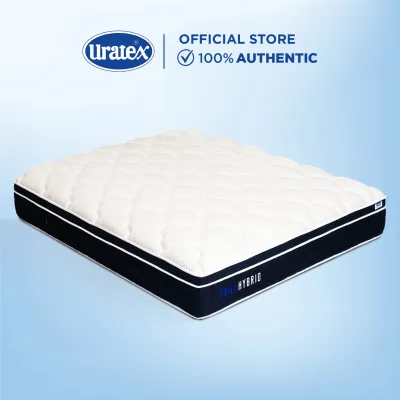
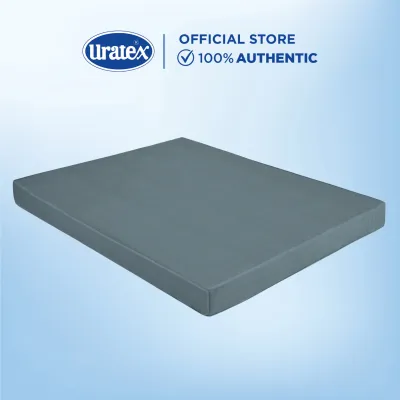
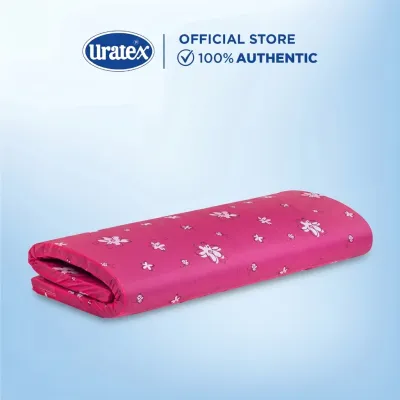
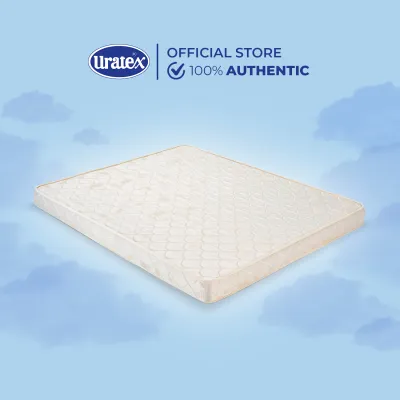
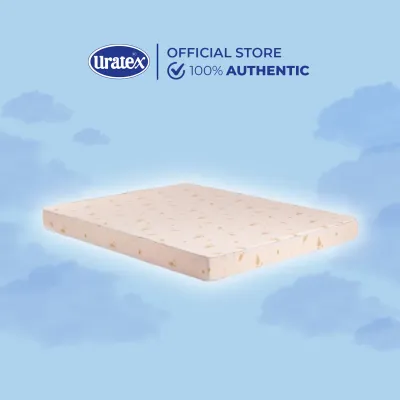
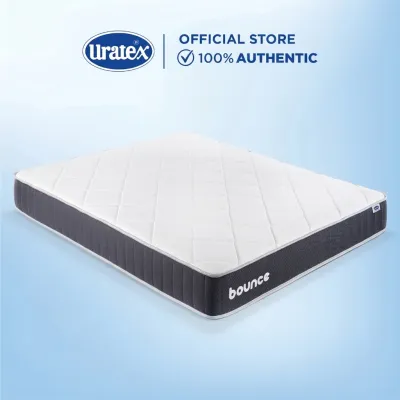
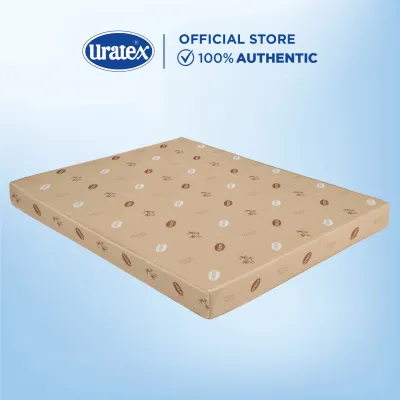
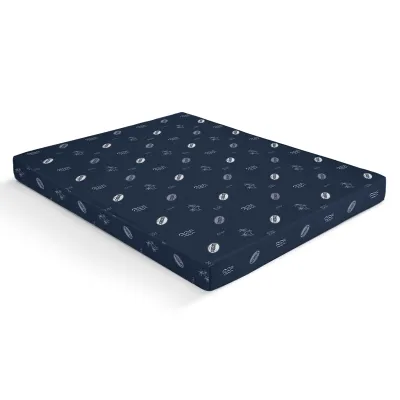
Prices are valid at publication and may change. Please refer to the product page for the latest price.
Core Characteristics of Latex, Spring, and Memory Foam
To make an informed choice, it is helpful to first understand what goes inside each mattress type. Latex mattresses are known for their distinct resilience and quick response to movement. These mattresses can be made from natural latex harvested from rubber trees, synthetic blends, or fully synthetic formulations. Natural latex options tend to offer inherent breathability due to their open-cell structure, while synthetic blends are often engineered to provide a consistent feel at a different price point. Regardless of the source, latex does not contour deeply around the body, meaning you sleep “on” the mattress rather than “in” it, which helps maintain a neutral sleeping posture.
Spring mattresses, including traditional innerspring and modern pocketed coil systems, rely on a network of steel coils to provide support. In a pocketed coil design, each spring is encased in its own fabric sleeve, allowing them to compress independently to contour to your body shape and reduce motion transfer. The defining feature of any spring mattress is the open space between the coils, which naturally creates channels for air to circulate. Additionally, spring mattresses often feature dedicated edge support systems, such as thicker border coils or foam encasements, which prevent the edges from sagging when you sit or sleep near the perimeter.
Memory foam, or viscoelastic foam, is engineered to respond to body heat and pressure, allowing it to mold precisely to your physical contours. This close-contouring behavior distributes body weight evenly, making it highly effective at relieving pressure points along the shoulders, hips, and lower back. However, because memory foam relies on warmth to soften and conform, it can sometimes retain heat more than other materials. The performance and feel of memory foam are heavily influenced by its density; higher-density foams generally offer deeper contouring and slower recovery times, whereas lower-density foams tend to feel slightly springier and may allow for faster heat dissipation.
Evaluating Comfort and Durability in a Tropical Climate
In the warm and humid climate of the Philippines, heat dissipation is a primary consideration when choosing a mattress. When evaluating different models, look closely at the product specifications for features designed to manage temperature. For memory foam mattresses, check if the foam is infused with cooling gels or features an open-cell structure, both of which are designed to help conduct heat away from the body. For spring mattresses, the natural airflow through the coil chamber inherently aids in ventilation, but you should still verify that the comfort layers on top of the springs consist of breathable materials that do not trap warm air.

High humidity levels also make moisture and mold resistance critical factors for mattress longevity. Sweat and ambient moisture can easily penetrate mattress covers, creating an environment where mold and dust mites can thrive. To mitigate this, examine the cover fabric of the mattress; look for breathable textiles such as bamboo-derived rayon, cotton, or specialized moisture-wicking synthetic blends. Some manufacturers apply antimicrobial or hypoallergenic treatments to the fabric or the foam core itself. However, even the most advanced material treatments require proper room ventilation, regular dehumidification, and the use of a breathable protector to remain effective over time.
Long-term durability and resistance to sagging are closely tied to the quality of the internal materials rather than generalized lifespan promises. Over time, the constant application of body weight and heat can cause foams to soften and lose their supportive qualities. When comparing latex and memory foam, check the density ratings of the foam layers, as higher-density materials generally resist compression and sagging for a longer period. For spring mattresses, the durability depends on the coil gauge (the thickness of the wire) and the total coil count. Always review the manufacturer’s warranty terms to understand what level of permanent indentation is covered as a manufacturing defect, which serves as a reliable indicator of the product’s expected structural integrity.
Decision Framework: Which Uratex Single Mattress Fits You?
Choosing the right single mattress requires matching these material characteristics to your personal sleeping habits and physical needs. A latex mattress is highly suitable if you prefer a responsive, bouncy feel that makes it easy to change sleeping positions throughout the night. It is also an excellent option if you prioritize natural materials and want a mattress that provides firm, uplifting support without hugging your body too closely. This lack of deep contouring helps keep your body elevated, which can feel significantly cooler in a tropical bedroom.
A spring mattress is the ideal choice if your primary concern is maximizing airflow to stay cool without relying heavily on air conditioning. The inherent ventilation of the coil system, combined with a traditional bounce, makes it easy to move around and maintain a comfortable sleeping temperature. Additionally, if you frequently sit on the edge of your bed to get dressed or have difficulty getting in and out of bed, the robust edge support of a quality spring mattress provides a stable, secure perimeter that prevents the sensation of rolling off.
Memory foam is best suited for sleepers who require deep pressure relief and prefer a cradling, body-hugging sensation. If you suffer from joint sensitivity or share a bed and want to minimize motion transfer, the viscoelastic properties of memory foam excel at absorbing movement and cushioning pressure points. To ensure comfort in a warm room, look for memory foam models that incorporate cooling gel infusions or open-cell technology to help offset the material’s natural tendency to retain body heat.
Before finalizing your choice, verify any specific health or environmental constraints that might influence your decision. If you have known allergies, check for hypoallergenic certifications on the mattress materials. If you require targeted orthopedic support for chronic back pain, look for models specifically labeled or certified for orthopedic use, which often feature zoned support systems. Finally, measure your bedroom carefully to ensure that a single mattress fits comfortably while leaving enough clearance for doors to open and air to circulate freely around the bed frame.
Essential Checks Before Purchasing from the Official Store
Before completing your purchase through the official online store or an authorized distributor, it is essential to perform a few practical checks to avoid delivery and installation issues. Start by measuring the exact dimensions of your existing bed frame. While “single” is a standard size, actual dimensions can vary slightly between manufacturers, typically measuring around 36 inches by 75 inches in the local market. Ensure there is sufficient clearance around the bed frame to allow for easy sheet changes and to prevent the mattress from pressing tightly against walls, which can restrict airflow and encourage moisture buildup.
Because you cannot physically test a mattress when buying online, pay close attention to the official store’s trial periods and return policies. Some premium models may come with a comfort trial period, allowing you to sleep on the mattress at home for a set number of days to decide if it suits your body. Carefully read the terms and conditions of these trials, noting whether you are responsible for return shipping fees, what condition the mattress must be in to qualify for a return, and whether the refund is issued as cash or store credit.
Finally, thoroughly review the warranty coverage details provided by the manufacturer. A long warranty period is reassuring, but you must understand what specific issues are covered under the terms. Standard warranties typically cover manufacturing defects such as broken coils or severe, permanent sagging that exceeds a specified depth when no weight is applied. They generally do not cover normal softening of the foam, physical damage caused by an improper bed frame, or personal comfort preferences. Keeping your original official receipt and warranty card in a safe place is crucial for securing assistance if a defect arises.
Frequently Asked Questions (FAQ)
Do I need a special bed frame for a memory foam or latex single mattress?
Yes, both memory foam and latex mattresses require a sturdy, supportive foundation to prevent sagging and maintain their structural integrity. Unlike traditional spring mattresses that can sometimes rest on simpler bases, foam and latex models need either a solid platform or a slatted frame with closely spaced slats. Generally, the gaps between slats should not exceed three inches; wider gaps can cause the flexible foam or latex to bulge downward, leading to uneven support and potentially voiding your warranty. Always consult the manufacturer’s specific guidelines for your chosen model to ensure your bed frame is compatible.
How can I improve airflow for my mattress in a humid room?
To enhance airflow and manage humidity, start by pairing your mattress with highly breathable bed linens made from natural fibers like cotton, linen, or bamboo. Rotate your mattress end-to-end every three to six months to ensure even wear and allow different areas to air out. Keep your bedroom well-ventilated by opening windows during dry periods or using a fan or dehumidifier to lower indoor humidity. Additionally, avoid using heavy, non-breathable waterproof mattress protectors unless they feature a specialized breathable membrane, as trapping moisture underneath the cover can lead to mold growth and degrade the mattress materials.

Community discussion
Share your experience or ask a question. Comments are reviewed before publication.