
Finding the right mattress in the Philippines is a unique challenge because of the country’s year-round tropical climate. With high temperatures and relative humidity levels that frequently soar above 80 percent, your bed can easily become a heat trap. To enjoy restful, uninterrupted sleep, your mattress must actively help your body shed heat and manage moisture. The choice often comes down to modern foam options, such as the Uratex Wink, versus traditional materials like natural latex and innerspring coils.
While foam mattresses are celebrated for their pressure-relieving comfort, innerspring and natural latex mattresses generally offer superior airflow, making them highly effective choices for hot sleepers. Standard foam mattresses tend to retain more body heat because of their dense, closed-cell structures, unless they are specifically engineered with advanced cooling covers, gel infusions, or open-cell designs. The ideal choice for your bedroom depends heavily on your room’s ventilation, your air conditioning usage, and the specific cooling technologies integrated into the mattress model. Before making a final decision, always verify the cooling features, foam density, and fabric specifications listed on the official product label.
Meet the Contenders: Uratex Wink, Latex, and Innerspring
To make an informed decision, it is essential to understand the structural differences between these three popular mattress categories. Each type utilizes a distinct core material that dictates how it responds to body weight, how it contours to your shape, and how it behaves under tropical weather conditions.
Products mentioned in this guide
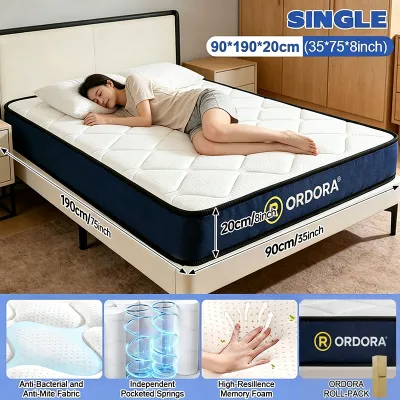
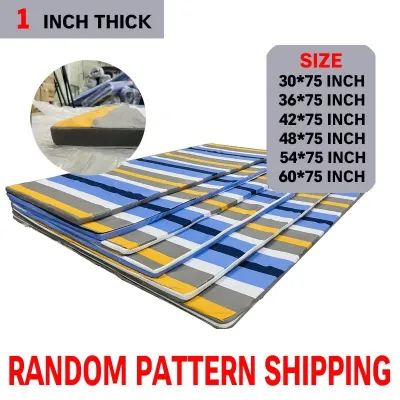
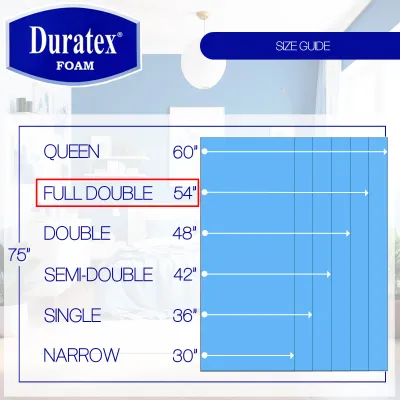
Prices are valid at publication and may change. Please refer to the product page for the latest price.
The Uratex Wink is a foam-based mattress designed to offer a balance of support and pressure relief. As a prominent brand in the Philippine bedding market, Uratex utilizes various foam formulations across its product lines. Because foam designs can vary significantly between specific model iterations, buyers should verify the exact foam layers, density ratings, and cover materials on the manufacturer’s official website before purchasing. Understanding whether a specific model uses memory foam, high-resiliency polyurethane foam, or specialized cooling gel layers is key to predicting how it will perform in a warm room.
Latex mattresses are made from rubber, which can be harvested as natural sap from rubber trees or manufactured synthetically. Natural latex is highly regarded for its eco-friendly profile, inherent elasticity, and open-cell molecular structure. During the manufacturing process, latex is typically molded with a “pin-core” structure—a grid of small, vertical holes designed to facilitate continuous air circulation. This design prevents heat from becoming trapped within the core of the mattress, offering a cooler sleep surface without relying on chemical additives.
Innerspring mattresses represent the traditional approach to bed construction, utilizing a network of steel coils to provide support. These coils can be interconnected (as in Bonnell or offset coil systems) or individually wrapped in fabric sleeves (known as pocket springs). The defining characteristic of an innerspring mattress is its open internal architecture. Because the support core consists primarily of steel wire and empty space, air can move freely through the mattress, creating natural ventilation channels that carry heat away from the sleeper.
It is important to remember that material names alone do not guarantee cooling performance or long-term durability. A mattress labeled as “latex” or “spring” can still sleep hot if it is wrapped in cheap, non-breathable synthetic fabrics or topped with thick layers of dense, low-grade foam. Always check the detailed product specifications for active breathability features, certified organic materials, and structural designs that promote airflow.
How Each Mattress Type Handles Heat and Humidity
In the Philippines, heat dissipation and moisture management are not just matters of comfort; they are critical factors that directly influence sleep quality and mattress longevity. When a mattress traps heat, your body temperature rises, leading to tossing, turning, and night sweats. Furthermore, high ambient humidity combined with body sweat creates a damp environment that can compromise the hygiene and structural integrity of your bed over time.

Airflow and Temperature Regulation
The physical structure of a mattress determines how efficiently it regulates temperature. Innerspring mattresses excel in this category because their coil-based cores contain large volumes of open space. When you move on a spring mattress, it acts like a bellows, pushing warm air out and drawing cooler air in. Latex mattresses also perform exceptionally well due to their pin-core holes and open-cell matrix, which allow heat to escape laterally rather than radiating back toward your body.
In contrast, standard foam mattresses are made of dense, solid blocks of polyurethane or memory foam. These materials consist of millions of tiny, closed cells that trap air, acting as an insulator that keeps heat close to your body. To compete with the natural cooling properties of latex and springs, modern foam mattresses like the Uratex Wink must incorporate specialized cooling technologies. When evaluating foam options, look for specifications such as open-cell foam structures, gel-infused layers that absorb and dissipate heat, or phase-change materials in the cover that feel cool to the touch. Without these features, a foam mattress in a non-air-conditioned room can quickly become uncomfortably warm.
Moisture Resistance and Long-Term Durability
High humidity is a constant challenge in tropical regions. During the rainy season, indoor humidity levels can remain elevated for weeks, making it difficult for fabrics and foams to dry out. When you sweat during the night, that moisture penetrates the mattress cover and settles into the comfort layers. If the mattress cannot dissipate this moisture quickly, it becomes a breeding ground for mold, mildew, and dust mites.
Innersprings and natural latex mattresses generally dry faster and resist moisture buildup better than dense foam because of their superior internal ventilation. Natural latex also possesses inherent antimicrobial properties that help resist mold growth. Standard foam mattresses, especially those without breathable covers, can absorb moisture like a sponge, which can lead to musty odors and accelerate the breakdown of the foam’s chemical bonds, causing the mattress to sag prematurely. To protect your investment, always check the manufacturer’s care instructions for specific moisture management recommendations and review the warranty terms to see what conditions apply to humidity-related degradation or mold development.
Comfort, Support, and Motion Isolation Compared
While temperature control is vital, a mattress must also provide the physical support and pressure relief necessary for a pain-free morning. The three mattress types offer distinctly different feels, and the right choice depends on your sleeping position, body weight, and personal preferences.
Foam mattresses, including the Uratex Wink, are highly regarded for their deep contouring and pressure relief. When you lie on a quality foam bed, the material conforms closely to your body’s curves, distributing your weight evenly and reducing pressure points on your shoulders, hips, and joints. This “cradling” sensation is highly beneficial for side sleepers and those with joint pain. Additionally, foam excels at motion isolation; if you share a bed, the foam absorbs the energy of your partner’s movements, preventing vibrations from transferring across the mattress and waking you up.
Latex mattresses offer a different sensation, characterized by responsive, buoyant support. Instead of sinking deeply “into” the mattress, you feel as though you are sleeping “on top” of it. This springy quality makes it much easier to change sleeping positions during the night, which is helpful for combination sleepers and individuals with mobility issues. Latex provides excellent spinal alignment and pressure relief without the body-conforming hug of memory foam, which also helps keep you cooler by leaving more of your body exposed to the ambient air. It also isolates motion effectively, though it retains a slight, natural bounce.
Innerspring mattresses deliver a firm, traditional push-back support. The steel coils compress under weight but immediately push back, keeping your body highly elevated. This level of support is often preferred by back and stomach sleepers, as well as heavier individuals who require strong spinal support to prevent their hips from sinking too deeply. While pocket spring systems offer reasonable motion isolation by allowing individual coils to compress independently, traditional interconnected coil systems will transfer motion across the entire bed surface, which can disrupt light sleepers who share a bed.
When choosing a mattress, you must also consider practical logistics. Standard mattress dimensions in the Philippines typically range from Single (36″ x 75″) and Double (54″ x 75″) to Queen (60″ x 75″) and King (72″ x 78″). Before ordering, measure your bed frame, bedroom floor space, and any tight doorways, narrow stairwells, or condominium elevators that delivery personnel must navigate. A solid, heavy latex mattress can be extremely difficult to bend and maneuver through tight spaces, whereas compressed foam mattresses shipped in a box are much easier to transport but require a stable, flat foundation once unboxed. Because comfort is highly subjective, it is highly recommended to test different models in physical showrooms or select brands that offer risk-free sleep trial periods.
Quick Comparison: Uratex Wink vs. Latex vs. Spring
To help you visualize how these mattress types stack up against one another, the table below summarizes their key performance characteristics under typical tropical conditions.
| Mattress Type | Airflow & Breathability | Moisture Management | Motion Isolation | Best Sleep Style |
|---|---|---|---|---|
| Innerspring | Excellent | High | Low to Moderate | Back, Stomach, and Heavy Sleepers |
| Natural Latex | High to Excellent | High | High | Combination Sleepers and Eco-conscious Buyers |
| Uratex Wink (Foam) | Moderate (Requires Cooling Tech) | Moderate | Excellent | Side Sleepers and Couples |
Note: Specific performance levels, durability, and cooling capabilities will vary depending on the exact model, thickness, density, fabric treatments, and manufacturer specifications. Always refer to the official product documentation for precise details.
Decision Guide: Which Mattress Should You Buy?
Choosing the right mattress involves balancing your personal comfort preferences with the environmental realities of your home. Use this decision framework to guide your purchase:
- Choose an Innerspring Mattress if: Your primary goal is maximum airflow and edge support, especially if you sleep in a room that relies on natural ventilation, ceiling fans, or wall-mounted electric fans rather than air conditioning. This type is also ideal if you prefer a traditional, responsive bounce and need firm support to keep your spine aligned.
- Choose a Latex Mattress if: You want a durable, resilient bed made from natural materials that offers a balance of buoyant support and natural cooling. If you have the budget to invest in a premium, long-lasting product and prefer a mattress that is easy to move around on while still isolating motion, natural latex is an outstanding choice for tropical climates.
- Choose the Uratex Wink (or a similar foam mattress) if: You prioritize deep contouring, pressure relief, and near-perfect motion isolation to prevent waking your partner. This option is highly suitable if you sleep in an air-conditioned room or if you verify that the specific Wink model you are buying includes advanced open-cell foam, gel infusions, or a high-performance cooling fabric cover.
- Verify first if you are unsure: Take a close look at your sleeping environment. If your bedroom is prone to high humidity and lacks consistent air conditioning, a highly breathable mattress is essential. Always review the exact product specifications, including foam density, coil count, cover breathability, and warranty terms, to ensure the bed fits your specific home conditions.
Essential Maintenance for Tropical Climates
Once you have selected your mattress, proper maintenance is essential to protect it from the degrading effects of heat, sweat, and high humidity. Implementing a few simple care habits can significantly extend the lifespan of your bed and keep your sleep environment hygienic.
First, always use a high-quality, breathable, and waterproof mattress protector. In the Philippines, a protector is your first line of defense against sweat, body oils, and high ambient humidity. Look for protectors made with breathable membrane technology, such as tencel or bamboo fabrics, which allow heat to escape while preventing liquid moisture from seeping into the foam or rusting the internal springs.
Second, prioritize room ventilation. On dry, sunny days, open your bedroom windows to allow fresh air to circulate and carry away trapped indoor moisture. If your room is prone to dampness, running a dehumidifier or operating your air conditioner on the “dry” mode can help maintain a healthy indoor relative humidity level, preventing the growth of mold and dust mites within your bedding.
Third, rotate your mattress regularly. Unless the manufacturer’s instructions explicitly state otherwise, rotate your mattress 180 degrees every three to six months. This practice ensures even wear across the surface, preventing permanent body impressions and sagging in the areas where your shoulders and hips rest.
Finally, exercise caution when cleaning your bed. Never use harsh chemical cleaners, steam machines, or excessive amounts of water to spot-clean stains. Liquid trapped deep inside foam or fiber layers can take days to dry in humid weather, leading to internal mold growth and material deterioration. Instead, gently blot spills with a dry cloth and consult the manufacturer’s care label for approved cleaning methods.
Frequently Asked Questions (FAQ)
Do I need a cooling mattress if I use air conditioning every night?
While running an air conditioner lowers the ambient temperature of your bedroom, your body still generates direct contact heat where it meets the mattress. A mattress with poor breathability can still trap this heat, leading to localized sweating and discomfort. However, if you keep your room consistently cool with air conditioning, you will have much more flexibility to choose a dense foam mattress like the Uratex Wink without experiencing the severe heat retention issues that might occur in a room without climate control.
Can I use a memory foam mattress in a humid room without AC?
Using a dense memory foam mattress in a highly humid room without air conditioning can be challenging. Without active cooling, the dense foam structure tends to trap both body heat and ambient moisture, which can make the bed feel sticky and uncomfortably warm. Over time, the trapped moisture can also encourage mold growth and accelerate the softening of the foam. If you choose to use a foam mattress in this environment, it is highly recommended to use a dehumidifier, ensure excellent cross-ventilation with fans, and use a breathable, moisture-wicking protector.

Community discussion
Share your experience or ask a question. Comments are reviewed before publication.