
Selecting a Durabox cabinet to serve as a dining room buffet or display unit requires matching the cabinet’s structural design with the specific weight and aesthetic demands of tableware storage. While these lightweight plastic cabinets are highly valued in the Philippines for their resistance to tropical humidity, rust, and pests, choosing the right configuration is essential. The most effective models for buffet and display functions are those featuring reinforced shelving, a combination of lower drawers and upper doors, and transparent or translucent front panels that allow stored items to remain visible. Rather than relying on a single universal model, homeowners should evaluate the physical design characteristics—such as panel thickness, joint stability, and door mechanisms—to ensure the unit can safely support heavy ceramic plates, glassware, and serving platters.
Evaluating Plastic Cabinets for Dining Room Storage
Plastic cabinets offer distinct practical advantages in tropical climates, where high humidity can warp traditional wood and cause metal components to rust. However, when transitioning these units into a dining room setting to serve as a buffet or display cabinet, it is crucial to understand how their structural properties compare to traditional furniture materials. Wood and glass cabinets possess inherent rigidity and weight, allowing them to remain stable under heavy, uneven loads without bowing. Plastic, while highly resilient against moisture and easy to clean, is more flexible and susceptible to structural deflection if overloaded.
Weight capacity is the primary constraint when storing dining room essentials. Ceramic dinnerware, stoneware plates, and heavy glassware accumulate significant weight when stacked. Traditional wooden buffets easily distribute this load across thick, solid shelves. In contrast, a plastic cabinet relies on molded hollow-core or ribbed panels. Before placing your entire collection of family serving platters inside, you must verify the manufacturer’s load ratings for individual shelves. Overloading can cause the plastic to sag over time, which not only compromises the cabinet’s appearance but can also cause the doors to misalign or pop open unexpectedly.
Products mentioned in this guide

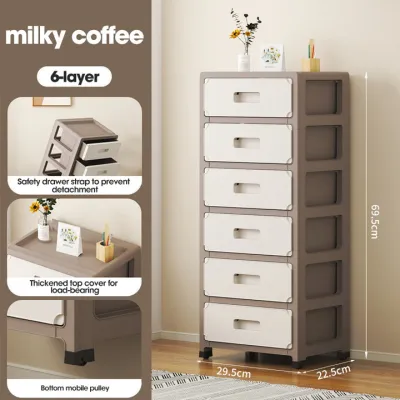
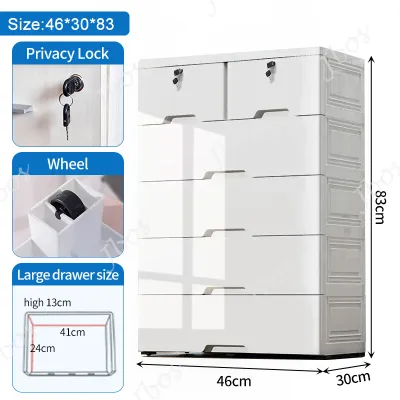
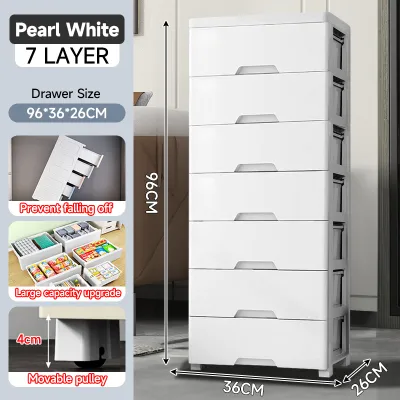

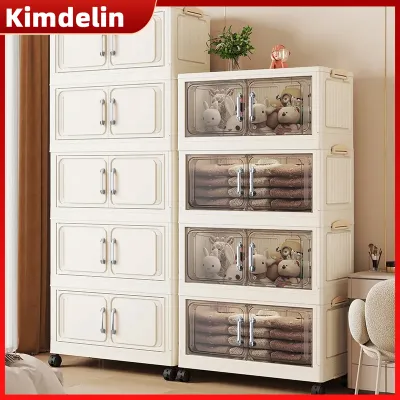
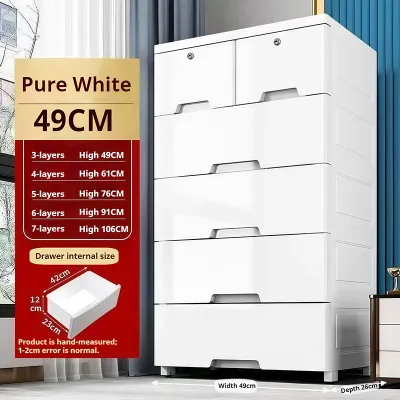
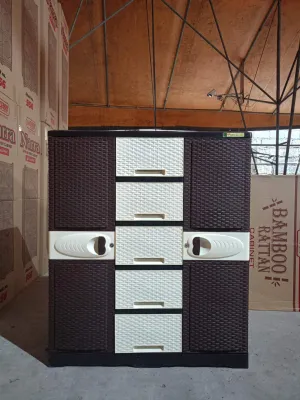
Prices are valid at publication and may change. Please refer to the product page for the latest price.
Aesthetic integration is another critical factor to assess before purchasing. Dining rooms often serve as focal points for family gatherings and formal meals, where traditional wood finishes, metal accents, or sleek glass panels dominate the decor. A standard utility-style plastic cabinet can look out of place if its texture, color, and finish clash with your dining table and chairs. To achieve a cohesive look, look for models that feature matte finishes, neutral color palettes like beige, grey, or off-white, or textured door panels that mimic woven patterns or clean contemporary lines. This helps the cabinet blend seamlessly into the room rather than standing out as temporary storage.
Essential Features for Buffet and Display Functions
To successfully mimic the utility of a traditional display cabinet, the front panel design of the plastic unit is paramount. Models equipped with clear or semi-transparent front doors are well-suited for showcasing curated glassware, heirloom ceramics, or decorative dining pieces. These transparent panels, typically made from clear polycarbonate or acrylic integrated into the plastic frame, allow light to enter the cabinet, creating an open and airy feel in the dining space. When selecting a model, inspect the clarity and thickness of these window panels to ensure they are scratch-resistant and securely fitted within the door frames.

Shelf reinforcement is another highly important feature for any cabinet tasked with holding heavy kitchenware. Look for models that incorporate internal metal reinforcement bars or heavy-duty ribbed supports beneath each shelf. These structural elements prevent the plastic from bowing under the weight of stacked bowls or heavy serving platters. Additionally, adjustable shelf heights are highly beneficial. The ability to reposition shelves allows you to accommodate tall beverage bottles, tiered cake stands, or oversized soup tureen vessels that would otherwise not fit within standard, fixed-height compartments.
The balance between drawers and doors dictates how effectively the cabinet organizes different types of dining accessories. A door-heavy configuration with large open shelves is excellent for storing bulky items like salad bowls, serving trays, and small appliances. However, a buffet also needs to accommodate smaller, loose items such as cutlery, table runners, cloth napkins, and coaster sets. For this reason, a hybrid model featuring a row of drawers at the bottom or middle, combined with spacious cabinet doors on top, offers a versatile storage solution. Drawers keep smaller items organized and dust-free, while the upper cabinet sections keep larger items accessible and beautifully displayed.
Sizing and Space Planning for Your Dining Area
Proper space planning is essential to ensure your new cabinet enhances the dining room’s functionality rather than creating a physical bottleneck. Before finalizing your purchase, use a measuring tape to map out the exact footprint of the cabinet on your dining room floor. It is not enough to simply measure the width and depth of the unit; you must also calculate the clearance required to fully open the cabinet doors and pull out the drawers. In tight dining spaces, an open door or extended drawer can easily block walkways, making it difficult for family members to move around the table during meals.
Visual balance and height relationships are equally important for aesthetic harmony. A buffet cabinet should complement the height of your dining table and adjacent countertops. Standard dining tables typically stand around 75 to 80 centimeters high. A low-profile plastic cabinet that matches or slightly exceeds this height can serve as an excellent sideboard, providing an extra surface for serving food during parties. Conversely, if you intend to use the unit primarily for display, a taller cabinet that aligns with nearby windows or doorways will create a more balanced, intentional look in the room.
Finally, do not overlook the logistics of getting the cabinet into its designated spot. Even though plastic cabinets are often shipped flat-packed or in modular sections, you must verify that the boxed packaging or the fully assembled unit can easily pass through your home’s entry points. Measure the width of your front door, hallway corridors, and any tight staircase turns. This is particularly important in multi-story homes or condominiums where elevator access and narrow stairwells can pose significant challenges during delivery.
Setup, Stability, and Safety Checks
Once your cabinet is delivered, proper assembly and positioning are critical to ensuring its long-term stability and safety. Plastic cabinets are lightweight by nature, which makes them easy to move but also more susceptible to tipping if they are not set up correctly. Start by placing the cabinet on a completely level floor. In many homes, tiled or concrete floors can have slight imperfections or slopes. If the cabinet is uneven, the plastic frame can twist slightly, leading to misaligned doors that do not close properly and putting unnecessary stress on the plastic joints. Use shims or adjustable leveling feet if provided to ensure the unit is properly aligned.
In households with active children or pets, anchoring the cabinet to the wall is a vital safety precaution. Because plastic cabinets have a lower self-weight than solid wood furniture, pulling on a drawer or leaning on an open door can easily cause the entire unit to tip forward. Many manufacturers provide wall-anchoring kits, which typically consist of straps or brackets that secure the back of the cabinet to a wall stud. Installing these anchors is highly recommended, especially when the cabinet is loaded with fragile glass or ceramic items that could cause injury if shattered.
Smart weight distribution is the final step in securing your cabinet. Always place your heaviest items—such as stacks of ceramic dinner plates, heavy cast-iron pots, or glass baking dishes—on the very bottom shelf or in the lowest drawers. This lowers the cabinet’s center of gravity, making it significantly more stable and less likely to tip. Reserve the upper shelves for lighter items like wine glasses, plastic serving bowls, and decorative linens. Never overload the top of the cabinet with heavy objects, as this top-heavy configuration poses a safety hazard in high-traffic dining zones.
Frequently Asked Questions (FAQ)
Can plastic cabinets support heavy kitchen appliances like rice cookers or microwaves?
Using the top surface of a plastic cabinet to hold kitchen appliances requires careful verification of the manufacturer’s weight limits. While a lightweight appliance like a bread toaster or a small coffee maker may be suitable, heavier appliances like microwaves or fully loaded rice cookers can exceed the load capacity of an unreinforced plastic top panel, causing it to sag or warp. Additionally, you must consider the heat generated by these appliances. Standard plastic surfaces can soften or discolor when exposed to high temperatures. If you plan to place a heat-producing appliance on the cabinet, always use a thick, heat-resistant thermal protective mat to shield the plastic, and ensure there is adequate ventilation around the appliance to prevent steam from damaging the cabinet’s finish.
How do I integrate a plastic display cabinet into a formal dining room aesthetic?
Elevating the look of a plastic cabinet to match a formal dining room aesthetic is entirely achievable with a few thoughtful styling techniques. To conceal the plastic top surface, drape a high-quality fabric table runner or place a decorative wooden or metallic serving tray on top. This immediately adds texture and warmth to the unit. Inside the cabinet, focus on clean, symmetrical organization. Group similar glassware together, and use uniform woven baskets or fabric storage boxes in the opaque sections to hide clutter. To create a high-end look, install battery-operated, adhesive LED puck lights on the underside of the shelves. This soft, internal lighting will illuminate your glassware and ceramics, drawing attention away from the plastic frame and highlighting your beautiful display instead.

Community discussion
Share your experience or ask a question. Comments are reviewed before publication.