
Sleeping comfortably in the Philippines is a constant battle against heat and humidity. With tropical night temperatures regularly staying above 25 degrees Celsius and relative humidity levels frequently soaring past 80 percent, your choice of sleep surface directly impacts your sleep quality and overall health. When searching for a new mattress, navigating the various material options can be overwhelming. Exploring the utatex official page reveals a diverse range of sleep technologies designed to address these exact environmental challenges. However, before investing in a latex, spring, or memory foam mattress, it is essential to understand how each material behaves under tropical conditions.
The ideal mattress type is not a one-size-fits-all solution; rather, it is a highly conditional decision based on your personal sleep profile, body weight, and cooling requirements. If your primary goal is maximizing airflow to keep night sweats at bay, an innerspring mattress is typically the most effective option. For those who seek a balance of natural temperature regulation, resilient support, and long-term durability against humidity, a latex mattress is highly suitable. Meanwhile, if you require deep pressure relief and motion isolation to sleep undisturbed alongside a partner, a memory foam mattress is the ideal choice—provided you verify that the specific model incorporates advanced cooling technologies like open-cell structures or gel infusions.
Ultimately, the performance of your mattress depends heavily on its specific construction and how well it is maintained. While material categories offer a helpful starting point, looking closely at individual model specifications will ensure you select a bed that remains supportive and comfortable throughout the year. By analyzing how latex, spring, and memory foam handle heat, moisture, and support, you can make an informed investment that enhances your sleep hygiene in a tropical climate.
Products mentioned in this guide
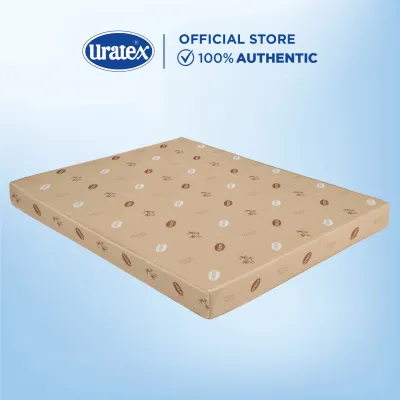
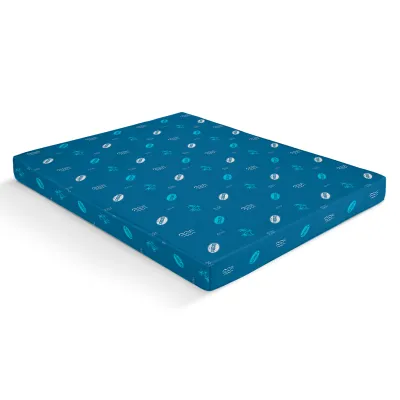
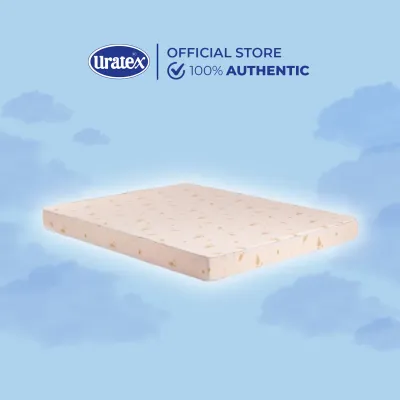
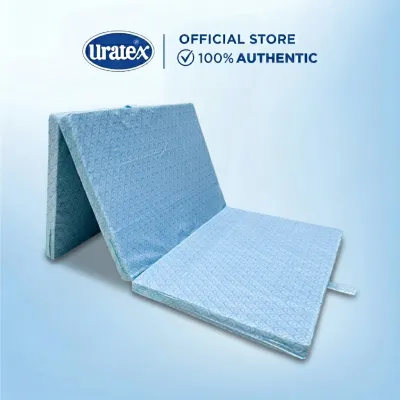
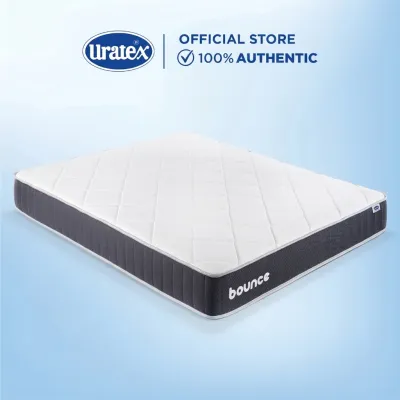
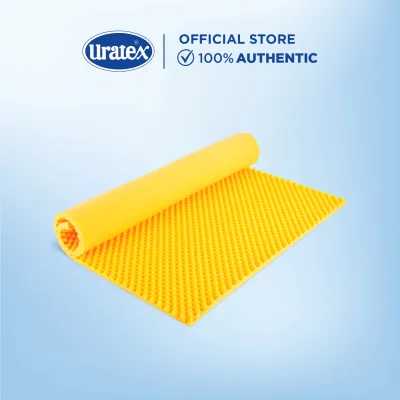
Prices are valid at publication and may change. Please refer to the product page for the latest price.
Evaluating Airflow: What the Utatex Official Page Reveals About Heat Retention
To understand why some mattresses feel like furnaces while others remain pleasantly cool, you must look at the physics of heat transfer and material density. When you lie down, your body continuously radiates heat and releases moisture. In a tropical climate, this heat has nowhere to go if the mattress material acts as an insulator. Traditional memory foam is notorious for this issue; its dense, viscoelastic structure consists of closed cells that trap air. As the foam contours closely to your body, it seals off the surrounding skin from ambient air circulation, creating a warm microclimate directly beneath you.
In contrast, innerspring mattresses offer superior ventilation due to their open internal architecture. Whether utilizing pocketed coils or a traditional Bonnell spring system, the vast majority of an innerspring mattress’s core is empty space. This design allows air to flow freely through the mattress. When you move during sleep, the compression and expansion of the springs act like a bellows, actively pushing warm air out and drawing cooler ambient air in. For bedrooms without consistent air conditioning, this continuous air exchange is highly effective at preventing heat buildup.
Latex sits in a highly favorable middle ground, offering excellent natural breathability without the hollow structure of springs. Natural latex features an open-cell molecular structure that inherently allows heat to dissipate. Furthermore, during the manufacturing process, latex cores are typically molded with pincore ventilation channels—vertical holes that run through the layer to facilitate continuous airflow. This structural design ensures that even under high humidity, heat does not accumulate within the core of the mattress, making it a highly reliable option for tropical sleep.
When browsing options, it is vital to check the utatex official page or product labels for specific cooling enhancements, as modern manufacturing has greatly improved foam performance. Many contemporary memory foam mattresses are engineered with open-cell polyurethane structures, gel infusions designed to absorb and dissipate initial body heat, or phase-change materials that actively regulate surface temperature. Additionally, the mattress cover plays a significant role; covers woven with breathable knit fabrics, Tencel, or bamboo-derived fibers assist in pulling heat away from the skin far better than heavy synthetic polyesters.
Your choice of bed foundation also directly impacts how well these materials manage heat. Placing any mattress—especially a dense foam or latex model—on a solid wooden platform or concrete slab restricts airflow to the bottom of the bed, trapping heat and moisture. Opting for a sturdy slatted bed frame with gaps of two to three inches ensures that air can circulate through the entire thickness of the mattress. This simple structural choice enhances the cooling properties of your sleep setup and prevents the bottom of your mattress from becoming a heat trap.
Durability and Moisture Resistance in High Humidity
In the Philippines, high relative humidity presents a constant threat to the structural integrity and hygiene of household furniture. Mattresses are particularly vulnerable because they absorb ambient moisture from the air as well as sweat from the sleeper. Over time, this accumulated moisture can lead to the growth of mold, mildew, and dust mites, which not only degrade the internal components of the mattress but also trigger respiratory allergies. Understanding how different materials interact with moisture is key to ensuring your investment lasts for its intended lifespan.

Innerspring units are highly resilient against moisture retention because air circulates freely through the open coil chambers, allowing internal dampness to evaporate quickly. However, the steel coils themselves can be susceptible to rust if they are not treated with anti-corrosive coatings or if the humidity levels in the bedroom remain excessively high over several years. Additionally, while the metal springs do not absorb moisture, the comfort layers of foam or fiber quilted above them can still harbor dampness, meaning the overall durability of a hybrid or spring mattress still depends on the quality of its top layers.
Latex is highly regarded for its natural resistance to environmental hazards. High-quality natural latex is inherently hypoallergenic, antimicrobial, and resistant to dust mites and mold, making it exceptionally well-suited for humid coastal regions. While latex can absorb small amounts of moisture, its open-cell structure allows it to dry out much faster than synthetic foams. It is important to note, however, that natural latex must never be exposed to direct sunlight or harsh wet cleaning, as ultraviolet rays and excessive water can cause the organic material to oxidize, crumble, and lose its supportive elasticity prematurely.
Memory foam, particularly lower-density varieties, can act like a sponge in high-humidity environments. The dense, pocketed structure of viscoelastic foam can trap moisture deep within its core, where airflow is minimal. If a memory foam mattress remains damp for extended periods, the chemical bonds within the polyurethane can begin to break down, leading to a permanent loss of support and premature sagging in the areas where your body weight is concentrated. To mitigate this risk, it is crucial to verify the manufacturer’s care instructions and warranty conditions regarding moisture damage, as some warranties may be voided if the mattress is not kept on an approved, ventilated foundation.
To safeguard any mattress type against the destructive effects of tropical humidity, utilizing a high-quality, breathable mattress protector is highly recommended. A proper protector acts as a barrier against sweat, oils, and liquid spills without completely sealing off airflow. Look for protectors that utilize breathable polyurethane membranes or specialized cooling fabrics rather than cheap, non-porous plastic covers that trap moisture against your body. This simple addition prevents moisture from penetrating the core layers of your mattress, preserving its structural integrity and maintaining a hygienic sleep environment.
Comfort, Support, and Motion Isolation for Restful Sleep
While temperature and moisture control are vital, a mattress must ultimately deliver the right balance of comfort and spinal support to ensure restful sleep. Each of the three primary mattress materials offers a distinct physical sensation and responds differently to body weight. Choosing the correct feel depends heavily on your preferred sleeping position, body type, and whether you share your bed with a partner. Understanding these differences allows you to align your purchase with your specific physical needs.
Latex is characterized by its buoyant, responsive feel. When you lie on a latex mattress, you experience an “on-top-of-the-bed” sensation rather than sinking deep into the layers. This instantaneous push-back support keeps your spine aligned while allowing for easy movement, making it an excellent choice for active sleepers who frequently change positions during the night. The resilient nature of latex also distributes body weight evenly, reducing high-pressure areas on the shoulders and hips without restricting your mobility or making you feel trapped in a contour.
Memory foam offers the exact opposite sensation, known for its deep, slow-recovery contouring. As the foam reacts to your body heat and weight, it softens and molds precisely to your unique physical curves, creating a cradled, “in-the-bed” sensation. This highly targeted pressure relief is incredibly beneficial for side sleepers and individuals dealing with chronic joint pain, as it eliminates pressure points that can restrict blood circulation. However, because memory foam conforms so closely, some sleepers may find it more difficult to roll over or adjust their position, particularly in warmer room temperatures where the foam becomes softer.
Innerspring mattresses provide a traditional, bouncy support system that many sleepers find familiar and comforting. Modern pocketed coil systems feature individual springs encased in fabric sleeves, allowing each coil to compress independently. This design provides zoned support that conforms moderately to your body shape while maintaining a highly stable and level sleeping surface. Innersprings are highly effective at preventing heavy parts of the body, such as the hips, from sinking too deep into the mattress, which helps maintain natural spinal alignment for back and stomach sleepers.
For couples, motion isolation is a critical consideration. Traditional interconnected innerspring systems transfer movement across the entire surface of the bed, meaning you are likely to feel every toss and turn of your partner. Pocketed coils mitigate this issue significantly, but memory foam remains the undisputed leader in motion isolation. The dense, energy-absorbing nature of viscoelastic foam dampens kinetic energy entirely, ensuring that movement on one side of the bed does not disturb the sleeper on the other. Latex also performs very well in this category, offering localized compression that limits motion transfer while retaining a touch of natural bounce.
Before making a final choice, always check the specific model specifications on the manufacturer’s product pages. Look closely at firmness ratings—which typically range from extra soft to extra firm—and thickness profiles, as heavier individuals generally require thicker comfort layers to prevent bottoming out against the support core. Additionally, take advantage of trial periods offered by reputable brands, as physically sleeping on a mattress in your own home is the only definitive way to verify if its comfort and support characteristics align with your body’s requirements.
Decision Framework: Choosing Your Ideal Mattress Type
Selecting the right mattress involves balancing your climate-specific needs with your personal comfort preferences. To simplify your decision-making process, use this structured framework to identify which material category aligns best with your sleeping environment and physical requirements:
- Choose Spring if: Your absolute priority is staying cool, you sleep exceptionally hot, or you live in a room without consistent air conditioning. This option is also ideal if you prefer a traditional, bouncy feel with robust edge support and easy mobility.
- Choose Latex if: You want a highly durable, naturally hypoallergenic mattress that offers a balanced, buoyant feel. It is perfect for those who want temperature neutrality without sacrificing responsiveness, and who prefer an eco-friendly material that resists mold in humid conditions.
- Choose Memory Foam if: You require maximum pressure relief for joint pain, prefer a cradled sleeping sensation, and share your bed with a partner who wakes easily from movement. Ensure the specific model you choose features verified cooling technologies, such as gel infusions or open-cell structures, to combat heat retention.
Before finalizing your purchase, you must verify several practical dimensions that are often overlooked but can disrupt the delivery and installation process. Measure your bedroom space carefully, ensuring you have adequate clearance around the bed frame for movement. Additionally, check the dimensions of your home’s entryways, stairwells, and elevator cabins. Heavy, solid latex or dense memory foam mattresses can be incredibly difficult to maneuver through tight spaces, whereas pocketed spring mattresses are often shipped compressed in a box, making delivery to high-rise condominiums significantly easier.
Furthermore, consider the load capacity and stability of your existing bed frame. Solid latex mattresses are exceptionally heavy and require a robust, well-supported foundation with a strong center support leg to prevent sagging over time. If you are planning to use an older slatted frame, verify that the slats are spaced closely enough to support foam or latex layers without causing them to bulge downward. Consulting the utatex official page will provide you with exact model weights, dimensions, and recommended foundation specifications to ensure your setup is fully compatible.
Finally, establish a realistic budget based on broad price bands. Entry-level spring mattresses are often the most budget-friendly option, making them highly accessible for guest rooms or temporary housing. Mid-range options typically include advanced hybrid models and gel-infused memory foams that balance cost with enhanced comfort features. Premium luxury options, such as multi-layer natural latex mattresses, require a higher initial investment but offer unmatched durability and environmental resistance, making them highly cost-effective over their long lifespan. Check official brand channels for current regional availability and delivery terms across Luzon, Visayas, and Mindanao.
Essential Maintenance for Tropical Climates
Maintaining a mattress in a tropical climate requires proactive care to combat the continuous effects of heat and humidity. The most effective step you can take is to control the indoor climate of your bedroom. Utilizing air conditioning, ceiling fans, or dehumidifiers helps maintain ambient relative humidity levels below 60 percent, which significantly discourages the propagation of mold spores and dust mites within your bedding. On dry, sunny days, opening your bedroom windows to allow fresh air to circulate can also help dissipate accumulated moisture from the mattress layers.
Implementing a regular rotation schedule is another simple, reversible maintenance practice that extends the life of your mattress. Rotating your mattress 180 degrees every three to six months ensures that body weight and moisture are distributed evenly across the surface, preventing localized sagging and allowing compressed comfort layers to recover. Be sure to consult your specific product manual, as some single-sided mattresses are designed only to be rotated head-to-toe and should never be flipped upside down, whereas double-sided models can benefit from both flipping and rotating.
When cleaning your mattress, always prioritize low-risk, non-destructive methods. Vacuuming the surface regularly with an upholstery attachment removes dust, dead skin cells, and allergens before they can sink deeper into the comfort layers. Avoid using harsh chemical cleaners, bleach, or saturating the mattress with excessive water, as moisture trapped inside foam or latex cores is incredibly difficult to dry out and can cause rapid material degradation. If a spill occurs, blot it immediately with a dry towel, apply a mild soap solution sparingly if necessary, and ensure the area is completely dry before replacing the bed sheets.
Should your mattress suffer from severe moisture penetration or suspected mold growth, do not attempt aggressive DIY remediation with heavy chemicals. Instead, refer directly to the care labels attached to your mattress or consult a qualified professional cleaning service. Taking these gentle, preventative steps will preserve the comfort, hygiene, and supportive qualities of your mattress, ensuring you enjoy cool, restorative sleep in the Philippine climate for many years to come.
Frequently Asked Questions (FAQ)
Can I use a standard waterproof mattress protector in a humid climate?
While standard 100% waterproof plastic protectors are highly effective at blocking liquids, they can trap heat and sweat, making your bed feel significantly warmer in a tropical climate. To maintain a comfortable sleeping temperature, look for specialized breathable waterproof protectors that utilize advanced polyurethane membranes or moisture-wicking fabrics like Tencel, which allow air to circulate while still protecting the mattress core from moisture.
How often should I rotate my mattress to prevent humidity damage?
You should rotate your mattress 180 degrees every 3 to 6 months to ensure even wear and allow different sections of the comfort layers to air out. This practice prevents moisture from pooling in the areas where your body weight is concentrated. Always verify your specific product’s care instructions, as some single-sided models are designed only for rotation and should never be flipped.

Community discussion
Share your experience or ask a question. Comments are reviewed before publication.