
Deciding whether to introduce a velvet mattress topper into a bedroom in the Philippines requires balancing aesthetic luxury with the realities of a tropical climate. While velvet offers an exceptionally soft and plush surface, its physical structure makes it generally unsuitable for naturally ventilated homes in the Philippines. However, if your bedroom is consistently climate-controlled with air conditioning, or if you pair the topper with highly breathable bedding accessories, you can still enjoy its plush comfort without succumbing to overheating.
How Velvet Fabric Performs in Tropical Heat and Humidity
Velvet is woven with a short, dense pile of cut fibers that stand closely together. This unique physical structure creates millions of microscopic air pockets across the surface of the fabric. While these pockets are excellent for creating a soft, luxurious feel, they also act as highly effective thermal insulators. They naturally trap ambient warmth and body heat, keeping the heat close to your skin rather than allowing it to dissipate into the surrounding room.
Synthetic velvet, which is the most common and affordable option found on online marketplaces, is highly heat-retentive. Because polyester fibers are inherently hydrophobic, they do not absorb moisture. Instead, any sweat produced during the night remains trapped between your body and the fabric surface, resulting in a damp, sticky sensation. On the other hand, natural-blend velvet made from cotton or silk offers slightly better breathability. However, these natural blends are less common, more expensive, and still retain significant heat compared to traditional flat-weave fabrics due to their dense pile structure.
Products mentioned in this guide
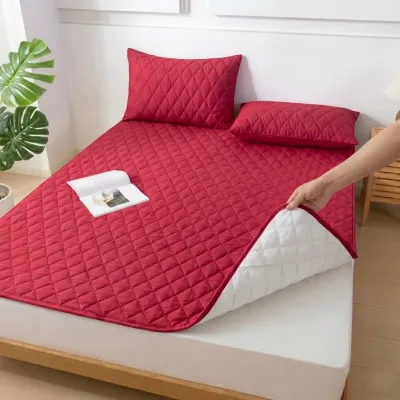
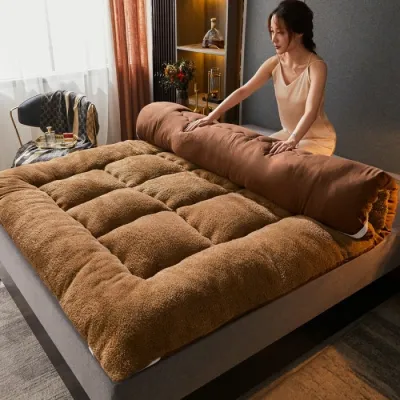
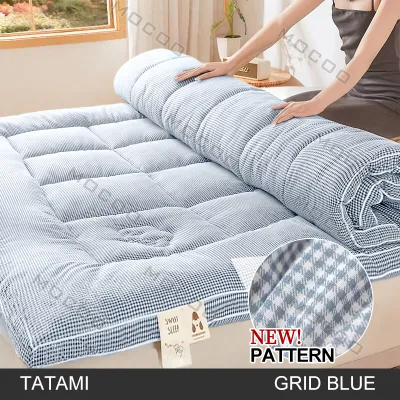
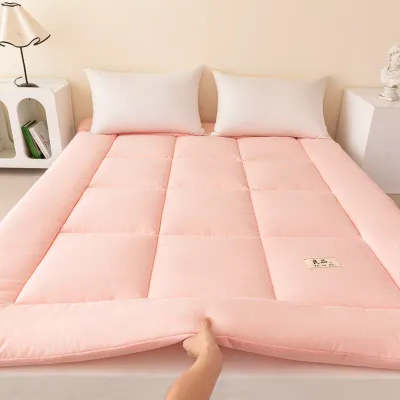
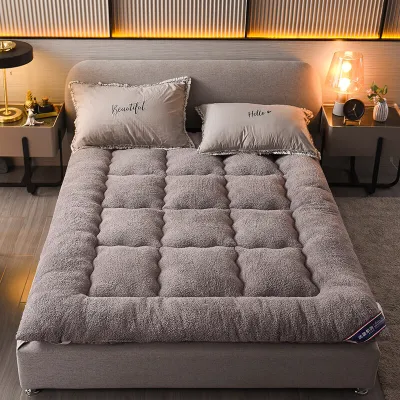
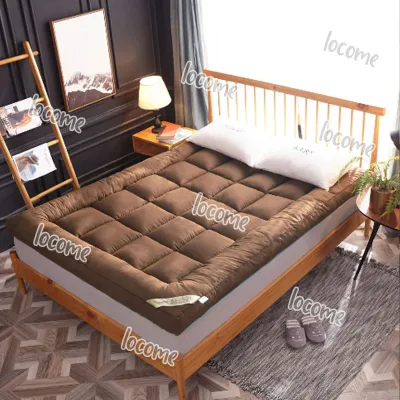
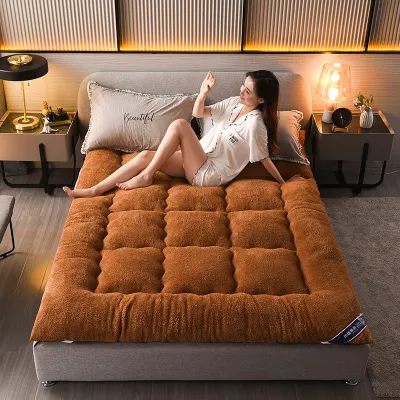
Prices are valid at publication and may change. Please refer to the product page for the latest price.
The tactile experience of velvet is deeply influenced by your room’s ventilation. In a bedroom that relies primarily on ceiling fans or open windows to catch the evening breeze, the high humidity of the Philippines—often exceeding 80%—will make a velvet surface feel uncomfortably warm and heavy. The plush fibers can cling to the skin when damp, leading to a restless, overheated night. Conversely, in a heavily air-conditioned room where temperatures are maintained between 18°C and 22°C, the insulating properties of velvet can provide a cozy, hotel-like comfort that shields you from the artificial chill of the AC unit.
The Hidden Factor: Topper Filling Matters More Than the Cover
While the velvet cover is the immediate contact layer against your body, the internal filling of the mattress topper plays a far more significant role in regulating your sleep temperature and resisting tropical humidity. The core material determines whether heat is allowed to flow through the topper and escape, or if it remains trapped directly beneath your body. When shopping, it is crucial to check the product specification label to identify the core material before making a purchase.

Different filling materials react uniquely to heat and humidity:
- Memory foam: Standard memory foam is highly dense and viscoelastic. It relies on your body heat to soften and contour to your shape. However, this dense molecular structure acts as a heat sink, trapping warmth and preventing airflow. When paired with a velvet cover, memory foam creates a double-insulation barrier that is highly likely to cause severe overheating in a tropical climate.
- Gel-infused or open-cell foam: To address heat retention, some manufacturers use open-cell foam or infuse gel beads into the material. Open-cell structures contain tiny pathways that allow air to circulate, while gel infusions are designed to absorb and distribute heat away from the body. While this combination performs better than standard memory foam, a dense velvet cover will still limit the overall cooling efficiency of the gel core.
- Natural latex: Harvested from rubber trees, natural latex is highly recommended for hot and humid climates. It features an inherent open-cell structure and is typically manufactured with pinholes to maximize ventilation. Natural latex does not retain body heat, offers a responsive bounce, and is naturally resistant to mold, mildew, and dust mites—common issues in the humid Philippine environment. Pairing a natural latex core with a velvet cover provides the best balance of plush surface texture and internal breathability.
Another key feature to search for is a removable, zippered cover. A topper with a fixed velvet cover locks you into using that material year-round. However, a model with a zippered, removable cover gives you the flexibility to adapt to changing seasons. During the peak of the dry, hot season from March to May, you can easily unzip and store the velvet cover, replacing it with a lightweight, breathable cotton or bamboo mattress protector, and then reattach the velvet cover during the cooler, rainy months of the year.
Practical Signs Your Sleep Setup Is Trapping Too Much Heat
If you are currently using a mattress topper or are testing a new setup, your body and bedroom environment will provide clear, observable indicators if the material combination is trapping too much heat. Recognizing these signs early allows you to make necessary adjustments before sleep deprivation or hygiene issues arise.
Pay close attention to these physical and environmental indicators:
- Night sweats and stickiness: Waking up in the middle of the night feeling damp, sticky, or overheated is a primary sign of poor thermal regulation. If you notice that your bedsheets feel damp to the touch when you wake up, even when your room temperature seems moderate, your topper is likely trapping moisture and body heat.
- Musty odors: High humidity combined with trapped body heat creates an ideal breeding ground for bacteria and mold. If you begin to notice a faint, musty odor coming from the edges of your mattress topper, it indicates that ambient moisture and sweat are not evaporating properly from the fabric and filling.
- Frequent tossing and turning: Your body naturally needs to drop its core temperature by a few degrees to initiate and maintain deep sleep. If your sleeping surface is too insulating, your body will struggle to cool down, causing you to toss and turn frequently throughout the night in an unconscious attempt to find a cooler spot on the bed.
If you experience these signs consistently, it is a clear threshold indicating that your current sleep setup is unsuitable for the local climate. Ignoring these warning signs can lead to long-term hygiene issues, such as mold growth within your mattress or skin irritation from trapped sweat.
How to Sleep Cooler If You Prefer or Already Own a Velvet Topper
If you already own a velvet mattress topper or are fully committed to its luxurious aesthetic, you do not necessarily have to discard it. By implementing strategic styling, environmental controls, and proper maintenance, you can significantly mitigate its heat-retaining properties and enjoy a cooler night’s sleep.
Use these practical strategies to optimize your sleep setup:
- The layering strategy: Instead of sleeping directly on or close to the velvet surface, introduce a high-quality, breathable barrier. Use a fitted sheet made from Tencel (lyocell), bamboo-derived viscose, or high-thread-count long-staple cotton over the topper. These materials are highly breathable and possess excellent moisture-wicking properties, pulling sweat away from your skin and allowing it to evaporate, while still letting you feel the plush cushioning of the velvet underneath.
- Optimize your bedroom environment: To offset the insulating nature of velvet, maximize the airflow in your room. If you use air conditioning, set a timer to maintain a cool temperature during the first few hours of sleep when your body temperature drops most significantly. If you rely on natural ventilation, position an electric fan to create cross-ventilation directly across the bed, which helps break up the warm microclimate that forms around the velvet pile.
- Regular maintenance and airing: Because velvet and its underlying filling can easily trap humidity, regular care is essential. Every few weeks, remove all bedding and allow the topper to air out in a well-ventilated, shaded space. Avoid placing the topper in direct, harsh sunlight, as intense UV rays can fade the fabric dye and damage the delicate fibers of the velvet pile. Always check the manufacturer's care label before attempting to spot-clean or wash the cover, as synthetic and natural velvets require different cleaning methods to prevent shrinking or matting.
Cooler Fabric Alternatives for Tropical Bedrooms
For those who are still in the decision-making phase and prioritize temperature regulation over a specific aesthetic, there are several fabric alternatives that are far better suited to the year-round heat and humidity of the Philippines. These materials offer a luxurious feel without the risk of trapping body heat.
Consider these climate-adapted bedding materials:
- Tencel (Lyocell): Made from sustainably sourced wood pulp, Tencel is exceptionally smooth, feels cool to the touch, and is highly efficient at absorbing and releasing moisture. It is an excellent choice for hot sleepers in humid climates.
- Bamboo-derived viscose: This fabric is naturally breathable, hypoallergenic, and incredibly soft. It drapes beautifully and excels at wicking away sweat, keeping your sleeping surface dry and comfortable throughout the night.
- Cotton percale: Woven with a simple one-over-one pattern, cotton percale has a crisp, matte finish reminiscent of high-end resort sheets. It allows maximum airflow, making it a timeless favorite for tropical climates.
To help you decide which material path to take, refer to this simple decision matrix:
| Sleep Environment & Preferences | Recommended Material | Key Benefit |
|---|---|---|
| Strictly climate-controlled (constant AC), prefers plush luxury | Velvet Topper | Maximum surface softness and cozy warmth |
| Naturally ventilated room, prone to night sweats, values hygiene | Natural Latex with Bamboo Cover | Superior airflow, moisture-wicking, and mold resistance |
| Warm room, prefers a smooth, silky feel with active cooling | Tencel or Bamboo Topper Cover | Active heat dissipation and dry sleeping surface |
| Humid environment, prefers a crisp, clean, traditional feel | Cotton Percale Cover | Maximum breathability and easy machine washing |
By matching your choice to your actual room conditions and sleeping habits, you can ensure a restful night’s sleep that keeps you comfortably cool, dry, and supported.

Community discussion
Share your experience or ask a question. Comments are reviewed before publication.