
Quick Answer: Maximizing Space and Safety in Small Offices
Finding the right books shelves organizer on wall for a compact home office in the Philippines requires balancing space efficiency, structural safety, and tropical durability. The most effective solution is to utilize vertical wall space with floating or modular shelving systems that keep the floor area clear while keeping your essential reference materials within arm’s reach.
To make the most of a limited workspace, prioritize shelves with a shallow depth—typically between 15 to 20 centimeters—which is sufficient for standard novels, textbooks, and office binders without protruding awkwardly into your active seating area. This ensures that your movement remains unobstructed, even in tight corner setups or shared bedroom-offices.
Before purchasing any shelving unit, it is crucial to verify your wall construction and the manufacturer’s specified weight limits. Because many homes in the Philippines feature concrete or hollow block walls, standard mounting hardware included in retail packaging may not always provide the necessary support for heavy books. Ensuring a secure installation from the start prevents sagging, wall damage, and potential safety hazards in your workspace.
Products mentioned in this guide
Prices are valid at publication and may change. Please refer to the product page for the latest price.
Evaluating Wall Conditions and Space Limitations
Before selecting a books shelves organizer on wall, taking precise measurements of your intended workspace is the first step toward a successful installation. Start by measuring the available wall width and height, keeping in mind the clearance needed for your office chair, desk lamp, and overhead lighting fixtures. You must ensure that when you stand up or lean back, your head and shoulders will not make contact with the lowest shelf.

The material of your wall dictates the type of mounting hardware and tools you will need. In the Philippines, residential walls generally fall into three categories: solid concrete, concrete hollow blocks, or drywall partitions. Solid concrete and hollow blocks are highly durable and can support substantial weight, but they require a hammer drill, masonry drill bits, and specialized wall plugs to install. Drywall partitions, which are common in newer condominium developments, require you to locate the underlying wooden or metal studs using a stud finder, as mounting heavy book shelves directly onto unsupported drywall can lead to structural failure.
Another critical step is checking for hidden hazards behind the wall surface before you begin drilling. Electrical conduits, water pipes, and structural columns are often embedded within residential walls. Using a multi-functional stud finder with live wire detection can help you map out safe drilling zones. If you are renting your home or condo, always check your lease agreement or consult the building administration regarding drilling policies, as some properties restrict permanent wall modifications and may require you to use non-damaging or freestanding alternatives.
Essential Features for Compact Home Office Storage
When shopping for a books shelves organizer on wall, look for features that offer flexibility and long-term utility. Modular configurations and adjustable shelving systems are highly practical for small offices because they allow you to change the height of individual shelves as your storage needs evolve. Whether you are storing tall reference manuals, standard paperbacks, or small storage bins, an adjustable system ensures that no vertical space is wasted.
Integrated cable management is another essential feature to consider, especially if you plan to place electronic devices like routers, charging docks, or small printers on your shelves. Look for shelving units with pre-drilled cable routing holes, rear gaps, or built-in clips that allow you to run power cords neatly down to the nearest outlet. This prevents a cluttered tangle of wires from disrupting your visual workspace and keeps your desk surface clean.
It is vital to rely strictly on manufacturer-specified load-bearing limits rather than making assumptions based on the visual thickness or material name of a shelf. A thick, rustic-looking wooden shelf might actually be made of lightweight hollow-core material with a low weight capacity, while a slim, powder-coated steel bracket system might support significantly more weight. Always verify the maximum weight rating per shelf and ensure that your wall type and mounting hardware can support that combined load.
Additionally, consider the local climate when evaluating shelf materials. The high humidity levels experienced during the wet season in the Philippines can cause untreated engineered woods, such as low-grade particleboard or medium-density fiberboard, to absorb moisture, swell, or sag over time. To ensure longevity, look for materials with moisture-resistant finishes, powder-coated metal frames, or solid wood options that are better suited to withstand tropical conditions.
Choosing the Right Shelf Style for Your Workflow
Selecting the right style of wall shelf depends heavily on how you interact with your books and office supplies throughout the workday. Different designs offer distinct advantages in terms of accessibility, visual weight, and storage capacity.
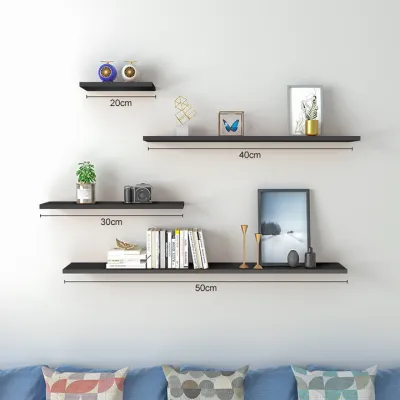
Floating Shelves Floating shelves feature hidden mounting brackets, giving them a clean, minimalist appearance that makes small rooms feel more open and less cluttered. They are excellent for displaying a curated selection of lightweight reference books, decorative plants, or motivational frames. Because they lack side supports, you will need to use heavy bookends to keep your books upright, or choose floating shelves with slightly raised edges to prevent items from sliding off.
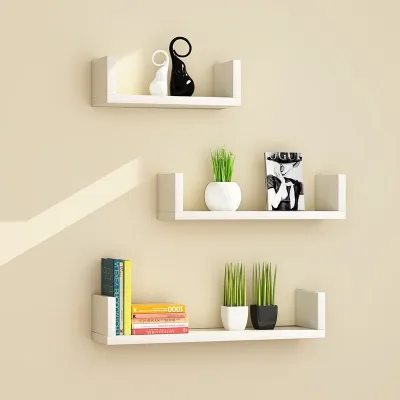
Ladder and Tiered Wall Shelves Ladder or tiered shelves mount to the wall at the top while leaning or securing close to the floor, providing multiple levels of storage that taper upward. This design is highly efficient for small offices because it utilizes vertical space without the bulky footprint of a traditional, deep bookcase. The lower, deeper shelves are perfect for heavy binders and storage boxes, while the shallower upper shelves can hold smaller books and office accessories, keeping the overall visual profile light and airy.
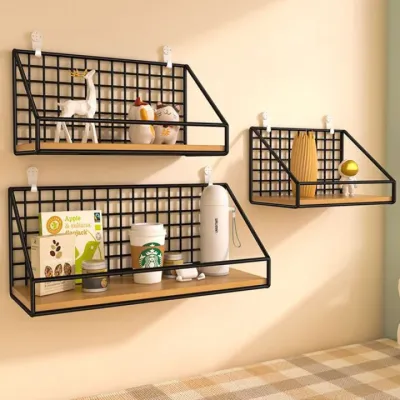
Cubby and Grid Wall Organizers Cubby systems and grid wall organizers divide your storage space into distinct, square or rectangular compartments. This style is highly effective for organizing diverse items, such as sorting documents into folders, placing small office supplies into fabric bins, and keeping books neatly categorized. The structured compartments prevent items from tipping over and make it easy to assign a specific home for every piece of office gear, reducing daily clutter.
Pre-Purchase Safety and Installation Requirements
A secure installation is the most critical factor in ensuring your wall-mounted shelves remain safe and functional for years to come. Before purchasing, make sure you have access to the correct tools and hardware required for your specific wall type.
When selecting wall anchors and screws, do not rely solely on the generic plastic plugs that often come in the box. For concrete or hollow block walls, high-quality nylon expansion plugs or sleeve anchors provide a much tighter grip and prevent the screws from loosening under the weight of heavy books. For drywall, heavy-duty toggle bolts or threaded drywall anchors are necessary if you cannot align the brackets directly with the wall studs.
Proper weight distribution is essential to prevent structural strain on both the shelf and the wall. Always place your heaviest items, such as thick textbooks, heavy binders, or office equipment, on the lowest shelves or directly on your desk surface. Keep lighter items, such as paperbacks, notebooks, and decorative pieces, on the higher shelves. This keeps the center of gravity low and minimizes the pulling force exerted on the top wall brackets.
If you encounter any difficulties during the installation process, such as a drill bit slipping, the wall material crumbling, or uncertainty about the location of electrical wires, stop immediately. It is always safer to consult a qualified local handyman or professional carpenter to complete the installation. Investing in professional help ensures that your shelves are mounted level, secure, and capable of holding your valuable books and equipment without risk of falling.
Frequently Asked Questions (FAQ)
How much weight can a standard floating shelf hold in a home office?
The weight capacity of a standard floating shelf typically ranges from 5 to 15 kilograms, but this limit depends heavily on the manufacturer’s specifications, the shelf’s depth, and the quality of the installation. A shelf mounted into solid concrete or directly into wooden wall studs will always support significantly more weight than one mounted into hollow drywall using basic plastic anchors. Always check the product manual for the exact load rating and ensure your mounting hardware matches your wall type to achieve the maximum specified capacity.
Are wall-mounted shelves safe for heavy textbooks and equipment?
Wall-mounted shelves can be safe for heavy textbooks and office equipment, provided they are rated for heavy-duty use and installed correctly. To ensure safety, use robust shelving systems with visible metal brackets or track systems rather than minimalist floating designs, which have less leverage support. Always distribute the weight evenly, place the heaviest items on the lowest shelves, and verify that your wall structure and anchors are rated to handle the total combined weight of the shelves and your books.

Community discussion
Share your experience or ask a question. Comments are reviewed before publication.