
Finding the right wall-mounted divider organizer rack for your home office in the Philippines requires balancing space efficiency, material durability, and structural safety. With many professionals and students working from compact urban condominiums or shared family homes, maximizing vertical space is essential for maintaining an organized and productive environment. A well-chosen wall organizer keeps essential documents, stationery, and devices within arm’s reach while keeping your desk surface clear. However, selecting the ideal system goes beyond simply picking an attractive design. You must consider how local environmental factors, such as high tropical humidity, and common residential construction materials, like solid concrete or hollow block walls, affect the performance and longevity of your shelving. By focusing on verifiable specifications, structural compatibility, and practical layout planning, you can secure a storage solution that enhances your workflow and keeps your workspace organized for years to come.
Key Evaluation Criteria for Wall-Mounted Racks
To choose a wall-mounted divider organizer rack that stands up to daily use, you must evaluate several critical factors before making a purchase.
First, prioritize material composition and surface finishes. The tropical climate in the Philippines brings high relative humidity, which can accelerate the deterioration of poorly protected materials. If you opt for metal organizer racks, verify that they feature a durable powder-coated or rust-resistant finish to prevent corrosion over time. For wooden or engineered wood shelves, look for sealed edges and moisture-resistant laminates. Untreated medium-density fiberboard (MDF) or particle board can absorb moisture from the air, leading to swelling, warping, and mold growth in non-air-conditioned rooms.
Products mentioned in this guide

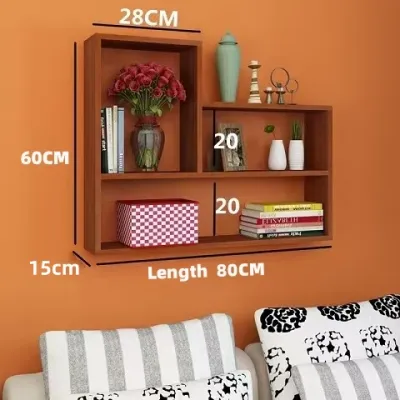
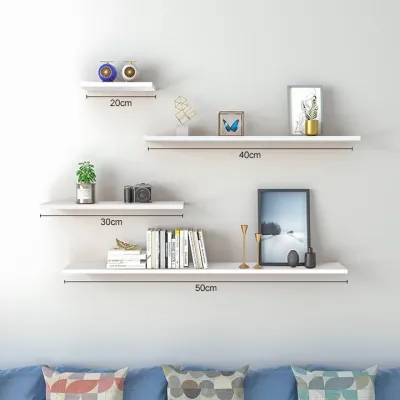
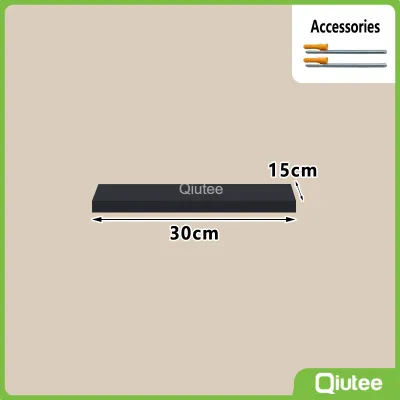
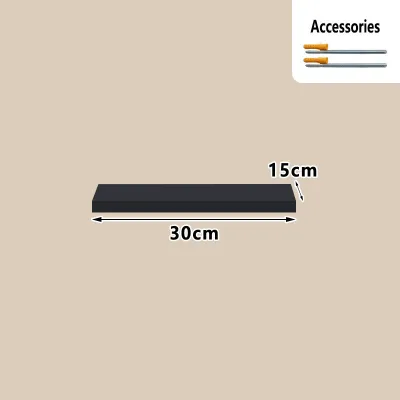
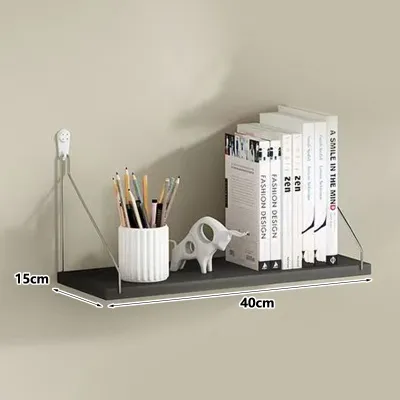
Prices are valid at publication and may change. Please refer to the product page for the latest price.
Second, assess the finished dimensions and spatial clearance of the organizer. Measure your available wall space carefully, taking into account nearby obstacles such as window frames, door swings, light switches, and wall-mounted air conditioning units. Ensure the depth of the rack does not obstruct your physical movement or block the flow of cool air from your AC. A rack that protrudes too far into a narrow walkway can become a safety hazard.
Third, examine the load capacity and anchoring system. Every wall-mounted organizer has a maximum weight limit determined by its structural design and the hardware used to secure it. Always check the manufacturer’s specifications for these weight limits. Keep in mind that these ratings usually assume installation into a solid wall. If you plan to store heavy items like textbook collections, reams of paper, or small printers, you will need a heavy-duty system with robust steel brackets and deep wall anchors.
Fourth, consider the flexibility of the dividers. Fixed-divider racks offer excellent structural rigidity but limit your storage options to specific item sizes. Modular or adjustable dividers allow you to customize the compartment widths to accommodate varying items, such as thin tablets, thick binders, or small storage bins. This adaptability is particularly useful if your home office setup changes over time.
Finally, inspect the joint construction and overall stability of the unit. For metal grid systems, look for clean, solid welds at every intersection. For wooden shelves, check if the joints are reinforced with dowels, screws, or metal brackets rather than simple adhesive. A sturdy frame prevents sagging and ensures the rack remains level under load.
Common Types of Wall-Mounted Divider Organizers
Wall-mounted organizers come in several distinct designs, each offering unique advantages depending on your storage needs, aesthetic preferences, and installation capabilities. Understanding these types helps you narrow down the best option for your specific home office layout.

Grid and Pegboard Panel Systems
Grid and pegboard panel systems are highly popular for modern home offices due to their exceptional modularity and clean, industrial look. These systems consist of a main backing panel—made of metal, wood, or heavy-duty plastic—that mounts securely to the wall. Once the panel is installed, you can attach a variety of accessories, including wire baskets, document dividers, pen cups, and small shelves, adjusting their positions whenever necessary.
When selecting a pegboard system for a home office in the Philippines, metal panels with a powder-coated finish are highly recommended for their strength and resistance to humid conditions. Plastic pegboards offer a lightweight and rust-proof alternative, but they generally support less weight and can degrade if exposed to direct sunlight near windows. Before purchasing, verify the compatibility of the accessories. Some pegboards use proprietary slot designs, meaning you can only use accessories from the same manufacturer, while others use standard peg spacing that allows you to mix and match parts from different brands.
Floating Shelves with Integrated Dividers
Floating shelves with integrated dividers provide a minimalist, streamlined appearance by hiding the mounting hardware inside the shelf body. These units typically feature a metal bracket that screws directly into the wall, over which the hollow shelf slides and secures. The integrated vertical dividers help keep books, folders, and files upright without the need for separate bookends.
Because floating shelves rely on internal support rods, their weight capacity is generally lower than that of bracketed shelves. It is crucial to check the depth of the internal bracket rods; longer, thicker rods provide better leverage and prevent the shelf from sagging forward over time. When sourcing these shelves, look for models made from high-quality plywood or solid wood with a protective polyurethane coating, as these materials handle humidity and physical wear better than low-grade particle board.
Modular Track and Rail Systems
Modular track and rail systems are the most robust and versatile option for heavy-duty home office storage. These systems utilize vertical metal tracks (or standards) that mount directly to the wall. Brackets are then inserted into the slots along the tracks, supporting shelves, wire baskets, and specialized divider units.
The primary advantage of track systems is their high load capacity and ease of adjustment. You can easily reposition shelves or add more dividers as your filing needs grow. Because the vertical tracks distribute the weight across multiple mounting points, these systems are ideal for storing heavy reference books, archive boxes, and office hardware. When planning a track system, ensure you have enough vertical wall space to accommodate the tracks, and verify that the vertical standards are installed perfectly parallel and level to prevent structural strain.
Installation Requirements and Safety Checks
Proper installation is the single most important factor in ensuring the safety, stability, and longevity of your wall-mounted divider organizer rack. A poorly installed rack can fall, causing damage to your office equipment, ruining your walls, or causing personal injury.
The first step is to identify your wall type. Most residential properties in the Philippines feature walls made of solid concrete, concrete hollow blocks, or plaster-coated brick. Some modern condominiums and renovated spaces use drywall or gypsum board over metal or wooden studs. Each wall type requires specific tools and fasteners.
For concrete or masonry walls, you must use a hammer drill equipped with a masonry drill bit. Standard rotary drills will struggle to penetrate concrete and can overheat. You will also need plastic or metal expansion wall plugs along with matching screws. The drill bit size must match the diameter of the wall plug exactly to ensure a tight, secure fit.
For drywall or gypsum walls, never rely on standard plastic wall plugs, as they can easily pull out under load. Instead, use a stud finder to locate the wooden or metal studs behind the drywall and mount your rack’s brackets directly into them using wood or self-tapping screws. If the bracket spacing does not align with your studs, you must use specialized heavy-duty hollow-wall anchors, such as toggle bolts or metal molly bolts, which expand behind the drywall panel to distribute the weight.
Before drilling any holes, perform a thorough safety check. Use a multi-detector or consult your home’s architectural plans to ensure there are no hidden electrical conduits, water pipes, or structural columns behind the target wall area. This is especially critical in high-rise condominiums where utility lines are often embedded in concrete walls.
Always use a spirit level to mark your drilling points. Even a slight tilt can cause items to slide off shelves or place uneven stress on the mounting brackets, leading to premature failure. Once the holes are drilled and the wall plugs are inserted, drive the screws in tightly, ensuring the brackets are flush against the wall surface with zero wobble. After mounting the organizer, apply gentle downward pressure to test its stability before placing any valuable electronics or heavy books on it.
Sourcing and Verifying Product Specifications
When shopping for wall-mounted divider organizer racks on online marketplaces or at local home improvement centers, it is easy to be misled by stylized product photos. To ensure you receive a product that meets your expectations and safety requirements, you must actively verify the specifications.
Avoid relying solely on promotional images, which often use digital rendering to make shelves appear larger or sturdier than they are. Instead, look for customer-submitted photos in the review sections. These real-world images provide a clearer picture of the actual material thickness, weld quality, and color accuracy. Pay close attention to photos showing the mounting brackets and the back of the organizer, as these components are critical for installation.
Carefully read the product description for exact dimensions, including width, depth, and height. Cross-reference these measurements with your prepared wall space using a physical tape measure. Do not guess the size based on the items shown in the photos, as those items may be smaller than standard office supplies.
Additionally, verify what hardware is included in the package. Many imported organizer racks come with basic screws and plastic plugs that may not be suitable for the tough concrete walls common in Filipino homes. Be prepared to purchase high-quality, heavy-duty wall plugs and screws separately from a local hardware store to ensure a secure installation. If the product listing does not specify the material or weight capacity, reach out to the seller directly to confirm these details before finalizing your purchase.
Frequently Asked Questions (FAQ)
How do I determine if my wall can support a loaded organizer rack?
To determine your wall’s load-bearing capacity, start by identifying its material. Tap on the wall with your knuckles: a solid, dull thud indicates concrete or masonry, which can support heavy loads when paired with the correct masonry anchors. A hollow, resonant sound indicates drywall or gypsum board, which has a much lower load capacity and requires anchoring directly into structural studs or using specialized toggle bolts. Always check the manufacturer’s rated weight limit for the organizer rack, and remember that this limit represents the maximum capacity under ideal installation conditions. If you are unsure about the wall’s structural integrity, limit the rack to lightweight items like stationery and letters.
Can I install wall-mounted racks on drywall or gypsum board?
Yes, you can install wall-mounted organizer racks on drywall, but you must follow specific safety protocols to prevent the rack from tearing out of the wall. Standard plastic expansion plugs should never be used on drywall for load-bearing shelves. Instead, locate the vertical wooden or metal studs behind the drywall using a stud finder, and screw the mounting brackets directly into them. If the studs do not align with your organizer’s mounting holes, use heavy-duty toggle bolts or hollow-wall anchors that grip the back of the drywall panel. Keep in mind that drywall installations have lower overall weight capacities than concrete installations, so avoid storing heavy books or heavy office equipment on drywall-mounted racks.

Community discussion
Share your experience or ask a question. Comments are reviewed before publication.