
Choosing the right shelf for your home office is a decision that directly impacts your daily productivity, physical comfort, and room organization. The ideal configuration depends on your available floor area, wall construction, and the weight of the items you need to store. Generally, you should choose a wall-mounted shelf if you have limited floor space and need to store lighter items; select a freestanding shelf if you have a large book collection and require layout flexibility; or opt for a corner shelf to maximize unused 90-degree angles in a compact room. By analyzing your specific spatial constraints and storage habits, you can select a setup that keeps your workspace organized and clutter-free.
Quick Diagnostic Guide: Which Shelf Fits Your Room?
To quickly narrow down your options, start by identifying your primary room constraint and immediate storage needs. Wall-mounted shelves are highly efficient space-savers for small home offices. If your floor area is already occupied by a desk, chair, and filing cabinet, utilizing your walls keeps the floor clear, making the room feel more spacious and significantly easier to sweep or vacuum. This setup is well-suited for light storage, such as decorative plants, a few reference books, or small office supplies.
Freestanding shelves, on the other hand, are the ideal match for heavy book collections, binders, and tech equipment. If you have a large volume of items to store and want the flexibility to rearrange your room layout in the future, a freestanding unit is your most practical option. It is also the preferred choice for rental properties where drilling deep holes into the walls is restricted or prohibited by your lease agreement.
Products mentioned in this guide
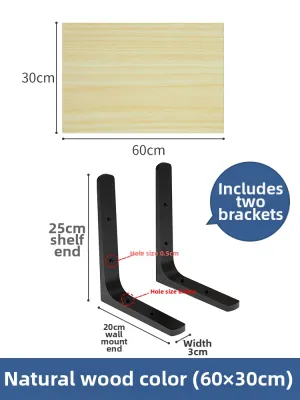
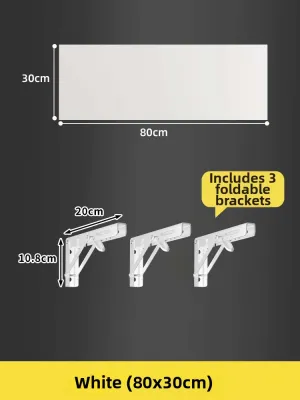
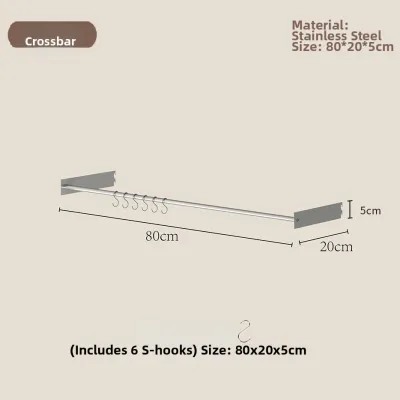
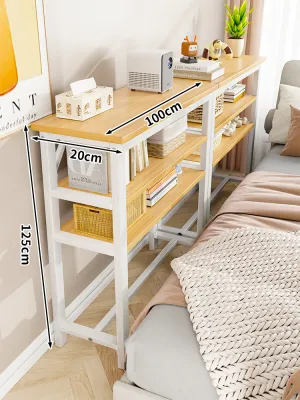
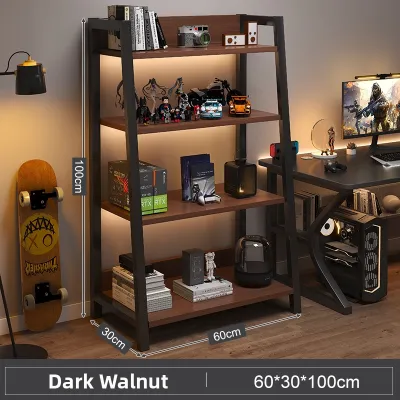
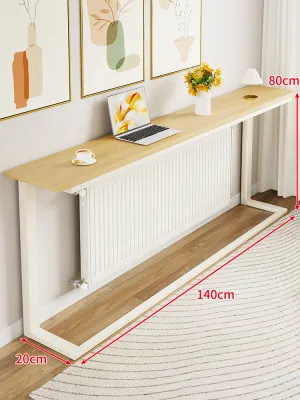
Prices are valid at publication and may change. Please refer to the product page for the latest price.
Corner shelves are designed specifically to reclaim awkward, underutilized spaces. If your home office has a tight layout with an empty 90-degree corner, a corner shelf provides compact display space and secondary storage without encroaching on your main walkways. It is highly effective for holding small items, charging stations, or decorative accents that would otherwise clutter your desk.
Assessing Your Room Layout and Physical Space
Before purchasing any shelving unit, you must conduct a thorough physical assessment of your home office to ensure the configuration you choose is structurally viable.

For wall-mounted options, checking wall integrity is your first priority. In many homes in the Philippines, walls are constructed from solid concrete, concrete hollow blocks, or plaster over brick rather than drywall. Concrete walls offer excellent load-bearing capacity but require a hammer drill, masonry drill bits, and high-quality wall plugs for installation. If your office has drywall, you must locate the wooden or metal studs using a stud finder; mounting heavy shelves directly into drywall without stud support can lead to structural failure. Additionally, measure the vertical clearance above your desk or seating area to ensure you will not accidentally bump your head when standing up.
For freestanding units, you must measure the exact floor footprint and compare it against the room’s traffic flow. Use painter’s tape to outline the depth and width of the shelf on the floor to visualize how much space it will occupy. Remember to account for the depth of your baseboards, which can prevent a tall bookcase from sitting completely flush against the wall. Ensure there is ample clear space in front of the shelf so you can comfortably access your items and move your office chair without obstruction.
For corner shelves, identify an unused 90-degree corner and measure the depth along both adjacent walls. Check for nearby obstacles such as windows, light switches, electrical outlets, or air conditioning vents. A corner shelf placed too close to a window might block natural light, while one blocking an outlet will make routing cables for your office electronics incredibly difficult.
Evaluating Your Storage Load and Daily Usage
Understanding what you intend to store prevents structural sagging, damage to your belongings, and potential safety hazards over time.
Begin by estimating the total weight of the items you plan to place on the shelves. Books, paper reams, printers, and heavy binders accumulate weight quickly. In tropical climates with high humidity, wood and composite materials like particleboard or medium-density fiberboard (MDF) are more susceptible to moisture absorption, which weakens their structural integrity and causes them to sag under heavy loads. If you have a substantial collection of heavy textbooks, you will need a robust freestanding unit with thick, solid wood or reinforced metal shelves.
Next, decide between fixed display storage and high-capacity, adjustable storage. Corner and wall-mounted shelves are excellent for curated displays, frequently used reference books, and decorative items, but they offer limited surface area and fixed heights. If your storage needs change frequently, look for freestanding bookcases with adjustable shelving pegs. This allows you to customize the height of each compartment to accommodate tall binders, storage boxes, or electronic equipment.
Finally, consider your long-term flexibility and future reconfiguration needs. If you anticipate moving your home office to another room, rearranging your desk layout, or moving to a new home, freestanding units offer the easiest transition. Wall-mounted shelves, once installed, are permanent fixtures; removing them requires patching holes, sanding, and repainting the wall, which can be time-consuming and costly.
Comparing Wall-Mounted, Freestanding, and Corner Options
To finalize your selection, it is helpful to compare the specific advantages, limitations, and ideal use cases of each configuration side by side.
Wall-mounted shelves excel at utilizing vertical space and keeping your floor completely clear. They create a modern, minimalist aesthetic and can be positioned at any height to suit your ergonomic needs. However, their primary limitation is weight capacity. Because they rely entirely on wall anchors and brackets, they cannot safely support massive book collections or heavy office machinery. They also require permanent drilling, making them less suitable for temporary living situations.
Freestanding shelves are the undisputed workhorses of home office storage. They offer the highest weight capacity, the most surface area, and the greatest organizational flexibility. Some double-sided freestanding units can even serve as functional room dividers, helping to separate your workspace from a bedroom or living area. The main trade-off is their large physical footprint, which can make a small room feel cramped. They also require careful assembly and must be anchored to the wall to prevent tipping.
Corner shelves are the ultimate space-saving solution for awkward layouts. They turn dead space into functional storage and add visual interest to the room. However, their triangular or compact design severely limits the size and shape of items you can store. They generally have a lower weight capacity than standard freestanding units, and their shelves are rarely adjustable, meaning you must plan your storage around their fixed dimensions.
Installation, Safety, and Pre-Purchase Verifications
Safety, structural integrity, and logistics should be your top priorities before finalizing any furniture purchase.
First, verify your wall type and select the appropriate mounting hardware. If you are installing wall-mounted shelves on concrete, use heavy-duty masonry anchors. For drywall, use toggle bolts or anchor directly into studs. If you are unsure of your wall’s material or load-bearing capacity, always consult a qualified local carpenter or professional installer to prevent costly wall damage or falling shelves.
Second, check your home’s delivery logistics. Before ordering a large freestanding bookcase, measure the width and height of your doorways, stairwells, hallways, and elevator doors. Many high-capacity shelves are delivered in flat packs that require assembly inside the room, but you must still ensure the packaged boxes can be easily transported to your home office.
Third, prioritize stability and safety. Tall freestanding units must always be secured to the wall using anti-tip kits, especially in homes with children or pets. In regions prone to seismic activity or high humidity, regularly inspect your shelves to ensure that joints, brackets, and wall anchors remain tight, secure, and free from rust or moisture damage.
Frequently Asked Questions (FAQ)
Can I combine different shelf types in one home office?
Yes, combining different shelf types is an excellent way to balance storage capacity and visual weight in your home office. For example, you can place a heavy freestanding bookcase along one wall to hold your primary files and reference books, while mounting a light floating shelf above your desk for decorative items or daily essentials. When mixing configurations, ensure you maintain clear walkways and place your heaviest items on the most stable, floor-based units to keep the room safe and easy to navigate.
How do I check if my wall can support a mounted shelf?
To determine your wall’s capacity, tap on it gently to identify the material. A hollow sound indicates drywall, which requires a stud finder to locate the wooden or metal studs for secure mounting. A solid, dull sound indicates concrete or brick, which can support heavier loads but requires a hammer drill and masonry anchors. If you notice any cracks, moisture damage, or crumbling plaster on the wall surface, stop immediately and consult a professional installer to assess the wall’s structural integrity before drilling.

Community discussion
Share your experience or ask a question. Comments are reviewed before publication.