
Choosing between a wall-mounted bookshelf and a freestanding bookcase for your study room comes down to a balance of structural support, floor space, and how permanently you want to commit to a layout. While wall-mounted shelves free up valuable floor area and create a modern, airy look, freestanding units offer unmatched storage capacity and the flexibility to rearrange your furniture whenever you please. Deciding on the right option requires looking closely at your room’s physical dimensions, your wall construction, and the actual weight of the items you plan to store.
A well-planned study room should promote focus and productivity, which means minimizing clutter and ensuring your books are easily accessible. The wrong shelving choice can lead to cramped walkways, sagging shelves, or even safety hazards if the unit is not suited to your wall type. By evaluating your space, storage needs, and installation capabilities, you can select a shelving system that is both highly functional and visually appealing.
Key Differences Between Wall-Mounted and Freestanding Bookshelves
To make an informed decision, it is helpful to understand the fundamental structural and functional distinctions between these two popular shelving styles. Wall-mounted bookshelves, often referred to as floating shelves, are anchored directly to the wall and do not touch the floor. This design leaves the floor space beneath them completely open, creating a sense of lightness and visual spaciousness. They are highly customizable, allowing you to arrange individual shelves in staggered patterns or aligned columns.
Products mentioned in this guide
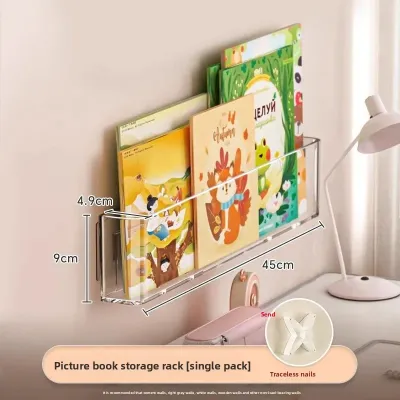
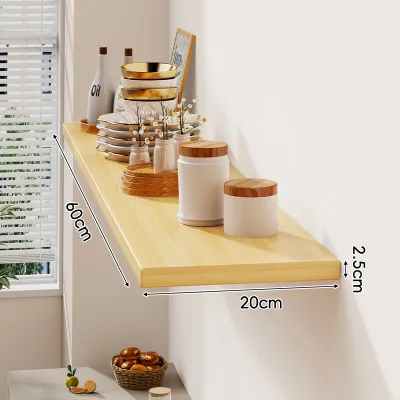
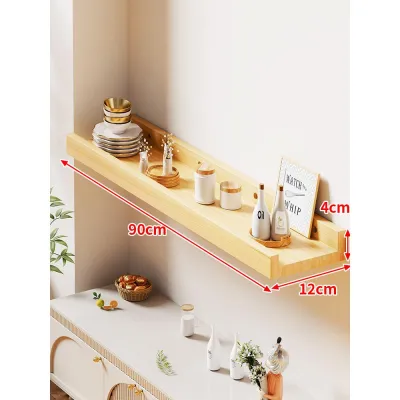
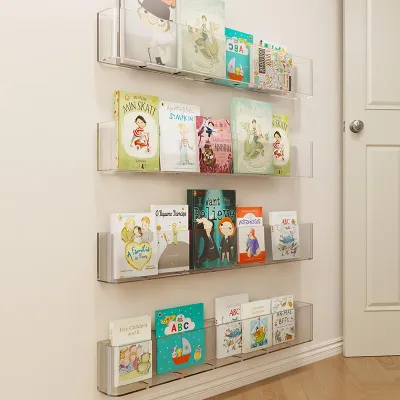
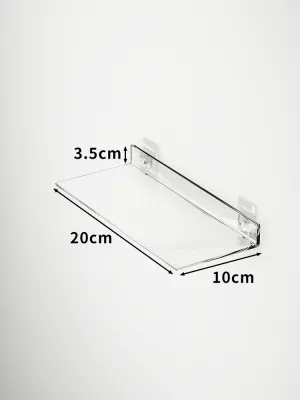
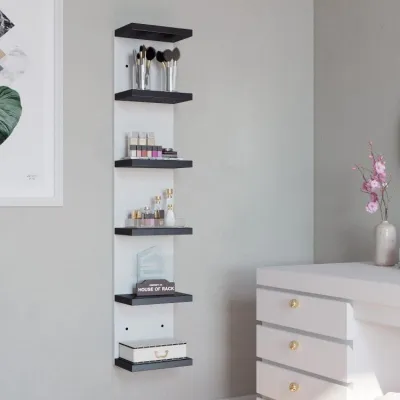
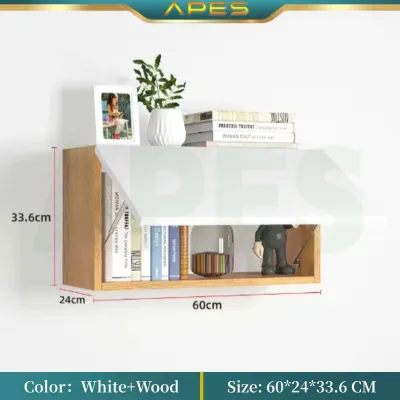
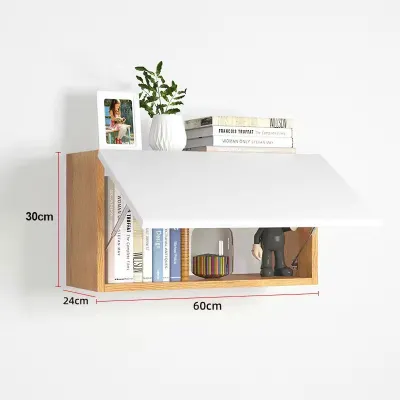
Prices are valid at publication and may change. Please refer to the product page for the latest price.
Freestanding bookshelves are self-supporting furniture pieces that rest their entire weight on the floor. These units range from low, two-shelf bookcases to massive, ceiling-height library walls. Because they stand on the ground, they have a more substantial visual presence and can act as anchor pieces in a room’s design. They are incredibly easy to set up, often requiring only basic assembly before they are ready to be filled with books.
The choice between these two styles significantly impacts the flow and feel of your study room. Below is a summary of the key differences to help you compare their primary characteristics at a glance:
| Feature | Wall-Mounted Bookshelves | Freestanding Bookshelves |
|---|---|---|
| Floor Space Usage | Zero floor footprint; suspended entirely on the wall | Occupies dedicated floor area along the wall |
| Mobility | Permanent; requires uninstallation and wall repair to move | Highly mobile; easy to slide, relocate, or take with you |
| Typical Use Cases | Displaying decor, light reading collections, compact rooms | Storing heavy textbooks, large volumes, flexible layouts |
| Installation Effort | High; requires precise drilling, leveling, and wall anchors | Low to medium; assembly required, plus anti-tip wall anchoring |
| Visual Weight | Light and airy; makes small rooms feel more open | Solid and grounding; can dominate a small space |
While both options serve the primary purpose of holding your books, they cater to very different room dynamics and lifestyle needs. Understanding these basic differences is the first step in determining which system will work best for your specific study room layout.
Evaluating Your Study Room Layout and Space
The physical layout of your study room is one of the most critical factors in choosing the right shelving system. In compact study rooms or urban apartments where floor space is limited, preserving walkway clearance is essential. A bulky freestanding bookcase can quickly make a small room feel cramped, blocking natural light and restricting movement. Wall-mounted shelves excel in these tight spaces because they utilize the vertical ‘dead space’ on your walls, leaving the floor clear for a desk, an office chair, or even a small filing cabinet.

Ceiling height and visual weight also play a major role in how a bookshelf affects your room’s atmosphere. Tall freestanding bookcases can make a room with high ceilings feel cozy and grand, resembling a classic home library. However, in a room with low ceilings, a tall, dark bookcase can feel imposing and visually shrink the space. Wall-mounted shelves offer more flexibility here; you can install them at any height, leaving open space above and below to maintain a bright, airy feel.
Another spatial consideration is how you plan to use the room in the future. If you live in a rental property or enjoy rearranging your furniture periodically to refresh your workspace, freestanding bookshelves offer unmatched flexibility. You can easily slide them to a different wall, move them to another room, or pack them up when you relocate. Wall-mounted shelves, by contrast, are a long-term commitment. Moving them requires unscrewing the brackets, patching the holes with plaster, sanding, and repainting the wall, which can be a tedious process.
Matching Storage Needs and Weight Constraints
Before purchasing any shelving system, it is vital to assess the size and weight of your book collection. Books are deceptively heavy, and overloading a shelf can lead to structural damage or safety hazards. Freestanding bookcases are generally the better choice for heavy storage because their weight is supported directly by the floor. This structural advantage allows them to hold dense, heavy items like law books, medical textbooks, thick binders, and heavy office equipment without putting stress on your walls.
When shopping for bookshelves, always check the manufacturer’s product label or instruction manual to verify the specific weight limits. These limits are typically listed as a maximum weight capacity per shelf. For wall-mounted shelves, this capacity is highly dependent on both the shelf material and the quality of the wall anchors used. While a sturdy wooden wall shelf might be rated for a certain weight, that rating is only valid if the brackets are properly anchored into solid structural supports.
Storing lightweight items like paperbacks, novels, framed photos, and decorative plants is where wall-mounted shelves truly shine. However, if you attempt to load them with heavy reference books, you risk structural failure. It is important to regularly inspect your shelving for observable signs of stress. Look for a visible sag in the middle of the shelves, brackets that appear to be pulling away from the wall, or a freestanding unit that wobbles or leans. If you notice any of these warning signs, immediately remove the heavy items to prevent the shelf from collapsing.
Installation Constraints and Wall Structural Checks
The feasibility of installing your chosen bookshelf depends heavily on your wall type and your DIY skills. In many homes, particularly in tropical regions like the Philippines, walls are commonly constructed from solid concrete or concrete hollow blocks (CHB). Other homes may use drywall or gypsum board over wooden or metal studs. Identifying your wall type is a crucial first step, as it dictates the type of tools and hardware you will need for a secure installation.
Mounting shelves onto concrete or masonry walls requires a hammer drill, masonry drill bits, and heavy-duty plastic or metal expansion anchors. These anchors expand inside the concrete to grip the wall tightly, providing a highly secure hold for wall-mounted brackets. If you are installing shelves on drywall, you must use a stud finder to locate the wooden or metal studs behind the wall. Fastening brackets directly into drywall without securing them to a stud—even when using drywall anchors—is highly risky for holding heavy books, as the drywall can easily crumble under tension.
For a successful wall-mounted installation, you will need basic tools such as a power drill, a spirit level to ensure your shelves are perfectly straight, a tape measure, and a pencil. If you do not feel comfortable using these tools, or if you are unsure about what lies behind your walls (such as electrical wiring or plumbing pipes), it is best to halt the project and consult a professional installer.
Even if you choose a freestanding bookcase, installation safety should not be overlooked. Tall freestanding units pose a serious tipping hazard, especially in earthquake-prone areas or in homes with active pets and children. To prevent accidents, tall bookcases must be secured to the wall using anti-tip anchoring kits. These kits typically consist of brackets and straps that connect the top of the bookcase to a wall stud or concrete wall, ensuring the unit remains stable even if it is accidentally bumped or climbed on.
How to Choose the Right Bookshelf for Your Study
To finalize your decision, it helps to apply a structured framework that matches your specific living situation and storage requirements. By weighing the pros and cons of each system against your physical space, you can confidently select the bookshelf that will serve you best over the long term.
Choose Wall-Mounted If:
- Your study room has limited floor space, and you want to keep walkways completely clear.
- You prefer a modern, minimalist, or floating aesthetic that makes the room feel larger.
- Your walls are made of solid concrete or have easily accessible structural studs.
- You are a homeowner or have permission from your landlord to drill permanent holes in the walls.
Choose Freestanding If:
- You have a large, heavy collection of textbooks, binders, or reference manuals.
- You live in a rental property with strict rules against drilling or wall modifications.
- You want the flexibility to rearrange your study layout or move the furniture to another room.
- You prefer a straightforward assembly process that does not require heavy drilling into masonry.
Verify First If:
- Wall Integrity: Check if your walls are crumbly, damp, or showing signs of structural wear before mounting any heavy loads. In humid tropical climates, moisture can weaken certain wall materials over time.
- Material Quality: Ensure the shelving material can withstand local humidity without warping. For example, check if engineered wood shelves have a protective laminate or sealant to resist moisture.
- Clearance: Measure your study room carefully, ensuring that a freestanding unit will not block light switches, electrical outlets, air conditioning units, or door swings.
Before making your final purchase, go through a quick checklist. Measure the exact height, width, and depth of the space where the bookshelf will go. Compare these measurements against the product specifications on the online marketplace or retail store. Whether you are looking at a budget-friendly ₱1,500 flat-pack unit or a premium custom-built system, verifying the structural limits is essential. Finally, ensure you have the correct mounting hardware and tools on hand, so your new study room setup is both beautiful and structurally secure.

Community discussion
Share your experience or ask a question. Comments are reviewed before publication.