
Steel rack shelves offer a highly durable storage solution for home offices and workspaces, but their weight capacity varies significantly based on material thickness, design, and assembly. Generally, light-duty steel shelving can support around 30 kg to 50 kg per tier, while heavy-duty industrial racks can easily handle 200 kg to over 300 kg per shelf. To store heavy books, paper archives, and office equipment safely, you must understand how these weight limits are calculated and how to distribute the load to prevent structural failure.
Decoding Load Capacity Specifications
When shopping for a steel rack shelves metal unit, the most critical specification to look for is the Uniformly Distributed Load (UDL) rating. A UDL rating assumes that the weight of your books or equipment is spread evenly across the entire surface of the shelf. In contrast, a point load refers to weight concentrated in one specific spot, such as a heavy desktop printer resting on small rubber feet. Placing a heavy point load on a shelf rated only for UDL can cause the steel to bow or crease, even if the total weight is well below the maximum limit.
To verify these limits, always consult the manufacturer’s official product labels, assembly manuals, or verified online store listings. Do not rely on generic material assumptions, as steel thickness and frame design vary widely. Exceeding the specified weight limit compromises the structural integrity of the entire unit, increasing the risk of sudden collapse and typically voiding any manufacturer warranties.
Products mentioned in this guide

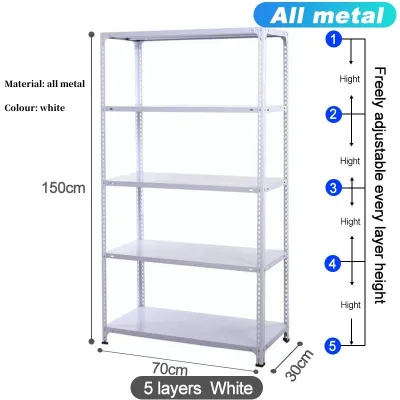

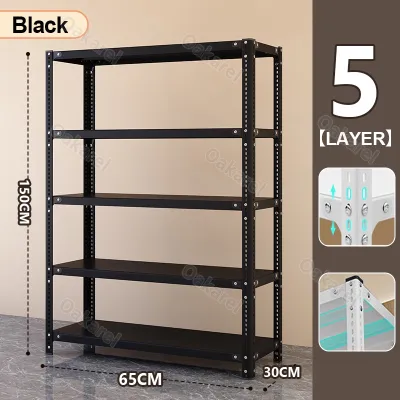
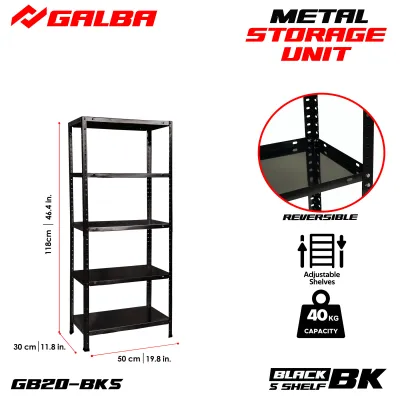
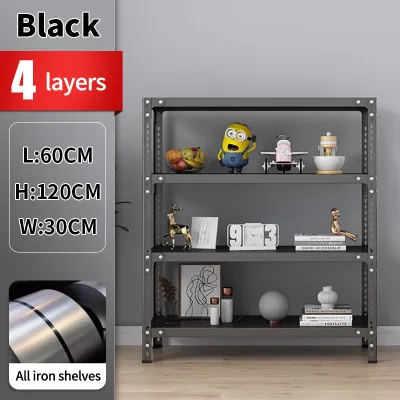
Prices are valid at publication and may change. Please refer to the product page for the latest price.
Calculating the Weight of Your Books and Equipment
Before organizing your workspace, estimate the cumulative weight of the items you plan to store. Books are deceptively heavy; a single shelf filled with standard paperbacks, thick hardcovers, or boxed document files can easily weigh 15 kg to 30 kg depending on the shelf width. To get an accurate estimate, weigh a small stack of your typical books on a household scale and multiply that by the total length of the shelf.

For office equipment like laser printers, paper shredders, and scanners, check the physical specification labels on the back or underside of the machines, or refer to their user manuals. A standard office printer can weigh anywhere from 10 kg to over 25 kg. Once you have calculated the total weight of your books and machines, add a practical safety margin of at least 15 to 20 percent. This buffer accounts for future book purchases, extra reams of copy paper, and unexpected storage needs without pushing the steel rack to its absolute limit.
Structural Features That Determine Shelf Strength
Not all steel shelves are built the same, and several physical design elements dictate their actual load-bearing potential. Look closely at the shelf board thickness and construction. High-quality steel shelves often feature folded edges, which significantly increase resistance to bending under vertical pressure. Additionally, look underneath the shelf panel for welded reinforcement ribs or support channels running lengthwise, as these prevent the center of the shelf from sagging.
In humid tropical climates, raw steel is highly susceptible to rust. Instead of assuming any metal rack is durable, check the manufacturer’s specifications for a protective powder-coated or galvanized finish, and inspect the joints regularly for signs of moisture damage. The upright posts and overall frame stability are equally important. Thicker upright posts with wider dimensions provide better resistance to buckling. Cross-bracing—diagonal steel bars connecting the rear or side posts—is essential for lateral stability, preventing the rack from swaying or leaning when loaded with heavy office archives. Finally, consider the connection method: heavy-duty units often use boltless keyhole slots or robust adjustable shelf clips, whereas lighter units might rely on thin, friction-fit plastic collars. Welded or bolted connections generally offer more rigid support under maximum loads compared to basic adjustable clips.
Safe Setup and Weight Distribution Rules
Proper installation and smart loading are crucial to maintaining the structural integrity of your steel rack shelves metal unit. Before assembling your shelving, verify the finished dimensions against your available office space, ensuring there is enough clearance for doorway access and assembly. Always place your heaviest items, such as bulk paper reams, heavy reference binders, and large multi-function printers, on the bottom shelves. This lowers the center of gravity of the entire unit, making it much more stable and less prone to tipping.
Ensure the shelving unit is assembled on a completely level floor. In humid environments, wooden floors or soft tiles can settle unevenly under heavy loads, so using shims or adjusting the leveling feet is highly recommended. If the manufacturer’s instructions recommend or include anti-tip wall anchors, secure the rack to a wall stud or solid masonry. This is especially important for tall, narrow racks loaded with heavy books on the upper tiers. When placing items, distribute the weight evenly from back to front and side to side, keeping the heaviest objects close to the upright supports rather than clustered in the middle of the shelf.
Frequently Asked Questions (FAQ)
How to spot signs of an overloaded steel shelf
The most obvious visual indicator of an overloaded shelf is bowing or sagging along the front or rear edge of the steel panel. If you notice a visible curve when looking at the shelf from eye level, the metal is under excessive stress and needs immediate unloading. Another physical sign is frame distortion; if you find it difficult to adjust the height of adjacent shelves, or if the support clips are pinched tightly and cannot be easily removed, the upright posts or shelf tabs may have warped under too much weight.
How the number of shelves impacts total unit capacity
It is vital to distinguish between the maximum load capacity of an individual shelf and the total weight limit of the entire freestanding frame. For example, if a five-tier rack specifies a limit of 50 kg per shelf, the total frame capacity is 250 kg. Adding a sixth shelf to this unit does not increase the overall frame capacity to 300 kg; the upright posts and joints can still only safely support the original 250 kg limit. Always ensure the combined weight of all stored items across all shelves does not exceed the manufacturer’s maximum total unit capacity.

Community discussion
Share your experience or ask a question. Comments are reviewed before publication.