
Finding a comfortable office chair under ₱5,000 in the Philippines requires balancing your expectations with manufacturing realities. At this entry-level price point, you can realistically secure essential ergonomic features such as pneumatic seat height adjustment, basic lumbar support, and a breathable mesh backrest. However, premium mechanisms like multi-dimensional armrests, synchronized tilting, and high-density molded foam are generally unavailable. Understanding what is achievable within this budget prevents impulse purchases that might lead to discomfort or premature product failure.
Setting Realistic Expectations for Budget Ergonomic Chairs
Many buyers confuse thick, plush padding with genuine ergonomic support. In reality, a heavily padded executive chair without proper structural contours often promotes slouching and traps heat, which is particularly uncomfortable during humid afternoons. True ergonomic design focuses on supporting the natural S-curve of your spine and allowing you to adjust the chair to fit your body dimensions.
At the sub-₱5,000 price tier, manufacturers must make clear trade-offs. Instead of complex, dynamic mechanisms that adapt to your every movement, budget chairs rely on static, manual adjustments. These foundational elements are designed to keep you stable and aligned while working at your desk, rather than offering a weightless, reclining experience.
Products mentioned in this guide
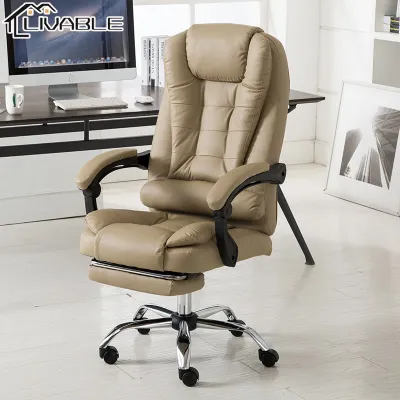
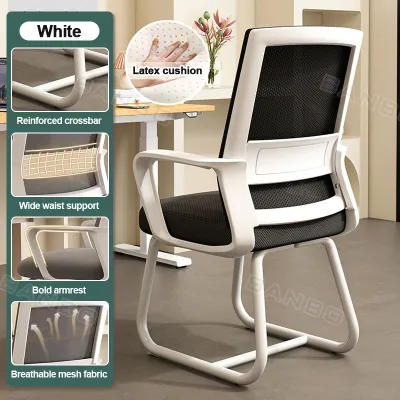
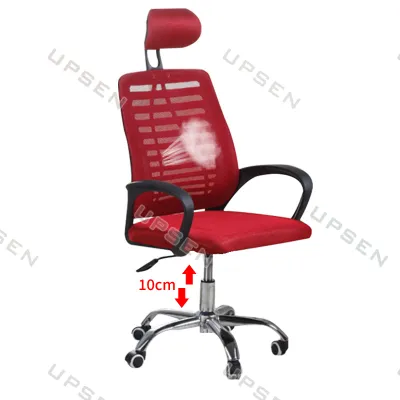
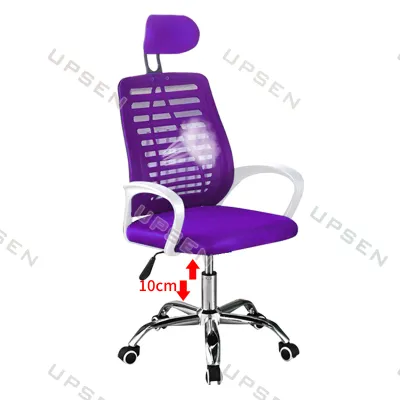
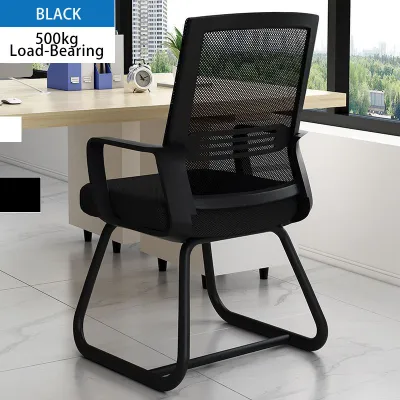
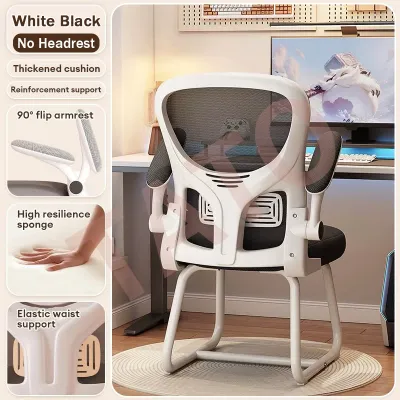
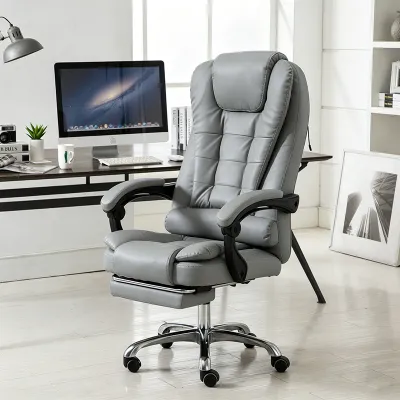
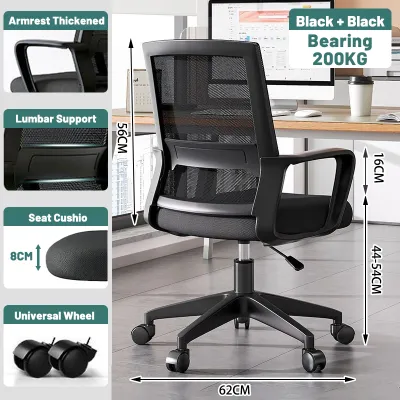
Prices are valid at publication and may change. Please refer to the product page for the latest price.
When browsing online marketplaces, it is crucial to verify seller claims against the actual technical specifications. Listings frequently use terms like “orthopedic” or “fully adjustable” as marketing buzzwords. To avoid disappointment, look past the titles and examine the product diagrams, dimensions, and user-uploaded photos to confirm which parts actually move.
Prioritizing Essential Adjustments Over Marketing Gimmicks
With a limited budget, every peso should go toward features that directly support your body during long hours of desk work. It is easy to be swayed by flashy additions like built-in footrests or massage pillows, but these are often low-quality gimmicks that break quickly. Focusing on core mechanical adjustments ensures a safer and more durable seating experience.

Your work habits and desk setup should dictate which compromises you are willing to make. For instance, if you work on a standard-height desk for eight hours a day, a reliable gas lift and a supportive backrest are far more critical than a deep recline function. Prioritizing these essentials helps you filter out over-designed but poorly constructed models.
Non-Negotiable Posture Supports
Pneumatic seat height adjustment is the absolute baseline for any office chair. This mechanism allows you to align your seat so that your feet rest flat on the floor, keeping your thighs parallel to the ground and reducing pressure on the back of your knees. In the Philippines, where desk heights can vary significantly between custom-built home setups and standard office furniture, this adjustment is vital for maintaining proper circulation.
Lumbar support is another critical feature that must not be overlooked. In this price range, you will typically find either a fixed plastic band behind the mesh backrest or a basic height-adjustable lumbar pad. While these lack the sophisticated depth adjustments of premium chairs, they still provide the necessary resistance to keep your lower back from flattening into a slouch.
A basic tilt mechanism with tension control is also essential for comfort. Even budget chairs should allow you to unlock the backrest for a slight recline, which helps relieve spinal pressure during breaks. The tension knob beneath the seat is crucial here, as it lets you adjust how much resistance the chair offers when you lean back, preventing a sudden, jarring drop.
Features You Will Likely Need to Compromise On
Multi-dimensional armrests—such as 3D or 4D arms that adjust for height, angle, and depth—are virtually non-existent under ₱5,000. Instead, you should expect fixed plastic armrests or basic flip-up designs. While fixed arms limit your ability to align them perfectly with your desk surface, they are often structurally sturdier than cheap, loose adjustable arms found on low-end models.
Advanced synchro-tilt mechanisms, where the backrest reclines at a faster rate than the seat to keep your feet flat, are replaced by simple center-tilt systems. In a center-tilt setup, the entire chair rocks back as a single unit. This can lift your knees slightly when you recline, which is a minor compromise but a necessary one to keep manufacturing costs down.
Material quality is another area of compromise, particularly regarding the seat cushion. While premium chairs use high-density molded foam that retains its shape for years, budget models typically use cut polyurethane foam. To offset this, many budget chairs feature mesh backrests, which are highly desirable in tropical climates because they allow air to circulate, keeping you cool during hot days.
How to Evaluate Build Quality and Material Durability
The base and casters bear the entire weight of the user and the chair, making them critical safety components. At this price point, bases are usually made of heavy-duty nylon or chrome-plated steel. While steel bases look premium, a high-quality reinforced nylon base is often more resilient against high humidity, as it will not rust over time.
Caster material determines how smoothly the chair moves and whether it will damage your flooring. Standard nylon casters are common in budget chairs and work well on carpets or plastic chair mats, but they can scratch delicate wooden floors or make a loud scraping noise on ceramic tiles. If you have tile or wood flooring, look for chairs with polyurethane coated casters, or plan to purchase them separately as an inexpensive upgrade.
Foam density directly impacts how long the seat remains comfortable. Low-density foam flattens within a few months, leaving you sitting directly on the hard wooden or plastic seat pan. Since manufacturers rarely publish exact foam density ratings for budget chairs, you must rely on user reviews and product photos to check the thickness and firmness of the cushion.
Always check the rated weight capacity and the gas lift class before purchasing. A reliable budget chair should feature a Class 3 or Class 4 gas lift cylinder, which is certified for safety and smooth operation. Avoid chairs that do not specify their weight limits or gas lift ratings, as sub-standard cylinders can lose pressure quickly, causing the chair to sink unexpectedly during the workday.
Navigating Hidden Costs and Pre-Purchase Checks
The sticker price of a chair on an online marketplace does not always represent the total cost of ownership. Shipping bulky, heavy furniture within the Philippines can be expensive, particularly if you live outside Metro Manila. Always calculate the final delivery fee at checkout to ensure the total investment remains under your ₱5,000 budget.
Most budget office chairs are delivered flat-packed and require self-assembly. Before ordering, verify if the package includes all necessary tools, such as an Allen wrench, and clear instructions. If you are not comfortable with basic assembly, you may need to factor in the cost of hiring local help or look for sellers who offer pre-assembled delivery options within your area.
Physical compatibility with your workspace is just as important as ergonomic features. Measure your desk height and compare it to the chair’s maximum armrest height to ensure you can slide the chair fully under the desk when not in use. This is especially important in compact condominiums or shared bedrooms where saving floor space is a priority.
Finally, review the seller’s warranty terms and return policy. A reputable seller should offer at least a six-month to one-year warranty on critical moving parts like the gas lift mechanism and the base. Understanding the process for claiming replacement parts—and who covers the return shipping costs for defective items—can save you significant hassle down the road.
Frequently Asked Questions (FAQ)
Is a budget ergonomic chair better than a standard dining chair for office work?
Yes, even an entry-level ergonomic chair is generally superior to a standard dining chair for extended desk work. Dining chairs have fixed geometries designed for short meals, lacking the seat height adjustability needed to align your body with a computer desk. An office chair allows you to customize your height, provides dedicated lumbar support, and features a swivel base that reduces the need to twist your spine when reaching for items. These small adjustments significantly reduce physical fatigue and strain over a typical eight-hour workday.
How long should an office chair under ₱5,000 last?
A budget office chair in this price range typically has a lifespan of one to three years under daily use. The most common signs of wear include the gradual flattening of the seat cushion foam and the gas lift cylinder losing its ability to hold height. To maximize the lifespan of your chair, avoid exceeding the rated weight capacity, tighten the assembly screws periodically to maintain structural stability, and keep the chair away from direct sunlight and high-moisture areas to protect the mesh and plastic components.

Community discussion
Share your experience or ask a question. Comments are reviewed before publication.