
A foam headboard is a cushioned bed accessory designed to provide a soft, supportive backing for your mattress. Unlike traditional wood or metal options, it prioritizes plush comfort, making it an excellent choice if you enjoy sitting up to read, watch television, or work in bed.
When searching for the ideal bed head foam setup, understanding how these pieces are constructed and how they perform in different environments will help you decide if this bedroom upgrade fits your lifestyle. Choosing the right headboard involves balancing aesthetic preferences with practical considerations like durability, maintenance, and room climate.
What Exactly Is a Foam Headboard?
To understand whether this style suits your home, it helps to look at how these headboards are made. A standard foam headboard features a core of high-density polyurethane or memory foam. This core is typically wrapped in a layer of polyester batting, which adds extra loft, softens the edges, and prevents the outer fabric from rubbing directly against the raw foam. Finally, an outer upholstery fabric is stretched over the structure to provide a finished, decorative appearance.
Products mentioned in this guide


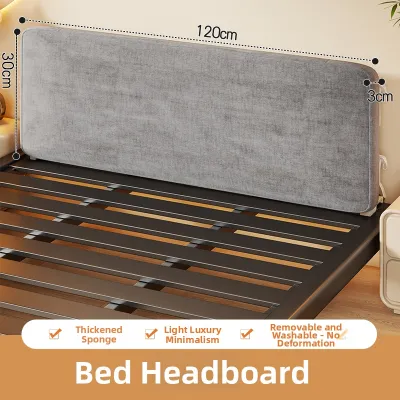
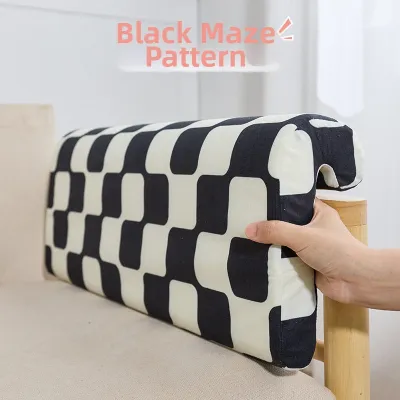


Prices are valid at publication and may change. Please refer to the product page for the latest price.
There is a significant structural difference between pure foam headboards and traditional upholstered headboards. Pure foam models rely entirely on the density and shape of the foam block itself for structural integrity, often making them incredibly lightweight and flexible. Traditional upholstered headboards, on the other hand, feature a thin layer of foam padding stretched over a rigid wooden or metal frame. While traditional models are sturdier, pure foam options offer a softer, more yielding surface and are much easier to handle.
These headboards come in a wide variety of design styles to match different bedroom aesthetics. Button-tufted designs offer a classic, luxurious look by pulling the fabric tight at regular intervals to create deep dimples. Channel-tufted models feature vertical or horizontal stitched lines that create clean, modern panels. For a minimalist bedroom, flat-panel designs offer a smooth, clean surface, while wingback shapes feature side panels that wrap slightly around the head of the bed for a cozy, enclosed feel.
Why Choose a Bed Head Foam Board? Key Benefits
Opting for a foam-based headboard brings several distinct advantages to your sleeping space, particularly regarding daily comfort and room usability.

Comfort and Ergonomics
Leaning against a hard wooden slat or a cold metal bar can quickly cause discomfort in your back and neck. A foam headboard acts as a supportive cushion that conforms slightly to your body shape, distributing pressure evenly. This makes it highly comfortable for those who spend time sitting upright in bed to read, use a laptop, or enjoy a morning cup of coffee.
Noise Reduction
Bedrooms with hard tile or wood flooring often suffer from echo and sound transfer. Foam is naturally sound-absorbing, meaning a large foam headboard can help dampen ambient noise within the room. By absorbing sound waves rather than reflecting them, it contributes to a quieter, more peaceful sleeping environment.
Lightweight Handling
Traditional wooden or iron headboards are notoriously heavy and difficult to maneuver. Foam headboards are exceptionally lightweight, making them easy to unbox, carry up tight stairwells, and position without assistance. This portability is highly beneficial for renters, students, or anyone who likes to rearrange their bedroom furniture frequently.
Safety Profile
In households with active young children or toddlers, sharp furniture corners present a constant safety hazard. A foam headboard eliminates hard edges and rigid surfaces at the head of the bed. If a child bumps into the headboard while playing or rolling over in sleep, the soft cushioning minimizes the risk of minor injuries.
Limitations and Care Requirements to Consider
While foam headboards offer excellent comfort, they also come with specific maintenance needs and structural limitations that you should evaluate before purchasing.
Durability and Compression
Over years of consistent use, lower-density foam can lose its resilience, resulting in permanent sagging or indentations where you regularly lean. To prevent this, always check the product specifications for foam density and thickness. High-density resilient foams hold their shape much longer under pressure than cheaper, low-density alternatives.
Cleaning Challenges
Unlike wood or metal surfaces that you can easily wipe clean, upholstered foam can absorb sweat, body oils, spills, and odors. If liquid penetrates the fabric cover and reaches the foam core, it can be difficult to extract, potentially leading to deep stains or unpleasant smells. Always check the manufacturer’s care label before applying any liquid cleaners. For general maintenance, vacuuming the surface with an upholstery attachment and immediate, gentle spot-cleaning with a damp cloth and mild detergent are recommended.
Moisture Management
In tropical climates with high humidity, foam can act like a sponge, trapping airborne moisture if the bedroom is not properly ventilated. This trapped moisture can encourage the growth of mold or mildew inside the headboard. To mitigate this risk, ensure your bedroom has good airflow, utilize air conditioning or dehumidifiers when necessary, and look for headboards featuring breathable or moisture-resistant fabrics.
Structural Limits
Because pure foam headboards lack a rigid internal frame, they cannot support heavy external attachments. You cannot mount heavy reading lights, floating shelves, or clamp-on tablet holders directly onto the foam surface. Doing so can tear the fabric or permanently deform the foam core.
How to Choose the Right Foam Headboard for Your Bedroom
Selecting the perfect headboard requires looking closely at product specifications, material choices, and your existing bed setup.
Evaluating Foam Density
When browsing product descriptions, look for details on foam density, often measured in kilograms per cubic meter (kg/m³). High-density foam (typically above 30 kg/m³) offers firmer support and excellent longevity, making it ideal for daily use. Low-density foam is softer and less expensive but will compress and wear out much faster.
Fabric Selection
Your choice of upholstery fabric impacts both the durability and the breathability of the headboard. In warm, humid climates, breathable fabrics like linen or cotton blends help prevent heat buildup behind your head. If you have pets that shed or scratch, performance fabrics like tightly woven polyester or microfiber are more resilient and easier to clean.
Size and Proportion
Ensure the headboard matches the standard dimensions of your mattress and bed frame, whether you use a single, double, queen, or king size. Additionally, consider the height of the headboard relative to your ceiling; a very tall headboard can overwhelm a small room with low ceilings. Always measure your doorways, hallways, and elevator doors to ensure the packaged product can physically fit into your home during delivery.
Installation Compatibility
Foam headboards generally install in one of two ways: wall-mounted or attached directly to the bed frame. Wall-mounted models often use interlocking brackets or heavy-duty adhesive strips, which keep the headboard perfectly flush against the wall. Bed-frame-attached models bolt directly to the frame using brackets. Before buying, check your current bed frame to see if it has compatible pre-drilled mounting holes, or verify if your wall material can support mounted brackets.
Foam vs. Wood and Metal: Making the Final Choice
To finalize your decision, compare how foam headboards perform against traditional wood and metal alternatives across key practical categories.
- Comfort: Foam provides a soft, cushioned surface ideal for lounging. Wood and metal are rigid and cold, requiring you to prop up multiple pillows for back support.
- Maintenance: Wood and metal are highly durable and can be wiped clean with a dry or damp cloth in seconds. Foam requires regular vacuuming and careful spot-cleaning to prevent stains and odors.
- Weight: Foam is lightweight and easy to install or move. Wood and metal are heavy, often requiring two people for safe assembly and transport.
- Aesthetic Style: Foam offers a soft, cozy, and tailored look that softens bedroom decor. Wood suits rustic, traditional, or mid-century modern themes, while metal fits industrial or minimalist designs.
Choose a foam headboard if your priority is ultimate comfort for sitting up in bed, sound dampening, a cozy aesthetic, and a lightweight piece of furniture that is easy to move and install.
Choose a wood or metal headboard if you prioritize maximum durability, effortless cleaning, heavy-duty structural support, and a minimalist, rustic, or industrial design that requires zero worry about humidity or fabric wear.
Frequently Asked Questions (FAQ)
Can I attach a foam headboard to any bed frame?
Many foam headboards designed for frame attachment use universal brackets that align with standard bed frames. However, compatibility is not guaranteed for every model. You must inspect your bed frame’s headboard brackets and measure the hole spacing. If your frame lacks mounting brackets, you may need to purchase adapter plates or opt for a wall-mounted foam headboard instead.
How do I safely clean a spill on a foam headboard?
First, consult the manufacturer’s care label on the headboard to check for specific cleaning restrictions. If spot-cleaning is permitted, blot the spill immediately with a clean, dry microfiber cloth to absorb as much liquid as possible; do not rub, as rubbing pushes the liquid deeper into the fabric and foam. Dampen a clean cloth with a mixture of water and a tiny drop of mild detergent, gently dab the stain, and then let the area air dry completely in a well-ventilated room.
Do new foam headboards have a chemical odor?
New foam products can undergo a process called off-gassing, where newly manufactured foam releases harmless volatile organic compounds (VOCs) that carry a distinct chemical smell. This odor typically dissipates within 24 to 48 hours if you place the headboard in a well-ventilated room with open windows or a fan running. If you are highly sensitive to smells or concerned about indoor air quality, look for products made with certified low-emission foams, such as those carrying a CertiPUR-US certification.

Community discussion
Share your experience or ask a question. Comments are reviewed before publication.