
An alloy wardrobe offers a modern, moisture-resistant alternative to traditional wooden closets, making it an increasingly popular choice for homes facing high humidity. Typically constructed using aluminum alloy frames, full aluminum panels, or high-grade alloy hardware, these wardrobes promise a sleek aesthetic combined with structural resilience. However, the term “alloy” is broad, and the actual durability of any given unit depends heavily on the specific metal composition, profile thickness, surface treatment, and overall structural design.
Before committing to a purchase, it is essential to look beyond generic marketing labels. While metal construction inherently resists pests and moisture, a poorly manufactured alloy wardrobe can still suffer from structural instability, joint failure, or surface degradation. Evaluating how these material characteristics align with your specific storage needs and room environment will ensure you select a wardrobe that stands the test of time.
Understanding "Alloy" in Wardrobe Manufacturing
When browsing furniture showrooms or online marketplaces, you will frequently encounter the term “alloy wardrobe.” It is crucial to understand that this label does not always mean the entire wardrobe is made of solid metal. In many cases, manufacturers use the term to describe three distinct types of construction, each offering different levels of durability and aesthetic appeal.
Products mentioned in this guide
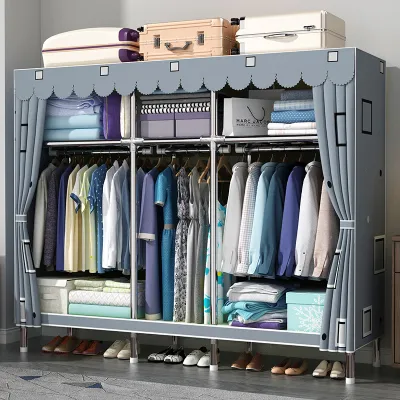
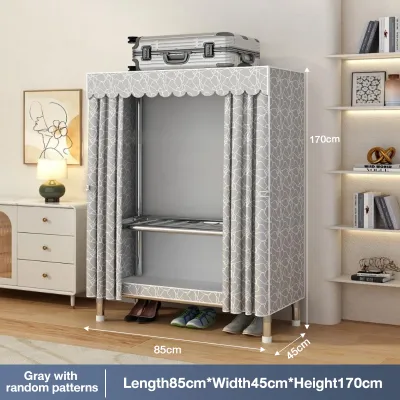
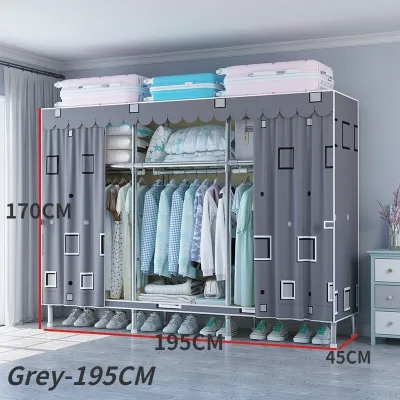
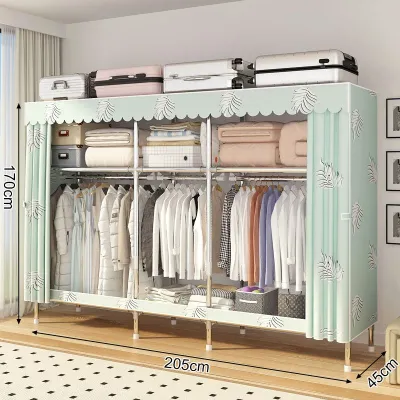
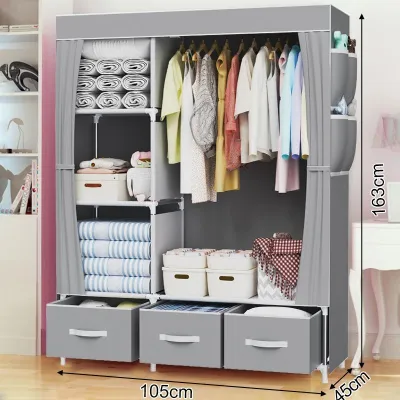
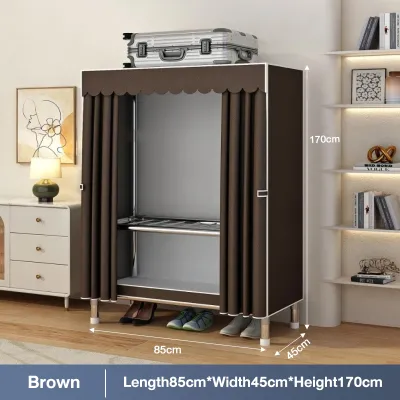
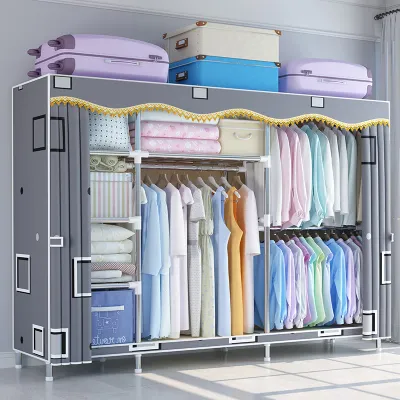
Prices are valid at publication and may change. Please refer to the product page for the latest price.
The first type is the full aluminum alloy wardrobe, where the entire structure—including the frame, side panels, shelves, and doors—is made from aluminum alloy sheets and extrusions. The second type features an alloy frame paired with alternative panel materials, such as tempered glass, acrylic, or engineered wood boards. The third and most common category consists of standard wooden or laminate wardrobes that merely utilize alloy hardware, such as aluminum hanging rods, sliding door tracks, and hinges, while the main body remains wood-based.
To avoid misleading assumptions, you should always verify the exact material composition of the wardrobe before buying. Request the technical specifications sheet from the retailer, examine the product labels, and review the warranty documents. A reputable manufacturer will clearly state which parts of the wardrobe are made of metal and specify the exact type of alloy used, allowing you to make an informed decision based on actual material facts rather than vague sales pitches.
The durability and appearance of an alloy wardrobe are also heavily influenced by its surface treatment. Raw aluminum is prone to oxidation and scratching, so manufacturers apply protective finishes to seal the metal. The two most common treatments are anodizing, which chemically hardens the surface and provides a metallic finish, and powder coating, which applies a thick, protective layer of color. Both treatments shield the underlying metal from environmental exposure, but their quality determines how well the wardrobe resists chipping and fading over time.
Evaluating Durability: Alloy vs. Common Alternatives
Choosing between an alloy wardrobe and traditional wood-based alternatives requires a careful comparison of how these materials perform under daily use and environmental stress. In tropical climates where high humidity and seasonal moisture are constant challenges, material selection directly impacts the lifespan of your bedroom furniture.

Moisture and pest resistance are often cited as the primary advantages of alloy wardrobes over solid wood or engineered boards like medium-density fiberboard (MDF). While it is true that aluminum does not rot or attract termites, these benefits are conditional. The wardrobe’s resistance to moisture damage relies on proper sealing, coating integrity, and the absence of unsealed joints where damp air can become trapped. If the protective powder coating is compromised or if the joints are left exposed, moisture can still cause localized oxidation or harbor mold in hard-to-clean crevices.
When it comes to structural rigidity and load-bearing potential, do not automatically assume that a metal wardrobe will outperform a well-constructed wooden counterpart. The load capacity of an alloy wardrobe depends entirely on the thickness of the metal profiles and the design of the internal support beams. A thin-walled aluminum shelf may bow or warp under heavy loads more easily than a thick, high-density engineered wood panel. Always check the manufacturer’s rated load capacity rather than relying on the assumption of universal metal superiority.
Surface wear is another critical point of comparison. Solid wood can be sanded and refinished if it gets scratched, and high-quality laminates offer excellent resistance to daily wear. In contrast, once an alloy wardrobe’s anodized or powder-coated surface is deeply scratched or dented, repairing it to its original state is incredibly difficult. While alloy finishes generally handle UV exposure and light scratches well, heavy impacts can leave permanent dents that compromise both the look and the protective seal of the metal.
Essential Durability Checks Before Purchasing
To ensure you are investing in a high-quality alloy wardrobe, you should perform a thorough physical inspection of the unit, whether you are evaluating a display model in a showroom or checking the delivered product in your home. Focusing on key structural details will help you identify potential manufacturing defects before they turn into costly problems.
Begin by inspecting the frame thickness and joint stability. Gently shake the wardrobe from the side to check for wobble or sway; a stable unit should feel rigid and grounded. Examine the joints where the vertical and horizontal frames meet. High-quality alloy wardrobes use robust mechanical fasteners, heavy-duty corner connectors, or clean, professional welds. Loose screws, gaps in the joints, or flimsy plastic connectors are clear warning signs of poor structural integrity.
Next, closely examine the surface treatments across the entire wardrobe. Look at the panels and frames under good lighting to check for uniformity in color and texture. Inspect the edges, corners, and pre-drilled holes for any signs of chipping, bubbling, or uneven paint application. Any imperfection in the protective coating exposes the raw alloy underneath to the air, increasing the risk of premature surface wear and localized corrosion.
Finally, test the grade and operation of the integrated alloy hardware. Open and close the wardrobe doors and drawers multiple times to assess their movement. Sliding doors should glide smoothly along their tracks without catching or making grinding noises, and hinges should operate quietly without sagging. Because hardware components bear the brunt of daily physical wear, low-grade hinges or tracks will quickly compromise the usability of the entire wardrobe, regardless of how strong the main panels are.
Maintenance and Care for Long-Term Use
Proper maintenance is essential to preserve the protective finish and extend the structural lifespan of your alloy wardrobe. Unlike wooden furniture, which may require specialized oils or polishes, alloy surfaces are relatively easy to clean, provided you use the correct tools and techniques.
When cleaning the wardrobe, always use mild, non-abrasive cleaning agents and soft microfiber cloths. Harsh chemical cleaners, bleach, and abrasive scrubbing pads can strip away the protective powder coating or leave micro-scratches on anodized surfaces. These tiny scratches not only dull the metallic shine but also create pathways for moisture and dust to accumulate, gradually degrading the finish over time.
To prevent structural distortion, practice smart weight distribution when organizing your belongings. Place heavier items, such as storage boxes or heavy bedding, on the bottom shelves or directly over the main vertical support frames. Avoid overloading the center of horizontal shelves, as prolonged uneven weight distribution can lead to permanent bowing of the alloy panels or strain the mounting brackets.
Even with careful use, furniture can experience wear over time. You should establish clear stopping conditions for self-maintenance. If you notice deep scratches that expose the raw metal, loose structural joints that do not tighten with standard tools, or significant hardware failure such as a derailed sliding door, do not attempt makeshift repairs. In these situations, consult the manufacturer or a qualified furniture professional to prevent further damage or potential safety hazards.
Frequently Asked Questions (FAQ)
Are alloy wardrobes completely rust-proof?
While aluminum alloy does not rust in the same way iron or steel does, it is not entirely immune to corrosion. Its resistance depends heavily on the specific alloy grade, the quality of the protective surface coating, and the environmental conditions of your room. In areas with high humidity or coastal salt air, any chip or scratch in the protective finish can allow localized oxidation to develop, appearing as a white, powdery residue. To protect your investment, always follow the manufacturer’s care instructions and verify if the warranty covers environmental moisture damage.
Can an alloy wardrobe support heavy clothing and bedding?
An alloy wardrobe can support heavy textiles, comforters, and travel gear, but its capacity is not infinite. You must locate the manufacturer’s stated load capacity per shelf rather than assuming the metal frame can handle unlimited weight. The actual weight limit is determined by the thickness of the alloy shelving material and the spacing of the support brackets. If you plan to store heavy bedding or dense clothing collections, look for units that feature reinforced support beams beneath each shelf to prevent long-term sagging or structural failure.

Community discussion
Share your experience or ask a question. Comments are reviewed before publication.