
A durable side table is defined by the synergy of its base materials, protective finishes, and structural joinery. While a table might look solid on a showroom floor or in an online listing, its true longevity depends on how well it resists daily wear, weight loads, and environmental stressors like tropical humidity. Understanding these construction details allows you to select a piece that remains stable and beautiful for years.
By focusing on verifiable construction features rather than marketing claims, you can easily distinguish between a temporary fixture and a lasting investment. This guide breaks down the essential material properties, joint designs, and stability checks to perform before making your purchase.
Key Factors That Determine Side Table Longevity
Evaluating furniture durability requires looking beyond aesthetics to understand how different physical and structural elements interact over time. The base material of a side table provides its core strength, but without the right protective surface treatment, even the toughest materials can degrade. In humid environments, moisture barriers and scratch-resistant coatings are essential to prevent wood from swelling, metal from rusting, and stone from staining.
Products mentioned in this guide
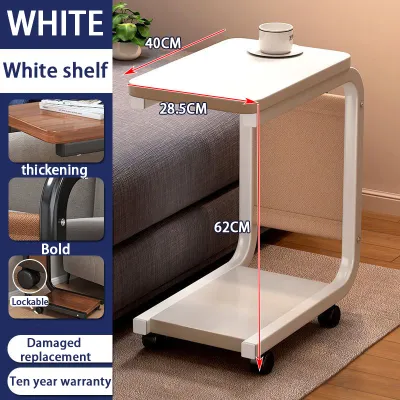
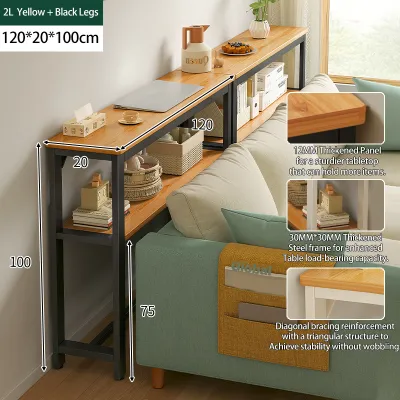
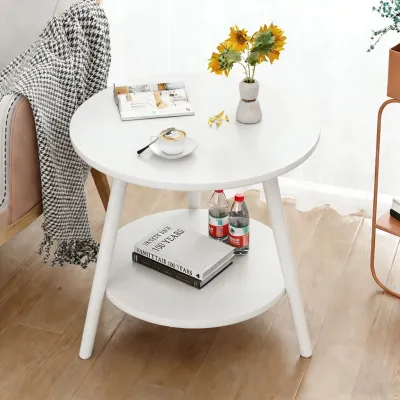
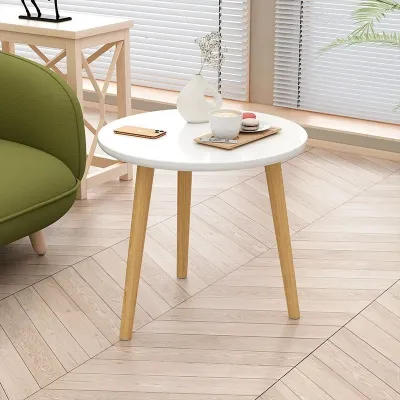
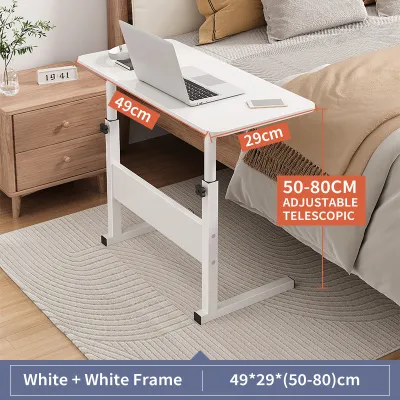
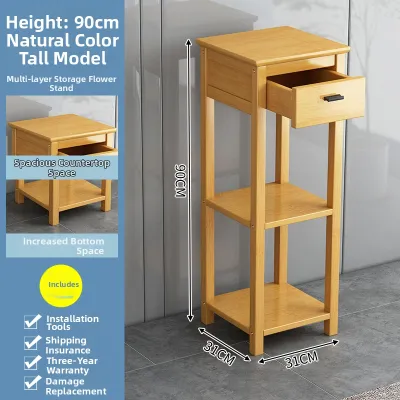
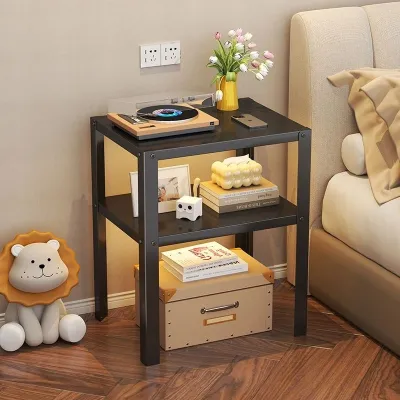
Prices are valid at publication and may change. Please refer to the product page for the latest price.
Joinery techniques directly impact how much weight a table can support and how well it resists wobbling. When a side table is pushed, dragged, or loaded unevenly, the joints bear the brunt of the lateral force. High-quality connections distribute this stress evenly, keeping the frame rigid over years of use.
Base design and the center of gravity also play critical roles in maintaining stability. A top-heavy table with a narrow base is prone to tipping, especially when placed on thick rugs or uneven tile floors. The distribution of weight must keep the center of gravity low to prevent accidental tip-overs under uneven loads.
Finally, environmental conditions can accelerate material aging. High relative humidity, seasonal temperature shifts, and direct sunlight near windows can cause wood to expand and contract, weaken glues, and fade finishes. Choosing materials and construction methods suited to your local climate is vital for long-term durability.
Evaluating Materials for Everyday Wear and Tear
Material names alone do not guarantee durability. A label indicating “solid wood” or “metal” can still represent a poorly constructed piece if the surface finish is thin or the material thickness is insufficient. To verify quality, you must check the specific surface treatments, panel thicknesses, and manufacturer care instructions.

Different materials offer distinct advantages and trade-offs regarding impact resistance, moisture tolerance, and scratch prevention. For example, while glass is highly moisture-resistant, it is susceptible to chipping under impact. Metal resists heavy impacts but requires specialized coatings to prevent corrosion in damp environments.
When inspecting a side table in person or upon delivery, use visual and tactile checks. Run your hand along the edges to feel for roughness, look closely at the joints under bright light to check for gaps, and tap the panels to assess their density and sturdiness.
Solid Wood and Engineered Wood
For solid wood side tables, verify the wood species and ensure it has undergone proper kiln-drying to stabilize its moisture content. Look for a protective surface seal, such as polyurethane or lacquer, which acts as a barrier against spills. High-quality wood furniture also incorporates expansion gaps or floating panel construction to allow the wood to breathe naturally without cracking.
When evaluating engineered wood, such as MDF or particleboard, inspect the quality of the edge banding. Unsealed edges allow moisture to seep into the core, causing the material to swell and crumble. Always check the product specifications for explicit weight limit labels to ensure the piece can handle your intended use.
Pay close attention to veneer thickness and edge treatments. Low-quality overlays are often paper-thin and prone to peeling at the corners. A durable veneered table uses a thick, well-bonded wood veneer over a stable substrate, with seamless edge transitions that resist lifting.
Metal, Glass, and Stone Surfaces
For metal side tables, verify that the surface has a rust-preventive coating, such as powder coating or specialized outdoor paint. Check the thickness of the metal tubes; thicker walls prevent bending and flexing. Inspect the weld points to ensure they are ground smooth, continuous, and free of pinholes or cracks.
If you are choosing a glass side table, confirm that the manufacturer uses tempered glass, which is designed to crumble into dull pieces rather than shatter into sharp shards if broken. Inspect the edges to ensure they are polished and rounded, and check for a thickness of at least 6mm to 10mm to ensure adequate load capacity.
Stone and sintered stone surfaces require a robust underlying support structure, such as a solid plywood or metal sub-top, to distribute weight and prevent cracking. Verify if natural stone has been treated with an anti-penetration sealer to protect against stains, and note that while sintered stone is highly scratch-resistant, its edges can still chip under heavy, direct impacts.
Inspecting Joinery and Structural Stability
To ensure long-term safety and prevent premature failure, you must examine how the table’s components are connected. High-quality connections utilize mechanical joinery, such as mortise-and-tenon joints, dowels, corner brackets, or metal-to-metal bolts. These methods create a rigid frame that handles daily stress far better than weak alternatives like glue-only joints or straight nails.
Check the connection points where the legs meet the tabletop. Durable tables feature reinforcement in these high-stress areas, such as solid wood corner blocks or triangular metal bracing. This extra support prevents the legs from splaying or loosening when the table is moved or loaded.
Evaluate the base design for tip-over resistance. A classic four-leg design offers excellent stability if the legs are set wide. Pedestal bases must feature a heavy, wide bottom plate to keep the center of gravity low. Cantilevered or C-shaped bases require rigid, thick metal frames to prevent the tabletop from flexing or dipping when weight is applied to the edge.
Perform a safe wobble test during assembly or unboxing. Place the table on a flat, level floor and apply gentle downward and lateral pressure to the tabletop. The table should not sway, creak, or lift off the ground. If the table includes adjustable leveling feet, ensure they thread smoothly and lock securely into place.
Red Flags: Signs of Poor Construction to Avoid
Identifying manufacturing defects early can save you from future safety hazards and premature replacements. A primary red flag is structural wobbling or uneven legs right out of the box. If a table cannot stand flat on a level surface, it indicates warped materials or poor manufacturing tolerances.
Flimsy hardware is another clear sign of poor construction. Watch out for thin screws, rough or stripped threads, and misaligned pre-drilled installation holes. If you must force a bolt in at an angle during assembly, the joint will be compromised and prone to stripping over time.
Inspect the surface finish for uneven coatings, rough edges, or peeling edge banding. A strong, pungent chemical odor is also a warning sign, indicating the use of low-quality adhesives or finishes that may off-gas heavily. These surface defects suggest that the manufacturer cut corners on quality control.
Finally, avoid products that lack clear documentation. A durable, well-made side table should come with explicit weight capacity labels, clear assembly instructions, and specific care guidelines. The absence of these basic details often points to a generic, low-grade product.
Maintenance Habits That Extend Lifespan
Proper daily care prevents environmental factors and improper handling from accelerating material degradation. Always follow the manufacturer’s cleaning instructions. Use a soft, damp microfiber cloth for dusting, and avoid abrasive scrubbing pads or harsh chemical cleaners that can strip protective clear coats.
Protect the tabletop from daily wear by using coasters, trivets, and placemats. These simple accessories shield wood, veneer, and stone surfaces from heat damage, condensation rings, and accidental scratches from keys or decorative items.
Periodically inspect the structural connections of your side table. Wood naturally expands and contracts with seasonal humidity changes, which can gradually loosen hardware. Take a few minutes every few months to check and gently tighten any loose screws or bolts to maintain frame rigidity.
Know when to seek professional help rather than attempting a DIY fix. While tightening a bolt is simple, addressing structural cracking in solid wood, repairing a warped tabletop, or re-welding a broken metal joint requires specialized tools and expertise to avoid ruining the furniture.
Frequently Asked Questions (FAQ)
How much should I spend on a durable side table?
Rather than searching for a specific price point, evaluate the table’s construction specifications against your budget. Allocate your funds toward robust load-bearing frames, solid joinery, and quality hardware rather than intricate surface carvings or temporary trends. A slightly higher initial investment in a table with a solid metal frame or kiln-dried hardwood often saves money over time by eliminating the need for frequent replacements. Always review the seller’s return policies and warranty terms to protect your purchase.
Is a heavier side table always more durable?
Not necessarily. While weight often indicates dense, high-quality materials like solid hardwood, natural stone, or thick-gauge steel, it can also be a byproduct of heavy, low-grade particleboard or unnecessary filler materials. Focus instead on the strength-to-weight ratio, the stability of the joints, and how the weight is distributed to keep the center of gravity low. If your household includes active pets, young children, or if you rearrange your living space frequently, a moderately weighted table with a wide, stable base and secure joints is often safer and more practical than an excessively heavy, top-heavy piece.

Community discussion
Share your experience or ask a question. Comments are reviewed before publication.