
A heavy-duty wardrobe is more than just a large piece of furniture; it is an investment in structural integrity designed to support substantial weight without sagging, bowing, or collapsing over time. While many manufacturers use the term “heavy-duty” as a marketing label, true durability depends on verifiable material density, robust joinery, and high-grade hardware. Understanding these technical specifications before purchasing ensures your storage solution can withstand years of daily use under heavy loads.
Defining a True Heavy-Duty Wardrobe Beyond Marketing Terms
In the furniture market, “heavy-duty” is frequently used as a promotional buzzword rather than a certified rating. To find a unit that actually delivers on this promise, you must look past the product description and examine the physical specifications of the load-bearing components. The vertical side panels, the bottom base, and the primary shelving units are the core elements that dictate whether a wardrobe can support hundreds of kilograms of clothing and bedding.
A standard wardrobe might suffice for light, seasonal garments, but a heavy-duty unit is built to handle dense storage, such as heavy denim, thick winter coats, or stacked storage boxes. Proper weight distribution is essential; even the strongest wardrobe can fail if all the weight is concentrated in one spot. A well-designed unit distributes the load across multiple reinforced vertical supports and solid base platforms, ensuring a long lifespan even when filled to capacity.
Products mentioned in this guide
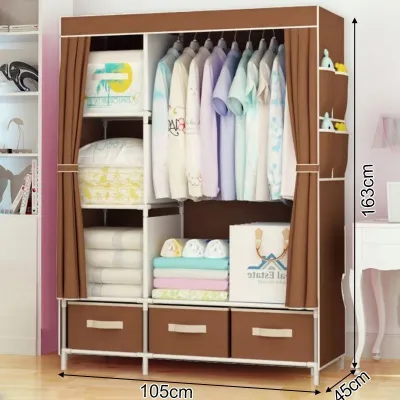

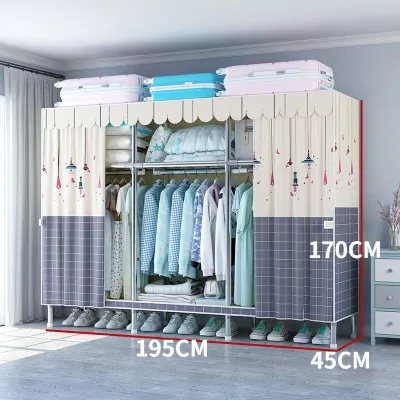
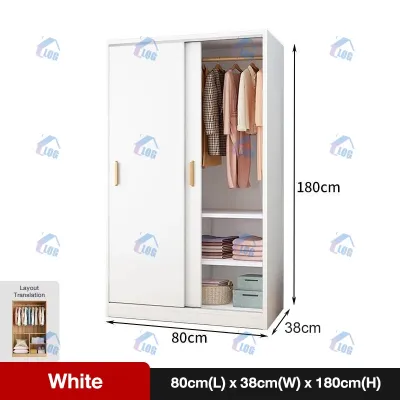

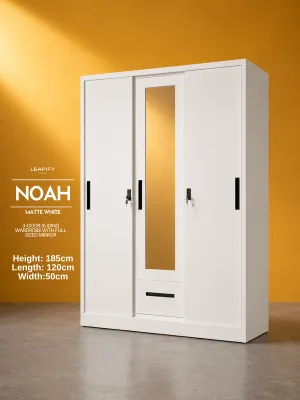
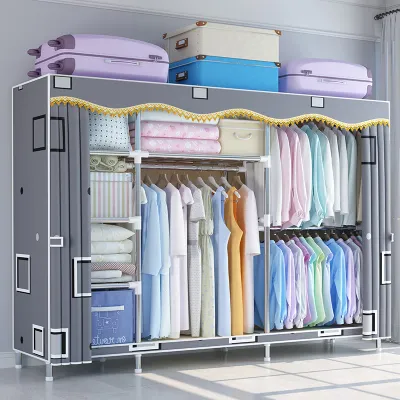
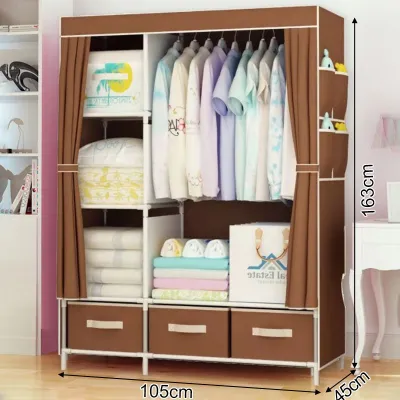
Prices are valid at publication and may change. Please refer to the product page for the latest price.
Inspecting Structural Joinery and Frame Stability
The way a wardrobe is put together determines its resistance to wobbling, leaning, or collapsing under lateral pressure. High-quality heavy-duty wardrobes rely on robust corner bracing and thick back panels to maintain a perfectly square frame. A thin, flimsy back panel secured only with small staples is a common failure point, as it allows the entire structure to sway and eventually warp the main joints.

When evaluating assembly methods, look for interlocking joints, solid wood dowels, and heavy-duty metal-to-metal connectors rather than basic cam-lock systems or simple wood screws. Interlocking joinery distributes physical stress evenly across the wood fibers, preventing the material from splitting under load. If you are assembling the unit yourself, verify that the kit includes reinforced brackets for every major corner.
Floor conditions also play a critical role in overall stability, especially in homes with slightly uneven tiled or concrete floors. A heavy-duty wardrobe should ideally feature adjustable floor-leveling feet. These levelers allow you to compensate for floor imperfections, ensuring the frame remains perfectly upright and preventing uneven stress on the door hinges and structural joints.
Evaluating Board Materials and Thickness Specifications
The choice of board material directly impacts how much weight individual shelves can support before they begin to sag. High-density fiberboard (HDF) and multi-layered plywood generally offer superior load-bearing capacity compared to standard low-density particle board. When reviewing product specifications, check the material density and look for options engineered specifically for structural furniture applications.
Thickness is a reliable indicator of structural strength. For a wardrobe to be considered heavy-duty, horizontal shelves and vertical side panels should meet robust thickness thresholds, typically starting at 18 millimeters or more. Thinner boards, such as 12-millimeter or 15-millimeter panels, are highly prone to bowing over time when loaded with heavy stacks of folded clothes or organizer bins.
In tropical climates with high humidity, such as the Philippines, the quality of the surface treatment and edge banding is just as important as the core material. Unprotected engineered wood easily absorbs airborne moisture, leading to swelling, warping, and structural softening. Inspect the edges to ensure they feature thick, heat-sealed PVC or ABS edge banding, and verify that all surfaces are treated with moisture-resistant laminates or protective coatings.
Verifying Hardware, Hanging Rails, and Weight Limits
A wardrobe’s utility relies heavily on its moving parts, which are often the first components to wear out. Heavy-duty drawers require full-extension ball-bearing slides made of thick-gauge steel rather than light plastic rollers. Check the manufacturer’s specifications for the rated load capacity of these slides to ensure they can handle the weight of fully loaded drawers without sticking or jumping off their tracks.
The hanging rail is another critical point of potential failure. Look for rails constructed from thick-walled stainless steel or heavy-duty aluminum rather than thin, hollow metal tubes that easily bow under the weight of heavy garments. The mounting brackets must be securely anchored into the vertical side panels, and for wider wardrobes, a central support bracket is necessary to distribute the weight of the hanging clothes.
Always locate and interpret the manufacturer’s official weight capacity ratings before finalizing your purchase. These limits are usually detailed in the assembly manual, product specification sheet, or warranty documentation. If the manufacturer does not explicitly state the maximum weight capacity per shelf and hanging rail, treat the “heavy-duty” claim with caution and request this information directly from the seller.
Planning Space, Clearance, and Installation Requirements
Because heavy-duty wardrobes are constructed from dense, thick materials, they are exceptionally heavy and rigid even before assembly. Before purchasing, carefully measure your doorways, stairwells, hallways, and ceiling heights to ensure the flat-pack boxes or pre-assembled sections can safely navigate the path to your bedroom. Lack of clearance during delivery can lead to damaged walls or scratched furniture.
Safety is paramount when dealing with tall, heavy furniture. To prevent catastrophic tip-over accidents, heavy-duty wardrobes must be securely anchored to the wall. Check the manufacturer’s instructions for the recommended anchoring hardware, ensuring it is compatible with your specific wall type, whether it is concrete, hollow block, or drywall.
Finally, consider the impact of the wardrobe’s total weight on your flooring. Dense wood and heavy hardware exert significant downward pressure, which can scratch hardwood or crack delicate tiles. Placing protective felt pads or heavy-duty rubber cups under the leveling feet helps distribute the weight evenly and protects your floor from permanent indentation or structural damage.
Frequently Asked Questions (FAQ)
How can I verify the exact weight capacity before delivery?
- Request official documentation: Ask the retailer or manufacturer for the official product specification sheet, assembly manual, or testing certificates. These documents typically list the maximum load limits for individual shelves, drawers, and hanging rails.
- Check component ratings: If the wardrobe uses branded hardware, such as specialized drawer slides or heavy-duty hinges, you can cross-reference the hardware manufacturer's official load ratings to verify the overall durability of the moving parts.
Does a heavier wardrobe always mean it is more durable?
- Material quality over mass: A heavy wardrobe is not automatically a durable one. Some low-grade, thick particle boards add significant weight without offering the structural strength or moisture resistance of high-density plywood or HDF.
- Joinery and hardware matter: Even the heaviest panels will fail if they are held together by weak cam-locks or flimsy plastic brackets. True durability is a combination of dense materials, robust interlocking joinery, and high-quality load-bearing hardware.

Community discussion
Share your experience or ask a question. Comments are reviewed before publication.