
Finding a duyan that offers a genuinely thick, supportive, and comfortable escape requires looking closely at fabric weight, weave density, and padding quality. For adult users, a flimsy or thin hammock can quickly lead to uncomfortable sagging, pressure points, and a lack of proper spinal support. To achieve that sought-after makapal (thick) feel, the construction must distribute weight evenly while resisting the natural stretching that occurs under adult loads.
In the tropical climate of the Philippines, selecting the right materials also means balancing plush comfort with breathability and moisture resistance. High humidity and sudden rain showers require fabrics and fillings that can handle moisture without losing their loft or succumbing to mold. By understanding how different textiles, padding types, and weaving techniques interact, you can select a duyan that remains supportive and comfortable for years of relaxation.
Key Fabric Materials for a Thick and Supportive Duyan
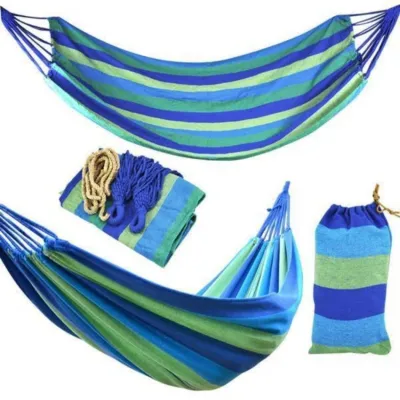
Cotton canvas is a traditional favorite for indoor and covered balcony use due to its natural weight and structural stiffness. This heavy-duty fabric provides a solid, stable base that conforms gently to the body without excessive stretching under adult weight. The natural breathability of cotton fibers allows air to circulate, keeping you cool on warm afternoons. However, because cotton absorbs moisture easily, it requires careful protection from rain and high humidity to prevent mustiness and fabric degradation.
Products mentioned in this guide

![[BAZZAR] Portable Cotton Rope Outdoor Hammock Duyan](https://img.lazcdn.com/g/p/b19a47f5cfbe15c149ec7e1699df4a1a.jpg_400x400q80.jpg_.webp)
Prices are valid at publication and may change. Please refer to the product page for the latest price.
Polyester and cotton blends, often referred to as polycotton, offer an excellent balance of durability and comfort for outdoor or semi-outdoor spaces. By combining the softness of cotton with the strength of synthetic polyester, these blends resist stretching, tearing, and fading from sun exposure. The resulting fabric is often dense and heavy, providing a substantial feel that supports adult users reliably. Polycotton also dries faster than pure cotton, making it a practical choice for open gardens and patios.
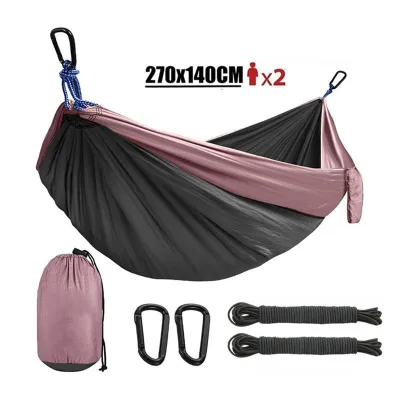
Nylon is highly regarded for its strength-to-weight ratio, but it requires specific construction methods to feel thick and supportive. Standard lightweight nylon can feel thin, slippery, and prone to excessive sagging under an adult’s weight. To achieve a supportive feel, look for high-denier parachute nylon or multi-layered nylon designs. These tightly woven variants offer a secure, firm cradle that holds its shape well while remaining highly resistant to moisture and mildew.
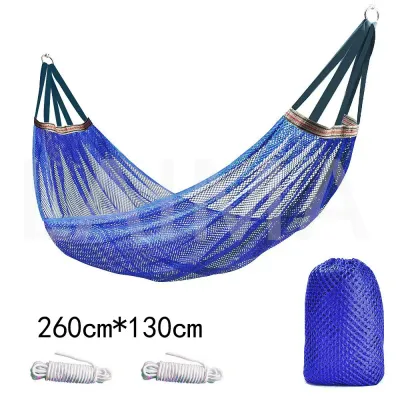
Rope and macrame hammocks do not rely on solid fabric sheets, but their thickness and support come from cord diameter and knotting density. High-quality macrame duyan models use thick cotton or polyester cords woven into tight, intricate patterns. When paired with a sturdy spreader bar, these rope designs distribute weight evenly across the entire surface, preventing the cords from pinching or digging into your back. The open weave also provides maximum ventilation, which is highly beneficial in hot, humid weather.
Padding and Filling Options for Extra Comfort
Polyester fiberfill is the most common material used to give a duyan its plush, cushioned feel. High-loft variants of fiberfill trap air within the synthetic fibers, creating a thick barrier between you and the tension of the supporting fabric. To ensure this comfort lasts, look for quilted stitching patterns that run across the surface of the hammock. This stitching prevents the loose fiberfill from shifting, clumping, or migrating to the edges under adult weight, which would otherwise leave you resting on flat spots.

Foam inserts provide a more structured and firm level of support, making them particularly popular in hanging chairs and structured duyan models. High-density polyurethane foam offers excellent lumbar and seat support, preventing the deep sinking feeling that can strain the lower back. Many high-quality designs feature removable foam pads, allowing you to take them out before washing the outer fabric cover or during heavy rainstorms to protect the foam from waterlogging.
Quilted and tufted constructions are essential for maintaining even padding distribution over time. Tufting involves stitching through the entire thickness of the hammock at regular intervals, often secured with buttons or heavy-duty knots. This design locks the filling material securely in place, ensuring that the padding remains uniform even after hours of continuous use. For adult users, tufted designs offer superior ergonomic support by preventing the filling from bottoming out under concentrated body weight.
Construction and Weave Methods That Add Thickness
Double or triple-layer fabrics are an effective way to increase the physical thickness and durability of a duyan without relying on synthetic fillings. By stitching multiple layers of heavy-duty canvas or woven fabric together, manufacturers create a dense, highly supportive sling. This layered approach not only enhances the overall comfort and weight capacity but also provides a safety backup, as the structural integrity is shared across multiple fabric sheets.
Tight weave density is a critical factor in preventing a hammock from stretching out and sagging over time. A loose weave might feel soft and flexible at first, but it will quickly lose its shape and support under adult weight, causing you to sink too close to the ground. Inspecting the fabric for a tight, dense weave ensures that the threads remain locked in place, maintaining the necessary tension to support your body ergonomically.
Reinforced edges and gathered ends are vital structural components that handle the high tension points of a duyan. Look for models featuring heavy-duty triple stitching along the side hems, as these areas experience the most stress when you enter and exit the hammock. Robust suspension loops and bundled fabric ends distribute the user’s weight evenly to the hanging ropes, preventing tearing and ensuring the duyan maintains its shape and thickness over years of use.
How to Check Material Quality and Support Before Buying
When shopping for a duyan, always verify the manufacturer’s stated weight capacity labels rather than assuming physical thickness automatically equals high strength. A thick-looking hammock with weak suspension loops or low-quality stitching can still fail under adult weight. Ensure the rated capacity comfortably exceeds your weight, keeping in mind any additional load if you plan to share the space with family members.
Perform a close seam and stitching inspection on all critical stress points, including the gathered ends, side hems, and suspension loops. High-quality duyan models designed for adults will feature clean, straight, and reinforced double or triple stitching. Loose threads, uneven seams, or single-stitched borders are warning signs of poor craftsmanship that may unravel under tension.
Conduct a simple padding density test if you are evaluating a cushioned duyan in person. Press your hand firmly into the center of the padded area and squeeze; high-quality padding should offer noticeable resistance and recover its shape almost instantly when you release the pressure. If the padding compresses completely with very little effort, or if you can feel hard lumps and uneven empty spaces, the filling is unlikely to provide adequate support for extended adult use.
Read the care and material tags carefully to confirm the exact fabric composition and filling type. These labels provide essential information regarding the materials used, helping you verify if the fabric is a durable polycotton blend or pure cotton. The tags will also outline the required maintenance routines, allowing you to assess whether the duyan fits your lifestyle and cleaning preferences.
Maintenance Tips to Keep Your Duyan Thick and Comfortable
To preserve the thickness and supportive qualities of your duyan, always follow the manufacturer’s washing instructions strictly. Avoid using harsh chemical detergents, bleach, or fabric softeners, which can break down the fibers and degrade the internal padding. If the duyan is machine washable, use a gentle cycle with cold water, and consider placing it in a large mesh laundry bag to protect the suspension ropes from tangling or snagging.
Thorough drying and moisture control are critical, especially in humid tropical environments. Never store a damp duyan, as trapped moisture quickly leads to the growth of mold and mildew, which can rot natural cotton fibers and ruin synthetic fillings. Hang the hammock in a well-ventilated, shaded area to air dry completely; avoid direct, intense sunlight for extended periods, as UV rays can weaken the fabric fibers and cause colors to fade.
Proper storage practices will help maintain the loft and resilience of the filling over time. When the duyan is not in use for long periods, store it in a dry, uncompressed state rather than leaving it tightly packed in a small storage bag. Keeping a padded hammock compressed for months can permanently flatten the fiberfill or foam inserts, reducing the plush, makapal feel that makes it comfortable for adult relaxation.
Frequently Asked Questions (FAQ)
Is a thicker duyan always better for adult support?
Physical thickness, or loft, does not automatically guarantee proper ergonomic support. While a thick, plush hammock feels comfortable initially, low-density padding can easily bottom out under adult weight, leaving you resting against the hard tension of the underlying fabric. True support comes from a combination of high-density padding and a tight, supportive fabric weave that maintains its shape and tension, preventing poor posture and lower back discomfort.
Can I add my own padding to a standard duyan to make it makapal?
You can easily increase the comfort of a standard, non-padded duyan by adding removable, non-slip outdoor cushions or a flexible mattress topper. This allows you to customize the thickness without permanently altering the hammock’s structure, which could compromise its safety or weight capacity. Always ensure that the combined weight of the added padding and the user does not exceed the manufacturer’s maximum weight limit, and avoid sewing or gluing permanent modifications that could damage the load-bearing fibers.

Community discussion
Share your experience or ask a question. Comments are reviewed before publication.