
A truly waterproof outdoor table does not exist in an absolute, maintenance-free sense. Instead, surviving the harsh tropical rainy season requires selecting materials that resist water absorption, rust, and structural degradation. In regions with high humidity and heavy downpours, such as the Philippines, understanding how different materials interact with moisture is the key to making a lasting investment. By focusing on specific material treatments, structural drainage, and proper hardware, you can find a table that withstands the elements year after year.
When shopping for outdoor furniture, relying solely on broad product labels can lead to premature wear and structural failure. Evaluating the physical construction and verifying the manufacturer’s care guidelines will help you choose a table that remains stable and attractive through many wet seasons.
Decoding "Waterproof" vs. "Water-Resistant" Marketing Claims
Understanding the distinction between “waterproof” and “water-resistant” is essential when browsing retail options. A waterproof outdoor table is theoretically impervious to water under specific, controlled conditions, meaning the material itself cannot absorb moisture or rust. In contrast, water-resistant or weather-resistant items are designed to resist water penetration to some degree, but they can still degrade if subjected to prolonged pooling, high humidity, or lack of maintenance.
Products mentioned in this guide
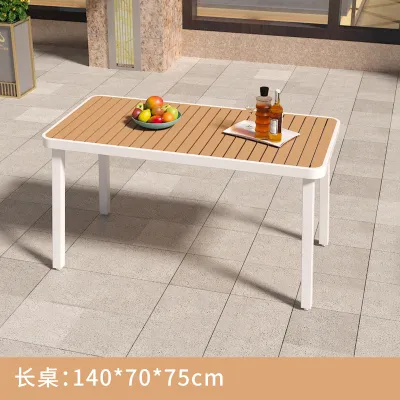
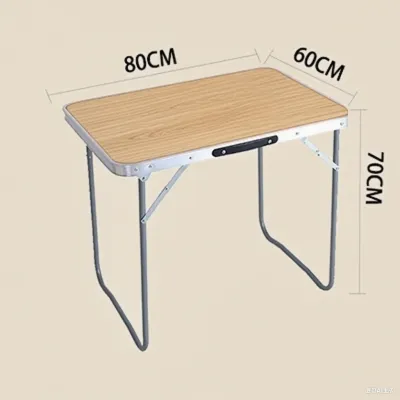
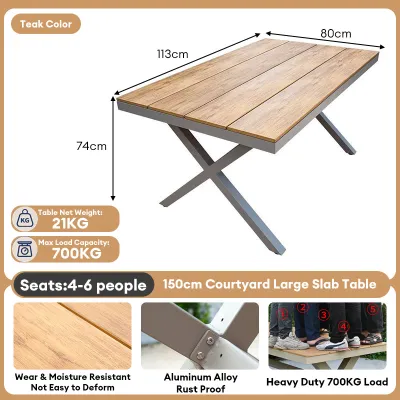
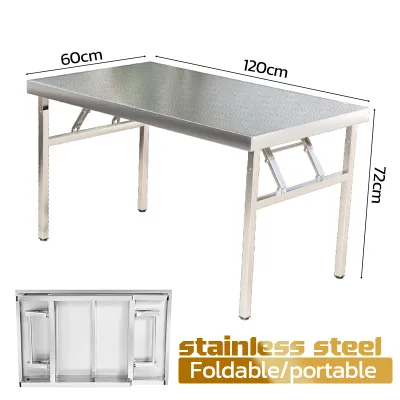
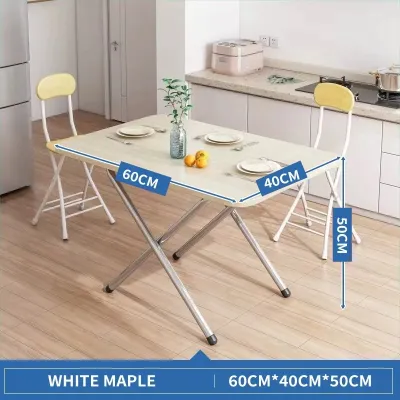
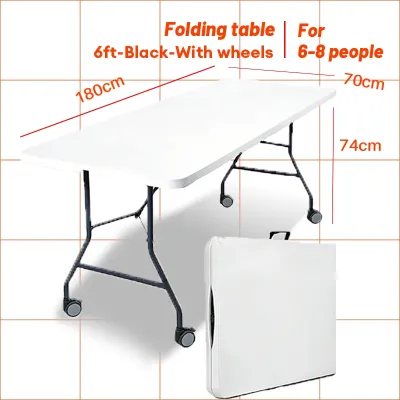
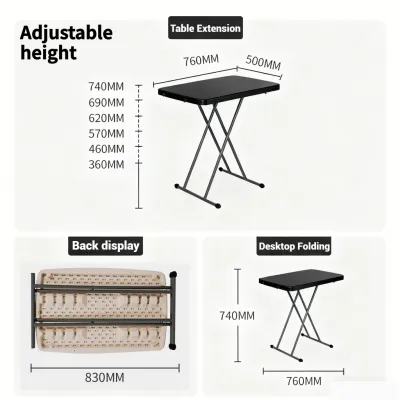
Prices are valid at publication and may change. Please refer to the product page for the latest price.
Rather than relying on generic marketing labels, you should check the manufacturer specifications for specific water-repellent treatments, protective sealants, or specialized outdoor ratings. For example, look for details on the type of powder coating applied to metals or the specific synthetic compounds used in composite materials.
It is also important to remember that material names alone do not guarantee long-term weather resistance. A table labeled as “teak” or “metal” can still fail if the surface treatment is substandard or if the piece was not engineered for fully exposed outdoor use. Always verify the specific finish and intended environment on the product tag before making a purchase.
Evaluating Common Outdoor Table Materials for Rain Exposure
Selecting the right outdoor table requires a clear evaluation framework centered on water absorption, rust potential, and surface degradation. Different materials react uniquely to constant moisture, and choosing the wrong one can lead to warping, rot, or structural instability within a single season.

Your material choice must also align with the specific microclimate of your placement area. A table destined for a fully exposed backyard or garden will require much higher moisture resistance than one placed on a covered patio or semi-sheltered balcony where direct rain exposure is limited.
Metal Frames and Bases
Aluminum is a highly popular choice for outdoor furniture because it is naturally rust-resistant. However, you must still verify the quality and thickness of the powder coating on an aluminum frame. In highly humid environments, poor-quality coatings can chip or bubble, leading to localized oxidation and pitting that weakens the structure over time.
Steel and iron frames offer excellent weight and stability, but they are highly prone to rust if their protective layer is compromised. When evaluating these metals, check the product specifications for galvanized treatments, e-coating, or heavy-duty powder coating. Inspect the frame carefully at the store or upon delivery for any factory scratches or exposed metal that could allow moisture to take hold.
Stainless steel provides exceptional resistance to corrosion and staining, making it ideal for wet climates. To ensure long-term durability, verify the specific grade of stainless steel on the manufacturer’s spec sheet. Grade 304 or marine-grade 316 stainless steel offers the best defense against moisture-related degradation, whereas lower grades may develop surface rust when left exposed to heavy rain.
Wood and Synthetic Alternatives
Teak and other premium hardwoods contain natural oils that inherently repel water and resist rot. Even so, these natural materials are not entirely maintenance-free. You must check the manufacturer’s recommended sealing or oiling schedule, as neglecting this upkeep will cause the wood to gray, develop fine cracks, and allow moisture ingress over time.
Polywood and recycled plastics serve as excellent synthetic alternatives because they do not absorb water, swell, or rot. However, because these materials can be flexible, you must verify that the table features a strong internal support structure, such as integrated aluminum inserts. Without proper internal reinforcement, a synthetic table may warp or sag under the weight of heavy rain, wind, or tabletop items.
Resin wicker offers a classic look while utilizing synthetic fibers that resist water damage. When choosing resin wicker, inspect the underlying frame material to ensure it is made of rust-proof powder-coated aluminum rather than raw steel. Additionally, examine the weave closely; a tight, high-quality weave prevents water from pooling in the internal crevices, which can otherwise lead to mold growth.
Tabletop Surfaces and Finishes
Tempered glass is completely waterproof, highly durable, and exceptionally easy to wipe dry after a storm. To maximize safety and aesthetics, look for tempered glass tabletops with textured or frosted finishes. These finishes help prevent unsightly water spotting and provide a less slippery surface when wet.
Ceramic and porcelain tabletops offer beautiful, highly water-resistant surfaces that do not absorb moisture. However, you must verify that any grout lines or underlying substrates are fully sealed and rated for outdoor moisture exposure. Unsealed grout or cheap plywood backing can absorb water, leading to structural failure or cracked tiles.
High-Pressure Laminate (HPL) and wood-composite tabletops require strict inspection of the edge banding and sealing. If the edges are exposed or poorly sealed, rainwater will eventually seep into the core, causing the composite material to swell, warp, and delaminate. Ensure the edges are completely fused or capped with a protective weather-resistant trim.
Structural and Hardware Checks for Rainy Season Durability
Beyond the primary materials, the physical construction of a waterproof outdoor table determines how well it survives prolonged wet weather. One critical feature to check is the drainage design of the frame. If the table features tubular metal legs, ensure they have drainage plugs or weep holes at the bottom to prevent internal water accumulation, which can cause hidden rust and weaken the joints.
Next, inspect the hardware and fasteners used to assemble the table. Verify that all screws, bolts, washers, and hinges are made of stainless steel or heavily coated, weather-resistant materials. Standard zinc-plated hardware degrades rapidly when exposed to rain, resulting in structural instability and leaving permanent rust stains on your patio floor.
Take a close look at the joints and connections where the table parts meet. Welded joints on metal frames should feature smooth, continuous seals without visible pinholes or gaps that could trap water. For mechanical joints, check for tight, flush fits that naturally shed water rather than allowing it to seep into connection points.
Finally, evaluate the surface slope and design of the tabletop. Look for tables designed with a very slight, intentional slope or built-in drainage gaps, such as slatted wood or metal designs. These gaps allow rainwater to run off freely, preventing standing water from pooling on the surface, which accelerates wear and attracts dirt.
Maintenance and Protection Strategies for Heavy Rain
Implementing a practical maintenance routine before, during, and after the rainy season will significantly extend the lifespan of your outdoor table. Before the heavy rains begin, clean the table thoroughly with mild soap and water, allow it to dry completely, and apply any manufacturer-recommended sealants, protective waxes, or outdoor metal sprays to reinforce the surface barrier.
Using a high-quality protective cover is one of the most effective ways to shield your table from severe downpours. Select a cover made of breathable, waterproof fabric equipped with built-in ventilation vents. Avoid using cheap, non-breathable plastic tarps, as they trap rising ground moisture and ambient condensation underneath, creating a humid greenhouse effect that promotes mold, mildew, and rapid wood rot.
Routine upkeep during the rainy season is simple but essential. Periodically clear leaves, twigs, and debris from drainage holes and tabletop slats, as trapped organic matter holds moisture against the surface. Wipe down the table after major storms to remove acidic rain residue, and check the hardware occasionally to ensure no bolts have loosened or begun to show early signs of rust.
When the rainy season peaks or if you plan to leave the table unused for extended periods, consider your storage options. If you cannot move the table to a fully covered garage or shed, elevate the legs off the wet ground using adjustable foot caps or rubber glides. This simple step prevents moisture from wicking up through the bottom of the legs, protecting the frame from constant contact with standing water.
Frequently Asked Questions (FAQ)
Can I leave my outdoor table outside during severe storms?
While a high-quality waterproof outdoor table can handle heavy rain, severe tropical storms and typhoons bring high winds and flying debris that can cause severe physical damage. It is best to consult the manufacturer’s guidelines regarding wind resistance and weight limits. During extreme weather warnings, secure lightweight tables or store them indoors, in a basement, or in a sheltered area to prevent them from tipping over or being damaged by debris.
Does a waterproof cover guarantee the table will stay dry?
A waterproof cover prevents direct rainwater from hitting the tabletop, but it does not guarantee a completely dry environment. Moisture can still rise from the damp ground or accumulate from ambient humidity, trapping condensation beneath the cover. To prevent mold and mildew, ensure the table is completely dry before covering it, choose a cover with built-in air vents, and adjust the cover so it does not drag on the wet ground, allowing proper air circulation underneath.

Community discussion
Share your experience or ask a question. Comments are reviewed before publication.