
To comfortably seat 6 to 10 people, an extendable dining table needs to transition from a daily length of 150 to 180 centimeters (ideal for 6 people) to an expanded length of 240 to 300 centimeters (ideal for 10 people). Finding the right balance ensures your dining room remains spacious and easy to navigate during quiet weekdays, while quickly transforming to accommodate extended family and guests during weekend gatherings.
In many homes, the dining table serves as the ultimate social hub, hosting everything from daily family meals to large holiday feasts. Choosing a table that is too large can permanently cramp your dining area, blocking natural airflow and foot traffic in tropical, open-plan layouts. Conversely, a table that is too small leads to crowded elbows and awkward seating arrangements when guests arrive. Understanding the precise spatial requirements of both states is the key to a comfortable, functional home.
Space Requirements for Seating 6 to 10 People
To prevent guests from bumping elbows while eating, each diner requires a personal zone of about 60 centimeters in width and 35 to 40 centimeters in depth. This space accommodates standard dinnerware, glassware, and cutlery while leaving a small buffer zone between guests. When planning for 10 people, you will need a total table perimeter that comfortably distributes these individual zones without forcing anyone to straddle a table leg or sit too close to a corner.
Products mentioned in this guide
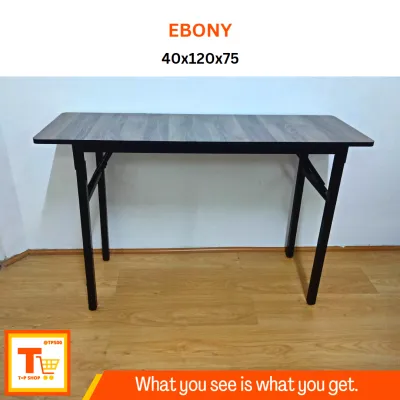
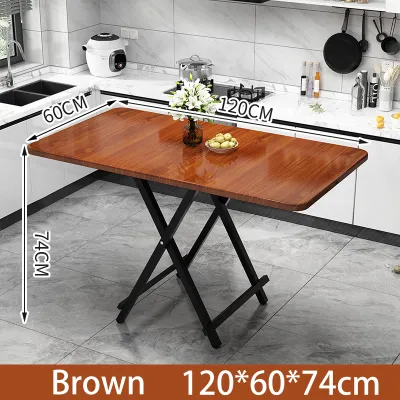
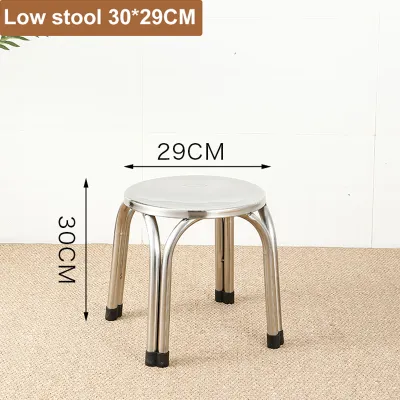
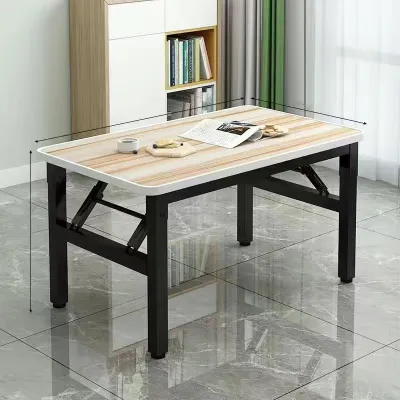
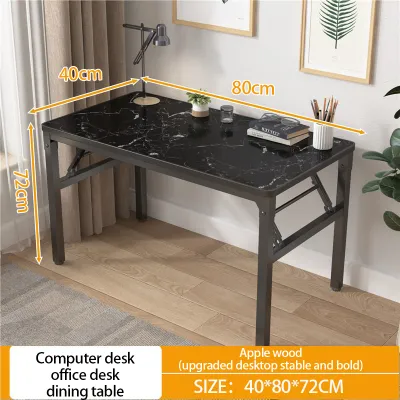
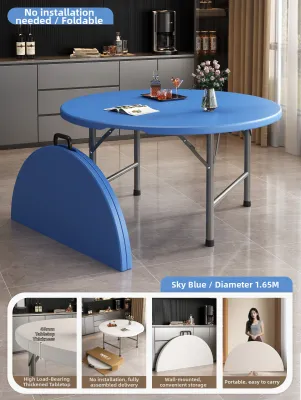
Prices are valid at publication and may change. Please refer to the product page for the latest price.
The shape of your table heavily influences how efficiently you can seat your guests. Rectangular and oval tables are the most space-efficient options for seating 10 people because they offer long, straight edges that maximize linear seating. A rectangular table distributes space evenly, making it easy to place chairs side-by-side. Oval tables offer similar benefits but feature rounded corners that can soften the room’s flow, though they slightly reduce the usable surface area at the ends.
Beyond the table itself, you must account for the clearance zones required around the perimeter. A minimum of 90 centimeters of open space is necessary between the edge of the table and the nearest wall, sideboard, or doorway to allow guests to pull their chairs out and sit down comfortably. If the dining room serves as a primary pathway to the kitchen or living area, increase this clearance to 110 or 120 centimeters so people can walk behind seated guests without disruption.
Folded vs. Extended Dimensions for Daily and Gathering Use
For daily use by a household of 4 to 6 people, a folded table length of 150 to 160 centimeters is highly practical. This compact size keeps your dining area feeling open and airy, which is essential for maintaining good ventilation in warm, humid climates. It leaves plenty of room for daily movement, cleaning, and casual activities without dominating the entire room.

When it is time to host a gathering of 10 people, the table must extend to a length of 240 to 300 centimeters. If you plan to serve meals family-style—with large platters of food, rice cookers, and serving bowls placed in the center of the table—aim for the upper end of this range, around 270 to 300 centimeters. This extra length ensures you have enough central table depth to place serving dishes without crowding individual place settings.
The type of extension mechanism you choose will affect both the table’s usability and its structural design. Butterfly leaf systems feature a hinged leaf stored directly beneath the tabletop, which folds out smoothly when the table is pulled apart. Drop-leaf or folding-side tables have hinged sections that hang down when not in use; while highly space-saving, these hanging leaves can sometimes restrict legroom for those sitting at the ends. Removable insert leaves offer great flexibility but require dedicated storage space in a closet or under a bed when the table is folded.
Measuring Your Dining Area for an Extendable or Folding Table
Before purchasing any furniture, you must measure your dining room’s physical boundaries. Use a metal measuring tape to record the length and width of the room, noting the positions of permanent fixtures such as columns, low-hanging pendant lights, air conditioning units, and doors. If you have a pendant light or chandelier, ensure it is centered over the table’s fully extended position to maintain visual balance.
To calculate the total operational footprint, map out the table’s maximum extended dimensions on your floor using painter’s tape or newspapers. Add at least 90 centimeters of clearance on all sides of this taped outline. This visual guide allows you to physically walk around the space and verify that the extended table will not block doorways, run into living room furniture, or obstruct the path to the kitchen.
Finally, do not forget to verify delivery and assembly access. Extendable tables are often incredibly heavy due to their internal metal tracks and solid framing. Measure the width of your front door, hallway corners, stairwells, and elevator doors to ensure the delivery team can safely transport the packaged table into your home. If you live in a condominium, check the building’s elevator height and weight limits before finalizing your purchase.
Common Sizing and Placement Mistakes to Avoid
One of the most common mistakes is forgetting to account for the depth of dining chairs when they are fully pulled out. A chair that looks perfectly fine tucked under the table can easily block a major walkway or scratch an adjacent wall when someone is sitting in it. Always measure your preferred dining chairs—especially if they have wide armrests or bulky frames—to ensure they fit comfortably side-by-side under the table without clashing.
Another frequent oversight is ignoring the placement of the table legs or pedestal base. Traditional four-legged tables can restrict seating at the corners, as guests may find themselves straddling a leg. If you choose a table where the legs remain stationary while the top expands, the middle seats may become cramped. Look for designs where the legs slide outward to the corners as the table extends, or opt for a sturdy pedestal base that keeps the perimeter entirely clear of obstructions.
Lastly, always check the manufacturer’s specifications regarding weight capacity and structural stability when the table is fully expanded. Extended leaves are subject to significant leverage; placing heavy serving platters or leaning heavily on the outer edges of an extended table can cause sagging or tipping if the locking mechanisms are not secure. If your home has delicate tile or hardwood flooring, verify that the table legs are equipped with felt or rubber floor protectors to prevent scratching under the increased weight of a full dinner party.
Frequently Asked Questions (FAQ)
Can a round extendable table comfortably seat 10 people?
A round table must extend into a long, oval shape to comfortably seat 10 people. A purely round table capable of seating 10 would require a massive diameter of at least 180 to 210 centimeters, which makes reaching the food in the center highly impractical and dominates most standard dining rooms. When choosing a round-to-oval extendable table, carefully inspect the base stability; a single-pedestal base must be heavy and wide enough to prevent the table from tipping when guests lean on the extended ends.
How much clearance is needed behind dining chairs?
To allow guests to sit down and rise comfortably, you need a minimum of 90 centimeters of clearance behind each dining chair. If you want to maintain a functional walkway where family members or hosts can walk behind seated guests to serve food or clear dishes, aim for 110 to 120 centimeters of clearance. This extra space prevents the dining area from feeling congested and ensures a smooth, relaxed flow throughout your gatherings.

Community discussion
Share your experience or ask a question. Comments are reviewed before publication.