
Hosting a large gathering in the Philippines, whether a festive Sunday family salo-salo or a special dinner party, brings immense joy but poses a spatial challenge. To comfortably seat 6 to 10 people, a table foldable for dining needs an extended length of 180 to 240 centimeters to accommodate 6 to 8 guests, and must expand to 270 to 300 centimeters to comfortably fit 10 adults. The width of the tabletop should ideally measure between 90 and 100 centimeters to allow enough room for individual place settings and shared serving platters down the center. When folded or retracted, these versatile tables shrink to a compact footprint of 40 to 90 centimeters, allowing you to reclaim valuable floor space in your living or dining room during the rest of the week.
In modern Philippine residential spaces, particularly in urban condominiums and townhouses, maximizing square footage is essential. A fixed 10-seater dining table is often too bulky for daily use, blocking traffic paths and making the home feel cramped. A high-quality table foldable for dining solves this dilemma by offering a flexible footprint that adapts to your immediate needs. By understanding the precise dimensions, extension mechanisms, and clearance requirements, you can select a table that provides a spacious, comfortable dining experience for your guests while maintaining a breezy, open layout in your home when the party is over.
Standard Dimensions for a 6 to 10 Seater Table Foldable for Dining
When planning for a table that transitions from a cozy family setup to a grand feast, understanding ergonomic spacing is crucial. Each seated guest requires a minimum of 60 centimeters of horizontal width to dine comfortably without knocking elbows. For premium comfort, extending this width to 65 or 70 centimeters per person is ideal, especially if your dining chairs have wide frames. Additionally, each place setting requires an individual depth of 35 to 40 centimeters to accommodate dinner plates, glassware, and cutlery.
Products mentioned in this guide
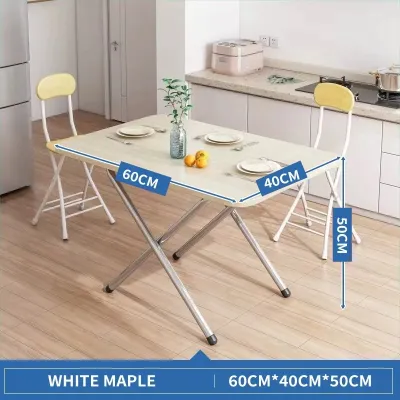
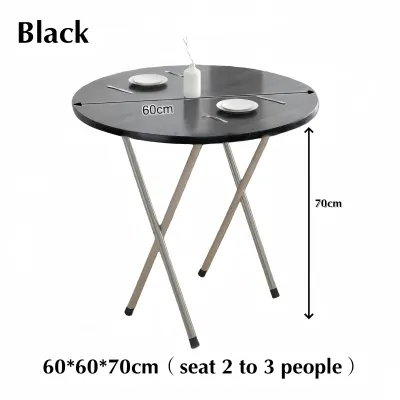
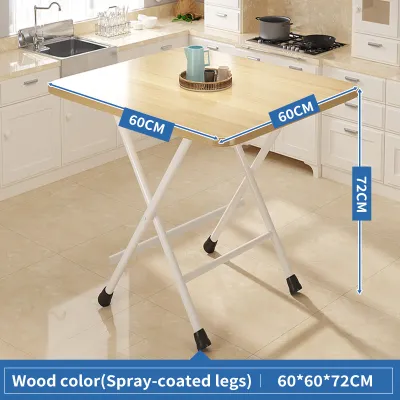
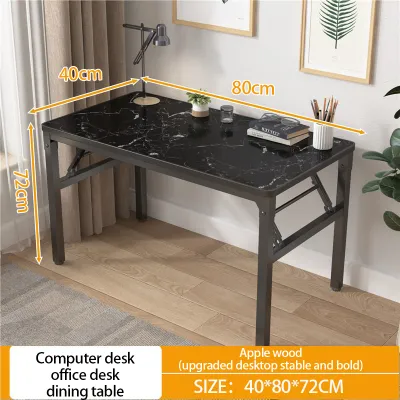
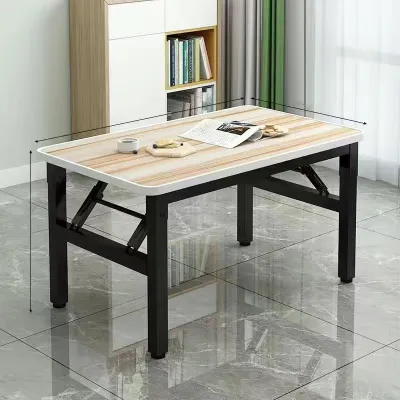
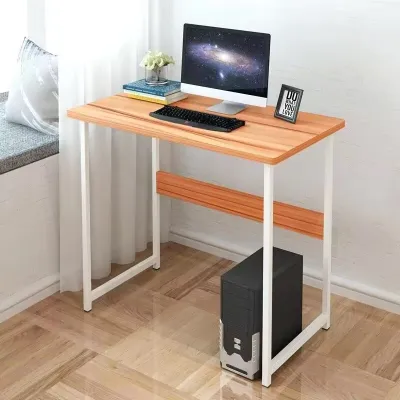
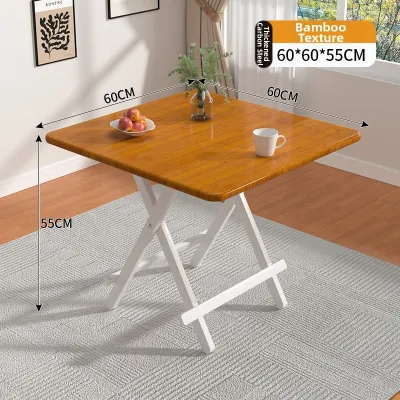
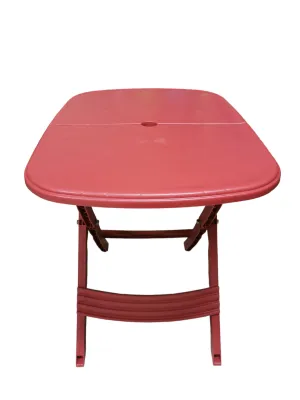
Prices are valid at publication and may change. Please refer to the product page for the latest price.
The difference between seating 6 people and seating 10 people represents a significant jump in surface area. To seat 6 people comfortably, a tabletop length of 150 to 180 centimeters is standard, typically arranged with two people on each long side and one person at each end. To scale up to 8 people, the table length must increase to 200 to 240 centimeters. Seating 10 people requires a substantial length of 270 to 300 centimeters, which allows for four guests along each long side and one guest at each table head. If the table width is narrower than 90 centimeters, seating guests at the ends becomes highly uncomfortable, as their place settings will overlap with those on the sides.
Beyond length and width, vertical ergonomics play a vital role in guest comfort. The standard height for a dining table is 75 to 76 centimeters from the floor to the top of the table surface. To ensure a comfortable seating posture, this height should be paired with dining chairs that have a seat height of 43 to 45 centimeters. This height difference leaves approximately 30 centimeters of clearance between the chair seat and the underside of the tabletop, providing ample room for guests to cross their legs comfortably.
It is important to remember that these dimensions represent only the physical boundaries of the tabletop itself. The actual footprint required in your dining room will be significantly larger once you account for the space occupied by the dining chairs and the physical bodies of your guests. When chairs are pulled out and occupied, they extend the overall width and length of the dining set by at least 50 to 60 centimeters on all sides, a critical factor to calculate before making a purchase.
Matching Table Mechanisms to Your Room Layout
The mechanism that allows your table to expand and fold determines how well the piece integrates into your home’s layout. Different mechanisms cater to different room shapes and storage preferences, making it essential to choose one that aligns with your daily routine.

Drop-leaf tables are a classic and highly practical option for narrow dining spaces or open-plan kitchens. These tables feature a fixed central tabletop with hinged leaves on one or both sides that hang vertically when folded. When you need to seat more guests, you simply lift the leaves and secure them with pull-out wooden supports or metal brackets. A major benefit of drop-leaf designs is that they can be placed flush against a wall or kitchen island when partially folded, serving as a two-seater breakfast bar. However, because the central base frame remains fixed, the legs or central pedestal can sometimes limit legroom for guests seated at the ends when fully extended.
Console-to-dining tables, also known as extreme extendable tables, represent the pinnacle of space-saving engineering. These innovative pieces start as a slim console table measuring just 40 to 50 centimeters deep, making them perfect for entryways or behind a sofa. When extended, the frame pulls outward on heavy-duty telescopic aluminum tracks, and you insert separate extension leaves into the middle of the frame. This mechanism allows a single piece of furniture to transform from a decorative hallway console into a massive dining table that can extend up to 300 centimeters to seat 10 people. The main trade-off is that you must find a separate storage closet or cabinet to keep the extra wooden leaves when they are not in use.
Gateleg and butterfly leaf tables offer highly integrated designs where all components are self-contained. Gateleg tables utilize legs that swing outward on hinges—much like a gate—to support the extended tabletop leaves. While exceptionally stable, the swinging legs can occasionally interfere with guest legroom and chair placement. Butterfly leaf tables, on the other hand, feature a central seam in the tabletop. When the two halves are pulled apart, a hinged leaf stored in a hidden compartment beneath the table pivotally unfolds like butterfly wings to fill the gap. This self-storing design is highly convenient, though it does require periodic cleaning of the internal tracks to prevent dust accumulation in humid tropical environments.
To evaluate which mechanism best suits your home, consider how often you host large groups. If you only host 10 guests during major holidays or special occasions, a console-to-dining table that remains tucked away as a console for 95% of the year is an excellent investment. If you regularly host gatherings of 6 to 8 people, a butterfly leaf or drop-leaf table that stays partially open in the center of your dining area provides a more practical, ready-to-use solution.
How to Measure Your Dining Area for Comfort and Clearance
To ensure your new table foldable for dining fits seamlessly into your home, you must measure your space using a step-by-step framework. Relying on visual estimation often leads to a cramped dining room where guests cannot move comfortably or doors cannot open.
Start by calculating the extended footprint of the table. If you are looking at a table that extends to 270 centimeters in length and 90 centimeters in width, you must add the depth of the dining chairs to these measurements. Assuming a standard dining chair depth of 50 centimeters, you must add 100 centimeters to both the total length and the total width to account for chairs pulled out on opposite sides. This means your 270 x 90-centimeter table actually requires a physical footprint of at least 370 x 190 centimeters just to accommodate the furniture and seated guests.
Next, factor in the necessary clearance for walkways and serving paths. For guests to pull their chairs out and sit down without feeling restricted, you need a minimum clearance of 90 centimeters between the edge of the tabletop and the nearest wall, sideboard, or appliance. If you want to maintain a functional walkway where you or your guests can easily walk behind seated diners to serve food or access the kitchen, increase this clearance to 110 to 120 centimeters. Lacking this extra space can make hosting stressful, as guests will constantly need to tuck their chairs in to let others pass.
Do not forget to measure the folded footprint and assess how the table integrates into your daily life when not in use. In many homes and condominiums in the Philippines, open-concept layouts mean the dining area sits directly adjacent to main hallways, kitchen entryways, or sliding doors leading to a balcony. Measure the designated storage or daily-use spot carefully to ensure the folded table does not obstruct these high-traffic pathways, block natural light, or prevent balcony doors from opening fully.
Finally, inspect the surrounding area for physical obstacles and spatial flow. Look upward to check the alignment of ceiling fans and hanging light fixtures. A table extended to its full 10-seater length might end up directly beneath a ceiling fan, which can cause food to cool down too quickly or create uncomfortable drafts for guests. Additionally, check the swing radius of nearby doors—such as bathroom, bedroom, or pantry doors—to ensure they do not collide with the table or chairs when guests are seated. Marking the extended table dimensions on your floor using painter’s tape or newspapers is a highly effective way to visualize the layout before purchasing.
Common Sizing and Placement Mistakes to Avoid
When shopping for a large foldable dining table, it is easy to overlook subtle details that can ruin the dining experience. Recognizing these common mistakes beforehand will save you from post-purchase regret.
One of the most frequent errors is ignoring chair depth and style. Many homeowners measure their dining space based solely on the table’s dimensions, forgetting that chairs add substantial bulk. If you plan to use comfortable, upholstered chairs or designs with wide armrests, they will require significantly more space than slim, armless wooden chairs. Furthermore, some foldable tables have structural crossbars or narrow leg configurations that prevent chairs from being fully pushed under the tabletop when the table is folded, leaving the chairs protruding into your living space.
Another common oversight is neglecting how table legs and bases impact seating comfort. A table’s leg design dictates where your guests can actually sit. For example, a four-leg design placed at the absolute corners of the table offers excellent stability, but if the legs are set slightly inward, they can block the knees of guests sitting near the ends. Conversely, central pedestal bases offer maximum legroom and flexibility for chair placement, but they must be incredibly heavy and well-engineered to support a tabletop extended to seat 10 people without tipping.
Many buyers also forget to consider the “in-between” states of their extendable table. They focus entirely on how the table looks when fully closed (for 2 to 4 people) or fully open (for 10 people). However, in daily life, you will often find yourself needing to seat exactly 6 or 8 people. If your table only has an “all-or-nothing” extension mechanism, you may be forced to fully extend a massive table that overwhelms your room just to host a couple of extra guests. Look for tables that offer modular extension options, allowing you to add one leaf at a time to match the exact number of diners.
Lastly, do not neglect floor protection. A large, high-capacity foldable table is a heavy piece of furniture, especially when constructed with solid wood tops or robust steel extension tracks. Dragging the table across the floor to extend or fold it can easily scratch, dent, or scuff sensitive flooring materials such as luxury vinyl tiles, laminate, or polished wood. Always inspect the bottom of the table legs to ensure they are equipped with high-quality rubber caps or felt pads, and avoid dragging the table; instead, lift it slightly with assistance when adjusting its position.
Ensuring Stability and Durability for Large Extended Tables
A foldable dining table that expands to seat up to 10 people must be structurally sound to handle the weight of heavy serving dishes, tableware, and the occasional leaning guest. Prioritizing stability and durability ensures your investment remains safe and functional for years to come.
Robust base support and proper weight distribution are non-negotiable for large extended tables. When a table stretches beyond 240 centimeters, the center of the tabletop becomes susceptible to sagging under load. To prevent this, high-quality extendable tables utilize heavy-duty metal sliding tracks—often made of steel or aluminum—that maintain a rigid plane. Many superior models also feature auxiliary support legs that fold down or slide out from the center frame when the table is fully extended, distributing the weight evenly to the floor and preventing the table from tipping if someone leans heavily on one end.
When shopping, carefully inspect the quality of the joints, hinges, and hardware. The moving parts of a foldable table are its primary points of wear and tear. Look for heavy-duty, flush-mounted hinges and secure locking latches that hold the extension leaves firmly in place. In the tropical climate of the Philippines, high humidity can cause metal components to rust and wood to expand or warp. Choosing hardware with rust-resistant coatings, such as powder-coated steel or brass, is essential for ensuring smooth operation over time.
Surface and edge safety should also be evaluated. Run your hand along the seams where the extension leaves meet the main tabletop. The transition should be perfectly flush and smooth, with no sharp edges or significant gaps. Uneven seams not only look unappealing but can also cause wine glasses to wobble and tip, or trap crumbs and spills, making cleanup difficult. Furthermore, high-quality mechanisms are designed with safety locks to prevent the table from accidentally folding or sliding during use, protecting fingers from getting pinched.
To maintain the structural integrity of your table, always adhere to the manufacturer’s specified weight limits and care instructions. Avoid placing excessively heavy objects near the unsupported edges of extended leaves, and periodically check and tighten any screws or bolts that may loosen with regular folding and unfolding. If the manufacturer’s assembly or care guidelines conflict with general advice, always prioritize the official instructions to preserve your warranty and ensure maximum safety.
Frequently Asked Questions (FAQ)
Can a foldable dining table comfortably seat 10 people without wobbling?
Yes, a high-quality foldable dining table can seat 10 people with excellent stability, provided it is engineered with the right support systems. When shopping, look for tables that feature heavy-duty steel or aluminum telescopic extension rails rather than simple wooden slides. Additionally, models designed for 10-seater capacities should include auxiliary center support legs that drop down when extended, or a robust, heavy pedestal base that anchors the center of gravity. Avoiding lightweight plastic folding tables for formal dining will ensure a wobble-free experience for your guests.
How much space do I need to leave between the extended table and the wall?
You should leave a minimum of 90 centimeters (36 inches) of clearance between the edge of the extended table and the wall or any adjacent furniture. This distance allows guests to pull out their chairs and sit down comfortably. However, if you want to allow enough space for yourself or others to walk behind seated guests to serve dishes or move around the room, a clearance of 110 to 120 centimeters (44 to 48 inches) is highly recommended.
Are wall-mounted foldable tables suitable for seating 6 to 10 people?
No, wall-mounted foldable tables are not suitable for seating large groups of 6 to 10 people. Wall-mounted designs rely heavily on brackets anchored into your wall studs, which imposes strict weight limits and structural stress. They are typically designed for light, space-saving use for 1 to 3 people. For a capacity of 6 to 10 guests, a freestanding extendable table or a console-to-dining table is a much safer and more stable option, as it distributes all weight directly onto multiple floor-standing legs.

Community discussion
Share your experience or ask a question. Comments are reviewed before publication.