
To seat 6 to 10 people comfortably, you need a kitchen table measuring 72 to 120 inches in length and 36 to 42 inches in width. The exact size depends on whether you are hosting six or a larger gathering of ten. Finding the perfect balance requires understanding both the physical footprint of the table and the ergonomic space each guest needs to dine comfortably.
In the Philippines, where dining areas serve as the heart of the home for extended family gatherings, Sunday lunches, and holiday feasts, choosing the correct size is crucial. A table that is too large can block vital walkways in open-plan layouts or condominiums, while a table that is too small leaves guests feeling cramped. By calculating your available space and choosing the right shape, you can create an inviting dining environment that accommodates everyone with ease.
Standard Dimensions for 6 to 10 Seater Kitchen Tables
The basic unit of dining comfort is the personal space bubble. Ergonomic standards dictate that each person requires 24 to 30 inches of linear table edge to eat without bumping elbows. For casual family meals, 24 inches per person is usually sufficient. However, for formal multi-course dinners where multiple utensils, glassware, and larger plates are used, aiming for 30 inches of linear space per guest provides a much more comfortable experience.
Products mentioned in this guide
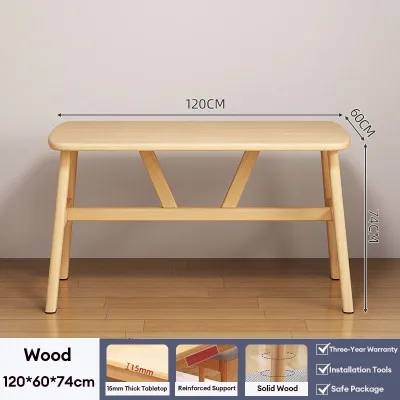
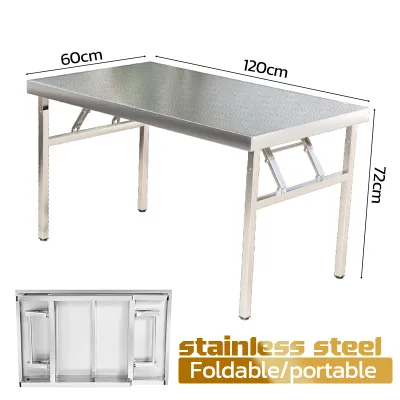
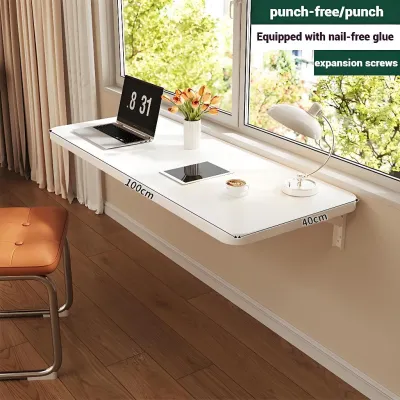
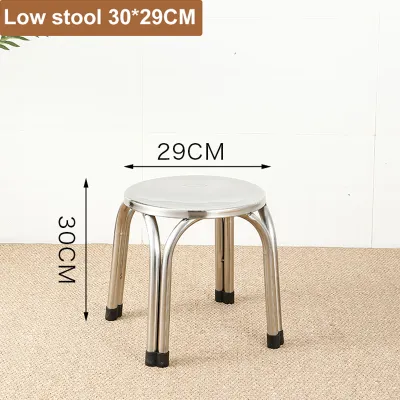
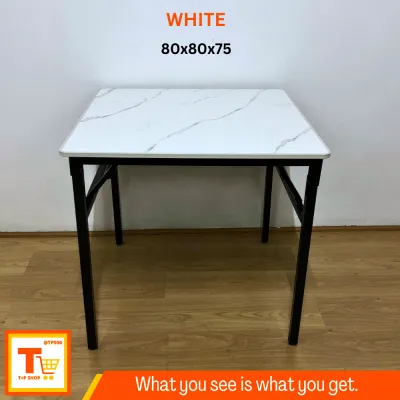
Prices are valid at publication and may change. Please refer to the product page for the latest price.
To translate this into actual table lengths, a rectangular kitchen table seating 6 to 8 people should measure approximately 72 to 84 inches long. If you regularly host up to 10 people, you will need a table length of 96 to 120 inches. A 96-inch table can seat 10 if you place two people at each end, but a 120-inch table is far superior if you want to seat all ten guests along the sides comfortably without crowding.
Table width is equally important. Standard dining tables typically range from 36 to 42 inches wide. This range provides a balanced ratio of personal dining space to communal serving area. If a table is narrower than 36 inches, you will struggle to place serving platters, rice bowls, or centerpieces in the middle without crowding individual place settings. Conversely, if a table exceeds 48 inches in width, passing dishes across the table becomes difficult, and the distance can make conversation feel detached.
Finally, do not overlook height. Standard dining tables stand between 28 and 30 inches high. When choosing chairs, ensure there is a clearance of 10 to 12 inches between the seat cushion and the underside of the tabletop. Be particularly mindful of the table’s apron—the wooden panel connecting the legs to the top—as a thick apron can significantly reduce legroom and prevent guests from crossing their legs comfortably.
Choosing the Right Table Shape for Large Gatherings
The shape of your kitchen table dictates how people interact and how efficiently the piece utilizes your floor plan. For gatherings of 6 to 10 people, certain shapes perform significantly better than others in terms of flow and seating capacity.

Rectangular and Oval Tables
Rectangular tables are the traditional gold standard for large groups. They naturally align with the elongated architecture of most dining rooms and open-concept kitchens. By maximizing seating along the long parallel sides, a rectangular table allows you to squeeze in extra chairs when unexpected guests arrive. It also provides a clear, structured layout for serving food family-style, which is highly practical for large gatherings where multiple dishes are presented simultaneously.
Oval tables offer a compelling, space-saving alternative to the classic rectangle. Because they lack sharp corners, oval tables soften the visual impact of a large piece of furniture in a room. This rounded silhouette improves traffic flow, allowing family members to navigate tight spaces without bumping into sharp edges. Furthermore, the curved ends of an oval table make it much easier to slide in one or two extra chairs at the heads of the table, as guests are not restricted by rigid 90-degree corners.
Round and Square Tables
While round tables foster intimate conversation, they become impractical when scaled up. Seating 10 people at a round table requires a massive diameter of at least 84 inches, demanding a very large, dedicated square room. Furthermore, an 84-inch round table creates a massive, unreachable dead space in the center, making it difficult to pass dishes naturally and forcing guests to raise their voices to speak to someone across the room.
Square tables face similar spatial and social limitations. A square table designed to seat 8 to 10 people must measure at least 60 by 60 inches. Much like round tables, these expansive dimensions demand vast, open-concept dining areas that are rarely found in standard urban homes or modern apartments. The center of a large square table remains out of reach for most diners, and the overall footprint can quickly overwhelm a kitchen, making it a less versatile choice for everyday living.
How to Measure Your Space for a Large Dining Table
Purchasing a large kitchen table without measuring your room is a recipe for a cramped, unusable space. To ensure your new furniture fits harmoniously, you must apply a few simple spatial rules before making a decision.
The most critical guideline is the “clearance rule.” For comfortable dining, maintain a minimum of 36 inches of clear space between the edge of the table and the nearest wall, sideboard, or appliance. This 3-foot buffer provides enough room for a guest to pull their chair out, sit down, and stand up without hitting a physical barrier.
If the area behind the dining chairs serves as a primary walkway—such as the path between the kitchen stove and the living room—increase this clearance. In high-traffic zones, aim for 42 to 48 inches of space. This extra width ensures that family members can walk past comfortably without forcing seated guests to tuck themselves in.
To quickly calculate the maximum table size your room can accommodate, use this simple subtraction method. Measure the total length and width of your dining space in inches. Subtract 72 inches (36 inches for each side) from both measurements. For example, if your dining area is 168 inches long and 120 inches wide, your maximum table size would be 96 inches long by 48 inches wide.
Additionally, account for architectural features like door swings, built-in cabinets, and columns. Finally, map out the delivery path. A 96-inch or 120-inch table must clear tight hallway corners, fit inside your condominium elevator, and pass through your front doorway. If entryways are tight, look for tables with detachable legs or modular designs.
Extendable Tables: A Flexible Solution for 6 to 10 Guests
If you do not host large groups every day, a permanently massive 10-seater table can make your kitchen feel unnecessarily crowded. An extendable table offers the perfect compromise, allowing you to maintain a compact footprint for daily family life and expand the surface when visitors arrive.
When shopping for extendable tables, compare the leaf mechanisms carefully:
- Drop-leaf tables feature hinged sides that hang down. While highly space-efficient, they often lack the structural support needed for heavy meals when fully extended.
- Removable center leaves are highly stable but require separate storage space in your home.
- Butterfly leaf tables feature a self-storing mechanism where the leaf folds and hides beneath the tabletop. This is the most convenient option for modern homes, eliminating the need to store loose wooden panels.
Pay close attention to the table’s base structure. Standard four-legged tables can become unstable when fully extended, and the corner legs can interfere with seating arrangements. In contrast, a pedestal or trestle base provides superior stability and maximizes legroom, allowing you to position chairs freely along the table’s edge without forcing anyone to straddle a table leg.
For homes in tropical and highly humid climates like the Philippines, wood movement is a critical factor. Rapid shifts in humidity can cause solid wood to expand, contract, or warp. If you choose a table with removable wooden leaves, store the extra leaves flat in a dry, climate-controlled room or flat under the table itself. Storing them upright against a wall in a humid area can cause them to warp, making it difficult or impossible to align the pins and locks when you try to reassemble the table for a gathering.
Common Kitchen Table Sizing Mistakes to Avoid
Avoiding a few common pitfalls can save you from a costly return or years of dining discomfort.
First, never ignore the design of the table base and the placement of its legs. Many homeowners buy a 96-inch table assuming it will easily seat 10 people, only to realize that the thick, decorative legs are set too far inward. This poor placement severely reduces the usable linear space between the legs, forcing guests at the ends to sit uncomfortably close to the corners or struggle with restricted legroom.
Second, do not underestimate the logistical challenge of delivery. Large tables measuring 96 inches or more are exceptionally heavy and difficult to maneuver. Before purchasing, measure the height and width of stairwells, elevator doors, and entryways. If you live in a high-rise condominium, verify the elevator’s dimensions and weight capacity to ensure the delivery team can safely transport the table.
Lastly, consider the lighting setup in your dining area. A single, centered pendant light that perfectly illuminates a 6-seater table will leave the ends of a 10-seater table in the dark. If you are upgrading to a larger table, plan to adjust your lighting accordingly. Installing a long linear chandelier or a series of multiple pendant lights ensures that the entire surface is evenly lit, creating a warm and welcoming atmosphere for all your guests.
Frequently Asked Questions (FAQ)
What is the best table base for a large 10-seater table?
For a large 10-seater table, a pedestal or trestle base is highly recommended over a standard four-leg design. Pedestal and trestle bases centralize the table’s support, eliminating the four corner legs that often block seating. This design makes it incredibly easy to slide extra chairs in at the corners and heads of the table, ensuring that no guest has to sit with a wooden post between their knees. Additionally, high-quality trestle bases offer excellent structural stability, which is essential for supporting the weight of a fully extended tabletop.
Is a dining bench a good alternative to chairs for seating 10 people?
Yes, a dining bench can be an excellent, space-saving alternative to traditional chairs, particularly along one of the long sides of the table. Benches allow you to seat more people—especially children—in a tighter linear space because you do not have to worry about individual chair widths. When the meal is over, the bench can be tucked completely underneath the table, freeing up valuable floor space in your kitchen.
However, benches do come with trade-offs. They offer no back support, which can make long, multi-course dinners uncomfortable for older adults or guests with back issues. Furthermore, getting in and out of a bench requires coordination; if the person sitting in the middle needs to stand up, everyone on that side must slide out to accommodate them. For the best of both worlds, consider a hybrid setup with a bench on one side and comfortable, supportive dining chairs on the other.

Community discussion
Share your experience or ask a question. Comments are reviewed before publication.