
Finding the right modern headboard for bed setups requires balancing the physical dimensions of your mattress with the architectural realities of your bedroom. In the Philippines, where bedroom sizes range from compact studio condominiums in Metro Manila to spacious suburban townhouses, selecting the correct headboard size is crucial. A headboard that is too large can overwhelm a small room and block essential walkways, while one that is too small looks disproportionate and fails to provide the desired aesthetic anchor. To achieve a polished, modern look, you must consider both width and height relative to your single or double bed frame, ensuring the piece fits your space physically and visually.
Quick Guide: Standard Headboard Proportions
To establish a balanced bedroom layout, modern headboard design typically follows specific proportional rules. Generally, a standard headboard should be at least as wide as your mattress, though modern styles often extend 2 to 10 inches (5 to 25 cm) beyond each side of the bed frame to create a wider, more luxurious visual anchor. This extra width helps frame the entire bed setup, giving it a more intentional, designer-led appearance.
For height, a standard modern headboard typically stands between 14 and 29 inches (35 to 74 cm) above the top of the mattress. This ensures that when you sit up to read or rest, your head and back are comfortably supported without exposing the bare wall or the mounting brackets behind.
Products mentioned in this guide


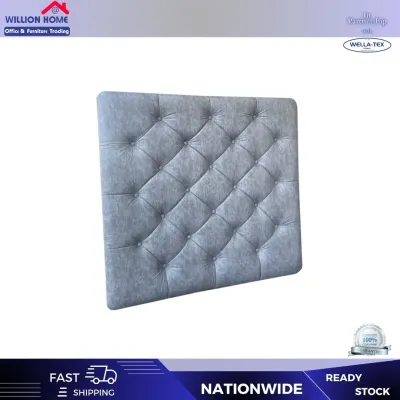



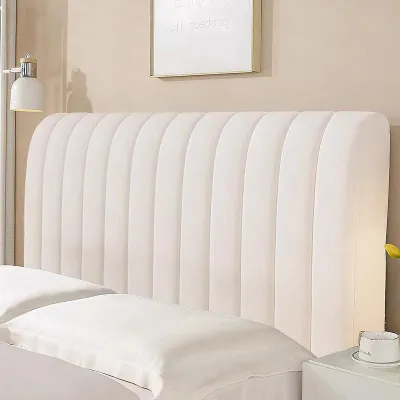
Prices are valid at publication and may change. Please refer to the product page for the latest price.
Achieving visual balance in a modern bedroom requires coordinating these dimensions with the room’s overall scale. In a room with high ceilings, a taller headboard prevents the bed from looking dwarfed. Conversely, in compact spaces, a low-profile headboard maintains an open, uncluttered feel. The goal is to create a clean horizontal or vertical line that complements your existing furniture rather than competing with it.
Width Guidelines: Matching Single and Double Beds
Selecting the correct width for your headboard depends heavily on whether you are styling a single bed or a double bed. Because these bed sizes serve different functional needs and occupy different floor areas, the way you frame them with a headboard will dictate the flow of the entire room.

Single Bed Width Strategies
In the Philippines, a standard single bed mattress typically measures 36 inches wide (approximately 91 cm). Because single beds are frequently placed in smaller guest rooms, children’s rooms, or studio apartments, space optimization is a primary concern.
Exact-Match Widths: For compact rooms where every centimeter of floor space counts, an exact-match headboard is the most practical choice. This configuration keeps the headboard’s width flush with the outer edges of the single bed frame. It prevents the headboard from protruding into narrow walkways, making it easier to navigate around the bed.
Extended Widths: If you want to create a more contemporary, upscale look in a larger room, you can select a headboard that extends 3 to 6 inches (7.5 to 15 cm) past the mattress on each side. This extended width creates a wider visual anchor, making a simple single bed feel more substantial and intentionally designed.
Clearance Checks: Before opting for an extended headboard, always measure the side clearances. Ensure that the extra width does not block bedroom doors, wardrobe doors, or window frames. In tight spaces, even a few extra inches can prevent a closet door from opening fully or obstruct a natural walking path.
Double Bed Width Strategies
A standard double bed (often referred to as a full bed) typically measures 54 inches wide (approximately 137 cm) in the local market. This size is popular for teenagers, young professionals, or couples with cozy bedroom layouts.
Standard Matching: A standard headboard for a double bed usually measures between 56 and 59 inches wide, providing a slight, elegant overhang of 1 to 2.5 inches on either side. This standard sizing ensures the mattress is neatly framed without dominating the wall space.
Extended Panel Look: A popular modern design trend involves using an extra-wide headboard panel that spans not only the width of the double bed but also the adjacent nightstands. This creates a unified, hotel-like aesthetic. If you choose this approach, measure your bedside tables and ensure the headboard’s total width matches the combined span of the bed and both tables.
Wall Space Limits: When planning an extended or panel-style headboard, verify that you have continuous, uninterrupted wall space. Check for architectural features such as columns, window recesses, or electrical conduits that are common in Philippine homes. The headboard must sit completely flat against the wall to remain stable and secure.
Height Selection: Achieving Visual Balance
The height of your headboard influences how spacious or cozy your bedroom feels. Modern headboards range from low-profile, minimalist designs to towering, dramatic statement pieces.
Low-Profile vs. Tall Headboards: Low-profile headboards typically rise only 12 to 18 inches (30 to 45 cm) above the mattress. They are ideal for rooms with low ceilings, large windows, or minimalist design themes, as they keep the visual plane low and open. Taller headboards, which can rise 30 to 48 inches (76 to 122 cm) or more above the mattress, serve as bold focal points. They work exceptionally well in rooms with high ceilings, helping to fill vertical space and add a sense of luxury.
Measuring from the Mattress: When determining the right height, always measure from the top of the mattress rather than the floor. Mattress thicknesses vary widely, from thin 6-inch foam mattresses to thick 14-inch pocket-spring models with pillow tops. Additionally, factor in the height of your bed frame or divan base. To find the visible headboard height, subtract the combined height of your bed frame and mattress from the headboard’s total height from the floor.
Visual Weight and Room Balance: Consider the visual weight of the headboard material. A solid, dark wood or heavily upholstered headboard has more visual weight than a light-colored, slatted, or open-frame design. Ensure this visual weight balances with other large furniture pieces in the room, such as wardrobes or dressers, so the space does not feel lopsided or cramped.
Space Measurement and Installation Clearances
Before purchasing a modern headboard for bed setups, meticulous physical measurements are required to ensure a smooth installation and daily usability.
Wall Dimensions and Architectural Features: Measure the total width and height of the wall where the bed will be placed. Do not rely on floor-level measurements alone; walls are rarely perfectly square. Account for baseboards, skirting boards, and crown molding, as these can prevent a wall-mounted headboard from sitting flush against the vertical surface.
Outlets, Switches, and Fixtures: In many Philippine homes, electrical outlets and light switches are positioned close to the bed. Carefully measure the distance of these fixtures from the corners of the wall. An oversized headboard can easily cover outlets, making it impossible to plug in bedside lamps or phone chargers. If you are choosing a modern headboard with integrated LED lighting or USB ports, check the manufacturer’s wiring requirements and ensure your wall outlets align safely with the headboard’s access points.
Operational Clearances: Ensure the headboard does not interfere with the operation of other elements in the room. Check the swing clearance of bedroom entry doors and built-in closet doors. Additionally, consider the path of your window curtains or drapes; a headboard placed too close to a window frame can pinch or damage the fabric when curtains are drawn.
Delivery Path Access: Before finalizing your purchase, consider the delivery path. Large headboards, especially wide double panels, must fit through your home’s entryways, hallways, stairwells, or condominium service elevators. Measure these tight spots beforehand to ensure the delivery team can safely transport the headboard to your bedroom.
Common Sizing Mistakes to Avoid
Avoiding common sizing pitfalls can save you from the hassle of returning heavy furniture or dealing with an awkward room layout.
Ignoring Mattress Thickness: A common mistake is buying a headboard without measuring the actual thickness of your mattress. If you have a plush, high-profile mattress, it can easily block a significant portion of a shorter headboard, leaving very little of the decorative design visible.
Neglecting Bed Frame Footprint: Many shoppers assume their bed frame is the exact same size as their mattress. However, modern platform beds, storage beds, and upholstered frames often have wider and longer footprints than the mattress itself. Always measure the outermost edges of your bed frame to ensure the headboard aligns properly.
Obstructing Windows and Air Conditioners: In tropical climates like the Philippines, room layout is often dictated by the position of window-type or split-type air conditioning units. Ensure your headboard’s height does not block the airflow from your AC unit or obstruct window sills, which can lead to moisture buildup and restrict natural ventilation.
Overlooking Environmental Factors: In high-humidity environments typical of the Philippines, check the manufacturer’s care instructions and the quality of the protective finish or upholstery seal. A solid wood or fabric headboard must have a moisture-resistant finish or easily cleanable weave to prevent mold and warping over time, regardless of the material’s premium reputation.
Frequently Asked Questions (FAQ)
Can I use a double headboard on a single bed?
Yes, you can use a double-sized headboard on a single bed to create a luxurious, oversized panel effect. This design choice works well in modern bedrooms where you want to make a small bed feel more dramatic. However, standard mounting brackets on a single bed frame will not align with a double headboard. You will need to mount the headboard directly to the wall or use custom adaptation brackets. Ensure the oversized headboard does not overwhelm the room or block essential walkways.
How far should a headboard extend past the mattress?
While an exact-match width is standard, a modern headboard can extend 2 to 10 inches (5 to 25 cm) past the mattress on each side. If you want to incorporate nightstands into the design, the headboard can extend even further to span the entire width of the bed and the bedside tables. When choosing an extended design, ensure you have sufficient flat wall space and that the headboard is securely anchored to prevent wobbling.

Community discussion
Share your experience or ask a question. Comments are reviewed before publication.