
To comfortably seat 6 to 10 people, a solid wood folding table must expand from a minimum length of 150 to 180 centimeters (to seat 6) up to 240 to 300 centimeters (to seat 10), with a consistent width of 90 to 100 centimeters. This dimensional range ensures that every diner has sufficient elbow room and space for individual place settings, while the folding or extendable mechanism allows you to reclaim floor space when hosting fewer guests.
In the Philippines, where large family gatherings and festive celebrations are central to home life, a versatile dining table is a highly practical investment. However, because solid wood is heavy and susceptible to environmental changes, selecting the right size involves more than just matching numbers. You must balance the physical footprint of the table with the structural integrity of its folding joints and the unique climate conditions of a tropical home.
Determining the Ideal Table Dimensions for Your Guest Count
Accommodating a fluctuating guest list of 6 to 10 people requires a clear understanding of how table shapes and individual space requirements interact. A rectangular or oval table is generally the most efficient configuration for seating larger groups. These shapes scale linearly, allowing you to place diners along the straight edges and at the two ends. A round table, by contrast, becomes highly impractical when scaled for 10 people; it would require a diameter of at least 180 centimeters, which makes the center of the table unreachable and consumes an excessive amount of floor space.
Products mentioned in this guide
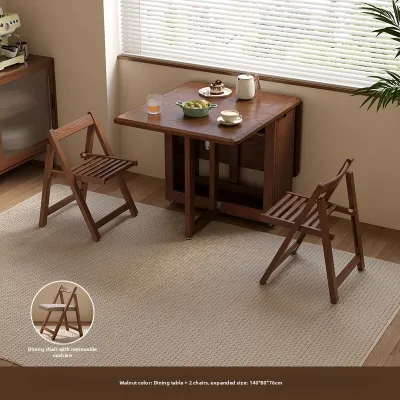
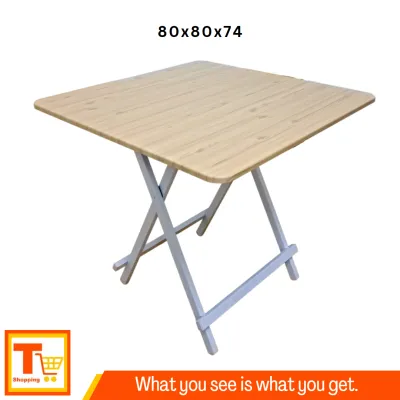
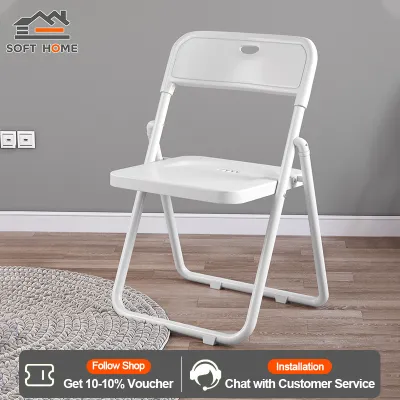
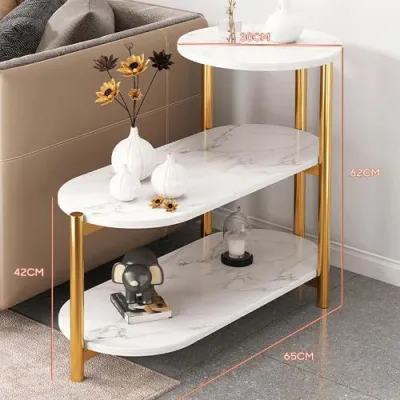
Prices are valid at publication and may change. Please refer to the product page for the latest price.
To ensure your guests do not bump elbows during a meal, allocate a minimum of 60 centimeters of table width per person. For a more relaxed dining experience, 70 centimeters per person is ideal. In terms of depth, each place setting requires about 30 to 35 centimeters to accommodate plates, utensils, and glassware, leaving a 20- to 30-centimeter shared zone in the middle for serving platters and local dishes. Consequently, a table width of 90 to 100 centimeters is the sweet spot for maintaining both personal space and shared serving room.
When evaluating a solid wood folding table, pay close attention to the table’s apron—the wooden panel connecting the tabletop to the legs—and the leg placement. A deep apron adds structural strength but can severely restrict vertical knee clearance, especially for taller guests. Ensure there is at least 60 to 64 centimeters of clearance from the floor to the bottom of the apron. Furthermore, check if the table legs fold outward or remain fixed. Gateleg designs and inset legs can block chair placement, forcing some diners to sit uncomfortably straddling a wooden support.
Measuring Your Dining Area for a Folding Table
A large solid wood table requires careful spatial planning to ensure it does not overwhelm your dining room when fully extended. To measure your space accurately, start by clearing the dining area and marking the maximum extended footprint of the table on the floor using painter’s tape. This visual aid helps you assess how much physical space remains for movement.

As a rule of thumb, maintain a clearance zone of at least 90 centimeters between the edge of the table and the nearest wall, sideboard, or doorway. This distance allows guests to pull their chairs out and sit down comfortably. If the dining room serves as a primary walkway to the kitchen or living area, increase this clearance to 120 centimeters so that people can easily walk behind seated guests without causing disruption.
Because solid wood furniture is heavy and rigid, you must also plan for the delivery and movement of the table. Measure the width and height of all entryways, hallways, stairwells, and elevator doors. A solid wood table with a non-detachable frame or a massive single-piece top cannot be bent around tight corners. Ensuring the packaged or assembled table can physically enter your home prevents costly delivery failures. Finally, account for existing architectural features such as low-hanging pendant lights, columns, or air conditioning units that might interfere with the table’s placement or restrict the height of folding leaves when they are raised.
Evaluating Solid Wood Construction and Folding Mechanisms
The weight of solid wood requires exceptionally robust hardware to ensure safety and longevity. When a table extends to seat 10 people, the central span is subjected to significant leverage and weight. Examine the quality of the folding hinges, locking pins, and drop-leaf supports. High-quality brass, stainless steel, or heavy-duty powder-coated steel hardware is essential to prevent sagging over time. Avoid tables with flimsy plastic components or thin metal brackets that can bend under the weight of heavy timber.
Solid hardwoods commonly used in quality furniture—such as acacia, mahogany, or teak—are dense and heavy. A fully extended 240-centimeter solid wood table can easily weigh between 50 and 80 kilograms. Because of this weight, unfolding or extending the table is rarely a one-person job. Review the manufacturer’s instructions to determine if the folding mechanism requires two people to operate safely. Attempting to lift or slide heavy wooden leaves alone can strain your back or damage the alignment of the internal tracks and hinges.
Stability is paramount for a table of this scale. Look for designs that feature integrated leg bracing, crossbars, or additional support legs that drop down when the table is fully extended. These extra contact points prevent the table from tipping if a guest leans heavily on one end. Additionally, verify that the table legs are equipped with adjustable leveling feet or protective rubber pads. These pads protect your tile, marble, or hardwood floors from scratches and help stabilize the table on slightly uneven surfaces.
Common Sizing Mistakes to Avoid
One of the most frequent errors when purchasing an extendable table is failing to account for the dynamic space required during a meal. Homeowners often measure the room based on the table’s static dimensions, forgetting that chairs must be pulled out, food must be served, and guests must be able to leave the table. Always calculate your room’s capacity based on the fully extended table with chairs pushed back.
Another common mistake is assuming that all folding tables maintain their stability when fully extended. Some budget-friendly designs scale up the tabletop surface without adequately reinforcing the base, resulting in a table that wobbles or sags in the middle when loaded with heavy serving dishes. Always check the manufacturer’s maximum weight capacity specifications for the extended sections before purchasing.
Lastly, do not underestimate the visual weight of solid wood. A large, dark-stained timber table can visually dominate a small or dimly lit room, making the space feel cramped and dark even if it physically fits. If your dining area is compact or lacks abundant natural light, consider lighter wood species, natural finishes, or tables with slender, tapered legs that create a more open, airy aesthetic.
Frequently Asked Questions (FAQ)
How do I maintain the folding hinges on a solid wood table?
To keep the folding mechanisms operating smoothly, regularly inspect the metal hinges, slides, and locking pins for dust buildup or loose screws. Wipe the hardware with a dry microfiber cloth and, if recommended by the manufacturer, apply a small amount of silicone-based lubricant to the moving parts to prevent squeaking and rust. In the humid climate of the Philippines, keeping metal hardware clean and dry is crucial to prevent corrosion that can bind the folding joints. If you notice persistent misalignment or resistance when folding, consult a professional furniture repair service rather than forcing the mechanism.
Can a solid wood folding table be used outdoors?
A standard indoor solid wood folding table should not be used outdoors unless it is explicitly rated and treated for outdoor use. Standard indoor finishes do not provide adequate protection against direct sunlight, heavy rain, and high humidity, which can cause the wood to warp, crack, split, or develop mold. Furthermore, indoor hardware is highly susceptible to rusting when exposed to the elements. If you plan to use a wooden table on a covered patio or veranda, ensure it is crafted from weather-resistant timber like teak or treated acacia, and check that it has been sealed with a marine-grade protective finish.

Community discussion
Share your experience or ask a question. Comments are reviewed before publication.