
To comfortably seat 6 to 10 people, a wooden folding table must provide sufficient surface area and perimeter space while maintaining structural stability. For a group of 6 to 8 diners, you generally need a table length of 180 to 240 centimeters. To accommodate up to 10 people without crowding, the length should extend to 270 to 300 centimeters. Balancing these dimensions with your dining room layout, chair sizes, and the table’s folding mechanism ensures a comfortable dining experience for everyone.
Understanding Space Requirements for 6 to 10 Diners
When planning seating for a larger group, the baseline surface area per person dictates how comfortable your guests will be. A standard rule of thumb is to allocate 60 to 75 centimeters of table width per diner. This range provides enough elbow room for guests to eat without bumping into one another. For table depth, each setting requires about 35 to 45 centimeters, leaving a central zone of 20 to 30 centimeters for shared serving dishes, water pitchers, and decorative centerpieces. Consequently, a comfortable dining table should have a total width of at least 90 to 100 centimeters.
The shape of your wooden folding table significantly influences how many people can sit together and how easily they can converse. Rectangular tables are highly efficient for seating 6 to 10 people because they offer straight edges that maximize usable surface area. However, diners at the far ends may find it harder to engage in group conversations. Round or oval tables promote a more inclusive atmosphere and flexible seating arrangements, but they require a larger overall room footprint to accommodate the same number of guests. Additionally, round tables can sometimes limit legroom near the center support pedestal or folding legs.
Products mentioned in this guide
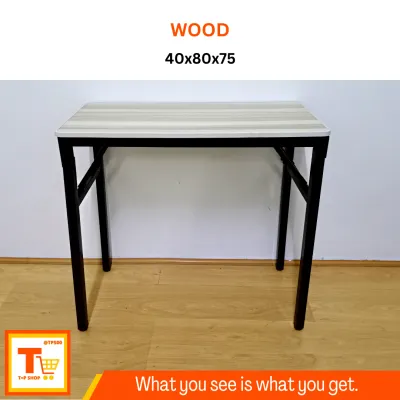
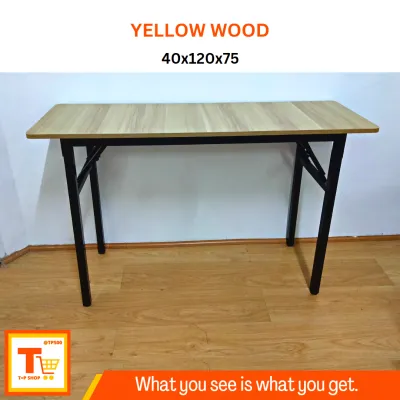
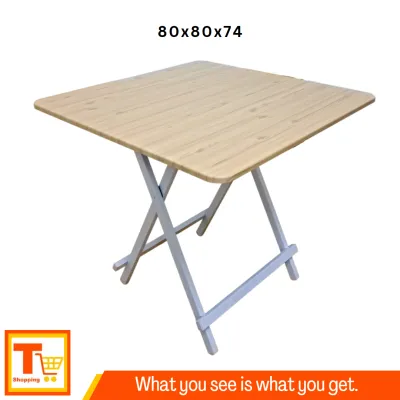
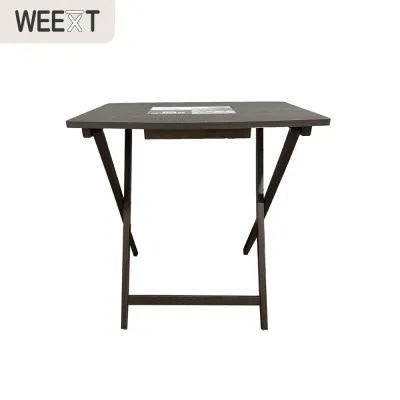
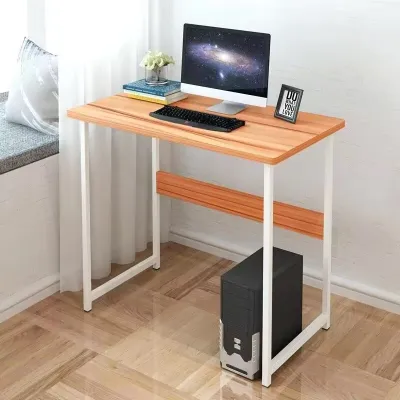

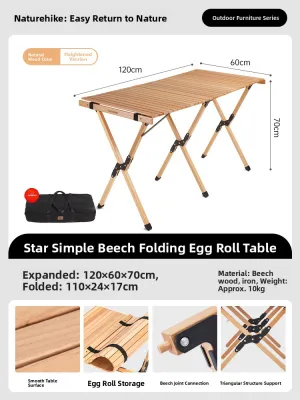
Prices are valid at publication and may change. Please refer to the product page for the latest price.
You must also factor your dining chairs into the spatial equation. Standard dining chairs typically measure 45 to 55 centimeters in width. If you plan to use chairs with armrests or wide, splayed bases, they will require additional clearance. Ensure that the cumulative width of your chairs, plus a 10-to-15-centimeter buffer between them, does not exceed the usable perimeter of the table. When calculating capacity, remember that table legs can restrict where chairs can be tucked in, often reducing the actual seating capacity along the sides.
Matching Table Dimensions to Your Room Layout
Before purchasing a large wooden folding table, you must measure your designated dining space to ensure a proper fit when the table is fully expanded. In many homes, dining areas serve multiple purposes, making it essential to know the maximum footprint your room can handle. Use a tape measure to map out the proposed table dimensions on your floor, or lay down masking tape to visualize how much physical space the fully extended table will occupy during gatherings.

Adequate clearance around the table is vital for safe movement and comfort. You should maintain a minimum clearance of 90 centimeters between the edge of the table and the nearest wall, sideboard, or doorway. This space allows guests to pull out their chairs and sit down comfortably. If you expect high traffic or want to allow people to walk behind seated guests without disruption, aim for a clearance of 120 centimeters. In tropical climates where open ventilation and freestanding fans are common, keeping these pathways clear also helps maintain comfortable airflow throughout the room.
Finally, consider the logistics of moving and storing the table. A wooden folding table designed for 10 people can be heavy and bulky, even when folded flat. Verify the folded dimensions against your home’s entry points, including standard doorways, narrow hallways, stairwells, and condominium service lifts. Ensuring the packaged or folded table can navigate these tight spaces prevents delivery headaches and makes storing the table convenient when it is not in use.
Evaluating Wooden Folding Table Configurations
Selecting the right folding mechanism is crucial for supporting the weight of a large dining setup. Common designs include drop-leaf, gateleg, and extendable slide-out tables. Drop-leaf and gateleg tables feature hinged sections that fold down when not in use, making them excellent space-savers. Extendable designs often utilize a central track system where extra wooden panels, or leaves, are inserted. When evaluating these configurations, look for robust hardware and smooth sliding tracks that can handle the physical stress of frequent adjustments.
Because wood is a dense, heavy material, structural integrity is paramount for tables extending to seat 10 people. Always review the manufacturer’s labels and specifications for weight limits and structural ratings. Look for tables equipped with secure locking features, such as metal latches or safety pins, that keep the extended sections firmly in place. Leg bracing and crossbeams add essential lateral stability, preventing the table from wobbling or tipping when guests lean on the edges.
The thickness and support of the wooden tabletop also dictate its durability. A thin tabletop may sag over time under the weight of heavy ceramic plates, serving platters, and decorative items. Inspect the underside of the table to ensure there is adequate framing, often called an apron, to support the wood panels. For tables longer than 240 centimeters, check if the design includes an optional center support leg. This extra contact point with the floor distributes weight more evenly and prevents the center of the table from bowing.
Common Sizing Mistakes to Avoid
One of the most frequent errors when choosing a folding table is misjudging legroom. While a table’s top surface might technically fit 10 place settings, the placement of the legs, trestles, or folding crossbars underneath can severely restrict where guests can put their feet. Diners seated at the ends or near the folding joints may find themselves knocking knees with table supports. Always check the under-table clearance and the distance between the table legs before finalizing your purchase.
Another common mistake is confusing maximum casual seating capacity with formal dining requirements. A table that can squeeze 10 people for casual drinks and light snacks might feel incredibly cramped during a multi-course holiday dinner. For formal meals where guests require individual space for multiple utensils, glassware, and side plates, you must adhere strictly to the larger end of the spacing guidelines. Reducing the guest count to 8 on these occasions ensures a much more pleasant dining experience.
Lastly, do not forget to assess floor compatibility. Heavy wooden tables can easily scratch or dent delicate flooring materials, such as hardwood, laminate, or polished tiles, especially when being unfolded and repositioned. Check whether the table legs come equipped with built-in protective glides. If they do not, plan to install aftermarket felt or rubber protective pads to safeguard your floors and make moving the heavy furniture smoother and quieter.
Frequently Asked Questions (FAQ)
Can a standard wooden folding table comfortably seat 10 people?
Seating 10 people comfortably on a standard wooden folding table requires a highly specific design. A single, non-extendable folding table rarely offers the 270 to 300 centimeters of length needed for 10 diners without causing extreme crowding. To accommodate this capacity, you should look for extendable wooden tables with removable leaves or multi-panel gateleg designs. Always verify the manufacturer’s maximum capacity specifications and weight limits to ensure the table can safely support the physical layout and weight of 10 complete place settings.
How do I protect my floors when moving a heavy wooden folding table?
To prevent scratches and gouges on your flooring, inspect the bottom of the table legs for pre-installed protective glides. If the legs are bare wood or metal, apply heavy-duty felt pads for smooth floors or plastic glides for carpeted areas. When setting up or storing the table, always lift the furniture with the help of another person rather than dragging it across the room. Dragging places immense stress on the folding joints and can permanently damage both the table’s structure and your floor surface.

Community discussion
Share your experience or ask a question. Comments are reviewed before publication.