
When shopping for durable home storage, a metal wardrobe cabinet stands out as a highly resilient, pest-resistant, and long-lasting alternative to traditional wood or particleboard options. However, choosing the right unit involves looking past the surface paint. To make a smart investment, you must carefully evaluate several critical specifications: the physical dimensions and delivery clearances, the steel sheet thickness, the quality of the rust-preventive finish, the durability of the internal hardware, and the safety anchoring systems.
By taking a systematic approach to these details, you can avoid common buyer pitfalls—such as purchasing a cabinet that cannot fit through your doorway, or one that quickly succumbs to rust in humid conditions. Here is a comprehensive guide on exactly what to check before finalizing your purchase.
Measure Your Space and Check Delivery Access
Before browsing designs, you must establish the exact physical boundaries of the intended room. Measure the available floor footprint (width and depth) and the ceiling height. Keep in mind that you need to distinguish between the cabinet’s external dimensions and its internal usable space. A metal wardrobe cabinet with double-walled doors or thick structural frames may have slightly less interior storage volume than its outer footprint suggests. Ensure there is at least a few centimeters of clearance at the top and sides to allow for comfortable positioning and air circulation.
Products mentioned in this guide
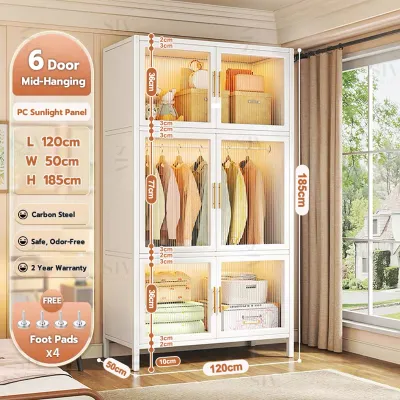
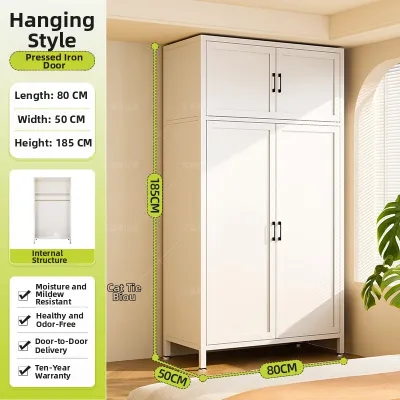
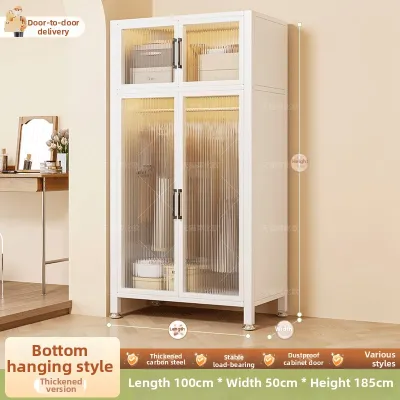
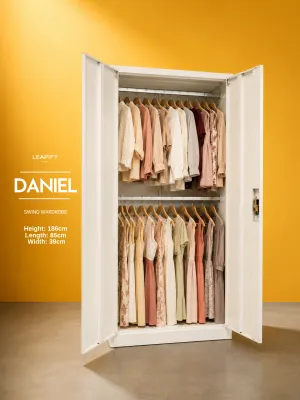
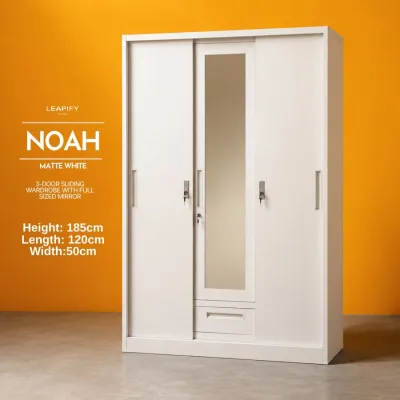
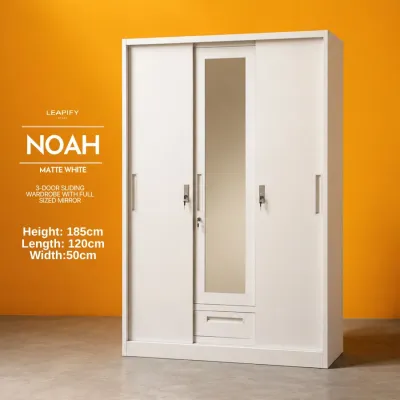
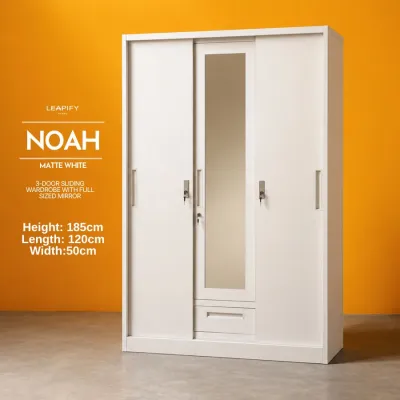
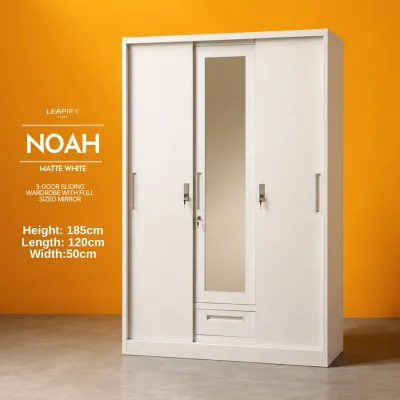
Prices are valid at publication and may change. Please refer to the product page for the latest price.
Equally important is verifying the “delivery path.” This is a frequently overlooked step that can lead to costly return fees. Unlike flat-pack wooden furniture that arrives in compact boxes, many high-quality metal wardrobes are delivered fully welded and assembled, or in massive, rigid steel panels that cannot be bent or disassembled.
Take a measuring tape and walk the exact path the delivery team will take. Measure the width of your front door, any interior doorways, narrow hallway corners, and stairwell clearances. If you live in a condominium or apartment complex in the Philippines, measure the elevator door opening and the interior height of the lift cabin. If the rigid metal frame cannot clear these tight spaces, you will not be able to get the cabinet into your home. Always ask the retailer whether the unit is shipped as a single pre-assembled piece or if it requires on-site assembly from flat panels.
Evaluate Metal Thickness and Structural Stability
The overall durability, weight capacity, and noise level of a metal wardrobe cabinet depend heavily on the thickness of the steel sheets used in its construction. When browsing product descriptions or visiting a showroom, look at the technical specifications for the steel thickness, which is typically measured in millimeters (mm) or gauge.

For a reliable home wardrobe, look for steel sheets with a thickness of at least 0.5 mm to 0.8 mm. Cabinets made from thinner steel (under 0.5 mm) are highly susceptible to denting, can feel flimsy, and will vibrate or rattle loudly whenever you open or close the doors. Thicker steel provides a solid, premium feel, resists accidental impacts, and supports substantially heavier loads without bowing.
To ensure structural stability, look for specific design reinforcements. Premium cabinets feature ribbed interior panels, double-layered metal edges on the doors, and a robust, solid backboard rather than a thin, flexible metal sheet. If you are inspecting a unit in person, perform a gentle “wobble test” by placing your hands on the sides and applying light pressure to see if the frame sways.
Additionally, always verify the manufacturer’s stated weight capacity. A high-quality metal wardrobe should clearly specify the maximum load limit per shelf (typically between 30 kg to 50 kg for reinforced shelves) and the weight capacity of the hanging rod. Never exceed these limits, as overloaded steel shelves can permanently warp or buckle.
Inspect Rust Protection and Surface Finish
In the tropical and highly humid climate of the Philippines, rust is the primary enemy of any metal furniture. Unprotected steel will quickly oxidize when exposed to moisture in the air, leading to structural failure and ruined clothing. Therefore, the surface treatment of the metal wardrobe cabinet is a critical quality indicator.
Always check if the cabinet features an electrostatic powder coating rather than standard liquid spray paint. Powder coating involves applying a dry plastic powder to the clean steel, which is then cured under high heat to form a hard, continuous protective barrier. This process provides superior resistance to chipping, scratching, moisture, and chemical cleaners.
When evaluating a cabinet, physically inspect the edges, corners, interior seams, and welding joints. These are the areas where paint coverage is most likely to be thin or uneven, leaving the raw steel vulnerable to moisture. If you notice any exposed metal, bubbling paint, or rough welds, avoid that unit, as rust can easily take hold in those spots.
To further combat humidity, check for built-in ventilation features. High-quality metal cabinets often include louvered vents on the doors or ventilation slots on the back panel. These vents promote continuous air circulation, preventing trapped moisture, stale odors, and mold growth on your stored fabrics during the rainy season.
Review Internal Layout and Hardware Quality
The internal configuration of your wardrobe must align with your daily storage habits, and the moving parts must be robust enough to withstand repetitive daily use. Start by examining the hanging rod. It should be made of a rigid material like stainless steel or heavy-duty chrome-plated steel, securely held by sturdy metal mounting brackets. Avoid thin aluminum or plastic rods, which will sag or snap under the weight of heavy garments like denim jeans, suits, or thick jackets.
Next, look at the shelving system. Adjustable shelves offer the greatest flexibility, allowing you to customize the interior layout for bulky items like luggage, storage boxes, or bedding. Verify that the shelf-support clips or locking mechanisms are made of thick metal and fit tightly into the side tracks so that shelves cannot slip or tilt unexpectedly.
Do not forget to thoroughly test the moving hardware. Open and close the doors multiple times: the hinges should operate smoothly and silently without squeaking or binding. If the wardrobe features drawers, pull them out completely to check the drawer slides. High-quality ball-bearing slides ensure a smooth glide and prevent the drawers from catching, derailing, or falling out. Finally, if the cabinet includes an integrated locking system, test the keys and lock mechanisms. The lock bar should engage smoothly with the frame without requiring you to force or slam the door.
Assess Assembly Requirements and Safety Features
Understanding what happens after your purchase is essential for a smooth installation. If the metal wardrobe cabinet is delivered as a flat-pack kit, review the assembly requirements. Steel panels can be heavy and sharp-edged, often requiring at least two people, specific tools (like a rubber mallet and screwdrivers), and a clear understanding of the step-by-step instructions. If you are not comfortable with DIY assembly, check if the retailer offers professional assembly services.
During installation, floor leveling is critical. Because metal cabinets have rigid frames, even a slight slope or unevenness in your flooring can cause the entire structure to twist slightly. This twisting leads to misaligned doors that scrape against the frame, gaps in the closures, or locks that fail to align. Look for cabinets equipped with adjustable leveling feet, which allow you to compensate for uneven floors. If these are not included, you may need to use sturdy shims under the base to level the unit.
Lastly, prioritize household safety by checking for anti-tip features. Tall, heavy metal wardrobes pose a serious tip-over hazard, especially when doors are opened or if children attempt to climb the shelves. Always verify if the cabinet comes with an anti-tip kit or wall-anchoring hardware. For safety, anchor the cabinet securely into solid wall studs or masonry walls using appropriate wall plugs and screws.
Frequently Asked Questions (FAQ)
Are metal wardrobes suitable for humid climates?
Yes, metal wardrobes are highly suitable for humid climates, provided they are treated with a high-quality electrostatic powder coating that seals the steel against moisture. To maximize their lifespan, avoid placing the cabinet directly against damp exterior walls. You can also place silica gel packs or hanging moisture absorbers inside the cabinet to protect your clothes from musty odors.
How do I fix a misaligned metal wardrobe door?
To fix a misaligned door, first check if the cabinet is perfectly level using a spirit level. If the floor is uneven, adjust the leveling feet or place shims under the low corners. If the cabinet is level but the doors still scrape or do not latch, locate the hinge adjustment screws. Gently loosen the screws, realign the door panel so it sits square within the frame, and retighten the screws securely.

Community discussion
Share your experience or ask a question. Comments are reviewed before publication.