
Finding the right computer chair in the Philippines often comes down to balancing comfort, durability, and budget. At the ₱3,000 price point, you will find entry-level models designed for basic support and short-duration sitting. Stepping up to the ₱7,000 tier introduces a mid-range sweet spot where multi-dimensional adjustability and reinforced frames become standard. At the ₱15,000 level, the investment shifts toward premium engineering, precision mechanisms, and materials designed to withstand long-term wear. While higher prices generally unlock more customization, the true value of any chair depends on how well its specific features match your physical profile and daily work habits. This guide provides a practical framework to help you verify manufacturer specifications and make an informed decision.
What the ₱3,000 Tier Offers: Basic Support and Essential Limits
At the ₱3,000 price point, computer chairs focus primarily on providing basic seating without advanced customization. You can expect standard pneumatic seat height adjustment and a basic tilt tension knob, which allows you to control the resistance when leaning back. However, most other components at this level are fixed. Armrests are typically static plastic, and lumbar support is often a non-adjustable plastic band or a simple foam pad built into the backrest frame.
When evaluating materials in this budget range, pay close attention to the manufacturer’s descriptions of the mesh and foam. In warm, humid tropical climates, basic mesh can help with airflow, but low-cost mesh may stretch or sag over time. The seat cushion usually features standard cut foam rather than high-density molded foam, meaning it may lose its shape and cushioning thickness after a few months of heavy use.
Products mentioned in this guide
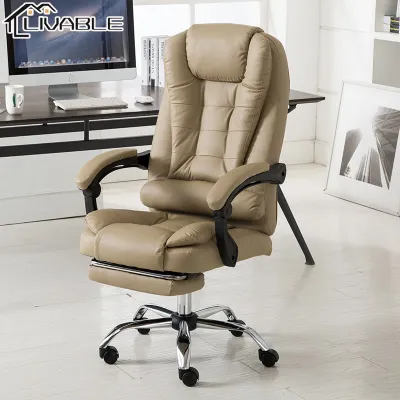
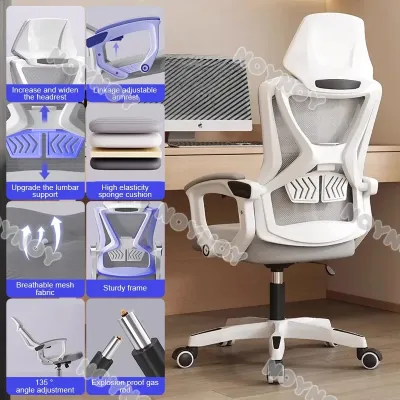
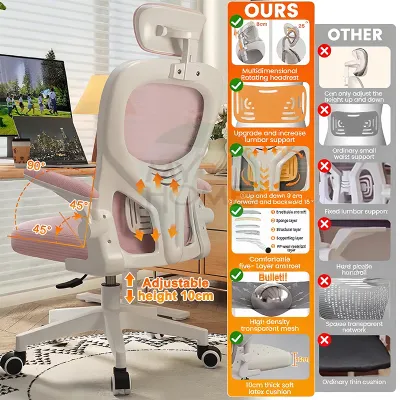
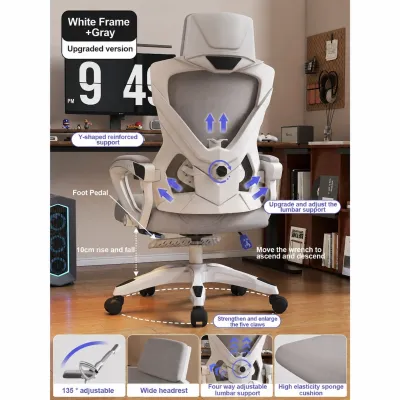
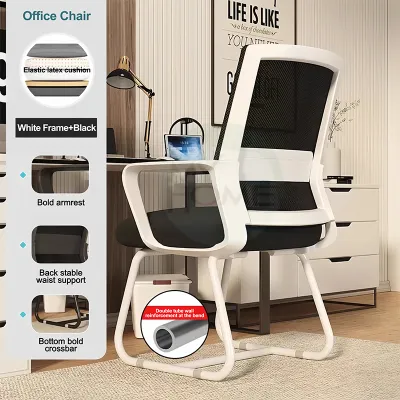
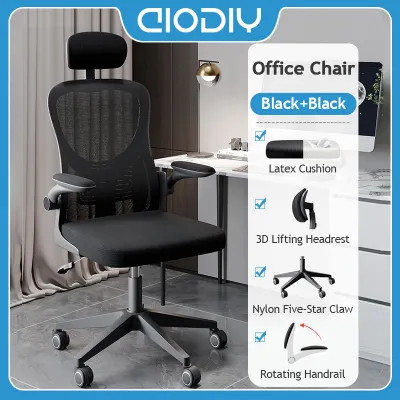
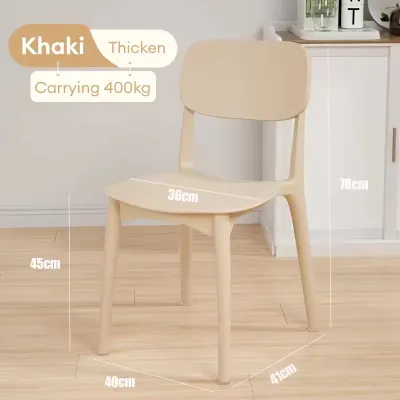
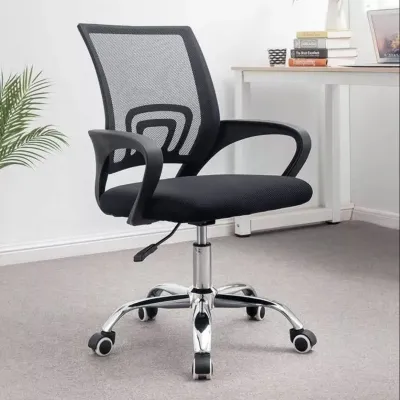
Prices are valid at publication and may change. Please refer to the product page for the latest price.
Before purchasing, verify the physical dimensions of the chair against your workspace. Check the base diameter—often made of lightweight nylon—to ensure it fits under your desk without hitting table legs. Measure the fixed armrest height to confirm the chair can slide completely under your desk when not in use, saving valuable floor space in smaller rooms.
Finally, review the manufacturer’s stated weight limit and gas lift class on the product label. Entry-level chairs often use Class 2 or Class 3 gas cylinders, which are suitable for light to moderate daily use. If you plan to sit for more than four hours a day, or if you require a higher weight capacity, you may need to inspect these specifications closely to avoid premature wear.
Stepping Up to ₱7,000: Enhanced Adjustability and Structural Upgrades
Upgrading to the ₱7,000 tier introduces significant improvements in adjustability and structural stability, making it a practical choice for full-time remote work or study. At this level, you should look for multi-directional armrests, often referred to as 2D or 3D armrests, which adjust for height, angle, and sometimes depth. This adjustability helps reduce strain on your shoulders and wrists by aligning the armrests with your desk surface.

You will also find more sophisticated lumbar support systems, such as height-adjustable or depth-adjustable lumbar pads that target the curve of your lower back. Some models in this range feature a seat slide mechanism, allowing you to adjust the depth of the seat pan. This is a crucial feature for supporting different thigh lengths and preventing pressure behind your knees.
The structural components receive a notable upgrade in this mid-range segment. Nylon bases are typically reinforced with fiberglass, or replaced with heavy-duty steel bases. Casters are often upgraded to smoother polyurethane (PU) materials, which roll quietly and are less likely to scratch hard tile or wooden floors compared to basic plastic wheels.
Mechanisms at this price point transition from simple upright locking to multi-function tilt locks or synchro-tilt mechanisms. A synchro-tilt mechanism reclines the backrest at a higher ratio than the seat pan, keeping your feet flat on the floor and maintaining proper posture during a recline. Always check the product specifications to confirm the exact mechanism type and ensure the gas lift is certified as Class 4 for improved durability.
The ₱15,000 Investment: Precision Mechanisms and Long-Term Durability
Investing ₱15,000 or more shifts the focus toward precision engineering, high-performance materials, and long-term durability. Premium chairs often feature advanced synchronous tilt or weight-activated recline mechanisms that automatically adjust the resistance based on your body weight. The backrest frames are frequently designed to be flexible, mimicking the natural movement of your spine as you shift positions throughout the day.
Material quality is a primary differentiator at this level. Instead of standard mesh, premium chairs utilize elastomeric mesh weaves that retain their tension and shape over years of use, even in high-humidity environments. Seat cushions often feature thick, high-density molded foam that distributes weight evenly, or full-mesh seats that eliminate pressure points entirely. The base and structural spine are commonly constructed from polished aluminum or heavy-duty alloy, providing exceptional stability.
A key factor that justifies this price point is the manufacturer’s warranty. While budget chairs may offer minimal coverage, premium models often come with multi-year warranties that cover moving parts, gas lifts, and structural frames. Reviewing the specific terms of the warranty helps you understand the expected lifespan of the chair and the manufacturer’s confidence in its build quality.
Additionally, look for verifiable ergonomic certifications on the product sheet, such as BIFMA (Business and Institutional Furniture Manufacturers Association) standards. These certifications indicate that the chair has undergone rigorous testing for safety, durability, and structural integrity. Relying on these official standards is far more reliable than trusting generic marketing claims of “ergonomic design.”
Specification Checklist: Comparing Build Quality Across Price Tiers
To help you compare options when browsing online marketplaces or visiting local showrooms, use the following specification checklist. Keep in mind that individual models vary, so you must always verify these details against the official product manual or manufacturer label before making a purchase.
| Feature | ₱3,000 Tier (Entry-Level) | ₱7,000 Tier (Mid-Range) | ₱15,000 Tier (Premium) | Must-Verify Checks |
|---|---|---|---|---|
| Adjustability | Seat height, basic tilt tension; fixed armrests and lumbar. | 2D/3D armrests, adjustable lumbar, optional seat slide. | 3D/4D armrests, dynamic lumbar, seat slide, backrest height. | Measure desk height to ensure armrests clear the underside. |
| Mechanism | Basic tilt with single upright lock. | Synchro-tilt or multi-angle tilt lock. | Advanced synchronous tilt or weight-activated recline. | Confirm if the tilt lock holds at your preferred working angle. |
| Materials | Standard nylon base, basic mesh, cut foam cushion. | Reinforced nylon or steel base, high-density foam, PU casters. | Polished aluminum alloy base, elastomeric mesh, molded foam. | Check if casters are suitable for your floor type (tile, wood, carpet). |
| Gas Lift & Frame | Class 2 or 3 gas lift; lightweight plastic frame. | Class 4 gas lift; reinforced plastic or steel frame. | Class 4 gas lift; heavy-duty alloy frame and spine. | Verify the maximum weight capacity matches your requirements. |
| Warranty | Typically 3 to 6 months, often limited to gas lift. | 1 to 2 years, covering major structural parts. | 3 to 5+ years, covering mechanisms, frame, and mesh. | Read the fine print to see if upholstery and mesh are covered. |
Decision Framework: Matching Your Work Habits to the Right Budget
Choosing the right budget tier depends on your daily habits, physical requirements, and workspace setup. Use the following guidelines to match your needs to the appropriate price range.
Choose the ₱3,000 tier if:
- You have strict budget constraints and need a basic seat for short periods.
- Your daily usage is light, typically under three hours of sitting per day.
- You prefer a fixed, upright posture and do not require customized arm or lumbar support.
Choose the ₱7,000 tier if:
- You work or study full-time (6 to 8 hours daily) and need reliable, adjustable support.
- You require specific adjustments, such as moving armrests or a seat slide, to accommodate your height.
- The chair will be shared among different family members with varying body types.
Choose the ₱15,000 tier if:
- You spend prolonged hours (8+ hours daily) at your desk and prioritize long-term physical comfort.
- You have specific ergonomic needs or chronic discomfort that requires precise, dynamic support.
- You view the purchase as a long-term investment and want a comprehensive warranty that covers several years of use.
Verify first if:
- Your desk has an unusual height or a drawer underneath that might block the chair's armrests.
- Your flooring is delicate and requires soft polyurethane casters or a protective floor mat.
- Your body proportions (such as being exceptionally tall or short) require checking the exact seat height range and depth measurements on the manufacturer's spec sheet.
Frequently Asked Questions (FAQ)
Is a more expensive computer chair always better for back pain?
A higher price tag does not automatically guarantee relief from back pain. Proper physical fit, correct desk height alignment, and your sitting habits play a far more significant role than price alone. An expensive chair with advanced adjustments is only effective if those features are properly configured to support your body. For persistent or severe back pain, always consult a healthcare professional. Additionally, check the retailer’s return policy before buying, as this allows you to test the chair’s fit in your actual workspace.
How do I verify the weight capacity and dimensions before buying online?
To verify these details, locate the manufacturer’s official specification sheet or user manual on the product page rather than relying on promotional images. Look for a certified gas lift rating, where a Class 4 cylinder typically indicates higher durability and weight capacity. Carefully measure your available floor space and the clearance under your desk, then compare these numbers with the chair’s maximum base diameter and armrest height to ensure a proper fit.

Community discussion
Share your experience or ask a question. Comments are reviewed before publication.