
Finding the right mesh ergonomic chair in the Philippines requires balancing your budget against your physical comfort and the chair’s long-term durability. At the ₱3,000, ₱7,000, and ₱15,000 price points, the market offers vastly different levels of adjustability, material quality, and structural support. While an entry-level chair provides basic seating for short periods, moving up to the mid-range and premium tiers introduces customizable support systems and high-density mesh that can withstand tropical humidity. Understanding these distinctions helps you invest in a chair that protects your posture without overspending on unnecessary features.
Understanding Ergonomic Trade-Offs Across Budgets
When shopping for a mesh ergonomic chair, price directly correlates with the complexity of the adjustment mechanisms and the quality of the materials used. In lower price brackets, manufacturers often use simpler tilt mechanisms and standard nylon mesh that may lose tension over time. As the price increases, you transition from basic upright support to dynamic systems designed to mimic the natural movement of your spine.
Safety and structural integrity are the most critical baselines to establish at any price point. A reliable chair must feature a certified gas lift cylinder and a stable base to prevent tipping or sudden height loss. Before purchasing, always check the manufacturer’s specified weight capacity and look for structural reinforcement around the main joints.
Products mentioned in this guide
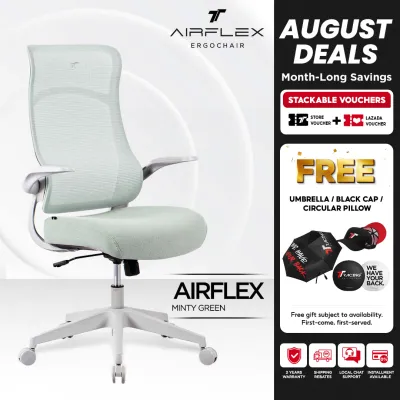
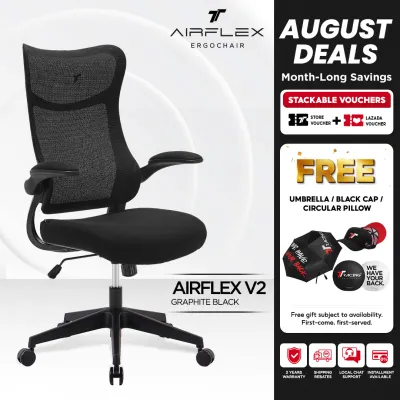
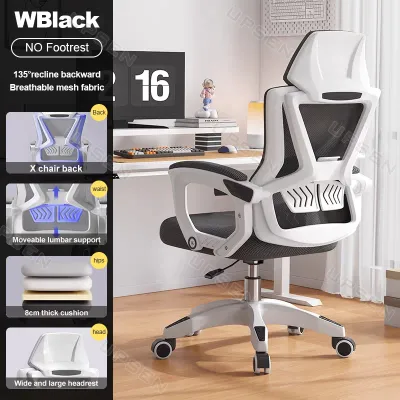
![[Cod] Office Chair Gaming Chair Computer Chair Heavy Duty Ergonomic Chair with Foot Rest Mesh Chair High Back Chair Korean Computer Chair Mesh Office Chair](https://img.lazcdn.com/g/p/b9eff536edc419ba771fbfe10963f766.jpg_400x400q80.jpg_.webp)
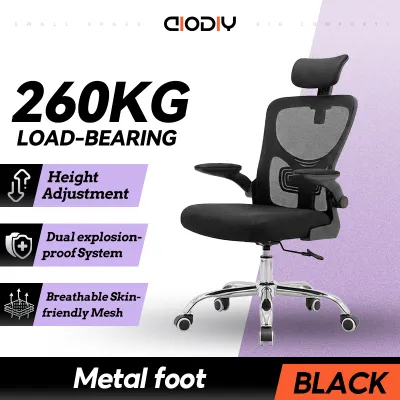
![[COD] Office chair Ergonomic Chair Gaming Chair Computer Chair Reclining Chair With Foot Mesh With Headrest Comfortable Breathable Office Chair Learning Chair Computer Chair 360°Rotation](https://img.lazcdn.com/g/p/9f3f23396a24c278c003dbf30aa5e534.jpg_400x400q80.jpg_.webp)
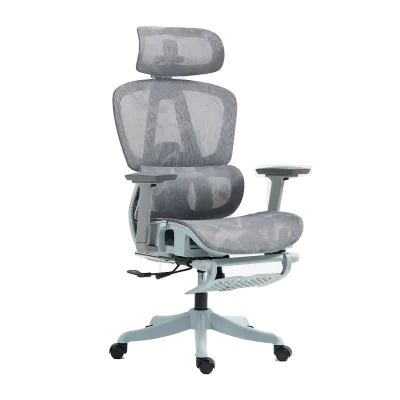
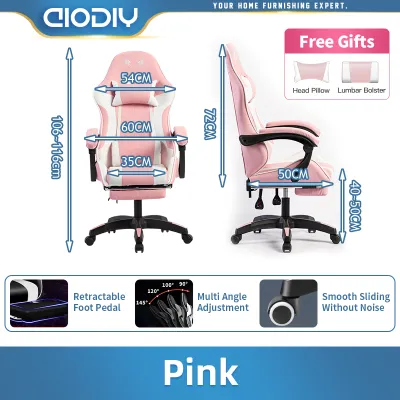
Prices are valid at publication and may change. Please refer to the product page for the latest price.
The mechanism under the seat pan dictates how the chair moves with your body. Basic tilt mechanisms lock the backrest in a single upright position or allow a simple rocking motion where the seat and back tilt together at the same angle. In contrast, multi-function synchronized systems allow the backrest to recline at a faster rate than the seat, keeping your feet flat on the floor and maintaining proper lumbar alignment throughout the day.
The ₱3,000 Tier: Baseline Support and Safety Checks
At the ₱3,000 price point, you are looking at entry-level seating designed for light, intermittent use rather than marathon work sessions. At this budget, expect fixed or highly limited armrests that do not adjust for height or angle, meaning you must rely on your desk height for forearm support. The pneumatic cylinder is typically a standard Class 2 or Class 3 gas lift, which provides basic height adjustment but may have a lower weight threshold.

Physical inspection is crucial when buying a budget chair, especially if you are purchasing from a local showroom. Run your hands along the plastic frame to check for sharp edges, weak weld points, or uneven mesh tension that could indicate poor quality control. The mesh on budget chairs is often a single-layer polyester blend that feels soft initially but can sag quickly under continuous pressure.
Because online marketplaces offer a wide variety of unbranded chairs in this price range, verifying the seller’s return policy and warranty terms is essential. Check the physical base of the chair; a wide, reinforced nylon base is generally safer and more stable than a narrow, thin-walled metal base at this price level. Ensure the stated weight limit is supported by user reviews or clear specifications rather than generic marketing claims.
The ₱7,000 Tier: Upgraded Adjustability and Stability
Stepping up to the ₱7,000 tier introduces a significant upgrade in customization, allowing you to tailor the chair to your specific body proportions. At this mid-range level, you should expect adjustable lumbar support that can be shifted vertically to align with the curve of your lower back. You will also find 2D or 3D armrests that adjust for height, depth, and sometimes angle, alongside seat pan depth adjustments that help relieve pressure behind your knees.
The structural materials in this price bracket are noticeably more robust, often featuring reinforced nylon or heavy-duty aluminum bases. Caster quality also improves, with manufacturers offering smoother-rolling polyurethane wheels that protect hard floors from scratches. These components contribute to a more stable seating experience, reducing wobbling and creaking when you shift your weight.
Mesh quality in the mid-range tier is designed for better elasticity and breathability, which is particularly beneficial in warm, humid climates. Look for double-woven or elastomeric mesh that retains its shape and tension over years of daily use. Inspect the frame rigidity; the backrest should feel firm and supportive, with minimal lateral twisting when you lean back.
The ₱15,000 Tier: Advanced Mechanisms and Material Verification
At the ₱15,000 premium tier, you are investing in advanced ergonomic engineering and high-grade materials designed for all-day comfort. These chairs feature sophisticated synchronized tilt mechanisms that automatically adjust the tension based on your body weight, ensuring smooth transitions between upright and reclined positions. You will also find multi-axis headrests that support your neck during long reading or viewing sessions.
Premium chairs utilize high-density, elastomeric mesh that offers superior weight distribution and airflow without causing friction against your clothing. To verify this quality, look for detailed manufacturer specifications, care labels, and comprehensive structural warranties that cover the mesh and mechanism for several years. High-end manufacturers are transparent about their material sourcing and testing standards.
Rather than relying on vague seller descriptions, look for certified testing documentation such as BIFMA (Business and Institutional Furniture Manufacturers Association) certification. This standard ensures the chair has undergone rigorous testing for durability, stability, and load capacity. A certified chair at this price point is a long-term investment in your physical health and workspace comfort.
Pre-Purchase Checklist: Verifying Specs and Space Requirements
Before finalizing your purchase, it is vital to cross-reference the chair’s stated specifications with your physical environment. Verify that the gas lift cylinder class matches your weight requirements, and check the maximum footprint of the base to ensure it fits comfortably under your desk. A chair with a wide base may require more floor space than you anticipate, especially in compact home offices.
Measure your available desk height, doorway widths, and stairwell clearances to ensure the chair can be delivered and moved into your workspace without hassle. Some high-end chairs are shipped fully assembled in large boxes, while budget options usually arrive flat-packed and require self-assembly. Knowing these dimensions beforehand prevents frustrating delivery issues.
Finally, confirm the assembly requirements, warranty coverage details, and any potential shipping fees, which can be substantial for heavy furniture items. Ensure you have the necessary tools if assembly is required, and clarify whether the warranty covers on-site repairs or requires you to ship parts back to the seller.
Frequently Asked Questions (FAQ)
How do I clean and maintain mesh material without damaging it?
To keep your mesh chair clean, start by gently vacuuming the surface with a soft brush attachment to remove dust, skin cells, and loose debris. Always check the manufacturer’s care label before applying any liquid cleaners or spot treatments. Avoid using harsh chemical solvents, bleach, or abrasive scrubbing tools, as these can fray the synthetic fibers and permanently weaken the mesh tension.
Is a mesh seat pan better than a foam cushion for long hours?
A mesh seat pan offers superior breathability and temperature regulation, making it ideal for warm climates where heat buildup is a concern. However, mesh requires high-quality tension and a well-designed frame to prevent the hard edges of the seat from pressing into your thighs. If you prefer a plush, contouring feel, a high-density foam cushion may be more comfortable, whereas mesh is better for keeping cool and maintaining active posture.
What should I do if the pneumatic cylinder starts sinking?
A sinking pneumatic cylinder indicates that the internal seals have failed and the gas pressure has escaped, which cannot be safely repaired with temporary DIY fixes like tape or clamps. Check your chair’s warranty terms to see if a replacement cylinder is covered by the manufacturer. If the warranty has expired, contact the manufacturer or a qualified furniture repair professional to source and install a compatible, certified replacement cylinder.

Community discussion
Share your experience or ask a question. Comments are reviewed before publication.