
Selecting a folding bed with foam for a child requires balancing space-saving convenience with rigorous safety and orthopedic support. Unlike temporary guest beds designed for occasional adult use, a child’s bed must withstand active movement, protect delicate fingers from moving joints, and support a rapidly developing spine. In tropical environments like the Philippines, where high relative humidity and warm temperatures are constant factors, parents must also evaluate how well the materials resist mold, rust, and heat retention.
Evaluating these products requires looking beyond aesthetic appeal or price tags. A poorly constructed folding bed can pose physical risks, from structural collapse to spinal strain caused by sagging foam. By focusing on verifiable structural specifications, material certifications, and practical maintenance features, you can select a safe, comfortable, and durable sleeping solution that fits seamlessly into your home.
Quick Checklist for Choosing a Kids' Folding Bed with Foam
Before diving into detailed specifications, parents can use this rapid diagnostic checklist to filter out substandard options during their search:
Products mentioned in this guide
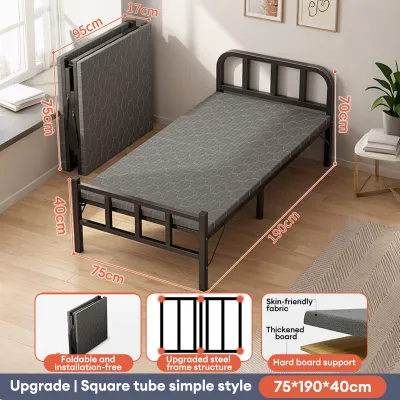
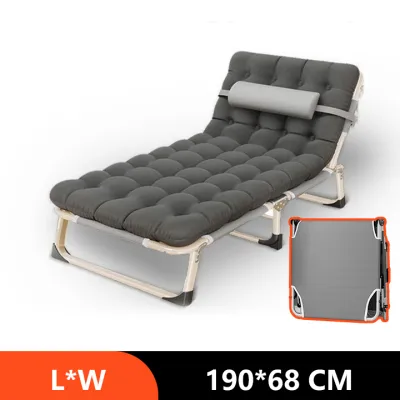
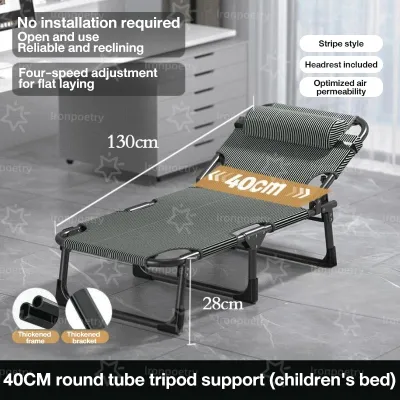
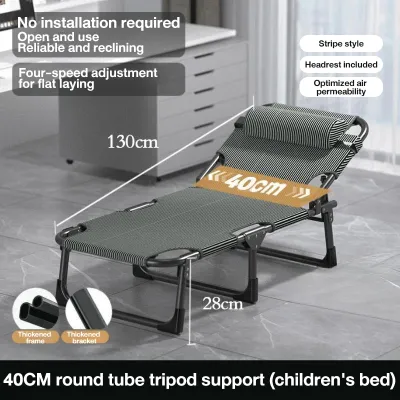
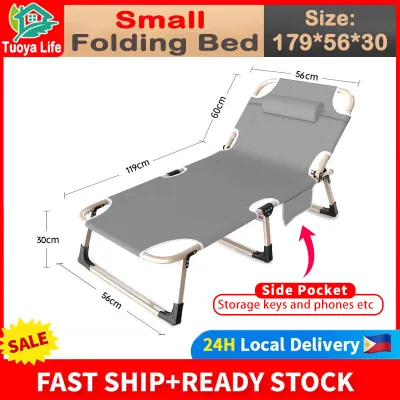
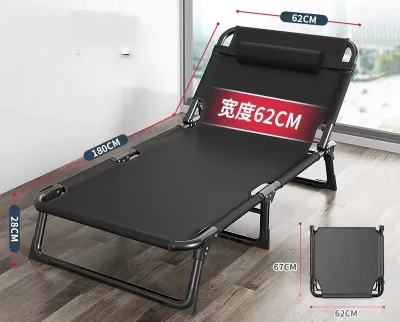
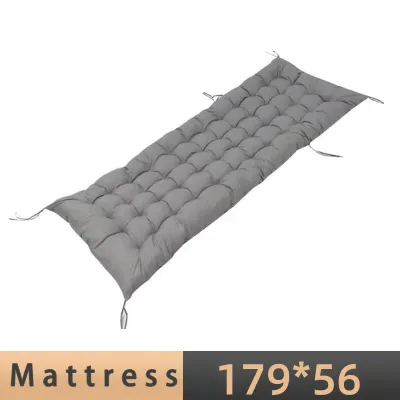
Prices are valid at publication and may change. Please refer to the product page for the latest price.
- Secure Locking Mechanisms: Ensure the frame features automatic or manual locking pins that prevent accidental folding when the bed is deployed.
- Appropriate Foam Firmness: Look for medium-firm foam that supports spinal alignment, rather than ultra-soft options that allow the child's body to sink excessively.
- Verified Weight Capacity: Check the manufacturer's official label for a weight rating that comfortably exceeds your child's current weight, accounting for future growth.
- Safe Folded Dimensions: Verify that the folded unit fits securely within your designated storage space without risk of tipping over.
- Anti-Pinch Frame Design: Confirm that hinges and folding joints are either recessed or covered to protect small hands during setup and takedown.
While standard adult guest beds prioritize quick storage and low cost, a child’s bed requires stricter safety and physical support scrutiny. The following sections detail how to inspect these features on product labels and physical units to ensure a safe purchase.
Evaluating Safety Features and Structural Stability
A child’s bedroom furniture must be built to withstand unpredictable movement, including sitting on the edges, tossing during sleep, or occasional climbing. The physical frame, joints, and moving parts of a folding bed are the primary areas where structural failures can occur, making a thorough inspection essential.

Frame and Joint Construction
When examining a folding bed with foam, prioritize frames constructed from heavy-duty steel or reinforced aluminum. Inspect the weld points along the frame; they should be smooth, continuous, and free of cracks or uneven bubbling. Avoid frames with sharp metal edges, exposed bolts, or protruding hardware that could snag clothing or scratch a child’s skin. The legs of the bed should feature non-slip rubber or plastic caps to prevent the unit from sliding on polished tile or wood floors.
Locking Mechanisms
One of the most critical safety risks of a folding bed is the potential for the frame to fold inward or collapse if a child shifts their weight near the head or foot of the bed. To prevent this, look for frames equipped with positive locking mechanisms. These are physical pins, latches, or gravity locks that automatically engage when the bed is fully opened. Avoid models that rely solely on the weight of the mattress or gravity to keep the frame flat, as sudden movements can cause these frames to buckle.
Pinch Points and Hinge Guards
Folding beds naturally contain multiple pivot points where the frame bends for storage. These hinges can act as severe pinch hazards for small fingers. When evaluating a bed, look for models designed with safety clearances around the hinges or those that feature protective plastic guards over the folding joints. If the hinges are completely exposed, ensure that the folding mechanism is stiff enough to prevent rapid, uncontrolled dropping of the frame during setup.
Edge Support and Guardrail Design
Younger children transitioning from a crib or toddler bed may roll during the night, making edge support and guardrails a vital consideration. Examine the gap between the foam mattress and the outer metal frame; a wide gap can create an entrapment hazard for a child’s limbs. For younger children, look for low-profile, integrated guardrails or frames that allow the secure attachment of aftermarket bed rails. The frame should also prevent the mattress from sliding laterally off the support base.
Weight and Age Limits
Never rely on visual estimates of a bed’s size to determine if it is safe for your child. Manufacturers must provide specific maximum weight capacities and recommended age ranges on the product packaging or instruction manual. Locate these ratings and verify that they accommodate your child’s weight with a reasonable safety margin. Keep in mind that dynamic weight—such as a child sitting down heavily—places significantly more stress on the frame than static sleeping weight.
Checking Foam Mattress Support and Material Safety
The quality of the foam mattress directly impacts your child’s sleep quality and physical development. Because children spend up to ten hours a day sleeping, the mattress must provide consistent physical support while maintaining a clean, chemical-free sleeping environment.
Firmness and Spinal Support
While adults often associate plush, soft mattresses with comfort, overly soft foam is highly unsuitable for growing children. A child’s skeleton is still developing, and a soft mattress can cause the pelvis and shoulders to sink too deeply, leading to unnatural spinal curvature. Look for product specifications indicating a medium-firm to firm support level. The foam should yield slightly to pressure but quickly spring back to its original shape, ensuring the spine remains neutrally aligned throughout the night.
Foam Thickness and Density
To evaluate the durability and support of the mattress, check the stated foam thickness and density ratings on the specification sheet. For a folding bed, a foam thickness of at least 8 to 10 centimeters is generally required to prevent the child from feeling the metal support bars underneath. Additionally, look for high-density polyurethane foam (typically rated above 30 kg/m³). High-density foam retains its shape and supportive properties over years of use, whereas low-density foam quickly degrades, leading to permanent sagging in the center of the bed.
Breathability and Climate Suitability
In the warm, humid climate of the Philippines, heat retention in foam mattresses is a common complaint. Standard memory foam tends to trap body heat, which can lead to night sweats and restless sleep for a child. To mitigate this, look for open-cell polyurethane foam or mattresses featuring ventilated air channels. Covers made from natural fibers, such as bamboo-derived rayon or cotton blends, further enhance airflow and help wick away moisture, reducing the risk of mold and mildew development inside the foam.
Material Safety and Certifications
Foam manufacturing processes can sometimes involve volatile organic compounds (VOCs) and other chemicals that release gases into the air, commonly known as off-gassing. Because children are more sensitive to airborne irritants, look for independent, verifiable material safety certifications on the product label. Certifications such as CertiPUR-US or OEKO-TEX Standard 100 confirm that the foam has been tested for low emissions and is free from harmful flame retardants, heavy metals, and formaldehyde. Do not rely on generic claims of “eco-friendly” or “organic” without verifying these formal certifications.
Cover Design and Hygiene
Accidents, spills, and sweat are inevitable when dealing with children’s bedding. A non-removable mattress cover makes thorough cleaning nearly impossible, leading to hygiene issues over time. Ensure the folding bed’s foam mattress comes with a removable, zippered cover. The zipper should be recessed or covered by a fabric flap to prevent it from scratching the child. Verify on the care label that the cover is machine-washable and pre-shrunk to ensure it can be easily reinstalled after washing.
Assessing Folding Mechanisms and Storage Convenience
A folding bed is purchased primarily for its space-saving utility. If the bed is difficult to deploy or too bulky to store, it will quickly become a source of frustration rather than a practical home solution.
Ease of Operation
Test or research how easily the folding mechanism operates. A high-quality folding bed should allow a single adult to transition the unit from fully folded to flat in a few smooth motions without requiring excessive physical force. Avoid mechanisms that require complex manual alignment of multiple joints, as these increase the risk of finger pinching and frame misalignment over time. Smooth, spring-assisted mechanisms can make the process significantly easier.
Folded Dimensions vs. Storage Space
Before purchasing, measure the exact dimensions of your intended storage area, whether it is a closet, a space under an existing bed, or a niche behind a wardrobe. Compare these measurements against the manufacturer’s specified folded dimensions (height, width, and depth). Remember to account for the thickness of the folded foam mattress, as some mattresses bulge outward when folded, requiring more depth than the metal frame alone. Ensure there is adequate clearance for doorway frames and narrow hallways in your home.
Overall Unit Weight
The total weight of the folding bed affects both its portability and its stability. A bed that is too light may feel flimsy and slide easily on the floor when a child climbs in. Conversely, a bed that is too heavy can be difficult to maneuver around the house or lift into a storage closet. Look for a balanced weight—typically between 12 and 18 kilograms—which provides sufficient structural mass for stability while remaining manageable for an adult to transport.
Mobility and Casters
If you plan to move the folding bed between rooms frequently, look for models equipped with rolling casters. Inspect the quality of these wheels; they should be made of durable, non-marking materials like polyurethane to protect your floors from scratches. Most importantly, ensure that at least two of the casters are equipped with reliable locking brakes. Locking the wheels is essential to prevent the bed from sliding or rolling when the child is getting in or out of bed.
Reviewing Durability and Maintenance Requirements
Children’s furniture must endure heavy daily wear. Investing in a folding bed with durable materials and straightforward maintenance requirements ensures the product remains safe and functional for years.
Fabric and Stain Resistance
Inspect the fabric cover of both the mattress and the frame upholstery. Look for durable, tightly woven fabrics that resist tearing and abrasion. Upholstery treated with water-resistant or stain-resistant finishes is highly beneficial, as it allows you to wipe away minor spills with a damp cloth before they penetrate the foam. Avoid delicate fabrics that require dry cleaning or are prone to pilling after a few washes.
Frame Finish and Rust Prevention
In humid tropical regions, raw or poorly treated metal frames are highly susceptible to rust, which can weaken the joints and stain the mattress. Ensure the metal frame features a high-quality powder-coated finish or is made of anodized aluminum. Powder coating provides a thick, protective barrier that resists moisture, chipping, and scratches, preserving both the structural integrity and the appearance of the bed frame.
Seam and Zipper Strength
Frequent washing of the mattress cover can place significant stress on the seams and zippers. Examine the stitching along the edges of the cover; it should be double-stitched or reinforced to prevent fraying. The zipper should be a heavy-duty nylon or metal track that glides smoothly without catching on the inner foam. Weak zippers and loose seams are common failure points that can render an otherwise functional mattress cover useless.
Warranty and Return Policies
A manufacturer’s warranty is a strong indicator of product quality and durability. Review the warranty terms carefully to understand what is covered. Look for warranties that specifically cover structural frame failures, broken folding mechanisms, and premature foam sagging (such as indentations deeper than 2.5 centimeters within the warranty period). Be aware of exclusions, such as damage caused by jumping on the bed or improper storage in damp environments.
Frequently Asked Questions (FAQ)
Is a folding bed with foam suitable for everyday sleeping?
While high-quality folding beds with high-density foam mattresses can provide comfortable support, they are generally designed for temporary or space-saving use rather than permanent, daily sleeping. Continuous daily use can accelerate the wear on the folding joints and cause the foam to sag prematurely. If you intend to use a folding bed daily, monitor the foam regularly for structural degradation and ensure the frame remains perfectly flat and locked.
How do I clean a foam mattress if my child has an accident?
If an accident occurs, immediately unzip and remove the outer mattress cover and wash it according to the manufacturer’s care label. For the bare foam, blot as much liquid as possible using dry towels. Spot-clean the affected area using a damp cloth and a mild, diluted detergent; do not soak or saturate the foam, as deep moisture can lead to internal mold growth. Allow the foam to air-dry completely in a well-ventilated space, away from direct sunlight, before putting the cover back on.
What is the typical weight limit for a child's folding bed?
Weight limits for children’s folding beds vary significantly depending on the frame thickness, joint design, and overall dimensions. Typically, child-specific folding beds have weight limits ranging from 50 to 80 kilograms, while some heavy-duty or twin-sized models can support up to 100 kilograms. Always locate the exact weight limit printed on the manufacturer’s warning label or official specification sheet rather than guessing, as exceeding this limit compromises the bed’s structural safety.

Community discussion
Share your experience or ask a question. Comments are reviewed before publication.