
Setting up an outdoor relaxation spot in your garden or on your balcony in the Philippines requires balancing tropical weather resistance with effective insect protection. To find the right waterproof hammock with a net, you must evaluate structural requirements, material specifications, and design features that can withstand local environmental conditions like heavy downpours, high humidity, and persistent insects. By focusing on verifiable product specifications and installation safety, you can select a durable setup that provides a comfortable, secure space to unwind.
Assessing Your Space and Installation Requirements
Before browsing online marketplaces, measure your designated area. A hammock requires adequate physical clearance to hang safely and function properly. Measure the distance between your proposed anchor points, keeping in mind that the ideal distance is typically several feet longer than the hammock’s actual length to allow for a proper hanging arc. You must also ensure there is sufficient vertical clearance so the lowest point of the hammock sits at a safe height above the floor or ground when occupied.
Evaluating your structural anchor points is a critical safety step. On a balcony, concrete pillars or structural steel beams are generally safe, provided you use appropriate, non-damaging mounting hardware. Avoid anchoring to decorative wooden railings, thin metal balustrades, or hollow brick walls, as these structures are not designed to support lateral tension. In a garden, select mature, healthy trees with a trunk diameter of at least fifteen to twenty centimeters, and always use wide tree-saver straps to protect the bark from friction damage.
Products mentioned in this guide
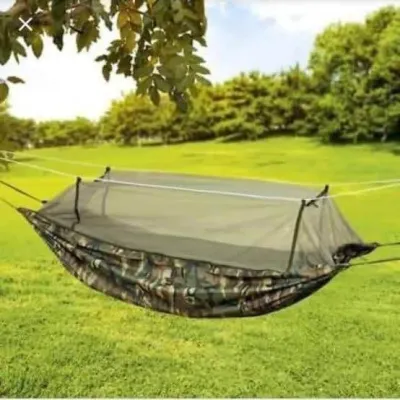
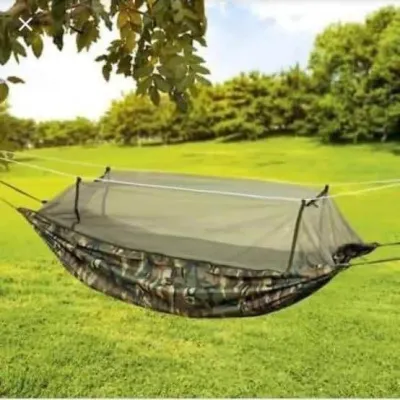
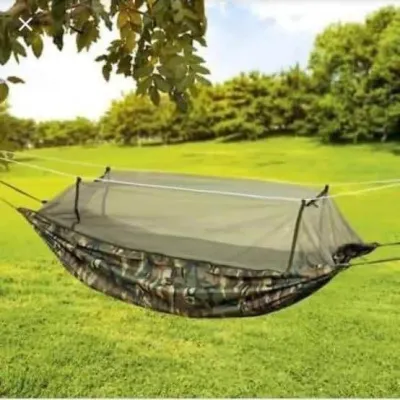
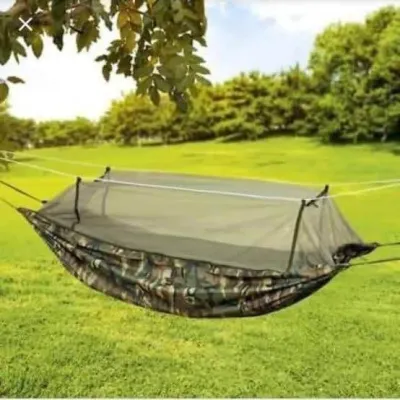
Prices are valid at publication and may change. Please refer to the product page for the latest price.
If your space lacks reliable structural anchors, a freestanding frame is a practical alternative. When selecting a frame for a balcony, check its footprint against your available floor space, ensuring it does not block walkways or emergency exits. For garden use, verify that the frame’s feet are wide enough to prevent sinking into soft soil or grass. Additionally, confirm the frame’s material is treated to resist outdoor elements, as moisture can quickly compromise untreated metals.
Weight capacity is another vital metric that requires careful verification. Always check the manufacturer’s specified weight limit on the product label or user manual, and ensure it comfortably exceeds the combined weight of the heaviest intended users. Remember that dynamic weight—the force exerted when sitting down or moving—is significantly higher than static weight, so maintaining a generous safety margin is essential for preventing structural failure.
Evaluating Waterproof Materials and Weather Resistance
Understanding the distinction between waterproof and water-resistant materials is crucial for long-term outdoor durability. Fully waterproof fabrics often feature a polyurethane (PU) or polyvinyl chloride (PVC) coating that completely blocks water penetration. While these coatings are highly effective at keeping rain out, they also restrict airflow, which can lead to a warm, sweaty seating experience in hot, humid tropical weather.

Alternatively, water-resistant fabrics treated with a durable water repellent (DWR) finish allow the material to breathe while shedding light rain. However, these treatments are not completely impervious to heavy, prolonged downpours and will require periodic reapplication to maintain their effectiveness. When choosing, consider whether your hammock will be fully exposed to the elements or partially protected under a balcony roof or garden canopy.
The hardware used in the suspension system must also be evaluated for weather resistance. High humidity, frequent rain, and salty coastal air can rapidly corrode standard steel components. Look for hardware made from high-grade stainless steel (such as 304 or 316 grade) or heavy-duty powder-coated aluminum and steel. Inspect carabiners, O-rings, and adjustment buckles to ensure they have smooth edges that will not fray the suspension ropes or straps.
UV degradation is a silent threat to outdoor fabrics in the Philippines, where intense sunlight can weaken synthetic fibers over time. Check the product specifications for UV-resistant treatments or fabric ratings. To prolong the lifespan of your hammock, review the manufacturer’s care instructions regarding drying times and storage. Even waterproof fabrics can develop mold or mildew if packed away while damp, so ensuring the hammock is completely dry before storage is a necessary maintenance habit.
Choosing the Right Mosquito Net Design
An effective mosquito net is indispensable for comfortable outdoor relaxation, especially during seasons when mosquito-borne illnesses are a concern. The design of the net significantly impacts both protection and usability. Fully enclosed zippered nets offer a complete barrier against crawling and flying insects, sealing you safely inside. When evaluating zippered models, inspect the zipper quality; double-sided, smooth-sliding nylon zippers are generally more durable and less prone to jamming than cheap metal alternatives.
Draped nets, which hang over the hammock and rely on gravity or weighted edges to stay in place, offer easier entry and exit but are less secure. Strong gusts of wind can easily displace a draped net, leaving gaps for insects to enter. If you choose a draped design, ensure the netting extends well below the bottom of the hammock and has sufficient weight or securing points to stay anchored in a breeze.
Mesh density is a critical specification that determines which insects are blocked and how much air can circulate. Look for product labels that specify the mesh density, often measured in holes per square inch. A high-density mesh, such as “no-see-um” netting, is fine enough to block tiny biting midges and mosquitoes. However, extremely tight mesh can restrict airflow, so look for a balance that provides adequate ventilation for warm afternoons while maintaining a protective barrier.
The connection points between the netting and the hammock body are common failure areas due to the stress of entry and exit. Inspect these areas for reinforced stitching, double seams, or heavy-duty webbing. Some hammocks feature integrated spreader lines or small poles that hold the net up and away from your face, creating a more spacious interior and preventing the mesh from resting against your skin, where insects could potentially bite through.
Comparing Hammock Styles for Outdoor Use
Matching the hammock’s structural style to your specific layout is key to safety and comfort. Traditional gathered-end hammocks bunch the fabric at both ends, creating a cocoon-like shape that wraps around the user. This design is highly stable, has a low center of gravity, and carries a minimal risk of flipping, making it an excellent choice for relaxed lounging. However, it can feel somewhat claustrophobic for some users and requires a longer horizontal hanging distance.
Spreader-bar hammocks utilize wooden or metal bars at each end to keep the fabric flat and taut. This design provides an open, bed-like surface that is easy to get into and out of, making it popular for sunbathing. The trade-off is stability; spreader-bar hammocks have a higher center of gravity, which increases the risk of tipping over if you shift your weight unevenly. They also require a larger, flatter storage space when not in use.
If horizontal space is limited, particularly on a narrow balcony, a hanging hammock chair is a space-saving alternative. Unlike horizontal hammocks that require two distant anchor points, a hanging chair suspends from a single overhead point. This design supports an upright or semi-reclined posture, making it ideal for reading or sipping coffee, while occupying a fraction of the floor space required by a traditional hammock.
To help you decide between a freestanding setup and a traditional suspension system, consider the following comparison matrix:
| Feature | Freestanding Models | Suspension Models |
|---|---|---|
| Portability | Lower; frames are heavy and bulky to move. | Higher; lightweight fabric and straps pack down small. |
| Setup Time | Moderate; requires assembling the frame components. | Quick; once anchor points are established, clipping in is fast. |
| Spatial Footprint | Large; requires dedicated floor space for the frame. | Flexible; occupies vertical air space, leaving floor clear. |
| Anchor Requirements | None; self-supporting on flat ground. | High; requires two sturdy structural points or trees. |
| Adjustability | Limited by the frame's fixed dimensions. | High; suspension straps allow easy height and tension adjustments. |
Building Your Shortlist: Key Specifications to Verify
When you are ready to purchase from an online marketplace or local retailer, compile a checklist to verify the specifications of your top choices. Start by cross-referencing the product’s stated weight limit against your household’s needs. Do not rely solely on marketing claims like “heavy-duty”; look for explicit numerical weight ratings in the product description or user manual.
Next, inspect the warranty terms provided by the manufacturer. A reliable outdoor product should offer clear coverage against manufacturing defects, such as fabric tearing along seams, zipper failures, or premature hardware corrosion. Be cautious of products sold without any warranty or clear return policy, as this often indicates lower-grade materials that may not survive a single rainy season.
Finally, confirm exactly what accessories are included in the package. Some hammocks are sold as fabric-only units, requiring you to purchase straps, ropes, and carabiners separately. For the safest setup, look for packages that include wide, adjustable tree straps with multiple attachment loops and heavy-duty, rated carabiners. Verify that the load capacity of these included accessories matches or exceeds the weight rating of the hammock itself to ensure there are no weak links in your suspension system.
Frequently Asked Questions (FAQ)
Can I leave a waterproof hammock outside during continuous heavy rain?
While waterproof fabrics are designed to shed water, leaving your hammock fully exposed to continuous heavy rain is not recommended. Prolonged exposure can lead to water pooling in the fabric folds, which strains the seams and suspension points over time. Additionally, constant moisture can seep through stitched seams and zippers, creating damp pockets where mold and mildew can develop despite the waterproof coating. To protect your investment, it is best to take the hammock down during severe weather or use a dedicated, angled rain fly to divert water away from the main body and netting.
How do I clean a hammock with an attached mosquito net without damaging the mesh?
Cleaning a hammock with an integrated mosquito net requires a gentle touch to preserve both the waterproof coating and the delicate mesh. Always consult the manufacturer’s care label first, but as a general rule, hand washing is the safest method. Fill a large tub with cool water and a small amount of mild, non-detergent soap. Gently submerge the hammock and net, agitating the water with your hands to loosen dirt, and avoid using harsh chemical bleach or abrasive scrub brushes that can tear the mesh or strip the waterproof finish. Rinse thoroughly with clean water and hang the hammock in a shaded, well-ventilated area to air dry completely before packing it away.

Community discussion
Share your experience or ask a question. Comments are reviewed before publication.