
Quick Answer: Core Criteria for Home Office Shelves
To choose the best floating shelves black for your study room, you must balance visual appeal with structural integrity. The primary factors include matching the shelf’s weight capacity to what you intend to store, verifying that the mounting hardware is compatible with your specific wall type, and selecting a resilient material that can withstand local environmental conditions.
For a home office in the Philippines, high humidity and wall composition play massive roles in your decision. While lightweight decorative items can sit on budget-friendly materials, heavy textbooks, reference guides, and tech equipment require robust solid wood or metal shelves anchored securely into concrete or masonry walls. Always prioritize checking the manufacturer’s load ratings and care instructions before purchasing to ensure your workspace remains safe, organized, and productive over the long term.
Key Specifications to Evaluate Before Buying
When shopping for black floating shelves, looking at the color and price is only the beginning. To avoid sagging, wall damage, or poor ergonomics, you must examine several technical and practical specifications that determine how the shelf will perform in your daily workspace.
Products mentioned in this guide

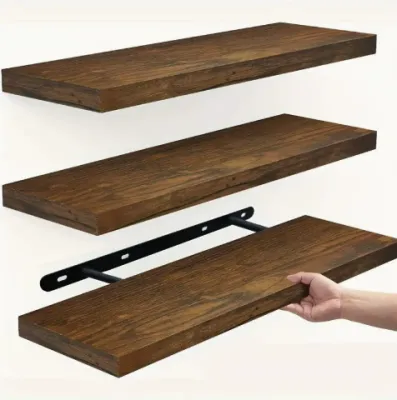
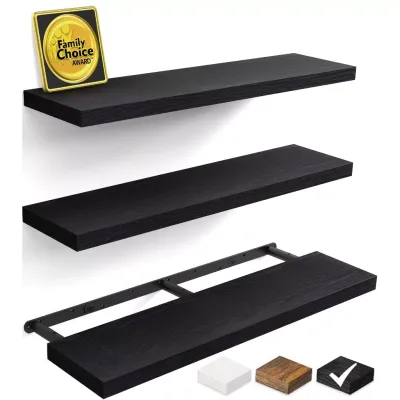

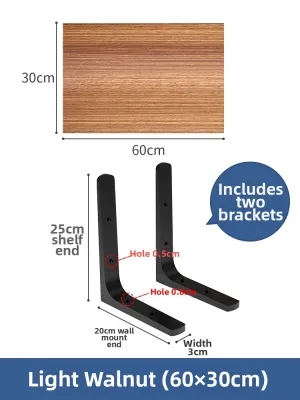
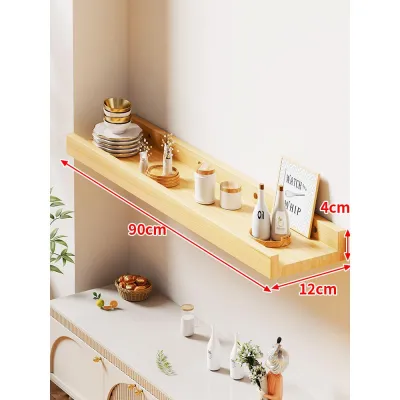
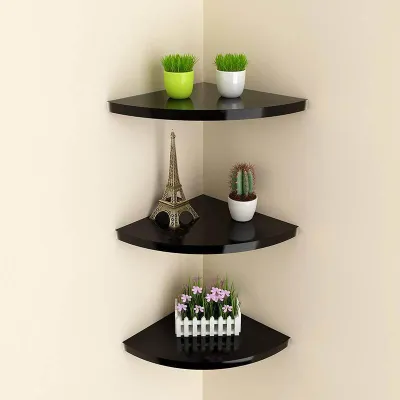

Prices are valid at publication and may change. Please refer to the product page for the latest price.

Weight Capacity and Wall Compatibility
Every floating shelf has a maximum weight limit specified by the manufacturer, but this rating is highly dependent on how and where the shelf is mounted. In many Philippine homes, walls are constructed from solid concrete, hollow concrete blocks, or plaster over masonry, whereas some modern partition walls use drywall over metal or wooden studs. You must verify what your walls are made of before selecting your shelving system, as different materials require entirely different mounting strategies.
For concrete or hollow block walls, standard plastic wall plugs provided in retail kits are often insufficient for heavy loads, requiring you to upgrade to heavy-duty masonry anchors or expansion bolts. If you are mounting onto drywall, you must align the internal brackets with the wooden or metal studs, or use specialized toggle bolts if stud alignment is impossible. Never assume a shelf rated for 15 kilograms on a solid wood stud will support the same weight on hollow drywall; always consult the product manual and match your hardware to your specific wall type.
Furthermore, the physical lever action of a floating shelf multiplies the downward pulling force on the top wall anchors. This means that even a light load can pull loose anchors out of a soft wall over time. Ensuring that your wall anchors are perfectly suited to your wall type is the single most critical factor in preventing catastrophic shelf failure.
Dimensions, Depth, and Space Planning
The dimensions of your floating shelves black must be chosen based on what you plan to store and the layout of your home office. Standard shelf depths generally range from 15 to 30 centimeters, with shallower shelves being ideal for small decorative items, framed photos, or compact network routers. If you intend to store standard binders, large reference books, or storage baskets, you will need a depth of at least 25 to 30 centimeters to prevent items from overhanging.
Before purchasing, use painter’s tape to map out the proposed shelf locations on your wall to visualize their physical footprint. Ensure the shelves are positioned high enough or deep enough so they do not obstruct your desk chair’s movement, collide with adjustable monitor arms, or pose a head-bumping hazard when you stand up. Additionally, verify that the wall area is free of hidden electrical conduits or water pipes, which are common in solid concrete walls and can cause severe damage if punctured during drilling.
Consider also the vertical spacing between multiple shelves if you plan to install a stacked arrangement. Leaving at least 30 to 40 centimeters of vertical clearance ensures that taller reference books or storage bins can be accessed easily without scraping the shelf above. Proper planning prevents the common mistake of buying shelves that are too deep for a narrow study room, which can make the workspace feel cramped and dark.
Material and Surface Finish
The term “black” describes only the color, not the material or the finish, and different finishes behave very differently under daily use and environmental stress. Common finishes for black shelving include matte or glossy paint, natural wood veneer with a dark stain, melamine laminate, and powder-coated metal. Each of these surfaces has distinct requirements for cleaning, scratch resistance, and moisture tolerance.
In tropical climates where relative humidity is frequently high, non-treated wood finishes can warp or attract mold, while poorly applied paint can peel or become sticky. Matte black finishes look modern and elegant but are notorious for showing oily fingerprints, dust, and micro-scratches from sliding books. Before buying, check the manufacturer’s care labels to ensure the surface is treated to resist moisture and scratches, and consider how much maintenance you are willing to perform to keep the dark surface looking pristine.
Additionally, glossy black finishes reflect light easily, which can create distracting glare if positioned directly opposite a window or under a bright desk lamp. Matte or satin finishes are generally preferred for home offices as they absorb light, helping to maintain a focused and visually comfortable work environment.
Recommended Shelf Types for a Study Room
Different shelf construction materials offer varying balances of aesthetic appeal, weight capacity, and resistance to environmental wear. Understanding these differences allows you to choose a product that matches both your budget and your storage requirements.
Solid Wood with Dark Stain or Paint
Solid wood black floating shelves are highly regarded for their natural beauty, exceptional strength, and long-lasting durability. These shelves are typically crafted from hardwoods or dense softwoods that have been stained black or coated with protective dark paint, allowing the natural grain pattern to remain subtly visible or fully covered. Because solid wood is structurally dense, it is the premier choice for supporting heavy textbooks, small printers, or substantial office equipment without bending over time.
However, solid wood shelves are inherently heavy even before you place any items on them, which places additional stress on your wall and mounting brackets. They require robust wall anchors and, ideally, direct mounting into solid concrete or wall studs to ensure long-term stability. Furthermore, natural wood is sensitive to fluctuations in humidity, so you must verify that the manufacturer has applied a high-quality sealant or lacquer to prevent warping, cracking, or mold growth in humid environments.
If you choose stained solid wood, the black color will have a warm, organic depth, showing off the natural character of the timber. For a more uniform and sterile modern look, painted solid wood is available, though you should check that the paint is scratch-resistant to prevent the lighter raw wood underneath from showing through after heavy use.
Metal and Industrial-Style Shelves
For a sleek, modern, or industrial-themed home office, black metal floating shelves offer a highly durable and minimalist alternative. These shelves are usually constructed from steel or aluminum, providing a very thin profile that maximizes vertical space while maintaining excellent structural rigidity. They are highly resistant to bending, making them suitable for holding heavy stacks of documents, tech accessories, or office stationery.
When evaluating metal shelves, it is crucial to verify if the black finish is applied via powder coating rather than standard spray paint. Powder coating provides a much tougher, scratch-resistant barrier that protects the underlying metal from rust, which is a common concern in humid coastal regions. Additionally, inspect the bracket design and metal thickness, as thin sheet metal can still flex or sag under unevenly distributed loads if not properly reinforced.
Metal shelves also tend to have a colder, more utilitarian aesthetic, which can be softened by pairing them with warm wooden desk accessories or indoor plants. They are incredibly easy to clean and maintain, making them an excellent low-effort choice for busy professionals who want a reliable, no-nonsense storage solution.
Engineered Wood (MDF or Particleboard)
Engineered wood products, such as Medium-Density Fiberboard (MDF) or particleboard covered in black melamine laminate, are highly popular due to their affordability and perfectly uniform appearance. These shelves are lightweight, easy to handle during installation, and come in a wide variety of sleek, modern designs. They are an excellent option if you primarily need shelves for lightweight decor, small desk plants, stationery holders, or smart speakers.
Despite their cost-effectiveness, engineered wood shelves have clear structural limitations that you must respect to prevent failure. They have a lower weight tolerance than solid wood or metal and are highly sensitive to moisture; if water from a potted plant or high humidity penetrates the outer laminate layer, the inner wood fibers will swell and crumble. To ensure longevity, check the quality of the edge banding to confirm there are no gaps where moisture can enter, and strictly adhere to the manufacturer’s maximum load guidelines.
Furthermore, because the core of engineered wood is less dense than solid timber, the screws holding the hidden bracket in place can strip or pull out if the shelf is overloaded. If you decide on MDF or particleboard, plan to use them strictly for lightweight display purposes and avoid stacking heavy reference volumes on them.
Installation and Safety Boundaries
Installing floating shelves black successfully requires precision, patience, and the correct tools to ensure they remain level and securely attached to the wall. Because the mounting brackets of floating shelves are completely hidden inside the shelf body, any slight misalignment during drilling will be highly visible and can compromise the shelf’s load capacity. You should always use a reliable level, a stud finder for drywall, or a hammer drill with appropriate masonry bits for concrete walls.
Before you begin drilling, it is vital to read both the shelf manufacturer’s installation manual and the instructions for your specific wall anchors. If the hardware provided in the box feels flimsy or is designed solely for drywall, do not hesitate to purchase high-quality masonry plugs or toggle bolts separately to match your wall type. Take your time to measure twice, mark your holes accurately, and ensure the bracket is perfectly horizontal before securing it to the wall.
Your safety and the protection of your office equipment must always come first during this process. If you encounter any of the following situations, you must stop immediately and consult a qualified professional contractor or the shelf manufacturer:
- You are unable to identify your wall material or locate the studs behind drywall.
- The wall surface shows signs of cracking, crumbling, dampness, or structural weakness.
- The provided mounting instructions directly conflict with your wall type, or the mounting hardware does not fit securely.
- You plan to store exceptionally heavy or valuable equipment, and you are unsure if the wall can support the cumulative weight.
Taking these precautions prevents costly property damage, protects your valuable electronics, and ensures your home office remains a safe environment for daily productivity.
Frequently Asked Questions (FAQ)
How do I clean black floating shelves without leaving streaks?
Maintaining the clean, sophisticated look of black floating shelves requires a gentle touch, as dark surfaces easily reveal dust, fingerprints, and cleaning streaks. To clean them effectively, always start by using a dry, clean microfiber cloth to gently wipe away loose dust and debris, preventing abrasive particles from scratching the finish. If the shelf has oily fingerprints or light smudges, lightly dampen the microfiber cloth with water or a mild, non-abrasive dish soap solution, wipe the surface, and immediately follow with a dry microfiber cloth to buff out any moisture.
Avoid using harsh chemical sprays, glass cleaners containing ammonia, or abrasive scrubbing pads, as these can strip away protective sealants, dull the matte finish, or leave permanent cloudy patches. Always check the manufacturer’s specific care instructions before applying any liquid cleaners, especially on natural wood veneers or painted finishes. Regular dusting once or twice a week is usually all that is needed to keep your shelves looking sharp and professional.
Can I install floating shelves on tiled or glass walls?
Installing standard floating shelves directly onto tiled or glass walls carries an extremely high risk of cracking or shattering the wall material during the drilling process. Standard floating shelf brackets are designed to sit flush against flat, solid surfaces like concrete or drywall, and the pressure of a loaded shelf can easily stress and break fragile tiles or glass panels. Additionally, drilling through porcelain, ceramic, or glass requires specialized diamond-tipped drill bits, precise cooling techniques, and advanced structural anchoring that goes deep into the backing wall.
If your home office setup features a tiled or glass accent wall, it is strongly recommended to consult a professional installer before attempting any mounting. A professional can assess whether the underlying wall structure can support the load and perform the precise drilling required to avoid costly property damage and ensure the installation is completely safe. Attempting a DIY installation on these delicate surfaces without professional experience almost always results in broken tiles or shattered glass.

Community discussion
Share your experience or ask a question. Comments are reviewed before publication.