
A 5-layer display rack offers an efficient way to maximize vertical storage in a home office, keeping reference books, devices, and office supplies organized and within arm’s reach. However, selecting the right unit involves more than simply counting five shelves and picking a style that matches your desk. Because a tall shelving unit holds a significant amount of weight and occupies a prominent vertical footprint, making an uninformed choice can lead to sagging shelves, unstable frames, or a unit that does not fit your workspace.
To make a smart investment, you must evaluate how the rack’s physical dimensions, structural stability, material finishes, and shelf configurations align with your specific work environment. In tropical climates like the Philippines, where seasonal humidity can affect furniture materials over time, understanding these technical details is even more critical. By focusing on verifiable specifications and practical space planning, you can find a durable display rack that meets your actual daily needs.
Measure Your Space and Delivery Pathways
Before browsing online marketplaces or visiting local furniture showrooms, you must establish the exact physical limits of your home office. Begin by measuring the available floor width and depth where you plan to position the rack. Do not rely on wall-to-wall measurements alone; remember to subtract the thickness of baseboards, wall moldings, and any electrical outlets or light switches that must remain accessible. Additionally, measure the vertical clearance from the floor to the ceiling, paying close attention to low-hanging light fixtures, ceiling fans, or air conditioning units that might obstruct a tall five-layer frame.
Products mentioned in this guide
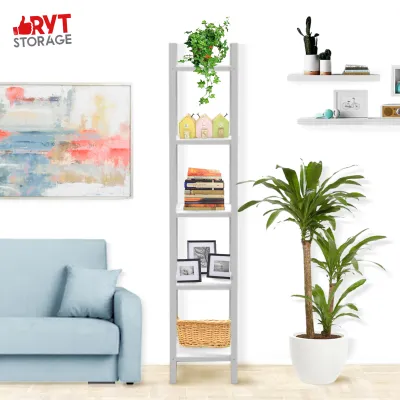
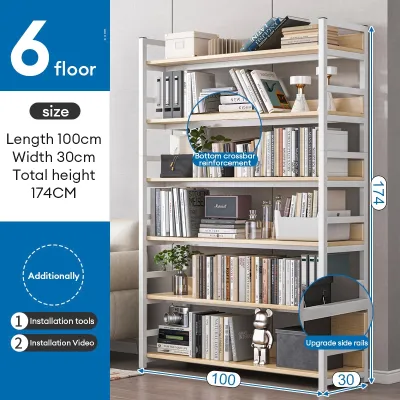
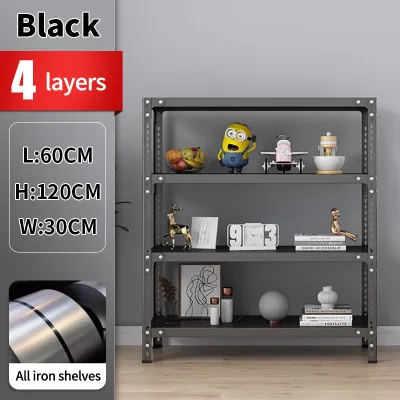
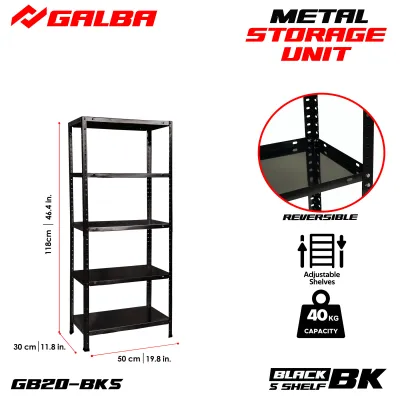
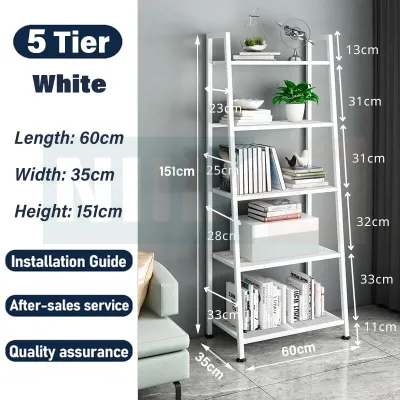
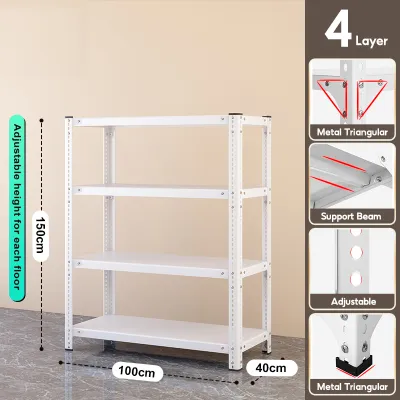

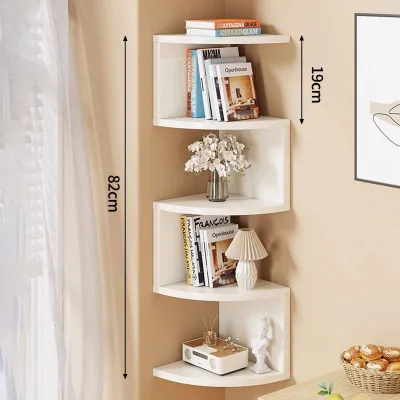
Prices are valid at publication and may change. Please refer to the product page for the latest price.
Equally important is planning the route the furniture will take to reach your office. Many home offices in urban areas, such as high-rise condominiums or multi-story townhouses, require navigating tight spaces before assembly. Measure the height and width of all entry doors, hallway corners, stairwells, and elevator doors to ensure the packaged flat-pack or pre-assembled unit can pass through safely. If your building has strict elevator dimensions, verifying these clearances beforehand prevents the frustration of a delivery that cannot reach your unit.
Finally, consider the functional clearance around the display rack once it is fully assembled. A tall unit should not crowd your primary workspace or restrict your movement. Ensure there is sufficient clearance for your office chair to roll back freely without bumping into the shelves. If the rack is positioned near a window or an air conditioning vent, leave a few centimeters of space behind and beside the unit to allow for proper air circulation, which helps prevent moisture buildup on both the furniture and your stored items.
Evaluate Load Capacity and Structural Stability
A primary consideration for any multi-tier shelving unit is its ability to support your office gear without structural failure. Home office items can be surprisingly heavy; a collection of thick reference manuals, binders, a desktop printer, and storage boxes can easily strain a poorly constructed frame. To prevent the shelves from bowing or sagging over time, estimate the total weight of the items you plan to store. Compare this estimate against the manufacturer’s official load capacity specifications, looking specifically for the weight limit per individual shelf rather than just the overall weight capacity of the entire unit.

Structural reinforcements are key indicators of a stable design. When evaluating different models, look for features that resist lateral movement and shelf deflection. For metal-framed racks, diagonal tension rods or crossbars on the back panel provide essential stability that keeps the frame from swaying. For wooden or engineered wood units, look for thicker shelf panels and solid backboards that lock the vertical supports in place. Some wide-span shelves also feature center support brackets or under-shelf metal ribs designed to distribute weight evenly and prevent the center of the shelf from dipping under heavy loads.
Because a five-layer rack is naturally tall, ensuring it remains upright is a critical safety requirement. Tall, narrow furniture can become top-heavy when loaded with books on the upper shelves, increasing the risk of accidental tipping. Always verify whether the manufacturer includes an anti-tip wall anchoring kit with the hardware. Anchoring the unit securely to your wall—whether it is concrete, brick, or drywall—is the most reliable way to prevent tip-over accidents. Additionally, examine the base of the rack; units with wider base footprints or adjustable leveling feet offer better stability on slightly uneven floors.
Verify Materials, Finishes, and Assembly Needs
The materials used to construct your display rack dictate its longevity, especially when subjected to daily wear and environmental factors. While generic material names like “wood” or “metal” are common in product listings, you should look deeper into the product specifications for details on surface treatments. In humid environments, untreated materials can degrade quickly. For metal frames, check for powder-coated or rust-resistant finishes that protect the steel from moisture. For engineered wood options, such as medium-density fiberboard (MDF) or particleboard, look for models with water-resistant melamine laminates or sealed edges to prevent the core fibers from absorbing moisture and swelling.
Assembly is another practical factor that varies widely between products. Review the assembly instructions, which are often downloadable from the seller’s product page, to understand the complexity of the process. Check what tools are required; some units can be put together with a simple hex key provided in the box, while others may require a screwdriver, a hammer, or even a power drill for wall anchoring. Reading verified buyer feedback can give you realistic insights into how long the assembly takes and whether the pre-drilled holes align correctly.
Before finalizing your purchase, confirm the reliability of the manufacturer’s customer support and packaging quality. Flat-pack furniture can occasionally arrive with missing hardware or panels damaged during transit. Check if the seller has a clear policy for replacing damaged parts or sending missing screws. Choosing a brand that provides clear, illustrated step-by-step instructions and responsive customer service ensures that you can complete the setup smoothly without unnecessary delays.
Match Shelf Adjustability to Your Office Gear
A great display rack must adapt to the changing storage needs of your home office. Fixed-shelf designs limit your options, forcing you to store tall items horizontally or find alternative spaces for them. To maximize your storage efficiency, look for units that feature adjustable shelves. These systems typically use metal support pins that fit into pre-drilled holes along the vertical frame, allowing you to raise or lower individual shelves to accommodate tall binders, desktop organizers, or specialized equipment like laminators and projectors.
You should also decide whether an entirely open design or a hybrid storage configuration suits your workflow better. Fully open shelving is excellent for displaying decorative items, keeping frequently used reference books visible, and maintaining an airy, spacious feel in a small room. However, if you need to store sensitive documents, messy cables, or spare office supplies, a hybrid design that incorporates lower cabinets, drawers, or integrated boxes at the bottom of the rack can keep clutter out of sight while keeping the upper shelves open for display.
Finally, pay attention to the small design details that improve daily usability. Back panels or raised edges on the sides and rear of the shelves prevent small items, pens, and loose papers from sliding off the back of the unit. If you plan to place electronic devices, charging stations, or desk lamps on the shelves, check for integrated cable management cutouts. These openings allow you to route power cords neatly down the back of the rack to the nearest wall outlet, preventing a tangled mess of wires from cluttering your clean workspace.
Frequently Asked Questions (FAQ)
How do I evaluate the price of a 5-layer display rack?
To evaluate whether a display rack is worth its price, look beyond the aesthetic design and compare the quality of its structural components. While a cheaper rack might save you ₱ initially, investing in a sturdier unit is often more cost-effective than replacing a sagging shelf after a few months of use. A lower-priced unit may use thin, unreinforced panels and basic plastic hardware, which can lead to early sagging or instability. Conversely, a higher-priced rack often features thicker structural panels, robust metal frames, premium connecting hardware, and included safety features like wall-anchoring kits. Weigh these material specifications against your storage needs to make a durable choice.
Which material handles heavy books better: metal or engineered wood?
Both materials can handle heavy loads, but their performance depends heavily on their specific engineering and construction. Metal frames with thick-gauge steel and reinforced wire or solid metal shelves generally offer high weight capacities and resist bending under heavy book collections. Engineered wood, such as MDF or high-density fiberboard, can also support substantial weight, but only if the shelves are thick enough and supported by center brackets or a solid back panel. When comparing models, always check the manufacturer’s rated load capacity per shelf rather than assuming one material is universally stronger than the other.

Community discussion
Share your experience or ask a question. Comments are reviewed before publication.