
Finding the right clothes cabinet wardrobe closet is a balancing act between your bedroom’s physical layout and your personal storage habits. A wardrobe that looks perfect in a spacious showroom can easily overwhelm a compact bedroom, block natural light, or restrict movement around your bed. Conversely, a cabinet that is too small will quickly overflow, leading to cluttered surfaces and wrinkled clothes.
To make a successful purchase, you must look beyond aesthetics and evaluate how a wardrobe functions in your specific environment. This means analyzing your room’s dimensions, understanding your clothing inventory, and selecting a configuration that accommodates your daily routine. In tropical climates where humidity is a constant factor, proper wardrobe selection also plays a vital role in protecting your garments from musty odors and moisture damage.
Assess Your Bedroom Space and Clearance Limits
Before browsing designs, you need to establish the absolute physical limits of your bedroom. Start by measuring the available floor space where you plan to position the wardrobe. Use a steel measuring tape to record the width, depth, and height of the designated area. Be sure to note any architectural features that could interfere with the wardrobe’s placement, such as skirting boards, electrical outlets, light switches, window frames, and air conditioning units.
Products mentioned in this guide
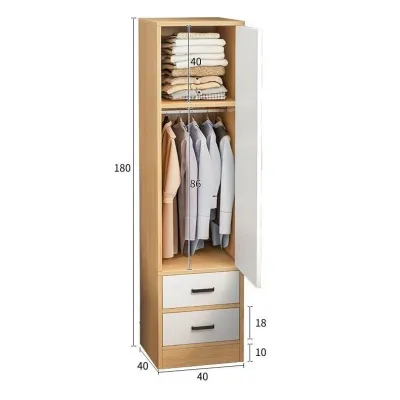
![[On Hand]Nordic Luxury Sliding Door Wardrobe Cabinet Wood Furniture Wardrobe Organizer 180cm Simple Assembly Wardrobe Organizer](https://img.lazcdn.com/g/p/ef4ae0c28e06eece0bf84de55ea8bbc8.jpg_400x400q80.jpg_.webp)
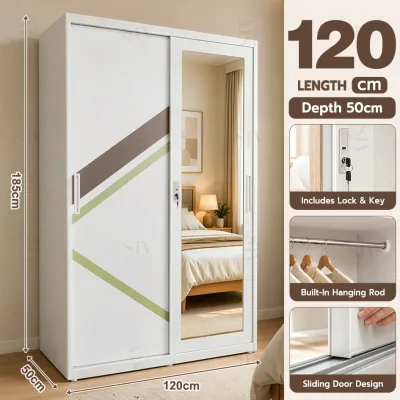
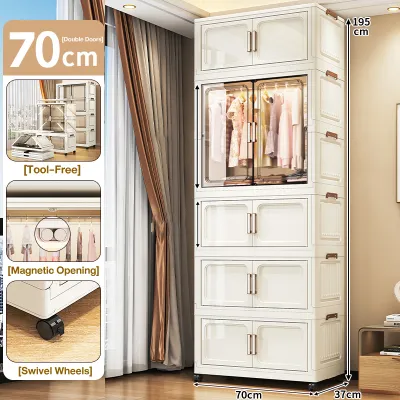
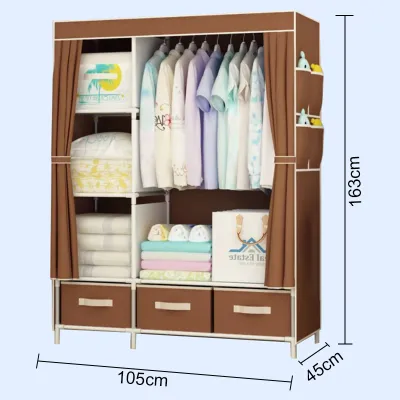
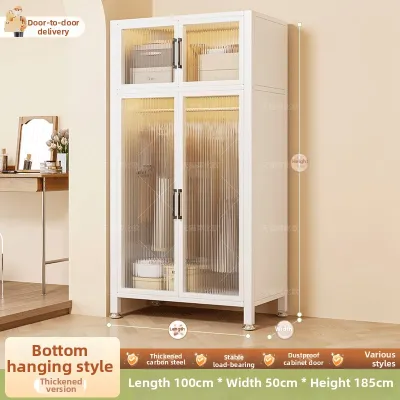
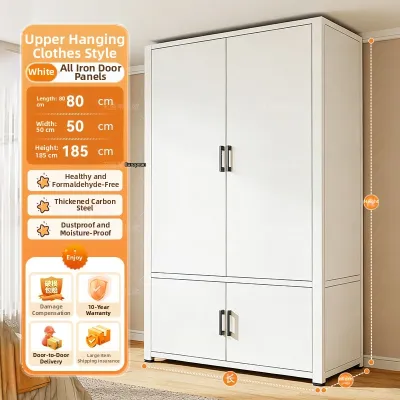
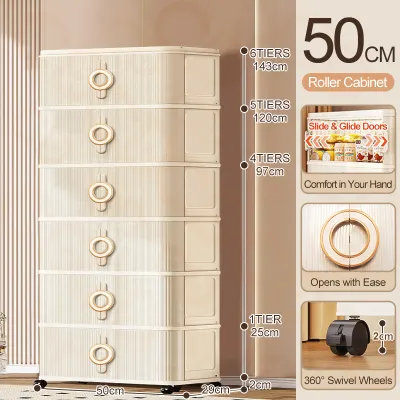
Prices are valid at publication and may change. Please refer to the product page for the latest price.
In tropical environments like the Philippines, air circulation is essential for preventing mold and mildew growth inside closets. When planning your wardrobe’s footprint, leave a small gap of at least two to five centimeters between the back of the cabinet and the wall. This gap allows air to circulate, reducing the risk of moisture buildup. Additionally, ensure the wardrobe does not block air conditioning vents or the path of wall-mounted fans, as obstructed airflow can lead to uneven cooling and increased energy consumption.
Next, map out the delivery route from your home’s entrance to the bedroom. Measure the height and width of every doorway, hallway, and stairwell turn. If you live in a condominium or apartment complex, check the interior dimensions of the passenger elevator and the height of the corridor ceilings. A large, pre-assembled clothes cabinet wardrobe closet might fit perfectly in your bedroom but prove impossible to transport up a narrow stairwell or through a low doorway.
Finally, calculate the necessary clearance for operating the wardrobe doors and drawers. If you choose a model with hinged doors, you must ensure there is enough space for the doors to swing open fully without striking your bed, bedside tables, or other furniture. As a general rule, allow at least 60 to 90 centimeters of open space in front of the wardrobe to accommodate both the open doors and your body as you stand in front of it. For tight spaces where a swinging door would block traffic, a sliding door model or an open wardrobe system may be a more practical alternative.
Evaluate Your Clothing Volume and Storage Habits
Once you know how much space you have, you must determine what will go inside the wardrobe. A successful storage system is tailored to your specific wardrobe inventory. Begin by conducting a thorough audit of your clothing, shoes, and accessories. Group your items by category to understand whether you need more hanging space, shelving, or drawer storage.

Estimate the ratio of hanging garments to folded items. If your wardrobe consists primarily of formal wear, dresses, long trousers, or delicate fabrics that crease easily, you will require a configuration dominated by hanging rails. For shorter items like shirts, blouses, and folded trousers, a double hanging rail system—where one rail is mounted above another—can double your hanging capacity. If your style leans toward casual wear, t-shirts, activewear, and shorts, you will benefit more from spacious shelves and deep drawers.
Consider the unique storage requirements of your accessories and seasonal items. In warm climates, lightweight clothing is worn year-round, but you may still need dedicated space for storing extra bed linens, blankets, or travel bags. High shelves that are more difficult to reach are ideal for storing these bulky, infrequently used items. For smaller accessories like belts, watches, jewelry, and undergarments, shallow drawers with built-in dividers keep items organized and prevent them from getting lost in deep compartments.
Your daily routine should also influence your wardrobe’s design. If you prefer a clean, minimalist bedroom free of visual clutter, a fully enclosed wardrobe with solid doors will keep your belongings hidden from view. However, if you appreciate quick access and visual cues when getting dressed, an open wardrobe system or a model with glass doors might suit your lifestyle better. Keep in mind that open systems require disciplined organization to maintain a tidy appearance and offer less protection against airborne dust.
Match Your Needs to the Right Wardrobe Configuration
With your spatial measurements and clothing audit complete, you can now match your requirements to the ideal wardrobe configuration. The three primary types of wardrobes are freestanding, fitted, and modular systems, each offering distinct advantages depending on your living situation.
Freestanding wardrobes are highly versatile and widely available. They are an excellent choice for renters or homeowners who anticipate moving in the future, as they can be easily transported to a new residence. Because they are independent pieces of furniture, you can also rearrange your bedroom layout whenever you desire. The main limitation of freestanding units is that they rarely utilize the full height of a room, leaving a gap at the top that tends to collect dust.
Fitted wardrobes are custom-built to fit the exact dimensions of your bedroom, stretching from floor to ceiling and wall to wall. This configuration maximizes every square inch of available space, making it highly efficient for small or awkwardly shaped rooms. However, fitted wardrobes are a permanent structural modification and represent a significant investment that cannot be moved when you relocate.
Modular wardrobes offer a flexible middle ground. These systems consist of pre-made cabinet frames and interchangeable internal components, such as shelves, drawers, and hanging rails. You can customize the interior layout to match your clothing audit and even expand the system by adding more modules if your storage needs grow over time.
When choosing door styles, weigh the trade-offs between hinged and sliding mechanisms. Hinged doors are classic, reliable, and allow you to view the entire contents of your wardrobe at once. They also offer the option of mounting mirrors or storage hooks on the inside of the doors. Sliding doors, on the other hand, glide horizontally along tracks, making them the ultimate space-saving solution for narrow bedrooms where floor clearance is limited.
Verify Installation, Assembly, and Safety Conditions
Before finalizing your purchase, you must verify that your bedroom can safely support and accommodate the wardrobe’s installation. Many modern wardrobes, especially modular and fitted systems, require precise alignment to function correctly. If your bedroom floor is uneven or the walls are not perfectly plumb, cabinet frames can warp slightly during assembly. This warping can cause sliding doors to stick, drawers to bind, and hinged doors to hang unevenly. Use a spirit level to check your floor and walls beforehand; you may need to use adjustable leveling feet or shims to ensure a stable installation.
Safety is a paramount consideration, particularly for tall, heavy, or shallow wardrobes. A fully loaded clothes cabinet wardrobe closet holds a substantial amount of weight, and pulling out multiple loaded drawers can shift the center of gravity forward, creating a severe tip-over hazard. To prevent accidents, always follow the manufacturer’s instructions for securing the wardrobe to the wall. This typically involves installing wall anchors or anti-tip brackets. Ensure you use the correct wall plugs and screws for your specific wall type, whether it is concrete, brick, or drywall.
Finally, pay close attention to the structural weight limits specified by the manufacturer. Hanging rails and shelves have maximum load capacities that should never be exceeded. Overloading a hanging rail with heavy garments can cause the rail to bend or pull away from its side supports, potentially damaging the cabinet walls. When organizing your wardrobe, distribute weight evenly, placing heavier items like suitcases, storage boxes, and folded bedding on the bottom shelves or floor of the cabinet to maintain a low center of gravity and maximize overall stability.
Frequently Asked Questions (FAQ)
Is a sliding door wardrobe always better for small bedrooms?
While sliding door wardrobes are excellent for saving external floor space in tight bedrooms, they are not always the superior choice. Sliding doors require a wider track mechanism, which typically consumes about 8 to 10 centimeters of the wardrobe’s total depth, reducing the actual internal storage space. Furthermore, sliding doors only allow you to access one side of the wardrobe at a time, which can be inconvenient if two people are sharing the closet. The tracks also require regular vacuuming and maintenance to prevent dust, lint, and hair from obstructing the rollers and causing the doors to stick.
How do I know if a freestanding wardrobe will fit through my doors?
To confirm that a freestanding wardrobe can be safely delivered, you must measure more than just the width of your doorways. Calculate the diagonal depth of the wardrobe to ensure it can clear tight corners and hallway turns. If you are purchasing a pre-assembled unit, verify the maximum clearance height of your stairwells and elevator doors. For flat-pack wardrobes, check the dimensions of the longest boxes, as long side panels can be difficult to maneuver around tight staircase landings. Always check if decorative elements like top cornices or base legs are removable, as taking them off can provide the extra clearance needed during transport.

Community discussion
Share your experience or ask a question. Comments are reviewed before publication.