
Deciding between a wheeled storage box and a standard non-wheeled option comes down to a simple trade-off: mobility versus stability. If you need to pull heavy items out from deep spaces, wheels are ideal. If you plan to stack boxes high or maximize internal volume on a shelf, a flat-bottom design is safer. This guide breaks down the practical differences to help you match the right bin to your specific space and lifestyle.
Choosing the wrong container can lead to wasted storage space, damaged floors, or unstable stacks that pose a safety hazard. By evaluating your home’s layout, flooring, and the weight of your belongings, you can select the most efficient organization system. Let us explore how these two common designs compare in real-world home environments.
The Core Trade-Off: Mobility vs. Stability
The most obvious difference between these two storage options is how they interact with the floor and other boxes. A wheeled storage box features small casters or rollers attached to the base, which elevate the container slightly off the ground. While this elevation makes moving the box effortless, it also reduces the usable internal depth. The molded wheel wells often protrude into the bottom of the container, creating uneven surfaces inside that can make it difficult to pack flat items like books or document files tightly.
Products mentioned in this guide
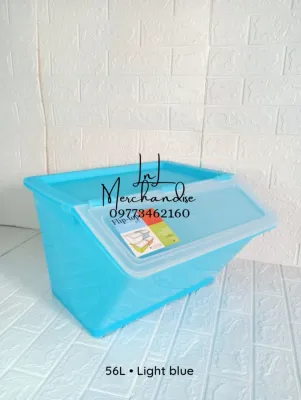
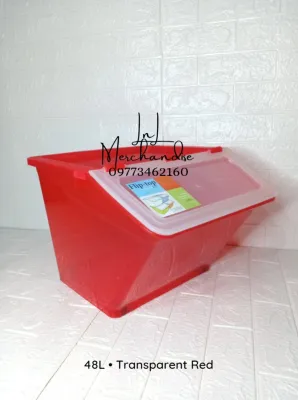
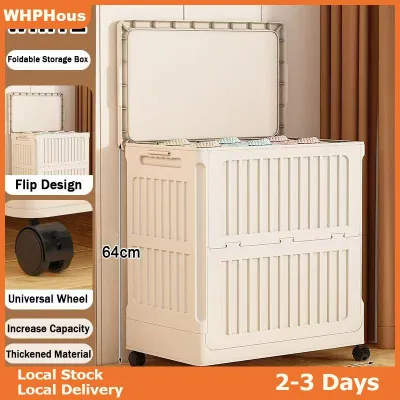
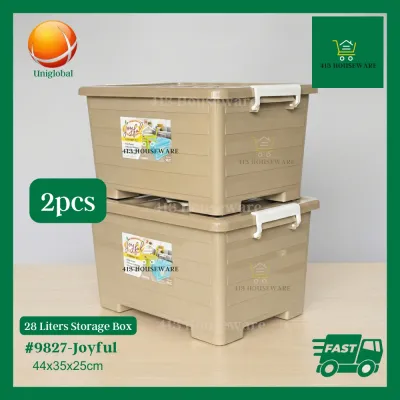
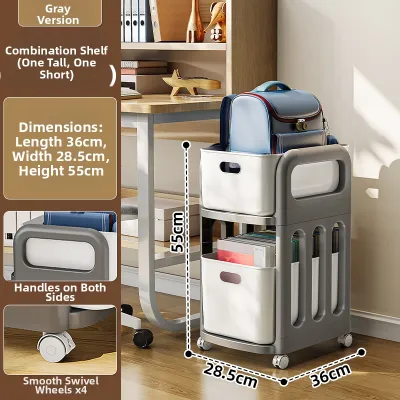
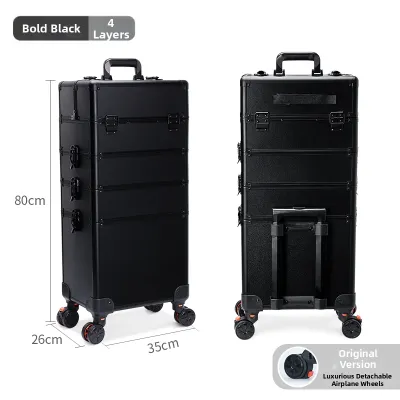
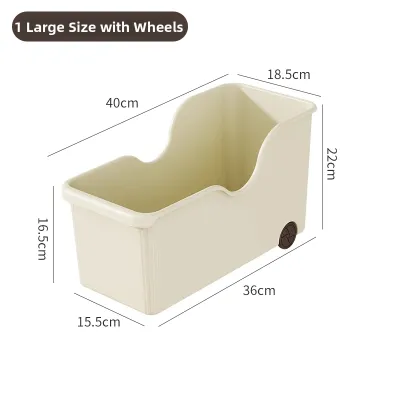
Prices are valid at publication and may change. Please refer to the product page for the latest price.
In contrast, flat-bottom boxes offer a completely flat interior floor, allowing you to utilize every cubic centimeter of space. Because they sit flush against the floor or shelf, they provide maximum contact area. This flat profile makes them inherently more stable and significantly safer for vertical stacking. When you stack flat-bottom boxes, the weight is distributed evenly across the lid of the box below, minimizing the risk of bowing or cracking.
Stacking wheeled boxes requires much more caution. If you stack rolling bins, the wheels of the top box must rest securely in matching recessed grooves on the lid of the bottom box. If the lid lacks these deep, interlocking grooves, the stack can easily slide or tip over when bumped. Additionally, the extra height added by the wheel assembly can prevent the box from fitting into tight vertical spaces, such as under low-clearance bed frames or sofa bases.
When a Wheeled Storage Box Makes Sense
A wheeled storage box is highly practical when you need to store heavy, bulky, or frequently accessed items at floor level. Lifting a plastic bin packed with heavy books, seasonal bedding, or kitchen appliances can strain your back. Wheels turn a strenuous lift into a simple, smooth gliding motion, allowing family members of all ages to move heavy loads safely across the room.

Deep storage areas are another primary use case for rolling bins. Under-bed spaces, deep walk-in closets, and the bottom shelves of deep pantries are notoriously difficult to organize because reaching the back requires awkward bending and stretching. A wheeled box acts like a rolling drawer; you can pull it out completely to access items at the very back and slide it back into place with minimal effort.
Your home’s flooring is a critical factor when choosing wheeled storage. Smooth, hard surfaces such as ceramic tiles, polished concrete, or vinyl planks—which are highly popular in tropical climates like the Philippines for their cooling properties—are excellent for wheeled bins. However, keep in mind that dust and fine grit can accumulate quickly on these floors. Rolling a heavily loaded box over a dusty floor can grind debris into the tile grout or scratch delicate wood finishes, so keeping the floor clean is essential for maintaining both your floors and the wheels.
When a Non-Wheeled Storage Box is the Better Fit
If your primary goal is to maximize vertical space by stacking containers, flat-bottom storage boxes are the superior choice. Whether you are organizing a utility room, a garage, or a bedroom closet, stacking boxes three or four high requires absolute stability. Flat-bottom designs ensure that the weight of the upper boxes is distributed evenly, preventing the plastic lids below from sagging or cracking under concentrated pressure over time.
Non-wheeled boxes are also the safest option for high shelves. Storing items on top of wardrobes or high closet shelves requires lifting containers above shoulder height. Using a wheeled box in these elevated positions is unnecessary and potentially dangerous. The wheels add extra dead weight and can cause the box to roll unexpectedly as you try to place it on or retrieve it from a high shelf. A lightweight, flat-bottom box with secure side latches is much easier to handle safely at height.
When external height limits are tight but you need to maximize internal volume, flat-bottom boxes offer the best space efficiency. They fit flush against walls and next to each other without leaving gaps. Because they lack wheel assemblies and recessed wheel wells, they provide a completely flat interior that is ideal for organizing neatly folded clothes, linens, or structured organizers.
Crucial Specifications to Verify Before You Buy
Before purchasing any storage container, it is essential to measure your available space and verify the product’s physical limits. Do not rely on visual estimates. Use a tape measure to check the height, width, and depth of your shelf, closet, or under-bed clearance. Compare these measurements to the exterior dimensions of the box, keeping in mind that handles, lid latches, and wheels often extend beyond the main body of the container.
Weight capacity is another critical specification that varies widely by design and manufacturer. Check the product label or manufacturer specifications for the maximum load limit. Heavy items like tools, spare tiles, or books require reinforced bases and sturdy latches. If you plan to stack boxes, verify the load capacity of the lids to ensure they can support the weight of the containers stacked above them without collapsing.
Finally, evaluate the wheel material against your specific flooring type to prevent damage. Hard plastic wheels are common on budget-friendly boxes, but they can scratch hardwood floors and slide noisily on ceramic tiles. Soft rubber or polyurethane wheels roll more quietly and offer better grip, but they can degrade over time in warm, humid environments. If the wheels are unidirectional, ensure they align with the direction you plan to pull the box; multidirectional caster wheels offer better maneuverability but require more vertical clearance.
Side-by-Side Feature Comparison
The table below summarizes the key differences between wheeled and non-wheeled storage boxes to help you make the right choice for your home organization project.
| Feature | Wheeled Storage Box | Non-Wheeled Storage Box |
|---|---|---|
| Primary Benefit | Effortless mobility for heavy items | Maximum stability and stackability |
| Space Efficiency | Lower; wheel wells reduce internal volume | Higher; flat bottom maximizes internal space |
| Stacking Safety | Moderate; requires interlocking lid grooves | High; weight is distributed evenly |
| Ideal Placement | Floor level, under beds, deep closets | High shelves, utility stacks, wardrobes |
| Floor Clearance | Requires 2 to 5 cm of extra height clearance | Sits flush with the floor or shelf surface |
| Best Flooring | Smooth tile, polished concrete, low-pile carpet | Any flat surface, including delicate wood |
Please note that specific weight limits, exact dimensions, and material compositions vary by brand. Always verify these details on the product label or manufacturer’s specification sheet before making your purchase.
Frequently Asked Questions (FAQ)
Can I add wheels to a non-wheeled storage box?
Adding wheels to a standard flat-bottom storage box is generally not recommended unless the manufacturer has provided pre-drilled holes or reinforced mounting points specifically designed for optional casters. Drilling holes into unsupported plastic can create stress concentration points, causing the base of the box to crack or split when loaded with heavy items. Additionally, DIY modifications often void any manufacturer warranties and can compromise the structural integrity of the box, making it unsafe to stack.
Do wheeled storage boxes work on carpets?
Wheeled storage boxes can work on carpets, but their performance depends heavily on the wheel size and the carpet pile. Small, hard plastic wheels tend to sink into thick, high-pile carpets, creating high rolling resistance and making the box difficult to pull. If you plan to use a wheeled box on carpeted floors, look for models with larger wheel diameters that can roll over the fibers more easily. Always check the manufacturer’s guidelines to ensure the wheel design is compatible with your specific flooring type.

Community discussion
Share your experience or ask a question. Comments are reviewed before publication.