
Selecting the perfect wardrobe storage system requires balancing your daily dressing habits with the physical constraints of your furniture. A modular durabox drawer setup offers a highly customizable solution to organize clothing, accessories, and linens. However, choosing the wrong configuration can lead to wasted space, crushed garments, or drawers that cannot fully open due to door frame interference. To find the configuration that works best, you must evaluate your wardrobe door style, the types of items you store, and the precise internal dimensions of your closet.
In tropical climates like the Philippines, wardrobe organization is not just about aesthetics; it is essential for fabric preservation. High humidity levels can trap moisture inside tightly packed, unorganized spaces, leading to mildew, musty odors, and fabric deterioration. A well-planned drawer layout promotes air circulation by preventing overstuffing and ensuring that garments are stored at appropriate densities. By matching your storage habits with the correct drawer depths and configurations, you can protect your wardrobe investment while streamlining your daily routine.
Understanding Common Drawer Configurations and Their Roles
A well-planned durabox drawer system transforms wardrobe efficiency by replacing deep, dark shelves with high-visibility, slide-out storage. Instead of stacking folded clothes in tall piles that inevitably topple over, drawers allow you to store items flat or vertically, making every piece of clothing accessible without disturbing the rest. To build an efficient system, you must first understand the distinct roles of shallow drawers, deep drawers, and specialized pull-out configurations.
Products mentioned in this guide
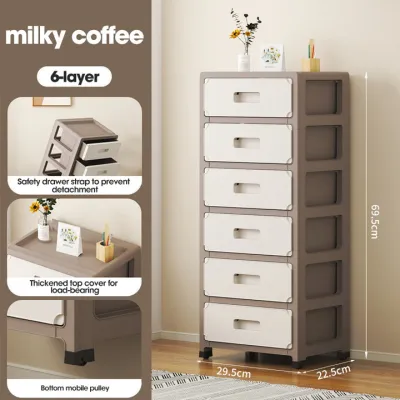
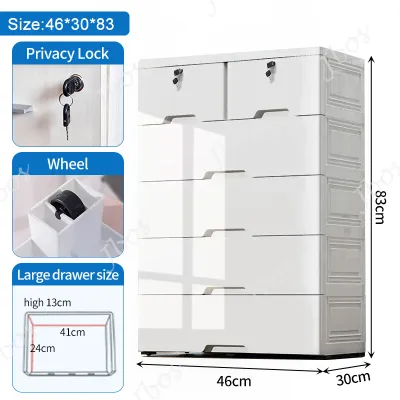
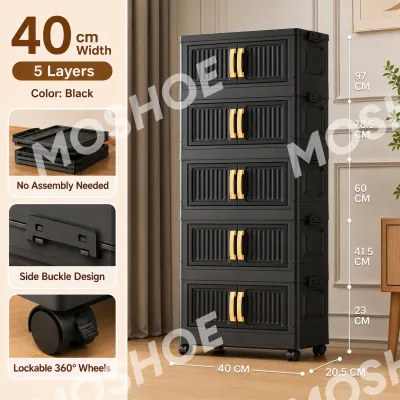
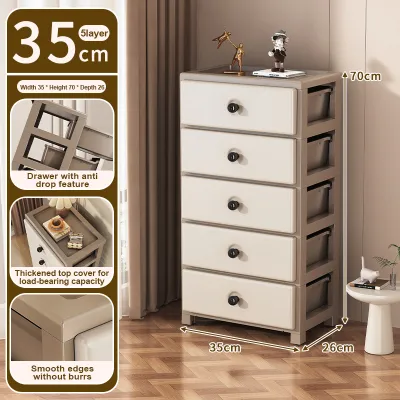
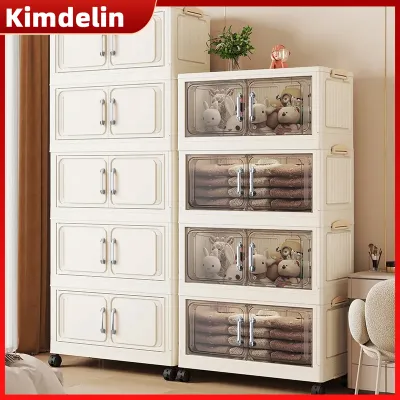
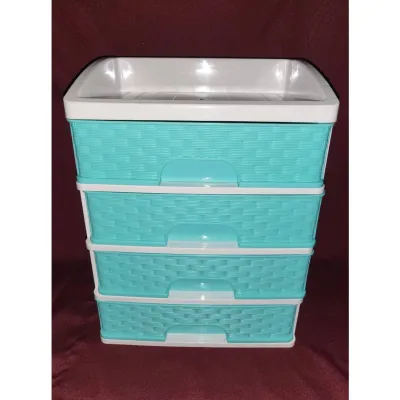
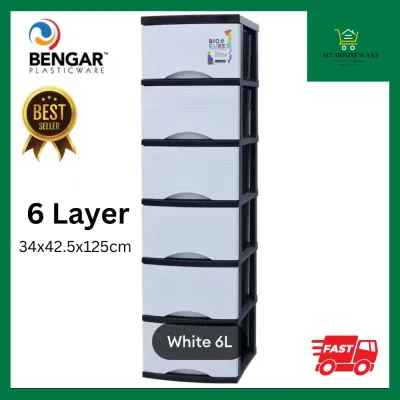
Prices are valid at publication and may change. Please refer to the product page for the latest price.
Shallow drawers, typically measuring between 10 to 15 centimeters in height, serve as the primary storage for smaller, high-frequency items. These drawers are ideal for undergarments, socks, activewear, and daily accessories. Because shallow drawers have a low vertical profile, items stored inside remain in a single layer, preventing them from getting lost at the bottom of a pile. To maximize their utility, shallow drawers are frequently paired with internal dividers or custom organizers, which keep small items separated and neatly categorized.
Deep drawers, ranging from 20 to 35 centimeters in height, are designed to handle bulkier garments and household linens. These configurations are essential for storing heavy denim, thick sweaters, bedsheets, bath towels, and seasonal wear. Because deep drawers hold heavier, high-volume items, they require robust slide rails—such as full-extension ball-bearing slides—to ensure smooth operation under load. When planning deep drawers, it is crucial to prioritize structural integrity and load capacity, as dense fabrics can quickly add significant weight to the drawer box.
Specialized pull-outs offer targeted solutions for specific wardrobe categories that do not fit well in standard drawers. For example, trouser pull-outs feature horizontal, anti-slip rods that allow you to hang multiple pairs of pants side-by-side, preventing creases and saving vertical hanging space. Similarly, glass-top drawers provide a clear visual inventory of jewelry, watches, sunglasses, and belts. These premium configurations allow you to view your collection at a glance without pulling the drawer open, combining high-end boutique aesthetics with practical daily function.
Ultimately, the ideal drawer configuration is determined by your personal clothing inventory rather than a desire to fill empty space. Before purchasing any drawer components, take a detailed inventory of what you own. If your wardrobe consists primarily of formal wear, trousers, and accessories, your configuration should lean heavily toward shallow drawers, specialized pull-outs, and hanging rods. Conversely, if your style favors casual wear, t-shirts, and heavy knits, a setup dominated by deep, high-capacity drawers will serve you much better.
Matching Drawer Layouts to Your Wardrobe Door Style
The physical structure of your wardrobe—specifically the way the doors open and close—directly dictates where drawers can be installed and how they must operate. Failing to account for door clearance is one of the most common mistakes in wardrobe design, often resulting in drawers that scrape against door panels or cannot open at all.

Walk-in Closets and Open Wardrobes
Open wardrobes and walk-in closets offer the greatest design flexibility because they lack physical doors that obstruct access. Without the need to clear door frames or hinges, you can utilize the entire width and height of the wardrobe cavity for drawer placement. This open layout is particularly well-suited for specialized configurations, such as glass-top accessory drawers and open-front pull-out trays, which remain fully visible and accessible at all times.
When planning an open wardrobe, ergonomics should guide your layout. Place shallow drawers and specialized accessory pull-outs at waist-to-chest level, where items are easiest to see and reach without bending down. Deep drawers, which hold heavier items like bedding or denim, should be positioned at the base of the wardrobe. This low placement not only makes lifting heavy items safer but also lowers the unit’s overall center of gravity, improving the stability of the entire wardrobe structure.
Hinged Door (Swing) Wardrobes
Hinged door wardrobes require careful spatial planning to avoid mechanical interference between the drawers and the door hardware. The primary point of conflict is the cabinet hinges, which protrude into the internal cabinet space when the doors are open. If a drawer is installed at the exact height of a hinge mounting plate, the drawer sides or slide rails will collide with the metal hinge mechanism, preventing installation or causing severe damage.
To ensure smooth operation in a hinged wardrobe, you must leave adequate side clearance between the drawer front and the cabinet frame. This is typically achieved by using side fillers or spacer blocks that offset the drawer rails away from the side panels. Additionally, you must verify that the wardrobe doors can swing open past a 90-degree angle. If the doors are blocked by adjacent walls or furniture and cannot open fully, the drawer fronts will scrape against the inner surface of the doors when pulled out, leaving unsightly scratches on both surfaces.
Sliding Door Wardrobes
Sliding door wardrobes operate on parallel tracks, creating a unique spatial challenge where one door panel always overlaps another. Because the doors slide within a fixed frame, you can never expose the entire interior of the wardrobe at the same time. This means that drawers must be strategically placed to align perfectly with the “active” opening zones of the sliding system.
Drawers in a sliding door wardrobe should only be installed in sections that are fully exposed when a door panel is pushed completely to the opposite side. If you place a drawer unit in the center overlap zone—where the front and rear sliding doors cross past each other—the rear door panel will physically block the drawer from extending. Always map out the exact path of the sliding doors and place your drawer units deep within the left or right bays, ensuring they clear the overlapping door edge by several centimeters.
Choosing the Right Drawer Depth and Inserts for Your Items
Once you have matched your drawer layout to your wardrobe doors, you can focus on optimizing the interior of each drawer. Selecting the right depths and organizing inserts ensures that your clothes remain neat, visible, and protected from damage.
Everyday Folded Clothes and Bulky Wear
For everyday casual wear, such as t-shirts, jeans, and light sweaters, deep drawers are highly effective. Storing these items vertically—using the “file folding” method rather than stacking them horizontally—allows you to see every garment at a glance and pull one out without disrupting the rest. Deep drawers also keep larger items like bedsheets, pillowcases, and heavy towels organized and contained, preventing them from spilling over the edges and jamming the drawer tracks.
When utilizing deep drawers for heavy fabrics, always check the manufacturer’s load-bearing specifications. Dense textiles like denim or heavy cotton can accumulate significant weight, especially when packed tightly. Ensure that the drawer slides are rated for the expected weight and that the drawer bottom is reinforced to prevent sagging over time. If you notice any resistance or grinding noises when opening a loaded drawer, reduce the weight immediately to protect the slide rails from permanent misalignment.
Trousers, Skirts, and Delicates
Trousers and formal skirts require specialized handling to prevent creases and maintain their shape. Dedicated trouser pull-outs feature individual hanging rods covered in anti-slip material, such as rubber or foam sleeves, which keep garments securely in place without leaving sharp fold marks. This configuration is highly efficient for professional wardrobes, allowing you to quickly scan your options and slide out individual pairs of pants without disturbing adjacent clothes.
For delicate items like silk undergarments, hosiery, and fine socks, shallow drawers equipped with customizable dividers are highly recommended. Honeycomb or grid-style inserts create individual compartments for each item, preventing them from tangling, snagging, or shifting when the drawer is opened and closed. In humid environments, keeping delicate fabrics separated and lightly packed allows for better air circulation, reducing the risk of moisture buildup and fabric damage.
Accessories, Jewelry, and Valuables
Accessories and valuables require a combination of visibility, organization, and protection. Shallow glass-top drawers are the gold standard for these items, allowing you to view your jewelry, watches, sunglasses, and belts without opening the drawer and exposing them to airborne dust. The interior of these drawers should be lined with soft, protective materials like velvet, felt, or microfiber to prevent scratches on delicate metal and glass surfaces.
Using modular inserts within these shallow drawers allows you to customize the layout as your collection grows. Look for trays with specialized compartments, such as watch pillows, ring rolls, and small divided sections for cufflinks or earrings. By keeping these items organized and visible, you not only protect your valuables from friction and wear but also save valuable time when accessorizing your outfits in the morning.
Essential Measurements and Clearance Checks Before Installation
Before purchasing or installing any durabox drawer system, performing a thorough physical assessment of your wardrobe cavity is critical. Taking precise measurements and verifying structural conditions will prevent costly installation errors and ensure long-term safety.
Internal Dimensions: When measuring your wardrobe, always focus on the internal dimensions of the cavity rather than the external dimensions of the furniture frame. Use a steel measuring tape to measure the exact internal width, depth, and height at three different points (top, middle, and bottom) to account for any warping or unevenness in the wood or plaster. Subtract the thickness of any side panels, backboards, and door tracks to find the true usable space available for the drawer units.
Clearance for Hanging Clothes: If you plan to install drawers directly beneath a hanging rod, you must calculate the vertical clearance required for your hanging garments. Measure the length of your longest hanging items—such as maxi dresses, long coats, or trousers hung by the cuff—from the top of the hanging rod to the bottom hem. Add a buffer of at least 5 to 10 centimeters of empty space below the garments to ensure they do not rest on top of the drawer unit, which can cause the clothes to bunch up, wrinkle, or get caught in the drawer slides.
Hardware and Track Interference: Carefully map out the location of all existing and planned hardware within the wardrobe. This includes sliding door tracks, soft-close dampers, corner brackets, interior lighting fixtures, and magnetic catches. Ensure that the path of the drawer box and the drawer front does not collide with any of these components during installation or operation. Even a minor protrusion of a few millimeters can prevent a drawer from closing flush or cause it to scrape against hardware.
Professional Verification: For built-in wardrobes, custom closets, or structural modifications, always consult the manufacturer’s installation guidelines or a qualified carpenter before proceeding. They can help verify the load-bearing capacity of your wardrobe walls and floor, ensuring that the structure can safely support the weight of fully loaded drawer units. Additionally, ensure that the wardrobe frame is properly anchored to the wall to prevent tip-over hazards, which can occur if multiple heavy drawers are extended simultaneously.
Frequently Asked Questions (FAQ)
Can I retrofit new drawers into my existing built-in wardrobe?
Yes, retrofitting new modular drawers into an existing built-in wardrobe is highly feasible, provided the internal cavity dimensions match the drawer unit’s required width and depth. Before purchasing, verify that the wardrobe’s side panels are structurally sound and perfectly vertical, as any warping can prevent the drawer slides from aligning correctly. If your wardrobe floor is uneven, you may need to level the base before installation. For complex built-in structures, consulting a professional carpenter is recommended to ensure a precise, secure fit without damaging the existing frame.
How do I maintain smooth drawer operation in humid climates?
In humid climates, moisture and airborne dust can accumulate on drawer slides, leading to friction, rust, or sticky operation. To maintain smooth performance, perform regular visual inspections and wipe the slide rails with a dry microfiber cloth to remove dust and debris. Always check the manufacturer’s care instructions before applying any lubricants; some modern soft-close and ball-bearing mechanisms are pre-lubricated and can be damaged by heavy oils or WD-40, which attract more dust and clog the tracks over time.
What is the standard clearance needed above a drawer for hanging clothes?
The standard clearance required above a drawer unit depends entirely on the length of the garments you plan to hang. For short items like shirts, blouses, and folded trousers, you typically need a vertical clearance of 90 to 105 centimeters from the hanging rod to the top of the drawer. For longer garments like dresses, coats, and full-length trousers, you will need 130 to 160 centimeters of clearance. Always measure your longest garment and add a 10-centimeter buffer to prevent fabrics from dragging on the drawer surface and obstructing its operation.

Community discussion
Share your experience or ask a question. Comments are reviewed before publication.