
The Short Answer: Which Material Stays Coolest?
Natural latex is the coolest material for a foldable mattress pad used in the warm, humid climate of the Philippines. Its physical structure features an open-cell matrix and molded ventilation pinholes that allow continuous airflow, preventing body heat from getting trapped. While fiberfill options also offer excellent breathability and are highly budget-friendly, they lack the substantial physical support and durability that latex provides over long-term use.
Traditional memory foam is the warmest option because its dense, viscoelastic structure reacts to your body heat to contour to your shape, effectively trapping warmth against your skin. Even modified memory foams with gel or copper infusions tend to saturate with heat over several hours of sleep. To achieve the coolest possible sleep setup, you must also consider secondary factors such as a breathable cover fabric made of cotton or bamboo-derived viscose, the overall thickness of the pad, and the active ventilation in your bedroom.
How High Heat and Humidity Change Your Mattress Pad Needs
The tropical climate of the Philippines presents unique challenges for sleep comfort, especially during the hot dry season and the highly humid rainy season. When ambient temperatures remain high overnight, your body relies heavily on the evaporation of sweat to regulate its internal temperature. High relative humidity slows down this evaporation process, leaving you feeling sticky, clammy, and restless if your bedding materials do not support rapid moisture transfer.
Products mentioned in this guide
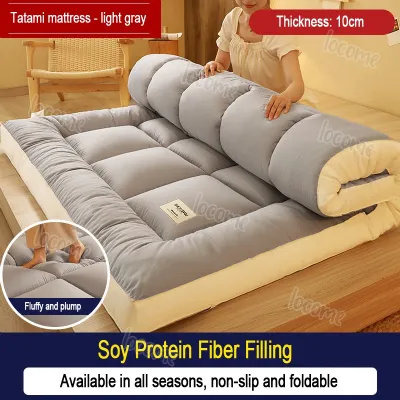
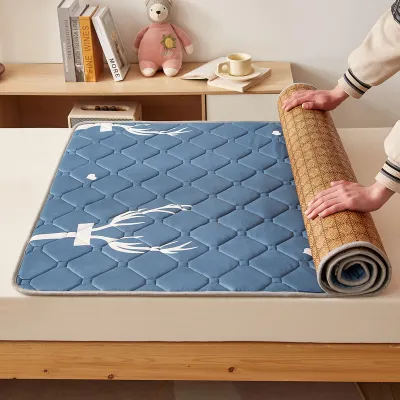
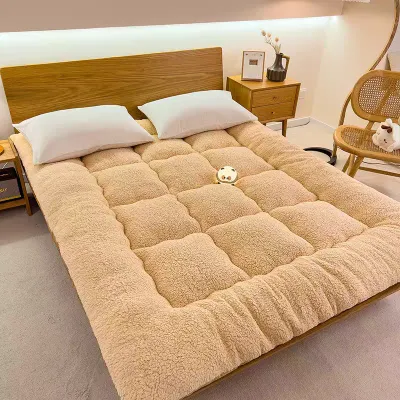
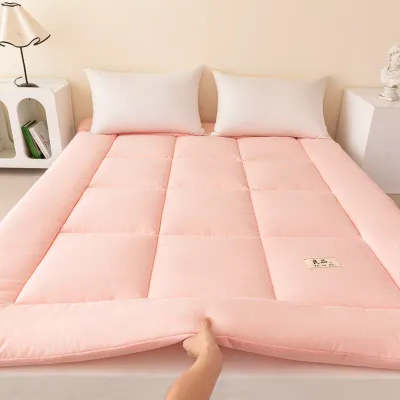
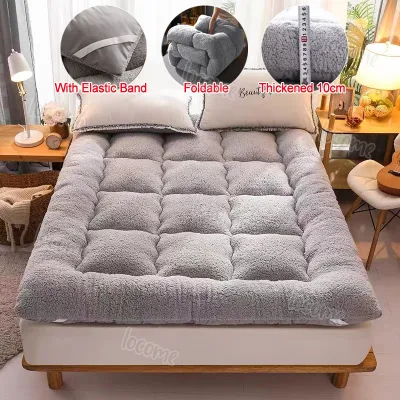
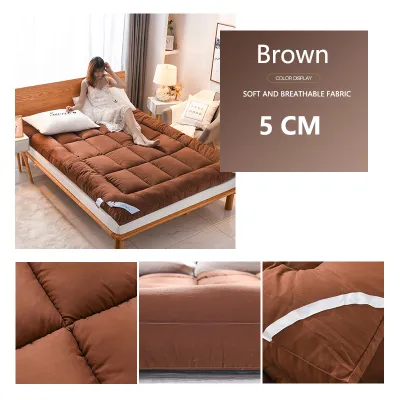
Prices are valid at publication and may change. Please refer to the product page for the latest price.

When you use a foldable mattress pad, these environmental factors become even more critical. Foldable pads are highly versatile items, often placed directly on tiled floors for afternoon siestas, used as temporary beds for visiting relatives, or packed away in closets when space is limited. If a pad is placed directly on a cool tiled floor, moisture can condense underneath it due to the temperature differential between your warm body and the cold ground. Without proper breathability, this trapped moisture quickly leads to musty odors, mildew growth, and the deterioration of the internal cushioning materials.
To maintain physical comfort and protect your investment, you need a pad that actively promotes air circulation and dries quickly. A material that traps heat will raise your skin temperature, triggering more sweat and compounding the discomfort of a humid night. Selecting a material based on its thermal conductivity and moisture-wicking properties is the most effective way to ensure a restful, dry sleep experience.
Latex vs. Memory Foam vs. Fiber: A Cooling Comparison
Each of the three primary materials used in foldable mattress pads behaves differently under tropical conditions. Understanding their physical structures and thermal properties will help you choose the right balance of cooling, comfort, and portability.
Natural and Synthetic Latex
Natural latex is derived from the sap of rubber trees and processed to create a highly resilient, springy foam. During manufacturing, the latex is vulcanized in molds that leave behind a grid of small pinholes. This design, combined with the material’s natural open-cell structure, allows air to circulate freely every time you move. Heat is pushed out of the pad rather than being stored within the core, making it highly effective at maintaining a neutral temperature.
Synthetic latex, made from styrene-butadiene rubber, shares a similar physical structure but generally lacks the same level of breathability and durability as its natural counterpart. Synthetic variants can feel slightly warmer over consecutive hours of use and may degrade faster when exposed to humidity.
While natural latex offers superior cooling and physical support, it is a dense and heavy material. This weight can make folding, carrying, and storing the pad more physically demanding. Additionally, the constant flexing at the hinge points of a foldable latex pad requires high-quality, durable cover stitching to prevent the foam from tearing over time.
Memory Foam and Gel-Infused Variants
Memory foam is a synthetic polyurethane material engineered to conform closely to pressure points. While this contouring provides excellent pressure relief for your shoulders and hips, it also creates a deep cradle around your body. This close contact restricts air circulation across your skin, while the dense cell structure of the foam acts as an insulator, trapping and reflecting your body heat back to you.
To address this heat retention, manufacturers often introduce gel infusions, copper particles, or open-cell formulations into the foam. Gel-infused memory foam contains phase-change materials designed to absorb initial body heat, creating a temporary cooling sensation when you first lie down. However, once the gel reaches thermal equilibrium with your body temperature, the cooling effect diminishes, and the foam can begin to trap heat during the latter half of the night.
If you prefer the pressure-relieving feel of memory foam, you must accept a trade-off. In a room without active air conditioning, even modified memory foam will feel noticeably warmer than latex or fiberfill. It requires a reliable electric fan or air conditioning unit to help dissipate the heat that slowly accumulates in the foam core.
Fiberfill and Hollowfiber Options
Fiberfill mattress pads are constructed from polyester fibers woven into a soft, lofty batting. Hollowfiber is a specific variant where each individual strand of polyester has a hollow center, similar to natural hair. This hollow structure traps air for lightweight loft while allowing moisture and heat to pass through the gaps between the fibers with minimal resistance.
Because fiber-based pads do not consist of a solid block of foam, they offer exceptional ventilation and moisture-wicking capabilities. Sweat evaporates quickly, preventing the clammy sensation common with denser materials. These pads are also the lightest options on the market, making them incredibly easy to fold, lift, and store in small closets or transport for travel.
However, fiberfill pads compress significantly under body weight. They do not provide the same level of orthopedic support or pressure relief as latex or memory foam. Over months of regular use, the fibers will gradually flatten and lose their loft, particularly under heavier areas like the hips, which reduces both their cushioning comfort and their overall airflow capacity.
Specifications and Labels to Verify Before Buying
When shopping for a foldable mattress pad, you should look past generic marketing terms like “ice-cool” or “breathable” and focus on verifiable physical specifications and material labels.
- Cover Fabric Composition: The fabric surrounding the core is your first point of physical contact. Prioritize covers made from natural or semi-synthetic fibers such as 100% cotton, bamboo-derived viscose, or Tencel (lyocell). These materials are naturally hydrophilic, meaning they absorb and release moisture far better than standard polyester, which tends to run hot and pill over time.
- Total Pad Thickness: Foldable pads typically range from 2 to 4 inches in thickness. Thinner pads (2 inches) allow heat to dissipate more rapidly because there is less material to trap warmth, but they offer minimal cushioning if placed on a hard floor. A 3-inch or 4-inch pad provides a better balance of support, but you must ensure the core material is highly breathable to compensate for the extra volume.
- Foam Density: If you choose a latex or memory foam pad, check the density rating if available. Extremely high-density foams offer excellent durability and support but feature tightly packed structures that restrict airflow. Medium-density options often provide a more balanced combination of support and ventilation.
- Hinge Design and Stitching: Examine the folding seams. A high-quality foldable pad features reinforced fabric hinges and durable zippers. Because you will fold and unfold the pad regularly, the cover material at these hinge points must be strong enough to withstand tension without tearing or forcing the internal core pieces to overlap and create uncomfortable ridges.
Maintaining Your Foldable Pad in a Humid Environment
Proper maintenance is essential to protect your foldable mattress pad from the degrading effects of high humidity. Without regular care, even the most breathable materials can succumb to mold and musty odors.
- Regular Airing: At least once a week, unfold your mattress pad and stand it on its side in a well-ventilated room with open windows or an active electric fan. This allows trapped moisture from your body and the floor to evaporate fully. Avoid placing natural latex or polyurethane foams in direct, intense sunlight, as ultraviolet rays degrade the cellular structure, causing the material to become brittle and crumble.
- Control Room Humidity: If you use your foldable pad in a bedroom that tends to trap damp air, consider using a mechanical dehumidifier or running your air conditioner on the "dry" mode. Lowering the ambient humidity in the room significantly speeds up the drying process of your bedding.
- Spot Cleaning and Drying: Always follow the manufacturer's care label for cleaning spills or sweat stains. Use a damp cloth with mild detergent for spot cleaning, and never saturate the inner foam core with water. If the foam does get wet, use dry towels to press out the excess moisture and let it air dry completely in a shaded area before folding it. Storing a damp pad in a closed wardrobe will inevitably result in mold growth.
Frequently Asked Questions (FAQ)
Can I use a cooling mattress topper instead of a foldable pad?
You should avoid using a standard cooling mattress topper as a direct replacement for a foldable pad if you plan to store it daily. Standard toppers are designed to lie flat on a permanent bed frame and do not feature reinforced hinge seams. Folding a standard topper repeatedly can cause the internal foam core to crack, tear, or warp, whereas a dedicated foldable pad is specifically engineered to handle frequent folding and unfolding without losing its structural integrity.
Does the color or pattern of the mattress pad cover affect how hot it feels?
The color or visual pattern of the cover fabric does not significantly affect how warm the mattress pad feels during use. Because you use the pad indoors and typically cover it with a bedsheet, visual light absorption is not a factor in heat retention. Instead of focusing on the color, prioritize the fabric weave and fiber content, looking for open percale weaves and natural fibers that facilitate maximum airflow and moisture absorption.

Community discussion
Share your experience or ask a question. Comments are reviewed before publication.