
Finding the right seating for your child’s study corner is a balancing act between physical comfort, desk compatibility, and long-term usability. In many homes across the Philippines, where study spaces are often carved out of shared bedrooms or cozy living areas, a bulky office chair might overwhelm the room. An Ikea stool offers a compact, versatile alternative, but selecting the most suitable model requires looking beyond simple aesthetics to evaluate height, stability, and ergonomic support.
Matching a stool to a child’s desk setup depends heavily on the child’s current height, the desk’s clearance, and how the child naturally sits during study sessions. A stool that is too high forces slouching, while one that is too low causes shoulder strain during writing or typing. By taking precise measurements and understanding how different stool designs support active sitting, you can create a focused, comfortable learning environment that adapts as your child grows.
Assessing Your Study Corner and Child's Profile
Before browsing any furniture catalog, you must establish a clear set of measurements from your existing setup. Start by measuring the exact height of the study desk from the floor to the underside of the desktop. This measurement determines the maximum seat height your child can use while leaving enough clearance for their thighs to move freely without rubbing against the desk frame.
Products mentioned in this guide
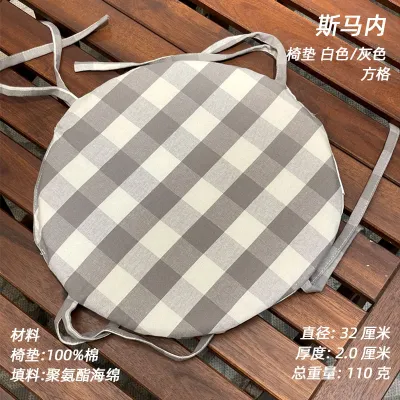
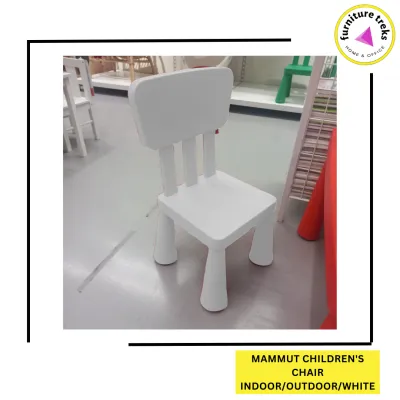
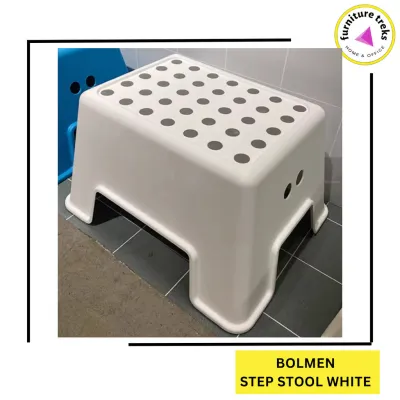
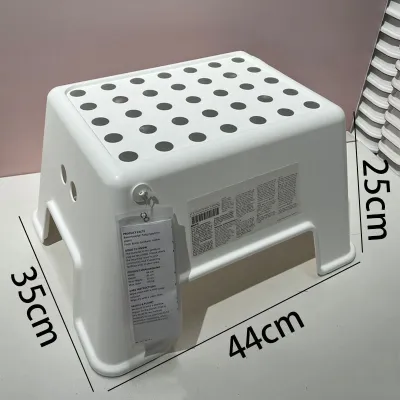
Prices are valid at publication and may change. Please refer to the product page for the latest price.
Next, measure the available floor space around and beneath the desk. In compact study corners, you want a stool that can slide completely underneath the desk when study time is over, keeping walkways clear in high-traffic household areas. Take note of any desk drawers, crossbars, or table legs that might obstruct the stool’s footprint or limit how far it can be pushed inward.
Finally, record your child’s current physical dimensions, specifically their height and the distance from the back of their knee to the sole of their foot when sitting. This lower-leg measurement is crucial because it dictates the appropriate seat height required for their feet to rest flat on a solid surface.
Matching Ikea Stool Categories to Age and Study Habits
Children develop rapidly, and their study habits evolve alongside their physical growth. Ikea offers several stool categories, ranging from highly adjustable active-sitting models to simple, fixed-height step stools. Choosing the right category requires balancing your child’s current age with how they typically behave during homework or reading sessions.

Adjustable stools are highly beneficial for school-aged children who are experiencing rapid growth spurts. These models allow you to fine-tune the seat height over several years, ensuring the stool remains compatible with the desk even as the child grows taller. They are particularly useful if multiple siblings of different ages share the same study desk throughout the day.
Fixed-height stools and step stools, on the other hand, are often better suited for younger learners who are just beginning to transition into structured activities. These stools provide a highly stable, predictable platform that helps early learners establish clear physical boundaries for study time. However, because they cannot be adjusted, their useful lifespan as a primary study seat is naturally shorter.
The choice between a backless stool and one with a small backrest also depends on your child’s focus and movement patterns. Backless stools encourage active sitting, which can help energetic children channel their restlessness into subtle core movements while working. However, if your child tends to slouch when tired or spends hours at their desk, a model with a supportive backrest may be necessary to prevent fatigue.
Adjustable Stools for Long-Term Growth
When selecting a height-adjustable stool, your first step should be checking the manufacturer’s specified minimum and maximum height ranges. This information is typically found on the product label, packaging, or official assembly instructions. Ensure that the lowest setting allows your child’s feet to sit flat on the floor, while the highest setting still leaves comfortable thigh clearance under the desk.
You must also verify the adjustment mechanism’s ease of use and locking security to ensure it remains stable during daily activities. Some stools use a simple spin-to-adjust threaded post, while others utilize a gas lift mechanism activated by a lever. Test the mechanism to ensure a child cannot accidentally trigger a sudden drop in height while sitting, which could lead to pinched fingers or sudden falls.
Fixed-Height and Step Stools for Early Learners
For toddlers and early preschoolers, a sturdy step stool can serve as an excellent temporary seat at a standard-height desk or low activity table. These stools are particularly useful in multi-purpose spaces, allowing young children to safely reach higher surfaces, bookshelves, or sinks during supervised activities. Their multi-functional nature makes them a practical addition to a busy household.
When evaluating a fixed-height or step stool, always check the manufacturer’s maximum weight limits and built-in anti-slip features. Look for stools with rubberized grips on the feet to prevent sliding on smooth tile or polished wood floors, which are common in many homes. The top surface of the stool should also feature a textured, non-slip pattern to provide secure footing when used as a step.
Ergonomic Verification for Desk and Stool Pairing
Once you have paired a stool with your child’s desk, you must perform a physical ergonomic check while the child is actively sitting and working. The most critical indicator of a proper fit is foot placement. Your child’s feet should rest completely flat on the floor or on a dedicated, stable footrest, rather than dangling in the air or hooking around the stool legs.
Observe the angles of your child’s knees and hips to ensure their thighs are adequately supported. Ideally, the knees should be bent at a comfortable 90-degree angle, with the thighs running parallel to the floor or sloping slightly downward. This position distributes body weight evenly across the seat and thighs, reducing pressure points and preventing the child from shifting constantly to find comfort.
Safety, Stability, and Maintenance Checks
Safety is paramount when introducing any stool into a child’s active study environment. Begin by inspecting the stool’s base width and overall center of gravity. Stools with a wider, flared base are inherently more stable and resistant to tipping when a child leans sideways, reaches for a book, or shifts their weight abruptly during a study session.
Always review the manufacturer’s maximum weight capacity and age recommendations before making a purchase. Even if a stool appears sturdy, exceeding its rated capacity or using it outside its intended age group can lead to structural failure. Keep in mind that children often use stools in creative, unintended ways, making structural integrity even more critical.
Establish a routine maintenance schedule to check the stool’s physical condition every few months. In humid tropical climates, wooden joints can expand or contract, and metal fasteners can gradually loosen over time. Tighten any loose screws or bolts, inspect the adjustment mechanisms for smooth operation, and replace any worn-out anti-slip pads on the legs to maintain optimal stability and protect your floors.
Frequently Asked Questions (FAQ)
Can I use a footrest with a fixed-height stool?
Yes, adding a footrest is an excellent way to extend the usable life of a fixed-height stool and improve your child’s sitting posture. If you notice your child’s feet dangling, or if they constantly slouch, slide forward, or shift their weight to find support, these are clear signs that their feet need a stable platform. Dangling legs put unnecessary pressure on the back of the thighs, which restricts blood circulation and leads to restlessness.
When choosing a footrest, ensure it is heavy and stable enough not to slide away when the child presses against it. The height of the footrest should be sufficient to bring the child’s knees and hips into a comfortable 90-degree alignment.
Are backless stools suitable for long study sessions?
Backless stools are highly effective for short to medium study sessions because they encourage active sitting and engage the child’s core muscles. By removing the option to lean back, these stools prompt the body to self-correct its posture, which can improve focus and keep energetic children engaged. However, because the core muscles must work continuously to keep the spine upright, backless seating can lead to muscle fatigue over extended periods.
For long study sessions, such as preparing for exams or completing detailed projects, it is best to set time limits or alternate seating. Encourage your child to take a short standing or stretching break every 20 to 30 minutes to relieve muscle tension.

Community discussion
Share your experience or ask a question. Comments are reviewed before publication.