
Selecting the ideal Kimdelin table for your balcony bar setup requires a careful balance between your available floor space and your lifestyle goals. In the Philippines, where high-rise condo living is popular across major metropolitan areas, the balcony serves as a vital private escape. To create a functional lounge corner, you must look beyond aesthetics and evaluate how a specific table matches your physical spatial limits and the local tropical climate.
Whether you envision a quiet spot for morning coffee, a functional outdoor workstation, or a high-top bar for evening drinks, the right furniture piece anchors the entire layout. A mismatch in scale can make a balcony feel cramped and unusable, while choosing the wrong material can lead to rapid deterioration under intense sun and heavy monsoon rains. By taking systematic measurements and identifying your primary activities, you can select a model that enhances your outdoor living experience.
Quick Guide: Matching Kimdelin Tables to Your Balcony
Finding the best Kimdelin table for your balcony begins with a realistic assessment of your usable floor area and a clear definition of how you intend to use the space. Balconies vary widely from compact Juliet platforms to expansive wraparound terraces, and each footprint demands a different design solution.
Products mentioned in this guide
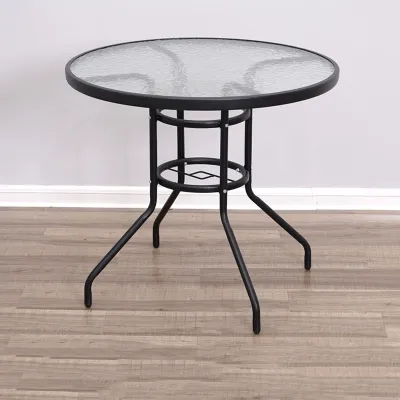
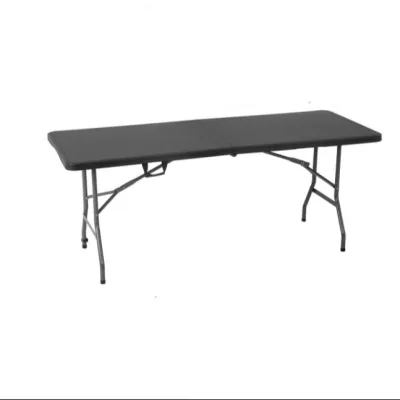
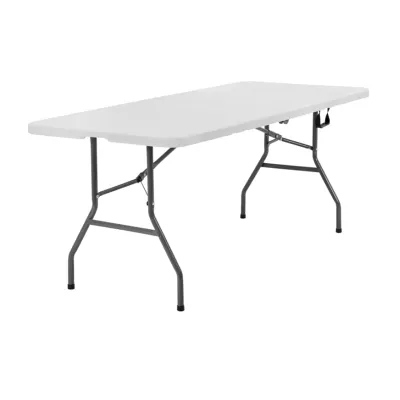
Prices are valid at publication and may change. Please refer to the product page for the latest price.
To simplify your decision-making process, consider this general spatial mapping:
- Narrow Balconies (under 1.2 meters wide): These spaces require space-saving solutions. Look for wall-mounted drop-leaf tables, railing-hung bar tops, or ultra-slim folding bistro tables that can be tucked away when not in use.
- Medium Balconies (1.2 to 1.8 meters wide): This width accommodates counter-height tables or slender high-top bar tables. These models provide enough surface area for drinks and light meals without blocking the primary walkway.
- Spacious Balconies (over 1.8 meters wide): Larger areas allow for multi-seat round tables, square dining tables, or full-sized rectangular bar sets that can comfortably host small gatherings.
Before finalizing any purchase, always check the specific product dimensions listed by the manufacturer against your physical measurements. Relying on visual estimates from product photos can be misleading, as studio lighting and open backgrounds often make furniture appear smaller than it is in a real-world setting.
Assessing Your Balcony Space and Clearance Requirements
To ensure your new table fits comfortably, you must perform a thorough spatial audit of your balcony. This process goes beyond measuring simple wall-to-wall distances; it involves identifying permanent obstructions and mapping out realistic movement zones.

Measuring Usable Floor Area
Begin by clearing your balcony of any temporary items and using a steel tape measure to record the absolute length and width of the floor. Next, identify and subtract the space occupied by permanent fixtures. These include wall-mounted air conditioning compressor units, structural pillars, drainage grates, large planters, and the swing radius of your balcony doors. If your balcony door swings outward, measure the exact distance it penetrates into the outdoor space to prevent the door from colliding with your table or stools.
Clearance and Traffic Flow
For a balcony to feel comfortable, you must maintain adequate clearance around your furniture. Plan for a minimum of 60 to 90 centimeters of open space around the table. This clearance ensures that you can pull out bar stools or chairs easily and walk past them without having to squeeze against the railing or the apartment wall.
To visualize this layout, consider the following spatial calculations:
- Stool Depth: A standard bar stool requires approximately 45 to 50 centimeters of depth when tucked under the table.
- Pull-Out Zone: An active user needs an additional 15 to 20 centimeters of clearance to comfortably stand up and push the stool back.
- Walkway Width: If the table is placed along the main path to a sliding door, preserve at least 70 centimeters of unobstructed walking space next to the seating area.
Access and Delivery Checks
Before ordering your table, map out the delivery route from the building entrance to your balcony. High-rise condominium developments often have tight service elevators, narrow corridor corners, and standard-sized doorways that can restrict the transport of large, fully assembled furniture. If the table model you choose features a solid, non-demountable metal frame or a heavy stone tabletop, verify that these components can clear your building’s elevator ceiling height and any sharp turns in your hallway.
Aligning Table Styles with Your Intended Balcony Use
How you plan to spend your time on the balcony dictates the ideal height, shape, and configuration of your table. Aligning these design elements with your daily routines ensures long-term utility.
High-Top Bar Tables for Quick Drinks and Lounging
High-top bar tables, which typically stand between 100 and 110 centimeters tall, are designed for casual, short-duration activities. They are perfect for enjoying early morning coffee or evening drinks while looking out over the city skyline, as their elevated height allows your line of sight to clear standard balcony railings easily.
Because bar tables elevate your seating position, they must be paired with high bar stools that feature footrests for comfort. While these tables often have a compact footprint—making them excellent for tight corners—their high center of gravity makes them more susceptible to tipping. When selecting a high-top model, prioritize designs with a heavy, wide base or those that can be safely positioned against a solid wall.
Standard or Counter-Height Tables for Dining and Working
If you plan to use your balcony as an outdoor home office, a spot for full meals, or a space for board games, a standard dining height (73 to 76 centimeters) or a counter height (89 to 91 centimeters) is more appropriate. These lower profiles provide a more ergonomic posture for typing on a laptop or using dining utensils over extended periods.
Shape plays a critical role in how these tables function within your layout:
- Round Tables: Excellent for tight, square corners, round tables eliminate sharp edges, making it easier to navigate around them in confined spaces.
- Rectangular Tables: Ideal for placement directly against a wall or a solid railing, rectangular designs maximize floor space by keeping the center of the balcony open.
Ensure that the vertical distance between the seat of your chair and the underside of the tabletop remains between 25 and 30 centimeters to provide adequate legroom.
Foldable and Extendable Tables for Flexible Use
For multi-functional balconies that must occasionally accommodate laundry drying racks, container gardening, or fitness activities, a flexible table design is highly beneficial. Foldable bistro sets and wall-mounted drop-leaf tables can be deployed quickly for meals and then folded flat against the wall or stored in a closet when you need to reclaim the floor space.
When evaluating flexible options, pay close attention to the hardware specifications. Inspect the hinge mechanisms, locking pins, and wall-mounting brackets to ensure they are made of robust, rust-resistant materials. Check the manufacturer’s rated weight capacity to ensure the table can safely support your laptop, books, or dining setups without sagging or collapsing.
Evaluating Kimdelin Materials and Outdoor Suitability
Balcony furniture in the Philippines is exposed to demanding environmental conditions, including high relative humidity, intense ultraviolet (UV) radiation, and heavy rainfall. To ensure your table survives these elements, you must carefully evaluate its material composition and protective finishes.
Reading Material and Finish Labels
Generic material descriptions like “wood,” “metal,” or “rattan” do not guarantee outdoor durability. You must look for specific technical details in the product specifications to verify weather resistance:
- Wood: If the table is made of wood, check if it is a dense, oil-rich hardwood like teak, acacia, or eucalyptus. Ensure it has been treated with a protective outdoor sealant or UV-resistant oil.
- Metal: Untreated steel will rust rapidly in humid climates. Look for tables constructed from powder-coated aluminum, powder-coated galvanized steel, or high-grade stainless steel. The powder-coating process creates a protective barrier that prevents moisture from reaching the metal underneath.
- Synthetic Wicker: If the design features woven elements, verify that it uses high-density polyethylene (HDPE) synthetic rattan rather than natural rattan. HDPE is engineered to resist splitting, cracking, and fading under direct sunlight.
Checking Weight and Wind Stability
High-rise balconies often experience strong wind gusts, particularly during the typhoon season. Lightweight plastic or thin aluminum tables can easily slide, tip over, or become dangerous airborne hazards if left unsecured on an upper-floor balcony.
Check the physical weight of the table in the product specifications. For exposed high-rise balconies, look for tables with a sturdy frame weight (ideally above 12 to 15 kilograms) or designs that feature a wide, low-profile base. If you select a lighter model, ensure you have a plan to secure it, such as anchoring it to the wall or weighted planters, or moving it indoors during storm warnings.
Care and Storage Requirements
Review the manufacturer’s care instructions to understand the long-term maintenance commitment required for your chosen table. Some materials require periodic reapplication of protective oils or rust-inhibitor sprays to preserve their appearance and structural integrity.
Even highly durable outdoor tables will benefit from protective covers. Using a breathable, waterproof polyester cover during the heavy rainy season prevents standing water from pooling on the tabletop, which helps avoid water staining, mold growth, and premature finish degradation.
Assembly, Safety, and Long-Term Maintenance
Proper setup and ongoing care are essential to maximize the lifespan of your balcony table and ensure a safe environment for your household.
Assembly and Surface Protection
When assembling your table, do so on a soft surface—such as a large piece of cardboard, a utility blanket, or an outdoor rug—to avoid scratching the furniture’s finish or damaging your balcony tiles. Follow the manufacturer’s step-by-step instructions carefully, using the specified hardware and tools.
Once the table is assembled, apply heavy-duty rubber feet or protective outdoor glides to the bottom of the legs. These glides protect your balcony tiles from scrape marks and prevent moisture from wicking up into the table legs. After the first week of use, inspect all bolts and joints, and tighten them gently to compensate for any initial settling.
Safety on Uneven Surfaces
Balcony floors are intentionally designed with a slight slope (typically 1% to 2%) to direct rainwater toward the drainage grates. While crucial for preventing water accumulation, this slope can cause tall bar tables to wobble or tilt slightly, compromising their stability.
To address this issue safely:
- Adjustable Leveling Feet: Check if your table model includes adjustable leveling glides on the bottom of the legs. These can be threaded in or out to compensate for the floor slope.
- Outdoor Shims: If the table lacks built-in levelers, use weather-resistant rubber or plastic shims designed for outdoor furniture. Avoid using cardboard or wooden scraps, which will rot quickly when exposed to moisture.
- Orientation: Position the table's longest axis parallel to the slope of the balcony floor to minimize the tipping hazard.
Routine Maintenance
Keep your table clean by wiping it down regularly with a soft microfiber cloth, warm water, and a mild, non-abrasive dish soap. Avoid using harsh chemical cleaners, bleach, ammonia, or abrasive scrubbing pads, as these can strip away protective powder coatings and damage wood sealants.
During your regular cleaning, inspect the joints for any signs of loose hardware, surface rust, or hairline cracks in the finish. If you notice structural instability, deep rust penetration, or significant wood splitting that cannot be resolved by tightening the bolts, stop using the table immediately and consult the manufacturer or a professional furniture repair technician.
Frequently Asked Questions (FAQ)
Can I leave my Kimdelin table outside during the rainy season?
Whether you can leave your table exposed depends entirely on the specific model’s materials and the manufacturer’s outdoor rating. While high-quality powder-coated aluminum or treated hardwood tables can withstand seasonal rain, prolonged exposure to standing water and high humidity will accelerate wear on any residential furniture. To extend the lifespan of your table, it is highly recommended to use a fitted, waterproof, and UV-resistant protective cover during periods of frequent rain, or to move the table to a sheltered, dry area if you plan to be away for an extended time.
How many stools can fit around a small balcony bar table?
As a general rule of thumb, you should allocate at least 60 centimeters of table perimeter per person to ensure comfortable seating. For a standard square bar table measuring 60 by 60 centimeters, you can comfortably fit two stools on opposite sides. For a round bar table with a diameter of 70 to 80 centimeters, you may be able to squeeze in three stools, provided the stool bases are slim. Always measure the widest part of your bar stools—including the spread of the legs and footrests—to ensure they do not collide under the table or block the balcony’s primary walkways.

Community discussion
Share your experience or ask a question. Comments are reviewed before publication.