
Finding the right work-from-home setup requires balancing comfort, productivity, and the physical realities of your living space. Whether you are setting up a dedicated study in a suburban house or carving out a workspace in a compact city condo, choosing the right mandaue table is a critical decision. The ideal desk type is not a one-size-fits-all solution; it depends entirely on your daily workflow, ergonomic preferences, and room layout.
Mandaue Foam offers a variety of desk configurations designed to meet different professional needs. Standing desks promote movement and physical comfort throughout long shifts, while foldable tables provide unmatched flexibility for multi-purpose rooms. Meanwhile, L-shaped desks maximize corner areas and offer expansive surfaces for heavy multitaskers. By evaluating how each style aligns with your space and habits, you can build a highly functional home office that supports your daily productivity.
Assessing Your Home Office Space and Workflow
Before browsing any furniture catalog, you must accurately measure your physical environment. Use a tape measure to determine the exact floor area where you plan to place your new mandaue table. It is essential to account for walking paths, door clearances, and window placements, especially since natural light and ventilation play a major role in tropical home offices. Ensure there is enough clearance for your office chair to glide backward without hitting walls, wardrobes, or electrical outlets.
Products mentioned in this guide
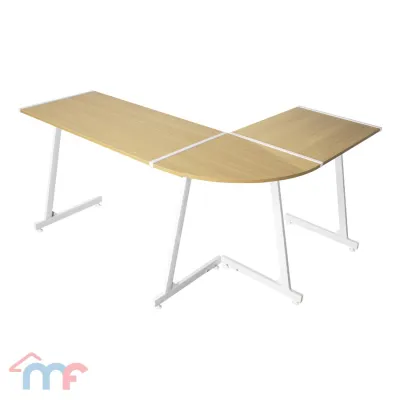
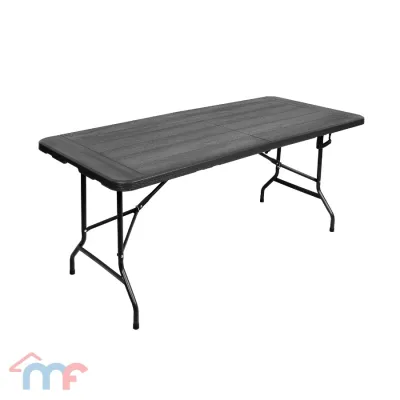
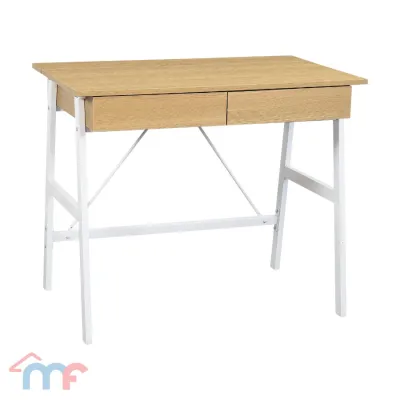
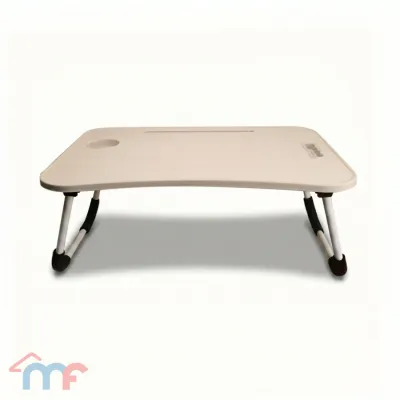
Prices are valid at publication and may change. Please refer to the product page for the latest price.
Your daily workflow dictates the amount of surface area and structural support you actually need. A digital-only professional working on a single laptop requires far less space than a creative designer using multiple monitors, drawing tablets, and physical sketchbooks. Consider whether your tasks involve heavy paperwork, which demands dedicated writing zones, or if your setup is strictly digital.
Mobility and permanence are also key factors in this decision. If you live in a rented apartment or share a multi-purpose living room, you might need a desk that can be easily relocated or tucked away. For those with a dedicated, permanent office room, a heavier, more stable piece of furniture is often the more practical choice.
Standing Desks for Active Workflows
Standing desks are designed for professionals who want to incorporate more physical movement into their daily routine. If you experience back stiffness, neck fatigue, or general lethargy from sitting for eight hours a day, a height-adjustable mandaue table can help you transition smoothly between sitting and standing postures. This active workflow keeps you engaged and helps mitigate the physical strain of prolonged sedentary work.

When selecting a standing desk, you must carefully verify its physical footprint and structural stability. Height-adjustable desks require a clear vertical path, meaning you must check that wall-mounted shelves, window frames, or hanging air conditioning units do not obstruct the desk as it rises. Additionally, check the manufacturer’s specified weight capacity to ensure the frame can support your computer tower, heavy monitors, and desk accessories without wobbling at its maximum height.
You should also evaluate the adjustment mechanism, choosing between manual hand-crank designs and motorized frames. Motorized models offer convenient, push-button transitions but require proximity to a reliable power outlet and careful cable management. Because the desk moves up and down, your power strips and device cables must have enough slack to prevent tension, unplugging, or tripping hazards during height adjustments.
Foldable Tables for Compact and Flexible Spaces
For professionals living in cozy studio apartments, shared rooms, or temporary rentals, a foldable mandaue table offers an incredibly practical and space-saving solution. These tables allow you to transform any corner of your home into a temporary office during working hours and reclaim your living space once the laptop is closed. This flexibility is particularly valuable in multi-purpose rooms where a permanent desk would clutter the layout.
However, choosing a foldable option involves clear functional trade-offs that you must consider. Foldable tables generally offer a smaller surface area and a lower weight capacity compared to their fixed-frame counterparts. They may also exhibit slight stability compromises, especially when placed on uneven tile floors or thick rugs, making them less suitable for heavy desktop computers or multiple monitor mounts.
To ensure a safe and reliable setup, always verify the quality of the folding mechanism and the presence of secure locking features. Inspect the joints, hinges, and leg brackets to confirm they can withstand repeated daily setup and teardown without loosening. It is also wise to check the physical weight of the table itself, ensuring you can comfortably lift, fold, and store the unit without straining your back.
L-Shaped Desks for Multitasking and Corner Setups
If your daily work involves managing multiple screens, organizing physical documents, or handling diverse tasks simultaneously, an L-shaped mandaue table provides the expansive surface area you need. This configuration naturally divides your workspace into two distinct zones, allowing you to keep your computer setup on one side while leaving the other side completely clear for writing, reviewing paperwork, or handling hands-on projects.
The primary advantage of an L-shaped desk is its ability to utilize corner spaces that might otherwise go unused. However, this layout demands a significant amount of floor space and careful room planning. You must measure the corner walls accurately, ensuring the desk does not block doorways, built-in cabinets, or electrical outlets. Additionally, verify that there is ample legroom underneath both sections of the desk, allowing your office chair to rotate freely between the two work zones.
Assembly and structural placement require extra attention when dealing with large, fixed furniture. Check whether the desk features a modular design that can be assembled in either a left-hand or right-hand configuration to match your room’s layout. Because these units are heavy and permanent, consider using floor protectors under the legs to prevent scratching your tiles or wooden laminate flooring during installation and future room rearrangements.
Quick Comparison: Matching Desk Styles to Your Needs
To help you visualize how these three desk types compare, the following table summarizes their key performance characteristics across essential home office criteria:
| Desk Type | Space Efficiency | Multitasking Capacity | Ergonomic Flexibility |
|---|---|---|---|
| Standing Desk | Moderate footprint; requires vertical clearance | Moderate; best for single or dual monitor setups | High; allows seamless transitions between sitting and standing |
| Foldable Table | High; can be stored away completely when not in use | Low to Moderate; best for laptops and light accessories | Low; fixed height requires a highly adjustable office chair |
| L-Shaped Desk | Low footprint; requires a dedicated corner or large wall | High; spacious dual-zone surface for multiple monitors and paperwork | Moderate; fixed height but offers excellent reach and organization |
Choose a Standing Desk if:
- You want to reduce physical fatigue by alternating between sitting and standing throughout your shift.
- You have a dedicated workspace with sufficient vertical clearance and nearby power outlets for a motorized frame.
- Your equipment setup is relatively compact and fits within standard rectangular weight limits.
Choose a Foldable Table if:
- You live in a compact condo, rental room, or shared space where you need to pack away your office daily.
- Your primary work tool is a lightweight laptop, and you do not require heavy external monitors or mounts.
- You need a budget-friendly, highly mobile surface that can double as dining or utility space.
Choose an L-Shaped Desk if:
- You run a multi-monitor setup, handle physical paperwork, or need separate zones for different tasks.
- You have an underutilized corner in a dedicated home office room that can accommodate a large, permanent fixture.
- You prioritize maximum desktop surface area and built-in storage potential over mobility.
Verify first if:
- Your chosen room layout allows for proper door swings, drawer openings, and comfortable chair movement.
- The floor surface is level, as uneven floors can cause standing desks to wobble or foldable tables to feel unstable.
- You have checked the specific load capacities of the desk frame before mounting heavy dual-monitor arms.
Verifying Specifications and Ordering Mandaue Foam Tables
When you are ready to make a purchase, avoid relying solely on product photos. Visit the official Mandaue Foam website, authorized online storefronts, or a physical showroom to check the exact technical specifications of your chosen mandaue table. Pay close attention to the finished dimensions, including the height, width, and depth, and compare them against your home measurements. Check the surface materials and finishes to ensure they can withstand the humidity of the local climate without warping or peeling.
Because home office desks can be bulky and heavy, confirm the delivery logistics and assembly options available in your area. Many larger items require professional assembly to ensure structural integrity and maintain warranty coverage. If you live in a multi-story building or a condominium, verify whether the delivery team has access to a service lift or if they will need to carry the components up stairs, as this may affect delivery fees or scheduling.
Upon delivery, inspect the package and the product thoroughly before signing the receipt. Check the metal frames for any scratches, ensure all hardware and assembly parts are included, and test any moving parts—such as folding hinges or motorized lifting columns. Verifying these details immediately ensures that any manufacturing defects or transit damage can be addressed promptly under the store’s return or warranty policies.
Frequently Asked Questions (FAQ)
Can I convert a standard Mandaue Foam table into a standing desk?
Yes, you can use an aftermarket desktop converter on a standard mandaue table to create a height-adjustable workspace. However, before doing so, you must verify that your existing table has the structural stability and weight capacity to support both the heavy converter and your computer equipment. A dedicated standing desk is generally more stable and offers a cleaner aesthetic, whereas a converter is a practical retrofitting option for solid, fixed-height desks.
How much weight can a typical foldable table support?
The weight capacity of a foldable table varies significantly depending on its frame material, leg design, and locking mechanisms. While some heavy-duty utility models can support substantial weight, lighter residential folding tables are designed primarily for laptops and basic office supplies. Always check the manufacturer’s official specifications for the exact load limit, and avoid placing heavy desktop towers or clamping dual-monitor mounts onto a foldable surface unless it is explicitly rated for such loads.
Do L-shaped desks come in left or right-facing configurations?
Many L-shaped desks feature a modular design that allows you to assemble the longer return on either the left or right side, giving you maximum flexibility during setup. However, some models have a fixed, non-reversible orientation due to pre-drilled holes or built-in drawer units. It is crucial to verify the orientation details in the product description before purchasing to ensure the desk fits your specific corner layout without blocking pathways or windows.

Community discussion
Share your experience or ask a question. Comments are reviewed before publication.