
In the hot and humid Philippine climate, spring-based mattresses (such as innerspring or pocket coil systems) generally stay the coolest, followed closely by natural latex, while traditional memory foam tends to retain the most heat. When shopping for a Mandaue Foam mattress, the key to temperature regulation lies in maximizing airflow through the mattress core and selecting breathable comfort layers. Because high humidity limits how effectively sweat evaporates, choosing a mattress design that actively promotes ventilation is essential for a comfortable night’s sleep.
How Tropical Humidity Affects Mattress Temperature Regulation
In tropical environments like the Philippines, high relative humidity significantly impairs the body’s natural cooling mechanism: sweat evaporation. When the air is already saturated with moisture, perspiration remains on the skin, creating a sticky, uncomfortable sensation. A mattress that traps this moisture against your body will inevitably feel warmer and more humid throughout the night.
Airflow is the primary defense against both heat buildup and moisture accumulation. A mattress with poor ventilation acts as a heat sink, absorbing body heat and radiating it back to the sleeper. Furthermore, trapped moisture in a humid climate creates an ideal breeding ground for mold, mildew, and dust mites, which can degrade the mattress materials and compromise indoor air quality.
Products mentioned in this guide
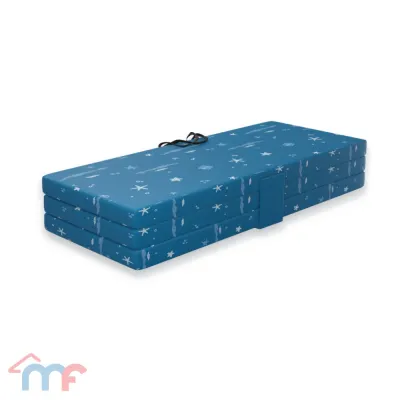
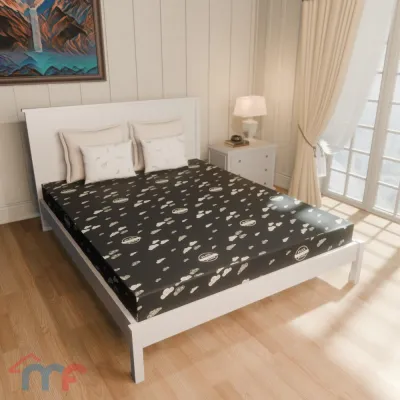
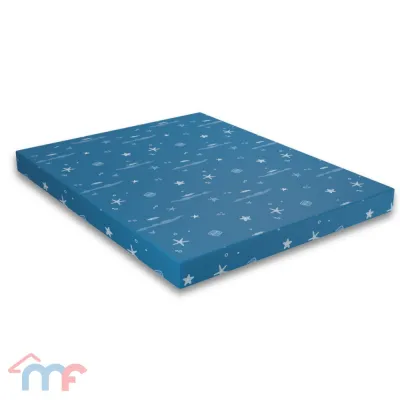

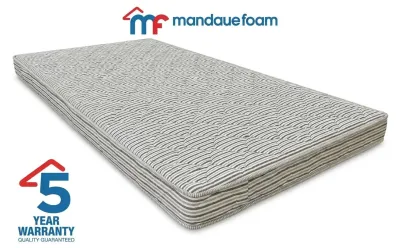
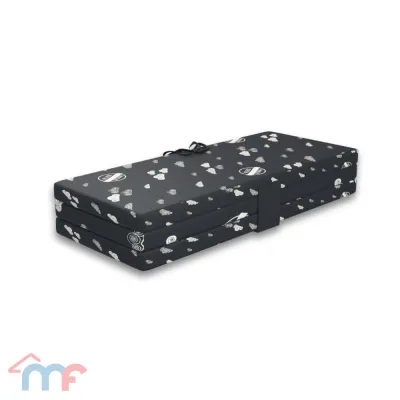
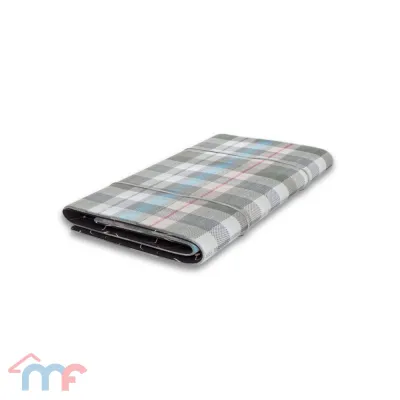
Prices are valid at publication and may change. Please refer to the product page for the latest price.
While the core support system dictates the bulk of a mattress’s airflow, the density of the comfort layers and the composition of the outer cover play equally critical roles. High-density foams restrict air passage, while tightly woven synthetic covers can block ventilation entirely. Evaluating the entire mattress stack—from the top cover to the base—is necessary to ensure consistent heat dissipation.
Comparing Core Materials for Breathability and Cooling
Different mattress materials interact with body heat in distinct ways based on their physical structure. Materials with high thermal conductivity or open physical structures allow heat to move away from the body quickly. Conversely, dense materials with closed-cell structures trap air pockets, which gradually warm up to match your body temperature.

A mattress is rarely made of a single material; it is a system of layers designed for support, pressure relief, and comfort. Even if a mattress features a highly breathable core, a thick, non-breathable top layer can create a barrier that traps heat right next to your skin. Achieving temperature neutrality requires a balanced combination where every layer supports air circulation.
Spring and Pocket Coil Systems
Spring and pocket coil systems inherently offer the highest level of breathability because their support cores consist mostly of open space. Instead of solid blocks of foam, these mattresses utilize steel coils, allowing air to flow freely through the interior of the bed. This open structure facilitates continuous air exchange, helping to dissipate body heat and evaporate accumulated moisture.
Traditional Bonnell spring systems feature interconnected coils that create a completely open internal chamber, offering exceptional ventilation. Individually wrapped pocket springs, or pocket coils, encase each spring in a fabric sleeve. While these fabric sleeves slightly reduce open space compared to Bonnell springs, they still provide significantly better airflow than solid foam cores while offering superior motion isolation.
When evaluating a spring-based Mandaue Foam mattress, it is vital to inspect the thickness and material of the comfort layers or pillow-tops. A mattress with an excellent pocket spring base can still sleep hot if it is topped with a thick layer of dense, traditional memory foam. Look for models that pair spring systems with thin, breathable comfort layers or ventilated latex to preserve the cooling benefits of the coils.
Latex Mattresses
Latex mattresses are highly regarded for their temperature neutrality, largely due to the manufacturing process which creates a pinhole pattern throughout the material. These open channels allow air to circulate vertically and horizontally when you move, pushing warm air out and drawing cooler air in. This structural ventilation makes latex a highly breathable alternative to solid polyurethane foams.
The density of a latex mattress influences both its firmness and its ability to regulate temperature. Higher-density latex provides robust structural support and durability but contains less air space, which can slightly reduce overall breathability compared to lower-density options. When choosing a latex mattress, balance your support needs with the material’s density to ensure adequate airflow.
Natural latex, derived from rubber tree sap, generally features a more open cell structure and superior moisture-wicking properties compared to synthetic, petroleum-based latex. In humid tropical rooms, natural latex tends to stay cooler and drier because it does not trap moisture as easily as synthetic alternatives. Check the product specifications to verify the ratio of natural to synthetic latex in the mattress core.
Memory Foam and Gel-Infused Alternatives
Traditional memory foam, or viscoelastic foam, is notorious for retaining heat because of its dense, closed-cell structure. The material relies on body heat to soften and contour to your shape, which naturally leads to heat accumulation. In a warm, humid climate, this heat-trapping effect can become pronounced, making it difficult for sleepers to cool down without continuous air conditioning.
To address heat retention, manufacturers often incorporate cooling technologies such as gel infusions, copper particles, or open-cell formulations into the memory foam. Gel-infused foams are designed to absorb and dissipate initial body heat, while open-cell structures increase the size of the air pockets within the foam to encourage ventilation. While these technologies improve upon traditional formulations, their cooling effect can still be limited if the surrounding room temperature is high.
Because “cooling” is a broad marketing term, it is essential to inspect the specific product labels and specifications of Mandaue Foam memory foam models. Look for explicit mentions of open-cell technology, gel-bead infusions, or phase-change materials. Verifying these details helps ensure you select a model engineered to handle tropical temperatures rather than relying solely on generic product names.
Essential Cooling Features to Verify Before Purchase
The mattress cover is the layer in direct contact with your body, making its material composition critical for temperature control. When browsing Mandaue Foam options, prioritize covers made from natural, breathable fibers such as cotton or bamboo-derived rayon, which naturally wick away moisture. Alternatively, look for specialized cooling yarns designed to feel cool to the touch and accelerate heat transfer.
A mattress cannot ventilate properly if it is placed on a solid, unbreathable surface that blocks air from escaping through the bottom. Ensure your bed frame utilizes a slatted foundation rather than a solid wooden platform, as slats allow air to circulate underneath the mattress. Additionally, check that the mattress has strong edge support, which prevents sagging and maintains the structural integrity of the internal ventilation channels.
Mattress firmness directly impacts how hot you sleep because of the physical contact area. Softer mattresses allow your body to sink deeply into the comfort layers, wrapping the foam around your torso and limbs and trapping body heat. Firmer mattresses keep you positioned on top of the sleep surface, maximizing the skin surface area exposed to ambient air and facilitating better cooling.
Maintenance Practices for a Cooler Sleep Environment
To maintain the breathability and longevity of your mattress in a humid climate, establish a regular rotation schedule. Rotating the mattress 180 degrees every three to six months prevents localized sagging and allows compressed comfort layers to recover their loft. This practice also helps distribute moisture exposure evenly, preventing damp spots from forming in the areas where you sleep most frequently.
Protecting your mattress from sweat and humidity is crucial, but using a cheap, plastic-backed protector can completely block airflow and turn your bed into a heat trap. Instead, select a high-quality, breathable, waterproof mattress protector that utilizes a polyurethane membrane. These membranes block liquid spills and sweat while allowing microscopic air molecules to pass through, preserving the cooling properties of the mattress.
Even the most breathable mattress requires a supportive room environment to stay cool and dry. Utilize ceiling fans or standing fans to maintain continuous air movement across the bed, which aids in sweat evaporation. In highly humid regions, running an air conditioner or a dehumidifier during the day helps lower the ambient moisture levels, allowing the mattress fibers to dry out completely and maintain their thermal efficiency.
Frequently Asked Questions (FAQ)
Does a firmer Mandaue Foam mattress sleep cooler than a softer one?
Yes, a firmer mattress generally sleeps cooler than a softer one because it limits how deeply your body sinks into the comfort layers. When you sleep on top of a firm surface rather than sinking into it, less material wraps around your body, which minimizes heat retention. This reduced body-to-mattress contact area allows air to circulate more freely around you, helping to dissipate heat and evaporate sweat more efficiently in a tropical climate.
Can I use a cooling mattress topper on a memory foam bed?
Adding a breathable mattress topper, such as one made of ventilated natural latex or gel-infused open-cell foam, can noticeably improve the surface temperature of a hot memory foam bed. However, a topper is only a partial solution; it cannot alter the dense, heat-retaining properties of the thick memory foam core underneath. While it provides a temporary cooling barrier, the underlying mattress may still gradually warm up during long sleep sessions.

Community discussion
Share your experience or ask a question. Comments are reviewed before publication.