
A multifunctional kitchen island is only a valuable addition if its specific features directly resolve your existing workflow bottlenecks and storage deficits. Rather than simply maximizing the number of functions, the goal is to diagnose your daily cooking habits and spatial constraints to identify the exact combination of prep surfaces, shelving, drawers, seating, and mobility that serves your household. This guide will help you evaluate your actual needs and select a configuration that enhances your kitchen without overwhelming the space.
Choosing the right setup requires looking past aesthetic appeal to focus on how you actually move through your kitchen. In many homes, especially where space is at a premium or tropical humidity affects how we store dry goods, a poorly planned island can quickly become an expensive obstacle. By matching specific features—like heavy-duty lockable wheels, deep drawers, or extended countertops—to your daily routine, you can transform a cramped cooking area into an efficient, organized hub.
Assess Your Current Kitchen Workflow and Storage Gaps
To find the right multifunctional kitchen island, start by observing your daily kitchen routine for a few days. Note where you experience the most frustration. If you constantly struggle to find a clear spot to chop vegetables, or if you find yourself running back and forth between the stove and a distant dining table to set down hot pans, your primary bottleneck is prep space and landing zones. On the other hand, if your countertops are permanently crowded with small appliances, rice dispensers, and spice jars, your main issue is storage capacity rather than workspace.
Products mentioned in this guide
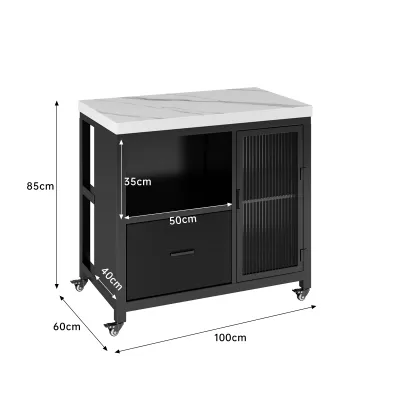
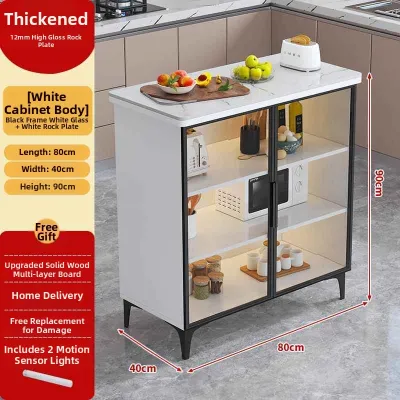
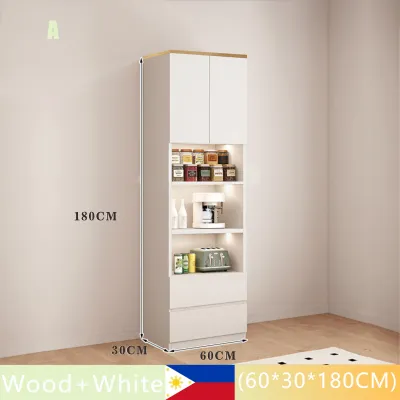
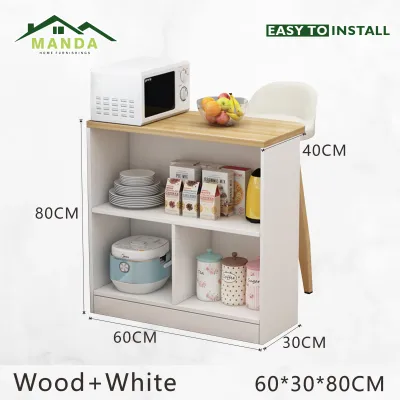
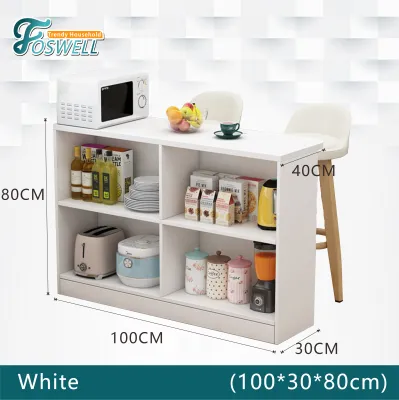
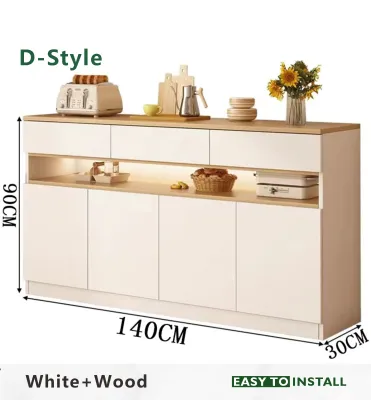
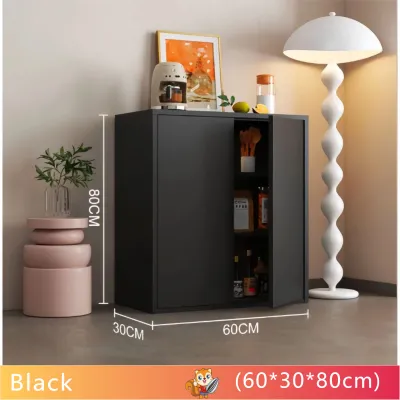
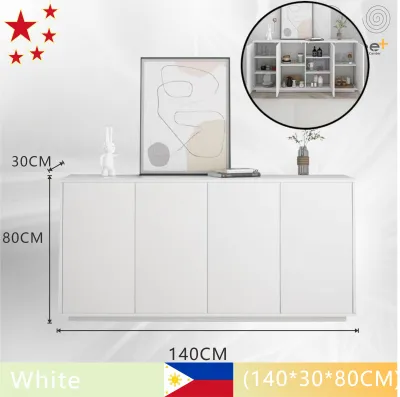
Prices are valid at publication and may change. Please refer to the product page for the latest price.
Your cooking frequency and meal complexity also dictate the features you need. Preparing fresh, multi-course meals daily requires a highly durable, spacious countertop that can withstand constant chopping and cleaning. If your household frequently gathers in the kitchen while meals are being prepared, or if you lack a formal dining area, integrating casual seating might be your top priority.
Additionally, examine your existing cabinetry. Many traditional kitchen layouts suffer from deep, dark corner cabinets or high shelves that are difficult to reach. If you find yourself avoiding certain cabinets because they are inconvenient, a centralized island with highly accessible drawers or open shelving can bring those hidden items back into your daily rotation.
Match Core Functions to Your Identified Needs
Once you have identified your primary kitchen bottlenecks, you can translate these gaps into specific island features. This ensures you invest only in functions that actively improve your daily workflow.

Prep Surfaces and Open Shelving for Active Cookers
For those who cook frequently, the choice of countertop material on your island is critical. If you regularly prepare dishes that involve heavy chopping, marinating, or hot cookware, you need a surface that resists moisture, staining, and heat. Materials like solid wood blocks require regular oiling to prevent warping in humid tropical climates, while stainless steel or engineered stone options offer high durability with minimal maintenance.
Open shelving provides immediate access to frequently used items like mixing bowls, small appliances, or everyday dinnerware. This setup is highly efficient for active cooks who do not want to open doors with messy hands. However, open shelves require a commitment to regular dusting and cleaning, especially in kitchens without high-powered range hoods where airborne grease and moisture can settle quickly on exposed items. If you prefer a low-maintenance kitchen, limit open shelving to items you use and wash daily.
Drawers and Enclosed Storage for Cluttered Kitchens
If your primary goal is to clear visual clutter and protect your kitchenware from dust and pests, enclosed storage is the ideal solution. Deep drawers are highly effective for storing heavy pots, pans, and bulky appliances because they pull out fully, allowing you to lift items straight up rather than bending and reaching into the back of a dark cabinet.
Shallow drawers, conversely, are perfect for organizing cutlery, cooking utensils, spices, and small gadgets. When selecting an island with multiple drawers, pay close attention to the hardware. High-quality drawer slides, such as full-extension ball-bearing glides, ensure smooth operation even when the drawers are fully loaded. In humid environments, check that the drawer materials and runners are treated to resist rust and swelling, which can cause drawers to stick or derail over time.
Seating and Mobile Wheels for Flexible Layouts
Integrating seating into your kitchen island turns it into a social hub, but it requires careful spatial planning. To accommodate stools comfortably, the island countertop must have an overhang. This overhang provides the necessary knee clearance so users do not have to sit sideways or hunch over the counter. Ensure you choose stools that match the height of your island, leaving enough clearance between the seat and the underside of the counter.
For smaller kitchens or open-plan apartments, mobility is a game-changer. A mobile kitchen island equipped with heavy-duty wheels allows you to roll the station to the center of the room for meal prep, and then push it against a wall to clear floor space when hosting guests or doing a deep clean. To ensure safety, look for units with high-quality, lockable casters on at least two wheels to prevent the island from shifting while you are slicing ingredients or kneading dough.
Evaluate Space, Clearance, and Installation Constraints
Before purchasing any multifunctional kitchen island, you must verify that it physically fits your space without disrupting the flow of your kitchen. Walkway clearance is the most critical measurement. As a general rule, maintain a clear pathway of at least 90 to 120 centimeters on all sides of the island. This ensures that you can walk past comfortably, even when appliance doors—such as your oven, refrigerator, or dishwasher—are fully open.
Do not forget to measure the entry points of your home. A large, fully assembled island must be able to pass through your front door, hallways, and kitchen entryways. If you live in a condominium or a multi-story home, measure elevator dimensions and stairwells to avoid delivery failures. If access is tight, look for flat-packed or partially assembled models that can be built directly inside your kitchen.
Finally, consider the structural stability of the unit. Freestanding islands, especially those with narrow bases or heavy seating overhangs, can pose a tipping hazard if they are overloaded on one side. Review the manufacturer’s specified weight limits for shelves, drawers, and countertops. If you plan to store heavy cast-iron cookware or large bags of rice, distribute the weight evenly, placing the heaviest items on the lowest shelves or drawers to maintain a low center of gravity.
Decide on Your Final Feature Combination
With your workflow needs and spatial limits clearly defined, you can now finalize your ideal island configuration. Start by separating your absolute must-have features from the nice-to-have additions. Whether you are budgeting ₱5,000 for a simple rolling cart or significantly more for a semi-custom unit, separating your absolute must-have features from nice-to-have additions prevents overspending on complex functions you will rarely use.
Consider the long-term commitment of your choice. A fixed, built-in island often requires professional installation and can be costly to modify or remove later. In contrast, a freestanding multifunctional cart or island offers excellent flexibility, allowing you to take it with you if you move or rearrange your kitchen layout in the future.
If you find that your kitchen cannot comfortably accommodate the minimum clearance zones, it is wiser to delay your purchase or opt for a folding wall-mounted table rather than forcing a tight fit. A cramped kitchen that restricts your movement will ultimately hinder your cooking experience, no matter how many useful features the island offers. Focus on a solution that matches your actual space, ensuring your new furniture piece brings convenience rather than clutter.
Frequently Asked Questions (FAQ)
Can I add seating to a kitchen island with deep storage drawers?
Combining seating and deep storage drawers on a single island is possible, but it requires a strategic layout. Because deep drawers need space to pull out and users need knee clearance to sit comfortably, you cannot easily place both functions on the same side of the island. A practical solution is to design a split layout: place the deep drawers on the working side of the kitchen facing your stove or sink, and extend the countertop on the opposite side to create a seating overhang. This keeps your storage accessible while keeping stools and knees clear of the drawer mechanisms.
Are mobile kitchen islands stable enough for heavy food prep?
Yes, mobile kitchen islands can be highly stable, provided you select a unit designed for heavy-duty use. Look for models constructed with a solid wood or metal frame and a wide base footprint, which naturally lowers the center of gravity and prevents wobbling. The most critical feature for stability is the caster design; ensure the island uses heavy-duty, industrial-grade wheels with reliable locking mechanisms. Locking the casters before you begin tasks like chopping, kneading, or using a stand mixer will keep the island firmly in place.

Community discussion
Share your experience or ask a question. Comments are reviewed before publication.