
Finding the perfect Nordic kitchen cabinet for your home is a balancing act between minimalist aesthetics and everyday functionality. The clean lines, light wood tones, and functional simplicity of Scandinavian design can transform a cluttered cooking space into a serene haven, but only if the cabinet’s configuration matches your physical layout. To make the right choice, you must look beyond the beautiful exterior and evaluate how you interact with your kitchen daily. The ideal design should seamlessly accommodate your storage habits, complement your room’s traffic flow, and withstand the environmental demands of your home.
Assessing Your Kitchen Layout and Space Constraints
Before browsing online marketplaces or visiting local showrooms, you must establish a precise map of your kitchen’s physical boundaries. Start by measuring the available floor footprint where you plan to position the cabinet, noting any baseboards or wall trim that might push the unit forward. Measure the vertical wall height as well, especially if you are considering a tall hutch or a unit with overhead shelving that could interfere with existing light fixtures, wall outlets, or ceiling fans. It is equally important to measure the distance from the proposed cabinet location to your dining table, kitchen island, or major appliances to ensure there is ample room to move.
Traffic flow is a critical factor that many homeowners overlook until after a delivery truck arrives. You need to identify the door swing clearances of both the new cabinet and nearby appliances, ensuring that an open refrigerator door or oven range will not collide with your buffet cabinet. Walkway widths must remain wide enough for comfortable passage, particularly in high-traffic zones where multiple family members might cook or gather. A good rule of thumb is to maintain a clear path of at least 90 to 120 centimeters in primary walkways to prevent bottlenecks.
Products mentioned in this guide
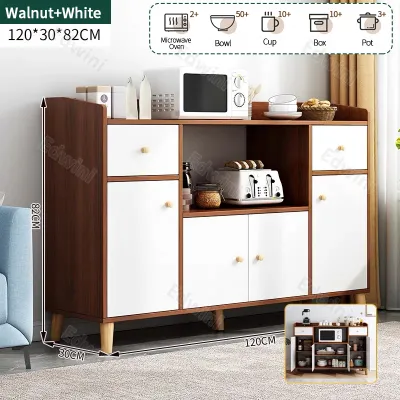
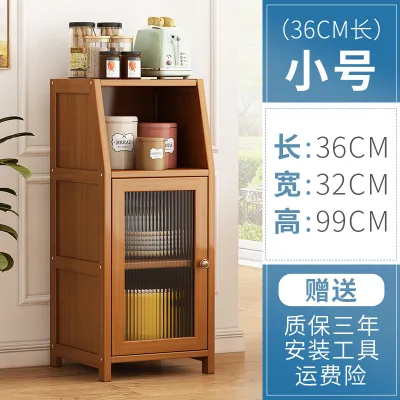
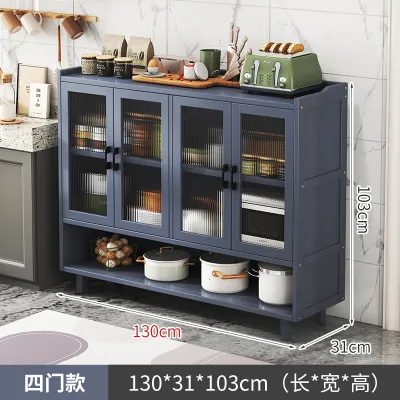
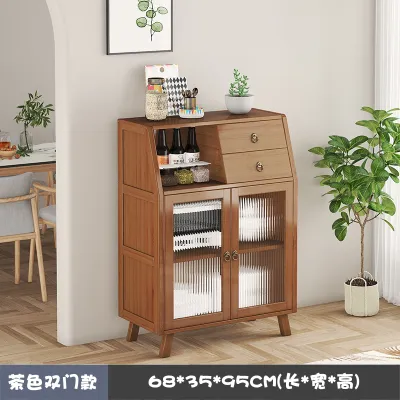
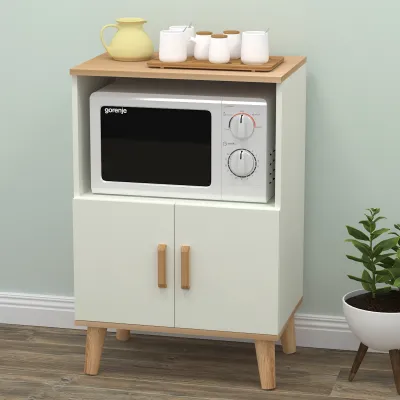
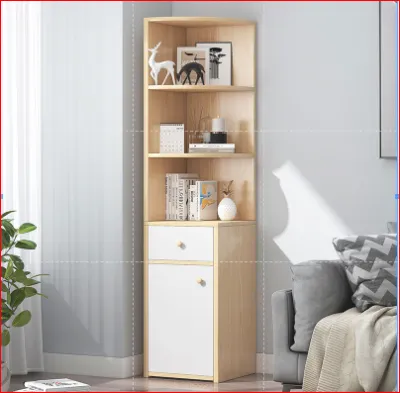
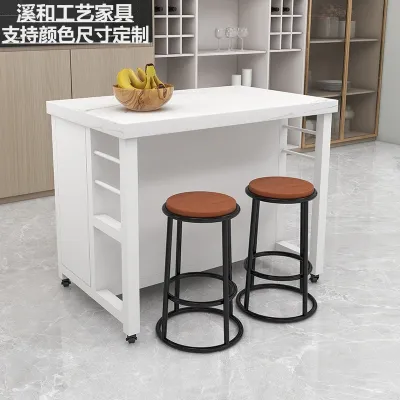
Prices are valid at publication and may change. Please refer to the product page for the latest price.
Finally, define the primary zone your new cabinet will serve to guide your style choice. If the cabinet is positioned near the main cooking area, it will likely function as a prep station or an ingredient pantry, requiring durable, easy-to-clean surfaces. If it sits closer to the dining table, it may serve as a dining overflow station for serving platters, table linens, and extra dinnerware. For open-plan homes, the cabinet often acts as a visual transition piece, where display aesthetics take precedence over heavy-duty utility.
Open Shelving for Compact or Airy Kitchens
Open-shelving Nordic kitchen cabinets are highly favored for their ability to create visual lightness, making them an excellent choice for compact or narrow layouts. In smaller kitchens, solid, bulky furniture can make the room feel cramped and dark. Open shelves break up the visual mass, allowing light to pass through and giving the illusion of a more spacious, airy environment. This style keeps your frequently used items, such as daily coffee mugs, breakfast bowls, and spice jars, within arm’s reach, streamlining your morning routine.

However, this open design demands a high level of organizational discipline and regular maintenance. Without doors to conceal the contents, any mismatched items or cluttered stacks will be on full display, potentially disrupting the clean, minimalist Nordic aesthetic you want to achieve. Additionally, open shelves expose your belongings directly to the surrounding air. In a kitchen environment, this means dust and airborne cooking grease can settle on your plates and glassware, requiring frequent washing and dusting of both the items and the shelves themselves. This style is generally less suitable if the cabinet is positioned directly adjacent to a heavy-cooking zone.
Before purchasing an open-shelf unit, always check the product specifications for shelf depth, bracket load limits, and anchoring requirements. Because the shelves are exposed, ensuring structural stability is paramount to prevent accidental spills or collapses. Verify that the shelf depth is sufficient to hold your largest dinner plates without overhang. You should also check the manufacturer’s guidelines regarding weight limits per shelf, as overloading can cause wooden shelves to sag over time, ruining the clean horizontal lines characteristic of Scandinavian design.
Closed Storage for High-Traffic and Clutter-Heavy Zones
For busy households, active family kitchens, or homes with pets and curious toddlers, a closed-storage Nordic kitchen cabinet is often the most practical solution. Solid wooden doors or opaque panels allow you to conceal everyday clutter, mismatched plastic containers, and bulky small appliances that do not fit the minimalist aesthetic. This design provides a clean, uniform exterior that instantly makes your kitchen look organized, regardless of the chaos hidden behind the doors.
Closed storage offers superior protection for your kitchen essentials compared to open alternatives. In tropical climates where humidity levels fluctuate, or in kitchens with active cooking setups, solid doors act as a barrier against airborne grease, moisture, and dust. This keeps your clean dinnerware, baking supplies, and dry ingredients pristine and ready for use without requiring constant pre-washing. It also keeps delicate items safely out of reach of pets or children who might bump into open displays.
When selecting a closed cabinet, pay close attention to the internal configuration and the physical clearance required for operation. Look for units that feature adjustable internal shelving, which allows you to customize the storage height for tall pots, cereal boxes, or small appliances. You must also verify the door hinge clearance; ensure that swinging doors have enough space to open fully without striking walls, countertops, or other furniture. If space is exceptionally tight, consider designs with sliding doors, which provide the benefits of closed storage without requiring any outward clearance.
Glass-Front Displays for Dining and Entertaining Areas
Glass-front Nordic cabinets offer a beautiful compromise between the airy feel of open shelving and the protective benefits of closed storage. These designs are particularly well-suited for transition zones, such as the boundary between an open-concept kitchen and a dining room. They allow you to showcase curated glassware, heirloom ceramics, or decorative items, adding a touch of personal warmth and sophistication to your entertaining space while keeping dust and pests away from your valued collections.
Safety and structural integrity are critical considerations when choosing a glass-front cabinet, especially in high-traffic areas. You should carefully inspect the product specifications for details on glass thickness and tempering labels. Tempered glass is highly recommended for household furniture, as it is much stronger than standard glass and designed to break into small, blunt pieces rather than sharp shards if an accident occurs. Additionally, ensure the frame surrounding the glass panels is sturdy and stable, preventing any rattling or movement when the cabinet doors are opened and closed.
While glass-front cabinets protect your items from dust, they are less suitable for placement in direct cooking zones. Steam, grease splatter, and rapid temperature changes from nearby stoves or ovens can quickly coat the glass panels in a stubborn film, requiring constant cleaning to maintain their clear, elegant appearance. Keep these cabinets positioned in the dining or dry prep zones of your layout, where they can serve as a focal point for entertaining without being subjected to intense cooking residues.
Essential Dimensions and Clearance Checks Before Purchase
To avoid the frustration of a cabinet that does not fit your space or function properly, you must perform a series of rigorous dimension and clearance checks before finalizing your purchase. Never rely solely on visual estimates from product photos, as camera angles can make furniture appear smaller or larger than it actually is. Compare the manufacturer’s exact product dimensions—width, depth, and height—against your measured floor space. Remember to leave small gaps of at least a few centimeters for wall skirting boards, ventilation, and natural wood expansion in humid environments.
Confirming delivery access is another vital step that is easily overlooked. Measure the width and height of all entryways, including your front door, hallway corners, stairwells, and elevator doors in condominium buildings. If you live in a multi-story home or an apartment complex, ensure the packaged cabinet can navigate tight turns and low ceilings during transport. If the cabinet arrives fully assembled, these measurements are even more critical; for flat-packed units, verify that you have a clear, spacious area in your home to perform the assembly safely.
Finally, check the manufacturer’s stated weight capacity for both the overall unit and individual shelves. A stable Nordic cabinet should have a solid base or robust legs that distribute weight evenly across your flooring. When organizing your cabinet, always place your heaviest items, such as cast-iron cookware, heavy ceramic mixing bowls, or stacks of dinner plates, on the lowest shelves. This lowers the unit’s center of gravity, significantly improving its overall stability and reducing the risk of accidental tipping.
Evaluating Materials and Finishes for Nordic Designs
The signature look of Nordic furniture relies heavily on natural wood grains, matte finishes, and light color palettes, but the durability of these designs depends on the specific materials and surface treatments used. Rather than assuming a cabinet is durable based on a wood name alone, look closely at the product specifications for protective coatings. For kitchen environments, surfaces should ideally feature water-resistant or moisture-resistant finishes that protect the underlying material from accidental spills, condensation, and humidity.
Carefully review the manufacturer’s care instructions to understand how to maintain the finish over time. Matte and natural wood finishes often require gentle cleaning agents and soft cloths; harsh chemical cleaners or abrasive scrubbing pads can strip away protective sealants, leaving the wood vulnerable to staining or moisture damage. If you plan to use the cabinet top as a coffee station or prep area, verify if the surface treatment is rated to handle mild heat and moisture, or plan to use protective coasters and trivets.
Inspect the joint structures, edge banding, and hardware quality described in the product details. High-quality Nordic designs utilize sturdy joinery methods and durable edge banding to prevent moisture from penetrating the edges of engineered wood cores. Check that the drawer runners and door hinges are made of robust metal, preferably with soft-close mechanisms, which reduce physical wear and tear from daily use. Investing a little extra time to verify these construction details ensures your cabinet remains a beautiful and functional centerpiece in your kitchen for years to come.
Frequently Asked Questions (FAQ)
Can I place a Nordic buffet cabinet next to the stove or oven?
It is generally not recommended to place a wooden or finished buffet cabinet directly adjacent to a stove, oven, or other heat-generating appliances. You should always check your appliance manufacturer’s manual for the required clearance distances from combustible materials to prevent heat damage, warping, or discoloration of your cabinet’s finish. If your kitchen layout forces a close placement, consider installing a heat shield or choosing a closed cabinet design with an easy-to-wipe, heat-resistant surface treatment. If you are unsure about local fire safety codes or specific appliance clearances, stop and consult a qualified professional or kitchen installer before positioning your furniture.
How do I prevent a tall buffet cabinet from tipping over?
Securing your freestanding buffet cabinet to the wall is essential for household safety, particularly for tall units or those with heavy upper shelving. Always use the anti-tip hardware and brackets provided by the manufacturer, and carefully follow their step-by-step installation guide. You must identify your specific wall type—such as concrete, brick, or drywall—to select the correct wall anchors and fasteners, as standard screws may not hold securely in all materials. Additionally, always organize your storage by placing the heaviest items on the bottom shelves to maintain a low center of gravity and minimize tipping hazards.
Are open-shelf cabinets suitable for humid climates?
Open-shelf cabinets can be used in humid climates, but they require extra care and consideration. Because open shelves expose your items directly to ambient humidity, they are not ideal for storing unpackaged dry goods or moisture-sensitive items; instead, use airtight glass or ceramic containers to protect your ingredients. Check the manufacturer’s recommended indoor humidity range and ensure your kitchen has adequate ventilation, such as exhaust fans or open windows, to prevent moisture buildup. Regularly wipe down the shelves with a dry or slightly damp microfiber cloth, and monitor the wood or finish for any signs of swelling, warping, or mold.

Community discussion
Share your experience or ask a question. Comments are reviewed before publication.