
Selecting the right wardrobe is a foundational step in organizing any bedroom, and in tropical climates, resin cabinets have become an incredibly popular choice. Known for their resistance to rust, termites, and moisture damage, these durable plastic storage units offer a practical alternative to traditional wooden wardrobes. However, finding the best Orocan cabinet for your clothes is not just about picking an appealing color or design. It requires a systematic approach that balances your actual clothing volume with the physical constraints of your living space.
To make an investment that truly serves your daily routine, you must evaluate how you store your garments, how much floor space you can spare, and how the cabinet’s internal layout aligns with your wardrobe. A cabinet that is too small will lead to cluttered, wrinkled clothes, while one that is too large can overwhelm a compact bedroom and restrict movement. By taking precise measurements and understanding the structural configurations available, you can select a model that keeps your clothes organized, accessible, and well-protected.
Assessing Your Bedroom Space and Clothing Volume
Before browsing an online marketplace or visiting a local home improvement store, the first step is to establish a clear picture of your physical space. Grab a reliable metal tape measure and record the width, depth, and height of the area where you plan to place the cabinet. It is easy to overlook ceiling height, but tall utility or multi-tier cabinets require sufficient vertical clearance, especially during assembly or when maneuvering them into tight corners.
Products mentioned in this guide
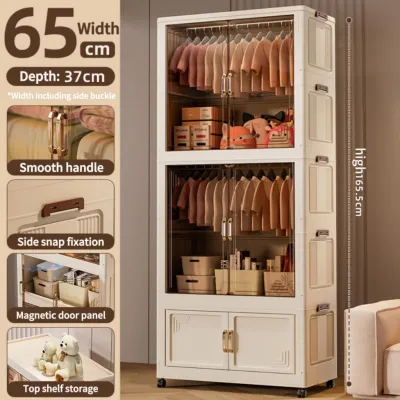




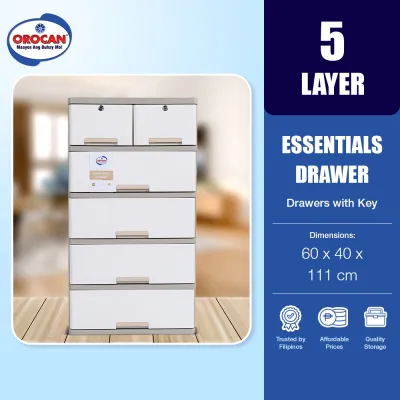
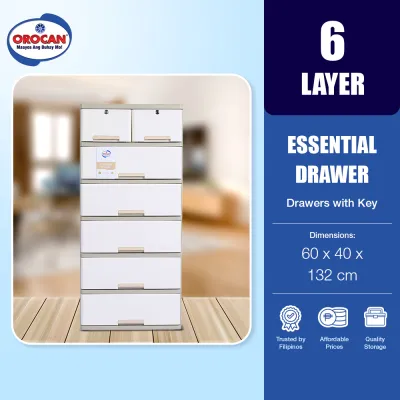

Prices are valid at publication and may change. Please refer to the product page for the latest price.
Equally important is measuring the access path to your bedroom. Take note of the width of your doorways, the clearance in narrow hallways, and the turning radius of any stairwells. Even if a cabinet fits perfectly in your bedroom, it must first survive the journey through your home. If you live in a multi-story house or an apartment building without a service elevator, choosing a modular or flat-packed resin cabinet that you can assemble in place is often much easier than transporting a fully pre-assembled unit.
Next, turn your attention to your actual clothing volume. Instead of guessing, take a structured inventory of your garments. Group your clothes into two primary categories: items that must be hung on hangers and items that can be folded and stacked. Hanging items typically include school or work uniforms, collared shirts, dresses, and delicate fabrics prone to creasing. Folded items encompass t-shirts, shorts, activewear, undergarments, and bed linens. This categorization directly dictates whether you need a cabinet dominated by hanging rods or one featuring multiple drawers and shelves.
Finally, calculate the necessary clearance space around the cabinet’s intended placement area. A common mistake is measuring only the static footprint of the furniture. You must account for the dynamic space required during daily use. Standard cabinet doors swing outward, and drawers slide forward. To ensure you can stand comfortably in front of the cabinet and open it fully without hitting your bed, desk, or adjacent walls, plan for at least 50 to 60 centimeters of unobstructed clearance space directly in front of the unit.
Understanding Orocan Cabinet Configurations
Resin cabinets come in a variety of structural layouts designed to accommodate different storage styles. Understanding these configurations allows you to map your specific wardrobe needs to the right physical design. The most common layouts include single-door, double-door, and multi-door configurations, each offering distinct advantages depending on your room size and organizational habits.

Single-door units are highly compact and serve as excellent space-savers. They are ideal for narrow corners, guest rooms, or as dedicated storage for children’s clothing. Double-door cabinets are the standard choice for most households, providing a wider opening that allows you to view your entire wardrobe at a glance. Multi-door configurations offer separate compartments, which are perfect for organizing different types of clothing or for sharing storage space with a partner without mixing your items.
Beyond the doors, you must choose between drawer-only setups and mixed configurations. Drawer-only units, often referred to as plastic chests of drawers or drawer towers, are highly efficient for folded garments. They keep dust, pests, and ambient moisture away from your clothes while maximizing vertical storage. On the other hand, mixed configurations combine a hanging rod section with lower drawers or side shelves. This hybrid design is highly versatile, allowing you to hang formal wear on top while storing folded casual wear, socks, and accessories in the drawers below.
When evaluating different models, always check the manufacturer’s specifications for internal features. High-quality resin cabinets often include adjustable shelves that can be repositioned to accommodate taller items like boots or folded bedding. Look for models with removable dividers in the drawers, which help keep smaller items organized. Additionally, verify the placement and material of the hanging rod; some models feature reinforced plastic or metal-clad rods designed to handle the weight of hangers without bending.
Matching Cabinet Dimensions to Your Wardrobe Size
Once you have assessed your space and understand the available configurations, you can match the cabinet’s dimensions to your wardrobe size. This step ensures you do not end up with wasted space or an overloaded cabinet that compromises the structural integrity of the resin.
For small spaces and minimal wardrobes, verticality is your best friend. If you are furnishing a studio apartment, a boarding house room, or a small spare bedroom, look for narrow or single-door units with stacked drawers. These designs have a small floor footprint but utilize vertical height to provide ample storage. They are perfect for individuals with a capsule wardrobe consisting mostly of folded casual wear and a few essential hanging items.
For medium spaces and shared wardrobes, standard double-door units offer the best balance. These cabinets typically measure between 60 to 90 centimeters in width, making them suitable for average-sized bedrooms. They provide a practical combination of a hanging rod for daily workwear or school uniforms and lower drawers or side shelves for folded basics. This setup is highly recommended for couples or individuals with a moderate collection of clothes who need a single, cohesive storage solution.
For large collections and master bedrooms, wide or multi-door units are the ideal choice. These spacious cabinets maximize both vertical and horizontal space, offering extensive hanging rods and deep, wide drawers. They can easily accommodate bulky items such as thick blankets, towels, and winter wear alongside your daily wardrobe. If you have a large bedroom, investing in a multi-door resin wardrobe ensures you have room to grow your collection without needing to purchase additional storage units later.
To help you visualize these options, consider this decision matrix based on room width and storage priorities:
- Room Width under 60 cm: Best suited for a slim drawer tower or a single-door cabinet. Focus on folded clothes, activewear, and vertical storage.
- Room Width between 60 and 90 cm: Best suited for a standard double-door cabinet with a mixed hanging and drawer configuration. Ideal for daily wear, uniforms, and balanced storage.
- Room Width over 90 cm: Best suited for a wide multi-door wardrobe or side-by-side modular units. Perfect for large clothing collections, hanging dresses, and master bedrooms.
Pre-Purchase and Placement Checks
Before finalizing your purchase, performing a few pre-purchase and placement checks will save you from potential headaches during installation and daily use. First, verify the exact product dimensions provided by the manufacturer against your measured room layout. Do not rely solely on visual estimates from product photos. When measuring, account for baseboards, wall skirting, and electrical outlets. A cabinet placed directly in front of an outlet can block access to power sources or prevent the unit from sitting flush against the wall, which can compromise its stability.
Next, check the levelness of your bedroom floor. Resin furniture is lightweight, which makes it easy to move but also means it is sensitive to uneven surfaces. If your floor slopes even slightly, a tall plastic cabinet can lean, causing the doors to misalign, gap, or swing open on their own. Use a spirit level to check the spot where the cabinet will stand. If the floor is uneven, you can use thin, non-slip shims under the cabinet’s feet to level it. Additionally, review the manufacturer’s safety instructions regarding stability. If you plan to store heavy items or live in an area prone to seismic activity, check if the cabinet supports anti-tip anchoring to secure it safely to the wall.
Finally, pay close attention to the weight capacity limits of the hanging rods and shelves. While modern resin is incredibly durable and engineered to resist cracking, it is not indestructible. Overloading a shelf with heavy stacks of denim or placing too many heavy jackets on a single hanging rod can cause the material to sag, bow, or stress over time. Always distribute weight evenly, placing heavier items like bed sheets, jeans, and organizers in the bottom drawers to lower the cabinet’s center of gravity and enhance its overall stability.
Frequently Asked Questions (FAQ)
Can plastic cabinets support heavy winter coats and denim?
Yes, high-quality plastic cabinets can support denim and heavier garments, but you must adhere to the manufacturer’s specified load limits. To prevent the hanging rod or shelves from bowing over time, always distribute the weight of your clothes evenly across the entire length of the rod rather than clustering heavy items in the center. If you notice any visible deflection, sagging, or stress marks on the plastic, reduce the load immediately and transfer heavier items, like thick jeans or heavy jackets, to the lower drawers where the weight is supported directly by the base of the cabinet.
How do I prevent musty odors in a closed plastic cabinet?
In tropical, high-humidity environments, moisture can easily become trapped inside closed resin compartments, leading to musty odors or mildew on your clothes. To prevent this, ensure that all garments are completely dry before placing them inside the cabinet. You can place moisture-absorbing silica gel packets, hanging dehumidifier bags, or charcoal odor absorbers on the shelves or inside the drawers. Additionally, make it a habit to leave the cabinet doors open for a few hours during dry, sunny days to allow fresh air to circulate throughout the interior.

Community discussion
Share your experience or ask a question. Comments are reviewed before publication.