
Finding the right wardrobe size for your bedroom is a balancing act between your available floor space and your actual storage needs. In many homes across the Philippines, bedrooms serve multiple purposes, making efficient space utilization a top priority. A durable plastic cabinet, such as an Orocan wardrobe, offers an excellent, moisture-resistant solution for organizing clothes, linens, and personal items. However, bringing home a unit that is too large can make your room feel cramped, while a cabinet that is too small will leave your belongings cluttered and disorganized.
To make an informed decision, you must look beyond the simple aesthetics of the furniture. You need to evaluate the physical dimensions of your room, calculate the clearance required for doors and drawers to open fully, and assess your specific storage habits. By taking a systematic approach to measuring your space and understanding your wardrobe requirements, you can select a cabinet size that fits seamlessly into your bedroom layout while providing optimal storage capacity.
Measure Your Bedroom Space and Door Clearances
Before browsing online marketplaces or visiting a local home improvement store, you must accurately map out the physical limits of your bedroom. Start by using a reliable metal tape measure to find the width and depth of the exact floor area where you plan to position the cabinet. Do not rely on visual estimates, as even a discrepancy of a few centimeters can prevent a cabinet from fitting into a designated nook. Be sure to measure along the floorboards rather than higher up the wall, as baseboards, quarter-rounds, and wall moldings can reduce the actual available floor width.
Products mentioned in this guide

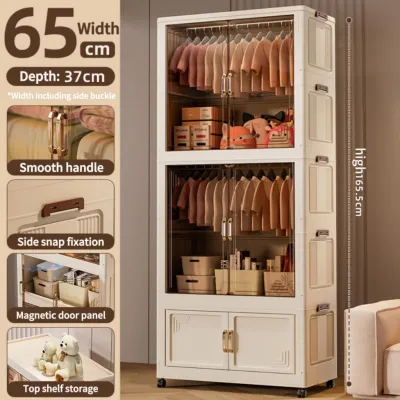

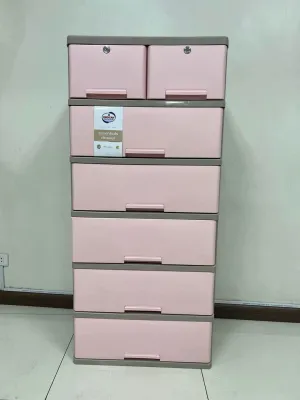
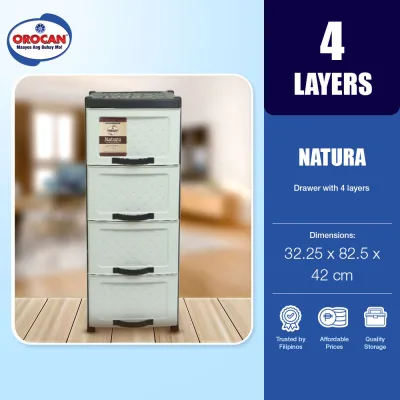
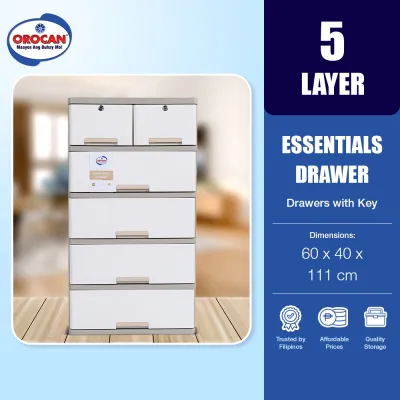
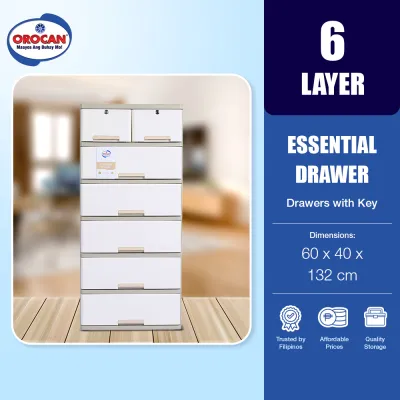
Prices are valid at publication and may change. Please refer to the product page for the latest price.
Vertical space is equally important when selecting bedroom furniture. Measure the distance from the floor to your ceiling, taking note of any potential obstructions such as low-hanging ceiling fans, light fixtures, decorative crown moldings, or air conditioning units. If you plan to store lightweight storage boxes or plastic organizers on top of your cabinet, you will need to leave at least thirty centimeters of clearance between the top of the unit and the ceiling to access those items comfortably.
A common mistake when planning furniture placement is overlooking the space required for the cabinet to function. If you choose a model with traditional hinged doors, you must calculate the door swing radius to ensure they can open fully without striking your bed frame, bedside tables, or bedroom door. For cabinets equipped with bottom drawers, measure the depth of the drawers when fully extended, and add at least forty centimeters of standing room in front of them so you can comfortably bend down and retrieve your items.
Finally, you must plan the delivery route from your home’s entrance to the bedroom. Measure the width and height of all entryways, narrow hallways, stairwells, and tight corners that the delivery team or you will need to navigate. Plastic cabinets are often delivered either fully assembled or in large, heavy flat-pack boxes. Ensuring that these packages can clear every doorway and turn along the path prevents the frustration of having a brand-new cabinet stuck in your living room because it cannot fit through the bedroom door.
Match Orocan Cabinet Dimensions to Your Storage Needs
Once you have established the physical boundaries of your bedroom, the next step is to evaluate your personal storage habits. Take a close look at your current wardrobe and categorize your clothing items. If your daily wear consists primarily of corporate uniforms, dresses, collared shirts, or delicate fabrics that wrinkle easily, you will require a cabinet configuration that features a sturdy, full-width internal hanging rod. This setup prevents creasing but reduces the overall volume of folded storage space available.

Conversely, if your wardrobe is dominated by casual t-shirts, athletic wear, jeans, and folded linens, a cabinet with multiple shelves or built-in drawers will be far more practical. Shelves allow you to stack items vertically, maximizing the internal volume of the cabinet. For shared bedrooms, such as those occupied by couples or siblings, a multi-compartment cabinet with a clear division of shelves and drawers helps maintain organization and prevents daily clutter from mixing.
You must also account for seasonal storage and household items that tend to accumulate in the bedroom. In tropical climates like the Philippines, you may need dedicated space to store heavy blankets, extra pillows, and rainy-day gear during the hot dry season. If your bedroom lacks a separate linen closet, your wardrobe cabinet will likely need to accommodate these bulky items, which means you should opt for a deeper and wider model than what is required for your daily clothing alone.
To ensure you select the correct size, compare your calculated storage needs against the manufacturer’s official external dimensions and internal compartment specifications. Avoid making assumptions based on product photos, as perspective can often make a cabinet appear larger or deeper than it actually is. Check the detailed product descriptions on authorized retail sites to verify the exact height, width, and depth of the compartments before making your final purchase.
Choose the Right Door Configuration for Your Room Layout
The door configuration of your cabinet plays a critical role in how easily you can access your clothes and how smoothly traffic flows through your bedroom. Traditional hinged doors are highly popular because they swing open completely, giving you an unobstructed view of your entire wardrobe at once. However, this configuration demands a significant amount of open floor space directly in front of the cabinet, which may not be feasible in compact or narrow bedrooms.
If your bedroom layout is tight and the cabinet must be placed close to the foot of your bed or near a doorway, consider alternative configurations. Some plastic cabinets feature sliding doors or roll-up fronts that do not require any external clearance to open. These designs allow you to place other furniture, such as a study desk or a laundry hamper, much closer to the cabinet without restricting your access to your clothes.
The number of doors on the cabinet also affects its daily usability. A single-door cabinet is highly compact and ideal for small guest rooms or tight corners, but it offers limited storage. A double-door or triple-door cabinet provides a more balanced layout, allowing you to organize your belongings into separate zones—such as hanging space on one side and folded shelves on the other. When choosing a multi-door model, ensure that the doors swing in a direction that does not block natural walking paths or interfere with nearby light switches.
Verify Delivery, Assembly, and Placement Conditions
Before your new cabinet arrives, you must prepare the physical environment of your bedroom to ensure a safe and successful setup. If the cabinet is delivered as a flat-pack unit, clear a spacious, clean area on your bedroom floor for on-site assembly. Assembling plastic furniture requires sufficient room to lay out the panels, align the interlocking joints, and apply steady pressure to secure the pieces together. Working in a cramped space increases the risk of misaligning the parts or accidentally scratching your bedroom walls.
The stability of your cabinet depends heavily on the levelness of your bedroom floor. Uneven floors, which are common in older homes or rooms with uneven tiling, can cause a plastic cabinet to lean slightly. This lean can put uneven stress on the frame, causing the doors to sag, misalign, or fail to latch properly. Use a spirit level to check the floor surface, and if you detect any slope, use stable, manufacturer-approved shims to level the base of the cabinet. For taller models, always refer to the manufacturer’s instructions regarding wall anchoring to prevent the unit from tipping over.
In the humid tropical climate of the Philippines, proper moisture management is essential to protect both your furniture and your clothing. While high-quality plastic cabinets are highly resistant to water damage, rot, and pests, trapped moisture inside a closed cabinet can still lead to musty odors and mold growth on fabrics. To prevent this, position your cabinet at least five to ten centimeters away from the bedroom wall to allow for continuous air circulation. Regularly wipe down the interior shelves with a dry cloth, and follow the manufacturer’s care guidelines to keep your storage environment clean and dry.
Frequently Asked Questions (FAQ)
Can I place two smaller cabinets side by side instead of one large unit?
Placing two smaller cabinets side by side is an excellent way to customize your bedroom storage, especially if you have an unconventional room layout. Before purchasing, verify that both units have identical heights, depths, and design profiles to ensure they align seamlessly and look cohesive. You must also pay close attention to the door hinges; ensure there is sufficient clearance so that the doors of both units do not collide or block access when opened simultaneously. Finally, check the manufacturer’s safety guidelines to confirm that placing the units adjacent to each other does not compromise their individual stability or violate any warranty terms.
How do I protect the cabinet from moisture in a humid bedroom?
To safeguard your cabinet and clothing from tropical humidity, always maintain a gap of at least five to ten centimeters between the back of the cabinet and the wall to promote healthy airflow. Avoid placing damp or partially dried clothes inside the cabinet, as trapped moisture quickly leads to mildew and unpleasant odors. Clean the interior surfaces periodically using a soft, dry microfiber cloth in accordance with the manufacturer’s care instructions. For extra protection, you can place disposable moisture-absorbing tubs or silica gel packets on the shelves, making sure to monitor and replace them regularly as they accumulate water.

Community discussion
Share your experience or ask a question. Comments are reviewed before publication.