
Finding the right lagyan ng sapatos (shoe organizer) for your closet is more than just a matter of aesthetics; it is about maximizing every square centimeter of your storage space while protecting your footwear collection. In a standard closet, there is no one-size-fits-all solution. The ideal organizer depends heavily on your closet’s physical layout, door style, and the specific types of shoes you own. For instance, narrow closets with ample vertical clearance benefit greatly from hanging organizers, while wide reach-in or walk-in closets are perfect candidates for stackable floor racks. Meanwhile, deep custom wardrobes can be fully optimized with smooth pull-out shelves.
In tropical climates like the Philippines, choosing the right organizer also involves managing high humidity and dust. Shoes stored in dark, unventilated corners are highly susceptible to mold, mildew, and material peeling. Therefore, your choice of organizer must not only fit the physical dimensions of your closet but also promote adequate airflow to keep your footwear dry and preserved. By understanding the structural limits of your wardrobe and measuring your space accurately, you can select a system that keeps your shoes organized, accessible, and in pristine condition.
Measure Your Closet Space and Identify Constraints
Before browsing online marketplaces or visiting local furniture showrooms, you must gather precise measurements of your closet’s interior. Relying on visual estimates often leads to purchasing organizers that block doors, sag under weight, or leave unusable dead space. To begin, clear out your closet floor and hanging areas so you can access the bare walls and floor. Use a reliable steel tape measure to record the three essential dimensions: usable width, depth, and height.
Products mentioned in this guide
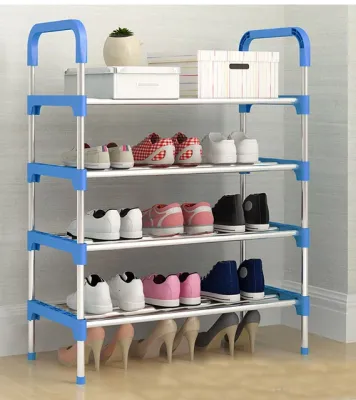
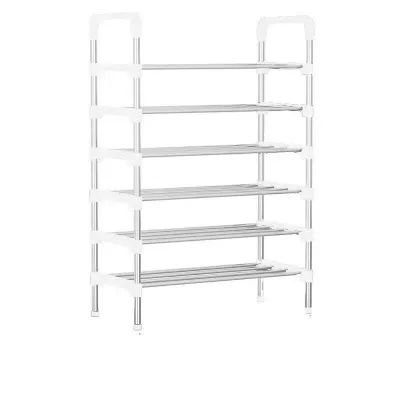
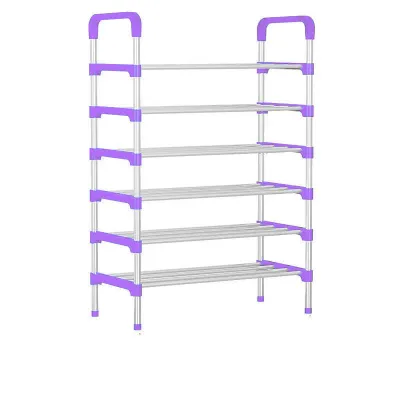
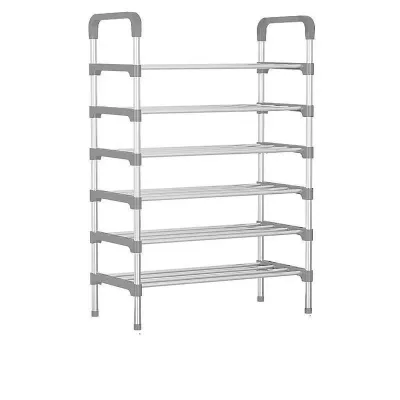
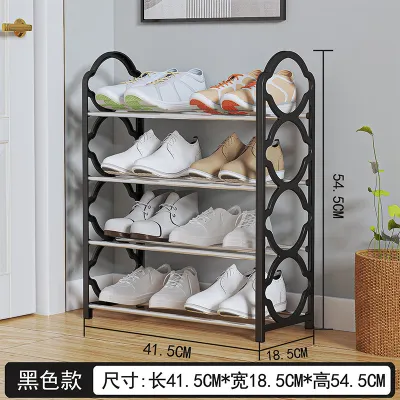
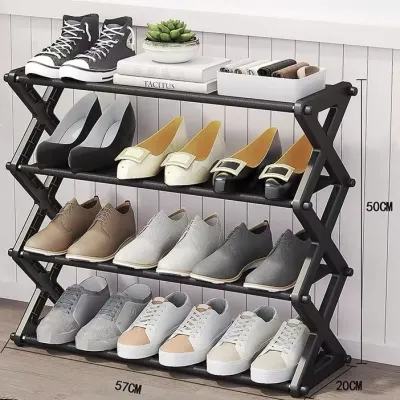
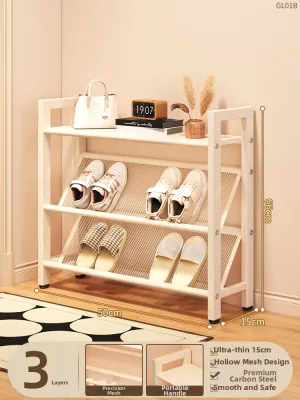
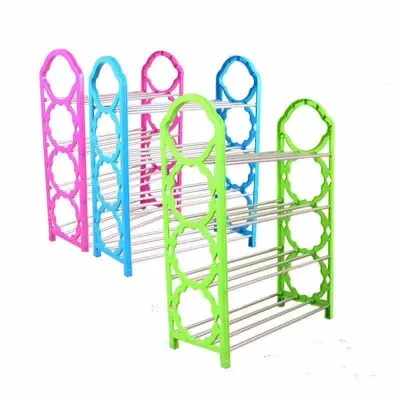
Prices are valid at publication and may change. Please refer to the product page for the latest price.
When measuring width, measure from the inside of the left wall to the inside of the right wall, rather than just the door opening. For depth, measure from the back wall to the inside of the door frame. This is crucial because hanging clothes typically require 55 to 60 centimeters of depth; any shoe organizer placed on the floor must not extend past this boundary, or it will interfere with how your clothes hang. For height, measure from the floor to the underside of your lowest hanging garments or existing shelves to determine the exact vertical clearance available for floor-based storage.
Next, evaluate the physical constraints of your closet doors. Hinged doors that swing inward can restrict floor space, while sliding doors limit access to one side of the closet at a time. Bi-fold doors run on tracks that often protrude slightly into the closet opening, which can catch on the edges of wide shoe racks. Ensure that any floor-based lagyan ng sapatos leaves enough clearance for these door mechanisms to operate smoothly without scraping or jamming.
Finally, consider the structural integrity of your closet components. If you plan to use a hanging organizer, inspect your closet rod. A wooden or heavy-duty metal rod securely anchored into wall studs can handle significant weight, whereas a thin, telescoping tension rod may bend or collapse under a heavy load. If you are leaning toward wall-mounted or pull-out options, locate the wall studs or verify the thickness of your wardrobe’s side panels to ensure they can support the necessary mounting hardware and slide rails.
Hanging Organizers: Maximizing Vertical Space in Narrow Closets
Hanging shoe organizers are an exceptionally practical choice for narrow reach-in closets, shared wardrobes, or compact living spaces where floor area is highly limited. By utilizing the vertical space directly below your closet rod, these organizers keep your shoes off the floor, making it easier to sweep, vacuum, and keep the closet base tidy. They are particularly useful if you have a high closet rod with a significant amount of empty space beneath shorter hanging items like shirts and folded trousers.

Before installing a hanging organizer, you must verify the weight capacity of your closet rod and ensure the unit’s height is compatible with your layout. A standard ten-tier hanging organizer loaded with ten pairs of shoes can easily weigh between 5 to 10 kilograms. If your closet rod is already sagging under the weight of heavy garments, adding a hanging shoe unit could cause structural failure. Additionally, measure the length of the organizer to ensure it does not drag on the floor, which can trap dust and make the bottom compartments difficult to access.
When evaluating hanging organizers, pay close attention to material quality and structural design. Look for units featuring wide, heavy-duty hook-and-loop straps or sturdy steel hooks that distribute weight evenly across the rod. The shelves or pockets should be reinforced with rigid inserts, such as thick cardboard or lightweight plastic panels, to prevent them from sagging over time. In humid environments, prioritize breathable materials like non-woven fabric, canvas, or mesh pockets. These materials allow air to circulate freely around your shoes, reducing moisture buildup and preventing the growth of mold and unpleasant odors.
Despite their convenience, hanging organizers do have clear limitations. They are generally unsuitable for heavy, bulky footwear such as work boots, thick platform sneakers, or high-heeled shoes, which can stretch the fabric, tear the seams, or puncture the pockets. They also consume valuable horizontal rod space, meaning you will have less room to hang your clothes. If your wardrobe is already tightly packed with hanging garments, a hanging organizer may compress your clothes, leading to wrinkles and restricted airflow.
Stackable Racks: Utilizing Floor Space in Wide or Walk-In Closets
For closets with wide floor plans, walk-in layouts, or open areas beneath hanging rods, stackable shoe racks offer an incredibly versatile and scalable storage solution. These freestanding units allow you to utilize the entire width of your closet floor, keeping your footwear neatly lined up and easily visible. Because they are modular, you can start with a basic two-tier setup and add additional layers as your footwear collection expands, making them a highly adaptable choice for growing households.
To ensure a stackable rack fits your closet floor layout, you must measure the footprint of the area carefully. While most standard shoe racks have a depth of 30 to 35 centimeters, the actual shoes stored on them may overhang by several centimeters, especially larger sizes. Ensure that this total depth does not obstruct sliding door tracks, bi-fold doors, or the walking path inside a walk-in closet. Additionally, check that the height of the rack, when fully stacked, leaves enough clearance below your hanging clothes so that garments do not drag on top of your shoes.
Stability is a critical factor when configuring stackable racks, particularly as you build upward. Always verify the quality of the interlocking mechanisms or connectors provided by the manufacturer. Lightweight plastic or thin wire frames can become top-heavy and unstable if stacked more than three or four tiers high. To prevent tip-over accidents, place your heaviest footwear, such as boots and thick-soled sneakers, on the bottom shelves to lower the center of gravity. If you plan to stack a rack higher than chest level, look for units that include wall-anchoring hardware to secure the frame to the wall studs.
Adjustability and material selection are also vital for long-term satisfaction. Look for modular designs that feature removable shelves or adjustable heights, allowing you to customize individual tiers for tall boots, high heels, or flat sandals. In tropical climates, material durability is a key consideration. Untreated wood can absorb moisture and harbor mold, while cheap metal wire can rust if exposed to damp shoes. Opt for rust-resistant metal alloys, treated bamboo, or high-density plastic racks. These materials are easy to wipe clean, resist moisture, and feature open-slat designs that promote maximum airflow around your shoes.
Pull-Out Shelves: Optimizing Deep or Custom Closet Interiors
Pull-out shoe shelves represent the pinnacle of convenience and space optimization, particularly for deep reach-in closets, custom wardrobe systems, or deep corner spaces where shoes often get lost in the shadows. By mounting shelves on smooth-gliding drawer slides, you can pull the entire shoe display out into the light, allowing you to easily view and select pairs stored at the very back of the cabinet. This system eliminates the need to bend down and blindly rummage through dark floor corners.
Installing pull-out shelves requires strict adherence to depth and clearance requirements. The interior depth of your closet cabinet must be sufficient to accommodate the full length of the drawer slides when closed, which typically requires at least 35 to 45 centimeters of clear depth. Furthermore, you must ensure there is ample unobstructed space in front of the closet. The shelf must be able to extend fully without colliding with open closet doors, nearby bedroom furniture, or adjacent walls.
The installation process for pull-out shelves is more demanding than for freestanding or hanging options, requiring a solid structural foundation. You must verify that the side walls or partition panels of your wardrobe are strong enough to support the weight of the heavy-duty slide rails, the shelf itself, and multiple pairs of shoes. Using a spirit level during installation is non-negotiable; if the rails are even slightly uneven, the shelves may slide open on their own or bind and stick when you try to pull them out. Additionally, check that the slide hardware clears any door hinges or frame moldings when extending.
While pull-out shelves offer unmatched accessibility and a clean, built-in aesthetic, they do come with notable trade-offs. They require a higher initial investment in quality hardware, precise measurements, and basic DIY skills or professional installation. Because they are permanently mounted to the cabinet walls, they offer less flexibility than freestanding racks; you cannot easily move or reconfigure them if you decide to rearrange your closet layout in the future.
Decision Guide: Matching Your Closet Profile to the Right Organizer
To finalize your choice, it is helpful to match your specific closet profile and footwear needs to the strengths of each organizer type. If you have a narrow closet with limited floor space and a light collection of daily footwear, a hanging organizer is the most efficient and budget-friendly way to utilize your vertical space. If you have a wide closet floor, a walk-in wardrobe, or a large, diverse shoe collection, stackable racks provide the stability, capacity, and modular flexibility you need. For deep, custom wardrobes where maximum visibility and premium convenience are your priorities, investing in pull-out shelves is the ideal solution.
In many cases, the most effective lagyan ng sapatos system is a combination of different organizer types. For example, you can hang a lightweight fabric organizer on your closet rod to store flat sandals, slippers, and canvas shoes, while placing a sturdy, low-profile stackable rack on the floor beneath your hanging clothes to hold heavy boots and athletic sneakers. This hybrid approach keeps your daily essentials within arm’s reach while ensuring heavier footwear is safely supported on a solid foundation.
Before making your final purchase from an online marketplace or local home improvement store, run through this pre-purchase checklist to ensure a perfect fit:
- Double-check your closet's interior measurements against the product's finished dimensions, leaving a 2 to 3 centimeter buffer for easy installation and clearance.
- Verify the return policy of the seller in case the organizer does not fit your layout as expected.
- Ensure you have all the necessary tools, such as a drill, level, and wall anchors, if you are installing wall-mounted or pull-out systems.
- Confirm that the materials are suitable for your home's humidity levels to prevent mold and rust.
Frequently Asked Questions (FAQ)
How Many Shoes Can a Hanging Organizer Safely Hold?
The safe capacity of a hanging organizer depends on the pocket size, the weight of your footwear, and the load limit of your closet rod, rather than just the number of compartments. A standard ten-shelf hanging unit is generally designed to hold ten pairs of lightweight shoes, such as flats, sandals, or canvas slip-ons. However, loading it entirely with heavy leather boots or bulky athletic sneakers can strain the fabric seams, stretch the hanging straps, and cause your closet rod to sag or pull away from the wall. To maintain structural safety, distribute the weight evenly by placing heavier shoes in the middle or bottom compartments and lighter pairs at the top, and avoid overloading the unit beyond its structural limits.
Will a Freestanding Rack Fit Inside a Standard Reach-In Closet?
Yes, a freestanding rack can fit inside a standard reach-in closet, but you must account for door clearance and accessibility. Many reach-in closets feature sliding or bi-fold doors that do not open fully, leaving the outer corners of the closet floor difficult to reach. When selecting a rack, measure the actual width of the door opening rather than the wall-to-wall interior width to ensure you can physically place the rack inside. Opt for a low-profile, two- or three-tier rack that sits comfortably beneath your hanging clothes, and ensure its depth does not obstruct sliding door tracks or prevent hinged doors from closing completely.

Community discussion
Share your experience or ask a question. Comments are reviewed before publication.