
Finding the right shoes stand for your closet setup in the Philippines requires balancing space constraints, shoe styles, and tropical climate challenges. High humidity and seasonal rains mean your footwear storage must do more than just keep pairs organized; it must also protect your investment from mold, dust, and structural damage. Whether you are managing a compact condo wardrobe in Metro Manila or a spacious walk-in closet in a suburban home, selecting the most suitable organizer depends on matching your physical space with the specific demands of your footwear collection.
To make an informed decision, you must evaluate how much floor or vertical space you can spare, how many pairs of shoes you need to store, and how often you access each pair. A mismatched shoe organizer can lead to cramped closets, damaged heels, or unstable racks that pose safety hazards. By systematically assessing your storage area and comparing the structural designs of stackable, hanging, and freestanding units, you can establish an organized, accessible, and highly functional closet system.
Assessing Your Closet Space and Shoe Collection
Before browsing online marketplaces or visiting local furniture showrooms, you must establish the physical boundaries of your closet. Begin by using a standard measuring tape to record the width, depth, and height of the available floor space inside your wardrobe. If you plan to place a shoes stand on an existing shelf, measure the vertical clearance between shelves to ensure the unit will fit without blocking other storage compartments. Do not forget to account for door clearance; sliding doors, bifold doors, and traditional hinged doors all have unique swing paths that can restrict access to the outer edges of your closet floor.
Products mentioned in this guide
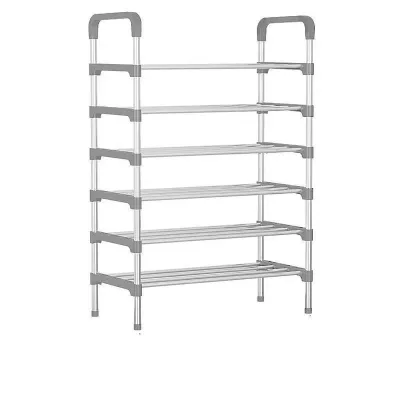
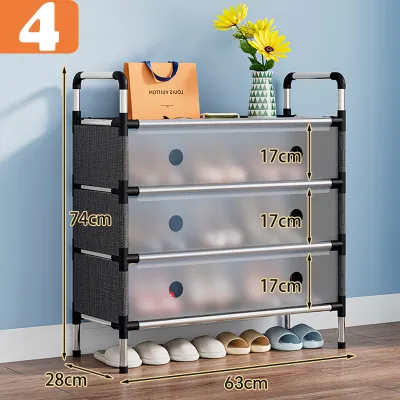
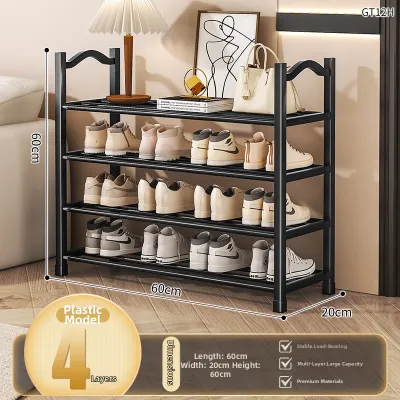
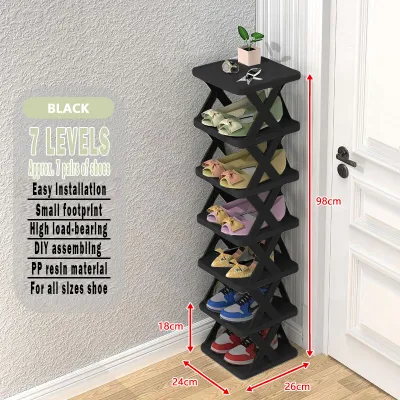
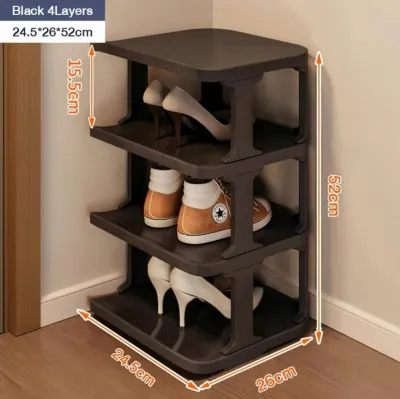
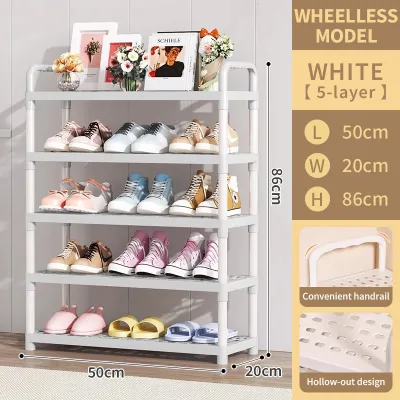
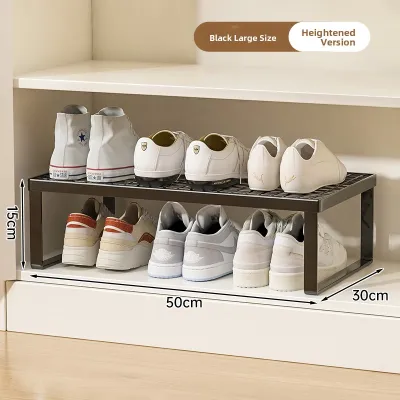
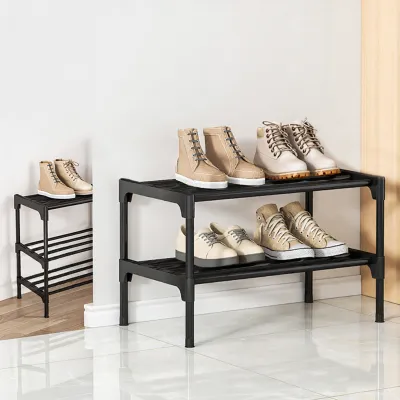
Prices are valid at publication and may change. Please refer to the product page for the latest price.
Next, categorize your shoe collection by type and frequency of use to determine how accessible each pair needs to be. Group your footwear into daily essentials—such as school shoes, office heels, or casual sneakers—and occasional items like formal dress shoes, hiking boots, or seasonal sandals. In the Philippines, daily footwear often encounters outdoor dust, mud, and rainwater, meaning these pairs should reside on easy-to-clean, highly accessible lower tiers. Occasional or delicate leather shoes, which require protection from dust and moisture, are better suited for higher shelves or enclosed compartments where they can remain undisturbed.
Finally, calculate the total number of pairs you intend to store to estimate the required capacity of your new shoes stand. To do this accurately, line up your shoes side-by-side and measure the average width of a single pair; sneakers and wide-soled boots naturally occupy more horizontal space than slim flats or slippers. Divide your total closet width by this average pair width to determine how many shoes can fit on a single tier. This simple calculation will reveal exactly how many vertical tiers or individual slots your shoe stand must have to accommodate your entire collection without overcrowding.
Comparing Shoes Stand Styles for Different Setups
Different closet configurations demand distinct storage strategies, and choosing the wrong style can disrupt both your daily routine and the traffic flow of your room. A well-integrated shoes stand should complement your closet’s layout, allowing you to retrieve your footwear quickly without blocking walkways or interfering with hanging clothes. The three primary styles—stackable tiered racks, hanging organizers, and freestanding modular units—each interact with closet dimensions and daily traffic in unique ways.

When selecting a style, you must weigh the trade-offs between accessibility, space efficiency, and visual clutter. Open-air racks provide immediate visibility and quick retrieval, making them highly convenient for busy mornings, but they can look visually chaotic if your shoes are not neatly arranged. Enclosed or hanging systems offer a cleaner, more streamlined aesthetic by keeping footwear out of sight, but they may limit airflow and accommodate fewer bulky or structured shoes. Balancing these factors ensures your storage solution remains practical for your lifestyle while maintaining the visual harmony of your bedroom.
Stackable and Tiered Shoes Stands
Stackable and tiered shoes stands are highly versatile options, making them excellent for large shoe collections, wide closet floors, or deep wardrobe shelves. These multi-level racks allow you to maximize vertical space by stacking multiple tiers on top of one another, effectively doubling or tripling your storage capacity within the same floor footprint. Many models feature expandable horizontal bars, allowing you to adjust the width of the stand to fit the exact dimensions of your closet floor as your collection grows.
Before purchasing a tiered rack, you must perform several physical checks to ensure compatibility with your footwear. Measure the vertical clearance between the tiers; high heels, ankle boots, and high-top sneakers require more height than flat sandals or slippers. If the tiers are too narrow, you may find yourself forcing shoes into tight spaces, which can scuff delicate materials or bend shoe collars. Additionally, check the stability of the base when the unit is fully loaded; lightweight plastic or thin metal frames can wobble or sag under the weight of multiple pairs of heavy leather shoes or thick-soled sneakers.
While highly functional, tiered stands do have specific limitations that you should consider. Because they keep your footwear fully exposed, an unorganized rack can quickly contribute to visual clutter inside your closet. They also typically require manual assembly, so you must verify whether the package includes clear instructions and necessary hardware. To maintain a clean look, ensure the stand aligns neatly with your existing closet partitions and that you have sufficient room to reach the back corners of the lower shelves.
Hanging and Over-the-Door Organizers
Hanging and over-the-door organizers are practical space-saving solutions for small closets, rental properties, or minimalist wardrobes where floor space is extremely limited. These organizers utilize underused vertical zones, hanging directly from your closet’s clothing rod or mounting over the back of the closet door. They are particularly well-suited for storing lightweight, flexible footwear such as flat sandals, canvas slip-ons, house slippers, and athletic flats, keeping them off the floor and neatly categorized.
To ensure a hanging organizer works in your setup, you must check several structural specifications before buying. First, verify the weight capacity of your closet rod or door hinges; hanging a heavy organizer filled with shoes can strain these supports, potentially causing closet rods to bow or doors to sag and drag against the floor. Second, measure the thickness of your closet door to ensure the included over-the-door hooks will fit securely without preventing the door from closing completely. Finally, check the dimensions of the individual pockets or compartments to confirm they are wide and deep enough to hold your specific shoe sizes without crushing them.
The primary limitation of hanging organizers is their inability to support heavy, structured, or bulky footwear. Thick leather boots, platform heels, and heavy-duty running shoes can easily stretch out fabric pockets, tear seams, or cause the entire organizer to tilt awkwardly. Overloading a door-mounted unit can also create loud banging noises every time you open or close the closet door, which can become frustrating over time. For these reasons, hanging organizers are best used as complementary storage for lightweight shoes rather than a primary solution for a diverse, heavy collection.
Freestanding and Modular Units
Freestanding and modular shoes stands offer a premium, highly customizable storage solution, making them well-suited for walk-in closets, spacious entryways, or users who desire a clean mix of open and concealed storage. These units often resemble independent cabinets, cubbies, or interlocking plastic cubes that you can configure in various shapes to fit your specific closet layout. They provide strong structural support and can easily accommodate a wide variety of footwear, from delicate dress shoes to heavy work boots.
When planning for a freestanding unit, you must carefully evaluate its physical footprint and installation requirements. Because these units are typically wider and deeper than simple wire racks, they consume a significant amount of floor space, which can restrict movement in smaller rooms. You must also check the manufacturer’s guidelines regarding anchoring; tall, narrow freestanding cabinets can become top-heavy when loaded with shoes, making wall-anchoring hardware a critical safety requirement. If you choose a modular cube system, verify that the interlocking connectors are robust and that the individual modules are fully compatible with your closet’s height and width limits.
The main trade-off with freestanding and modular units is their bulk and weight. Unlike lightweight wire racks, these units are heavy and difficult to reposition once assembled and filled with shoes. They require careful placement to ensure they do not block light fixtures, electrical outlets, or air conditioning vents inside your walk-in closet. However, if you have the space and are willing to invest the time in proper assembly and anchoring, freestanding units provide a highly organized, dust-protected, and visually appealing home for your footwear.
Key Features to Check Before Buying
When shopping for a shoes stand in the Philippines, you must pay close attention to material finishes and ventilation to combat the challenges of a tropical climate. High humidity levels can quickly lead to mold growth on leather shoes and mildew on canvas sneakers if air cannot circulate freely. Look for shoe stands made from moisture-resistant materials, such as powder-coated steel, treated bamboo, or high-grade plastics. If you prefer engineered wood or natural timber, check the product specifications to ensure it has a protective, water-resistant sealant, and always avoid raw, untreated wood that can absorb ambient moisture and warp over time.
Ventilation is equally critical for maintaining shoe hygiene and preventing unpleasant odors from building up inside your closet. Choose stands that feature open slats, wire mesh, or perforated shelves rather than solid, continuous surfaces. These open designs allow air to flow freely around the entire shoe, helping damp footwear dry out quickly after a rainy day commute. If you opt for a closed cabinet style, verify that the unit includes ventilation holes or mesh back panels to prevent stagnant, humid air from trapping moisture inside the compartments.
Safety and stability should never be overlooked, so always verify the manufacturer’s stated weight limits and safety features before making a purchase. Check the product label or online specifications to confirm the maximum load capacity per tier and for the overall unit. If you are purchasing a tall or multi-tiered stand, look for the inclusion of anti-tip hardware, such as wall straps or brackets, which allow you to secure the unit firmly to the wall. Additionally, review the assembly requirements to ensure you have the necessary tools, and check if the stand comes with rubber feet or felt floor protection pads to prevent the unit from sliding or scratching your closet floor.
Frequently Asked Questions (FAQ)
How do I prevent a tall shoes stand from tipping over?
To prevent a tall shoes stand from tipping over, you must secure it directly to the wall using the manufacturer-provided anti-tip hardware or heavy-duty wall straps. If your stand did not come with anchoring accessories, you can purchase compatible wall brackets separately at a local hardware store, ensuring they are anchored into a wall stud or secured with appropriate drywall anchors. Additionally, practice proper weight distribution by placing your heaviest footwear—such as boots, heavy sneakers, and thick-soled shoes—on the very bottom tiers of the stand. Keep lightweight sandals, slippers, and flats on the upper shelves to maintain a low center of gravity, which significantly reduces the risk of the unit wobbling or tipping forward when you retrieve a pair.
Can I use a hanging shoes organizer for heavy boots?
Using a hanging shoes organizer for heavy boots is generally not recommended due to the structural and weight limitations of these fabric or plastic units. Most hanging organizers are designed specifically for lightweight footwear, and placing heavy leather boots or steel-toed shoes inside them can quickly exceed the manufacturer’s stated weight capacity. The excessive weight can cause the fabric seams to tear, stretch out the pockets, or bend the hanging hooks and closet rod. Furthermore, bulky boots often exceed the physical dimensions of standard hanging pockets, forcing you to cram them inside, which can deform the shape of the boots and scuff the leather. For heavy or structured boots, it is much safer and more practical to store them on a sturdy floor-based tiered rack or a freestanding modular unit.

Community discussion
Share your experience or ask a question. Comments are reviewed before publication.